❌

Normale Ansicht

Empfangen — 16. November 2026 ⏭ MacRumors: Mac News and Rumors - All Stories

Apple's New HomeView Smart Home Hub Has Issues, Say Owners

Just days after the HomeView's launch, some owners are reporting problems with Siri, timers, and music playback on Apple's new smart home hub, based on multiple MacRumors forum threads.
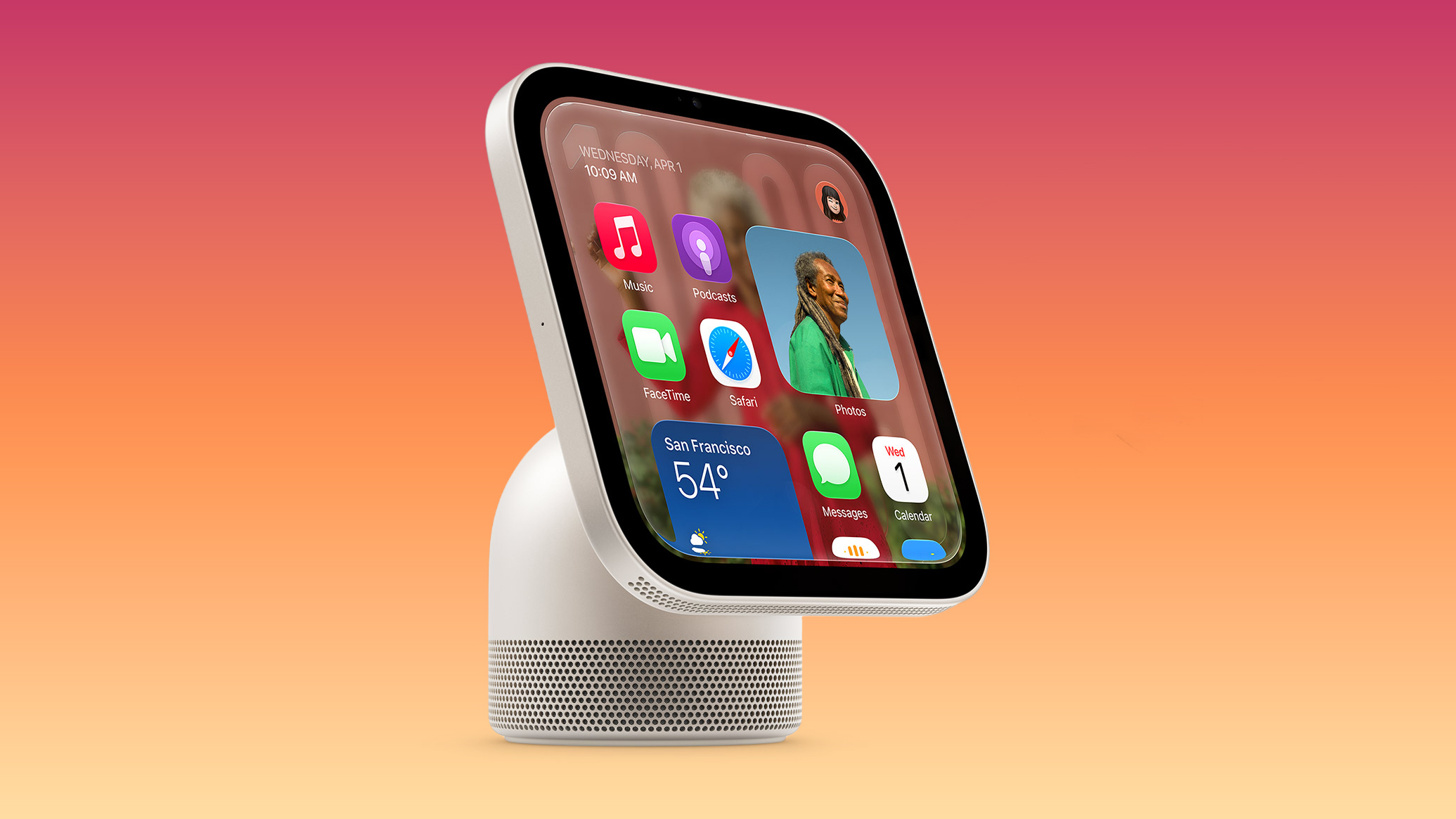

In the longest discussion, which now spans over one hundred posts, several people say their HomeView refuses to set timers or alarms, and instead claims that a software update is required – even though the device reports that it is up to date. In another thread, one poster said an AppleCare senior advisor told them other owners had reported the same problem, and that cold-rebooting their paired iPhone cleared it.

Other owners describe Siri taking minutes to respond or repeatedly announcing that it is "downloading Siri." Elsewhere, in two separate threads, owners report music commands failing outright or being carried out on their iPhone instead of the HomeView, even when the device shows Siri listening on screen. That's not all, either. Some owners with multiple units say commands meant for one room play in another, for no apparent reason.

Let's not overstate the case, though. Not everyone is seeing problems with HomeView. Several people have reported their units working as expected, and some say that any issues cleared after rebooting the HomeView, their iPhone, or both.

Apple has already said a software update coming next month will fix a separate issue in which Siri AI claims not to have a camera and won't let recognized users unlock doors and garages by voice. Apple already released a software update that addresses several vulnerabilities, including issues with AirPlay, Messages, and Bluetooth.

However, those are other issues, and it remains to be seen whether said update will fix the timer and music problems described by several owners in the MacRumors forums. Let us know in the comments of your own experience with HomeView.
Related Roundup: Apple HomeView
Buyer's Guide: HomeView (Buy Now)

This article, "Apple's New HomeView Smart Home Hub Has Issues, Say Owners" first appeared on MacRumors.com

Discuss this article in our forums
  •  

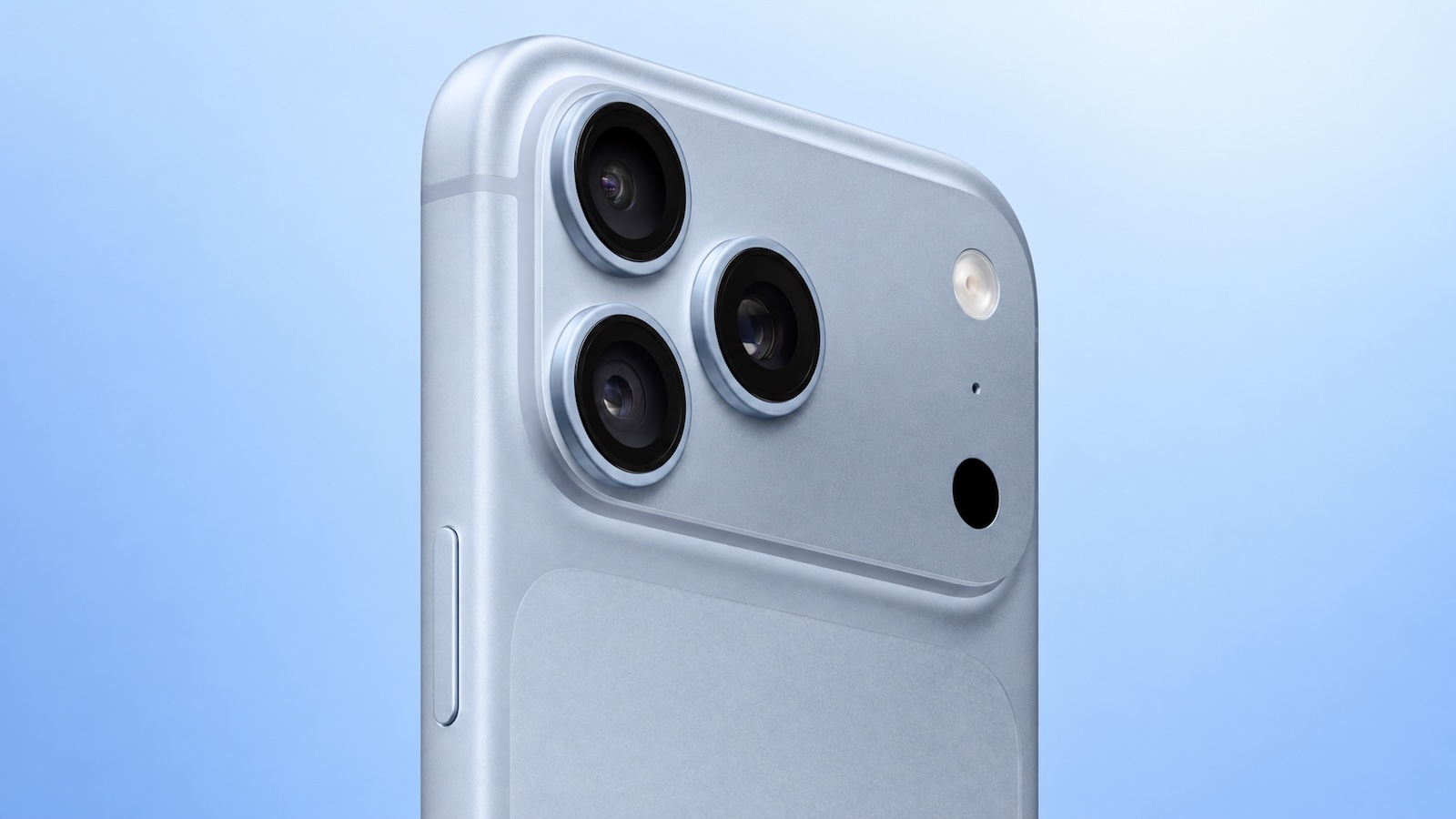
iPhone 20 Pro Rumored to Feature New 17nm Camera Sensor

Next year's iPhone 20 Pro could feature a main camera sensor with logic circuitry manufactured using a new 17-nanometer process, according to Weibo-based leaker Ice Universe.


Modern stacked camera sensors separate their light-sensitive pixels from the logic circuitry responsible for reading out and processing image data. A more advanced manufacturing process for the logic layer could potentially enable faster readout speeds, improved power efficiency, and more sophisticated image processing.

The leaker provided no further details about the sensor, which would reportedly debut in Apple's 20th-anniversary iPhone in 2027. Apple is expected to skip the "iPhone 19" moniker next year, just like it did with the iPhone 9 prior to the release of the iPhone X in 2017 to celebrate the 10th anniversary of the original iPhone.

Interestingly, Samsung has already been developing a 17nm Low Power Value (17LPV) process specifically for CMOS image sensor signal processing circuitry, according to a 2024 Omdia report.

Apple is also working with Samsung to produce advanced image sensors at its Austin, Texas facility. Previous reports suggest the partnership involves a three-layer stacked sensor design, but there's currently no clear link between that project and the claimed 17nm component.

Separately, Apple is rumored to be developing its own image sensor incorporating LOFIC technology, which could substantially improve dynamic range and preserve more detail in highlights and shadows. Again though, it's not clear whether the latest claim relates to that sensor.

Apple is rumoured to be a developing a radical new design for its second commemorative iPhone, featuring a new quad-curved OLED display that wraps around the edges of the device, and a screen with potentially no cutouts at all. Apple is expected to debut the device in or around September 2027.
This article, "iPhone 20 Pro Rumored to Feature New 17nm Camera Sensor" first appeared on MacRumors.com

Discuss this article in our forums
  •  

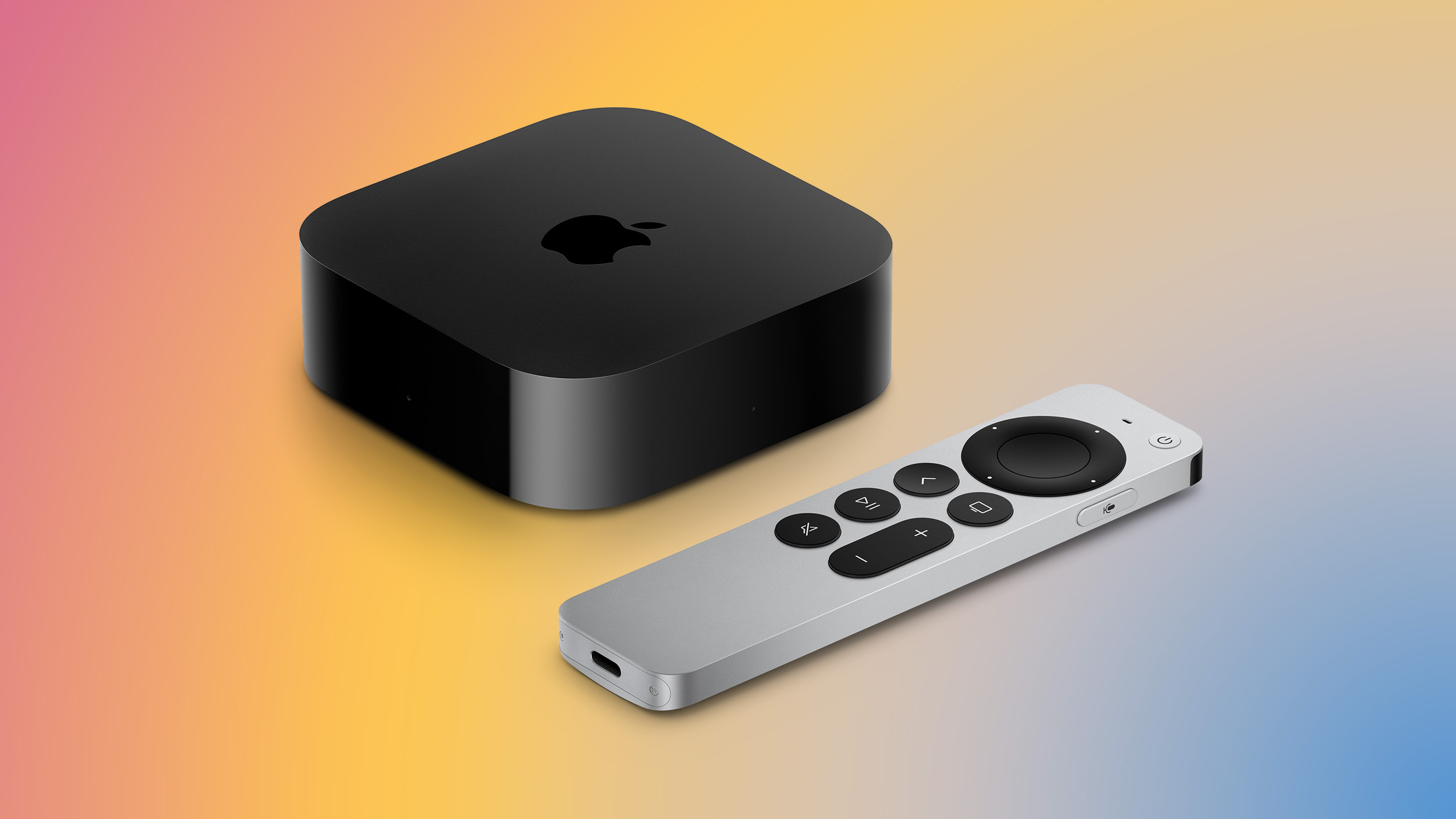
New Apple TV 4K's A19 Chip Has One Core Switched Off

Apple's new Apple TV 4K uses an A19 chip with one efficiency core disabled, according to system diagnostic data shared by code explorer pdfu. That suggests a five-core CPU with two performance cores and three efficiency cores, compared with the six-core CPU in the iPhone 17.

The reported maximum clock speeds are 4.26GHz for performance cores and 2.592GHz for efficiency cores, with a five-core GPU reaching 1.47GHz. (These are maximum frequencies, not measurements of sustained performance.) Apple is likely using binned chips, where the disabled core is defective. The company used a similar configuration in the 2022 Apple TV 4K, whose A15 chip also had one CPU core disabled.
Related Roundup: Apple TV
Tag: pdfu
Buyer's Guide: Apple TV (Buy Now)

This article, "New Apple TV 4K's A19 Chip Has One Core Switched Off" first appeared on MacRumors.com

Discuss this article in our forums
  •  

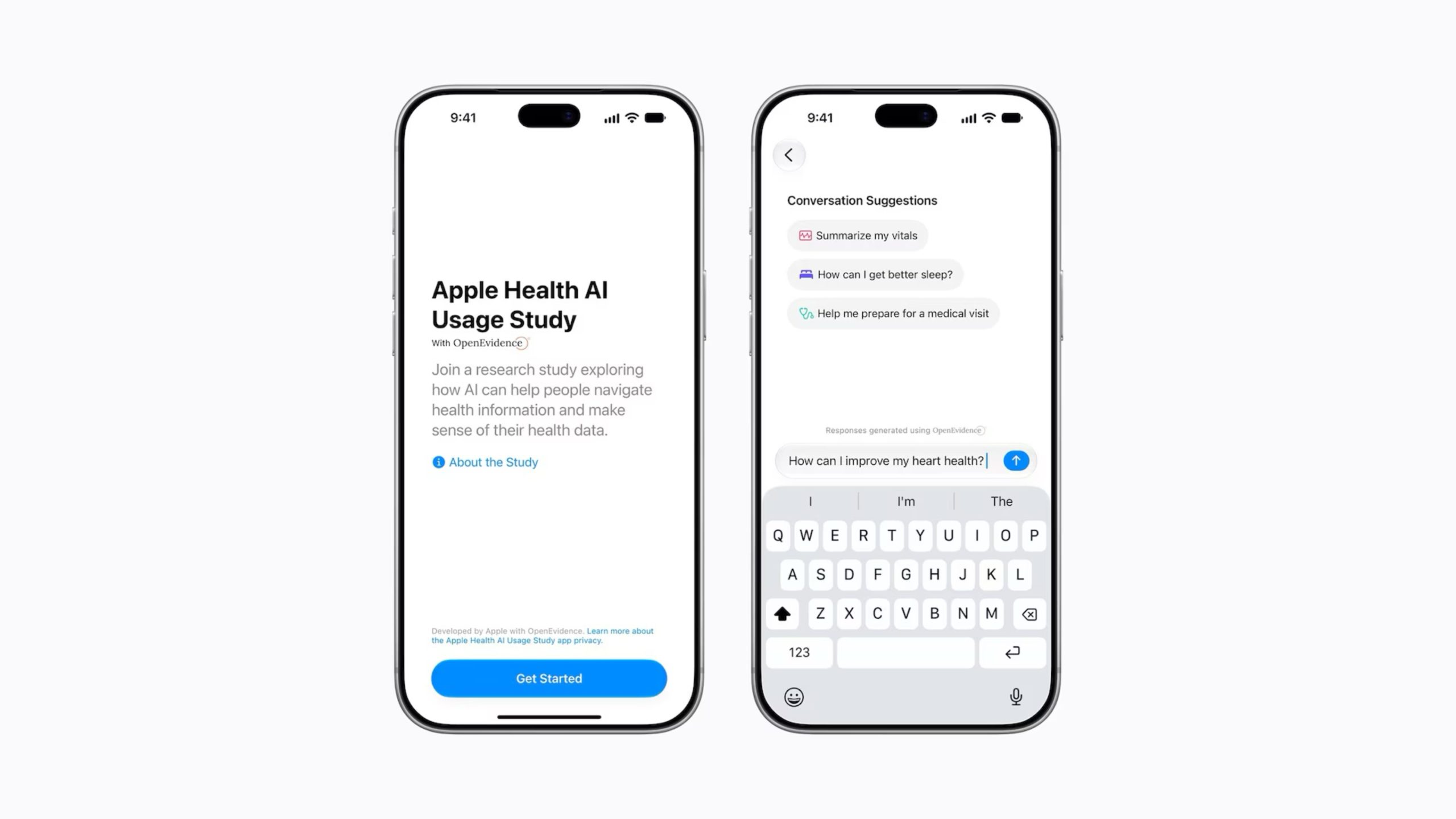
Apple Seeks 200,000 People for AI Health Study

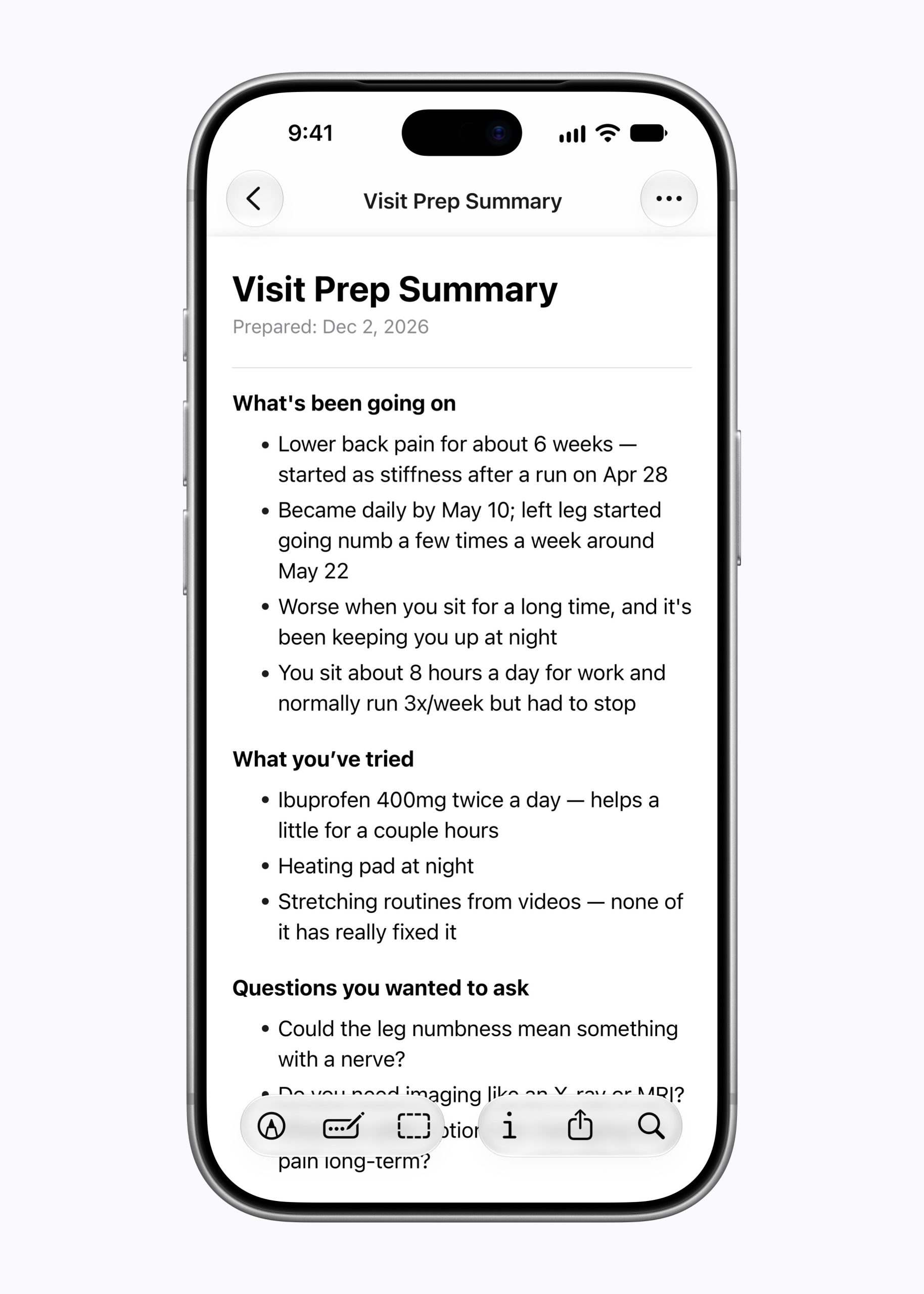
Apple on Sunday announced the launch of an Apple Health AI Usage Study that gives participants access to a dedicated iPhone app that answers everyday health questions using medical research and, optionally, their own Health app data.


Conducted in collaboration with clinical AI company OpenEvidence, the U.S.-only study will examine how people understand and evaluate AI-generated health information, what makes them trust it, and whether it can help them prepare for appointments with their doctors.
"At Apple, we believe responsible innovation starts with scientific rigor and clinical grounding. Health is deeply personal, and conducting a dedicated research study is the most thoughtful way to understand how people engage with, comprehend, and evaluate health AI in everyday life," said Sumbul Desai, M.D., Apple's vice president of Health and Fitness. "Insights from this study will help advance the broader scientific conversation and ensure that as technology evolves, we continue building trusted tools that genuinely support people wherever they are on their health journey."
The app combines OpenEvidence's technology with an Apple-designed research experience, where responses include links to peer-reviewed clinical sources, with information drawn from publications like The New England Journal of Medicine, JAMA, and Nature. Apple says the app presents complex medical information in approachable language.


Participants can choose to share data such as their resting heart rate, activity, sleep, and lab results through HealthKit. The idea is for it to allow researchers to explore whether incorporating personal health information makes answers more relevant and easier to understand. Apple says the app can also help users put Health data in context, understand symptoms or conditions, and build personalized exercise or meal plans.

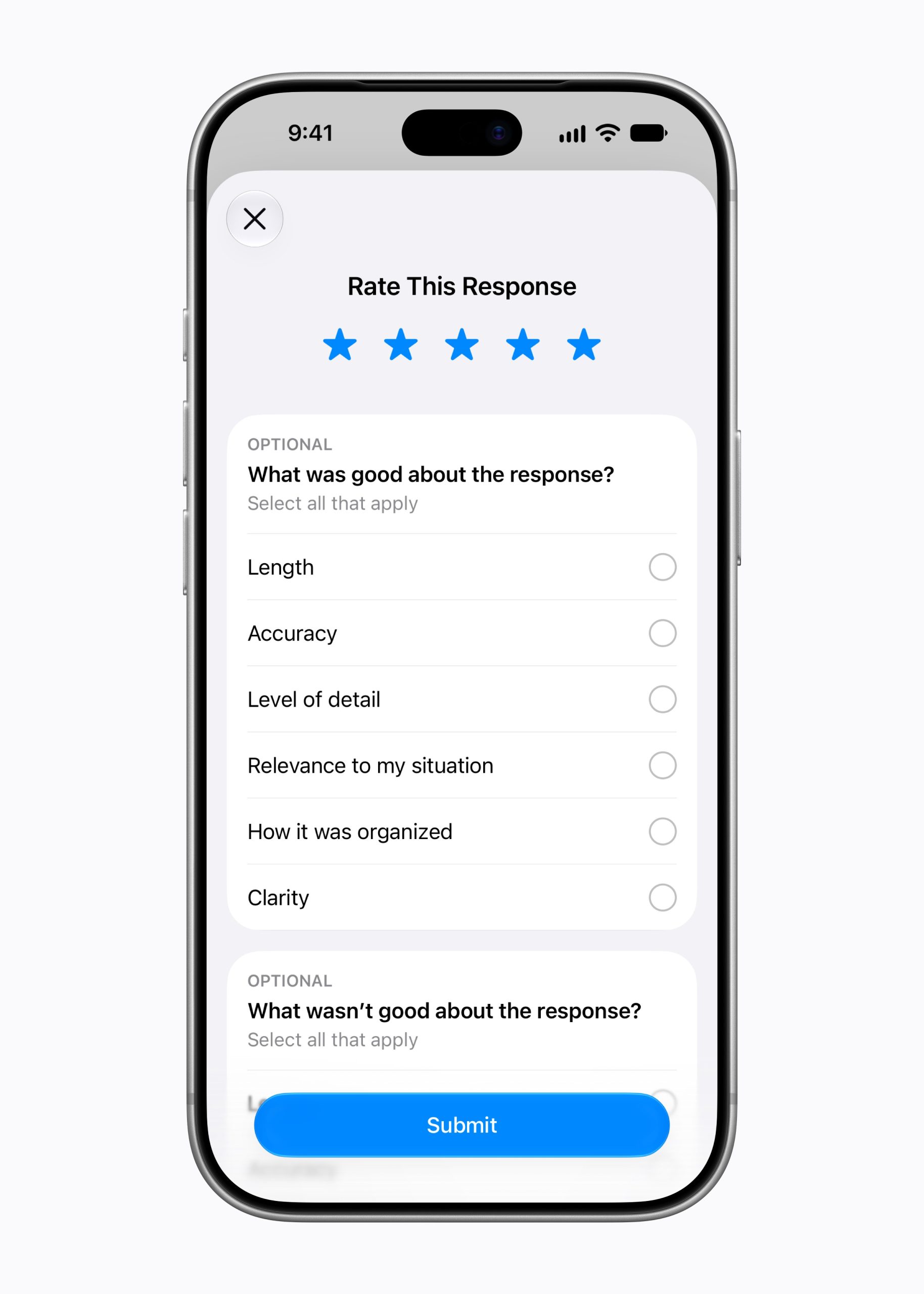
Users can rate responses and complete occasional surveys about their experience, and all questions undergo processing designed to remove identifying information before reaching OpenEvidence, which deletes question-and-response data within 24 hours. Apple says study data will not be used to train AI models, and participants control whether they share HealthKit metrics or survey responses.
"Patients and clinicians are both turning to AI, but the tools they use are being built and tested in separate worlds," said Robert M. Wachter, M.D., UCSF's professor and chair of the Department of Medicine. "When patients and doctors draw on versions of the same trustworthy tools, patients arrive prepared, conversations improve, and next steps happen seamlessly. Connecting these tools, and rigorously studying what works, is how we'll get there."
Apple is keen to stress that health tools powered by large language models can give incomplete or unclear answers, and the app includes safeguards that are meant to detect certain concerning questions and direct users toward a healthcare provider or other resources. The study isn't intended to diagnose or treat conditions, or replace advice from medical professionals.


The study is open to up to 200,000 eligible U.S. residents aged 21 and older with an Apple Intelligence-enabled iPhone running iOS 26 or later. If you're eligible and interested, download the Apple Health AI Study App from the App Store to learn more.
This article, "Apple Seeks 200,000 People for AI Health Study" first appeared on MacRumors.com

Discuss this article in our forums
  •  

Apple TV App to Get Video Podcasts Section Today

Apple on Monday will add a video podcasts section to the Apple TV app, bringing it to more than 1 billion devices that have the app, reports The New York Times. The new video podcasts section will likely arrive in iOS 27.3 beta 2 for developer testing.

"We want podcasts to be available wherever people want to enjoy them — the small screens, big screens," VP of services, Oliver Schusser, told NYT. "It's really about discovery and helping the creators to reach a new audience. We didn't approach this in a way that would financially benefit us." Apple also plans to increase the number of video podcasts on its regular Podcasts app, according to the publication.
Related Roundup: Apple TV
Buyer's Guide: Apple TV (Buy Now)

This article, "Apple TV App to Get Video Podcasts Section Today" first appeared on MacRumors.com

Discuss this article in our forums
  •  
❌