
❌

Normale Ansicht

Apple Explains How HomeView Keeps Camera Data Private

Apple today shared an in-depth look at how it's using Secure Exclaves to protect camera and microphone data on the HomeView, iPhone 18 Pro, and other products.
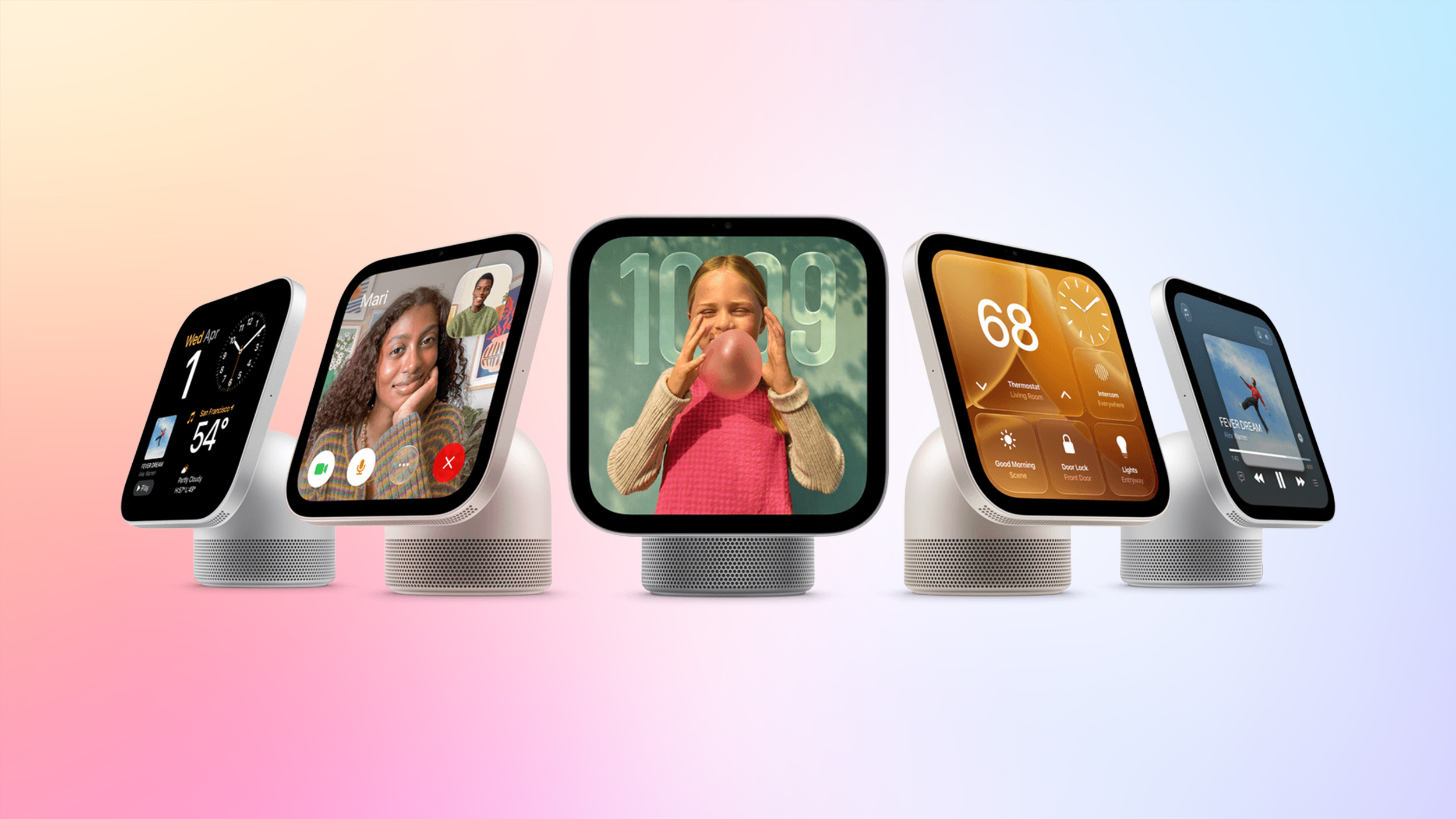

Apple describes Secure Exclaves as compartmentalized runtimes that process camera and microphone data while isolated from the rest of the operating system. Data processed in Secure Exclaves is not available to the rest of the OS, apps, or Apple, but processing can take advantage of the full application processor. Secure Exclaves power sensitive features involving video and audio feeds:

  • HomeView - The HomeView uses facial and voice recognition to identify up to six people in a home. The exclave also protects the LED camera indicator on the device.

  • Siri Recap and Live Rewind - Record ambient sound for conversation recaps or to caption the last 15 seconds of someone speaking.

  • iPhone 18 Pro/iPhone Duo - Protects the ‌iPhone 18 Pro‌, Pro Max, and Duo on-screen camera and microphone indicators. Also works with "Hey Siri" to protect voice data.

  • MacBook Neo - Protects the MacBook Neo camera indicator.


Apple uses the HomeView as an example of how Secure Exclaves work. The device performs passive minimal visual processing continually to detect whether a person is in its field of view. The HomeView sends a continuous stream of camera frames to a camera exclave, which works alongside a person recognition exclave with face and voice recognition models and an identity database. When a person comes into view, the camera exclave detects the person and lets the main OS know that a person may be present, but no image data leaves the Secure Exclave. An audio exclave does the same thing with audio.

The person recognition exclave matches face and voice prints against the identity database of enrolled users, giving a confidence score. The OS gets the person identifier, position, and confidence level, but not any of the actual audio or video. These simple signals are used to activate personal features like Calendar and Messages that depend on identity, with raw sensor data discarded.

Secure Exclaves came about because Apple needed a secure option for ambient video and microphone monitoring, with the groundwork laid starting in iOS 18. Apple devices use indicators for situations where the camera and microphone are actively engaged, but Apple says they weren't ideal for ambient sensing because they would be on all the time. Always-on lights wouldn't give users a way to distinguish between background sensing and active audio and video recording.

There are two modes for a Secure Exclave: ambient mode and active mode. In ambient mode with no indicator, a sensor can respond to triggers, but it only shares small amounts of metadata with the rest of the system. In active mode, full sensor data is given to the operating system, and an indicator informs the user that the system has audio and video access.

Apple has long used indicators, but they are now backed by Secure Exclaves. Secure Exclaves make sure an indicator is active before data is allowed to be transferred from the exclave to the rest of the OS.

Apple built an isolated computing environment that could handle ambient sensing, and the company says isolating memory for Secure Exclaves was a "serious engineering challenge." Full technical details on the process can be found on Apple's security website.
Related Roundup: Apple HomeView
Buyer's Guide: HomeView (Buy Now)

This article, "Apple Explains How HomeView Keeps Camera Data Private" first appeared on MacRumors.com

Discuss this article in our forums
  •  

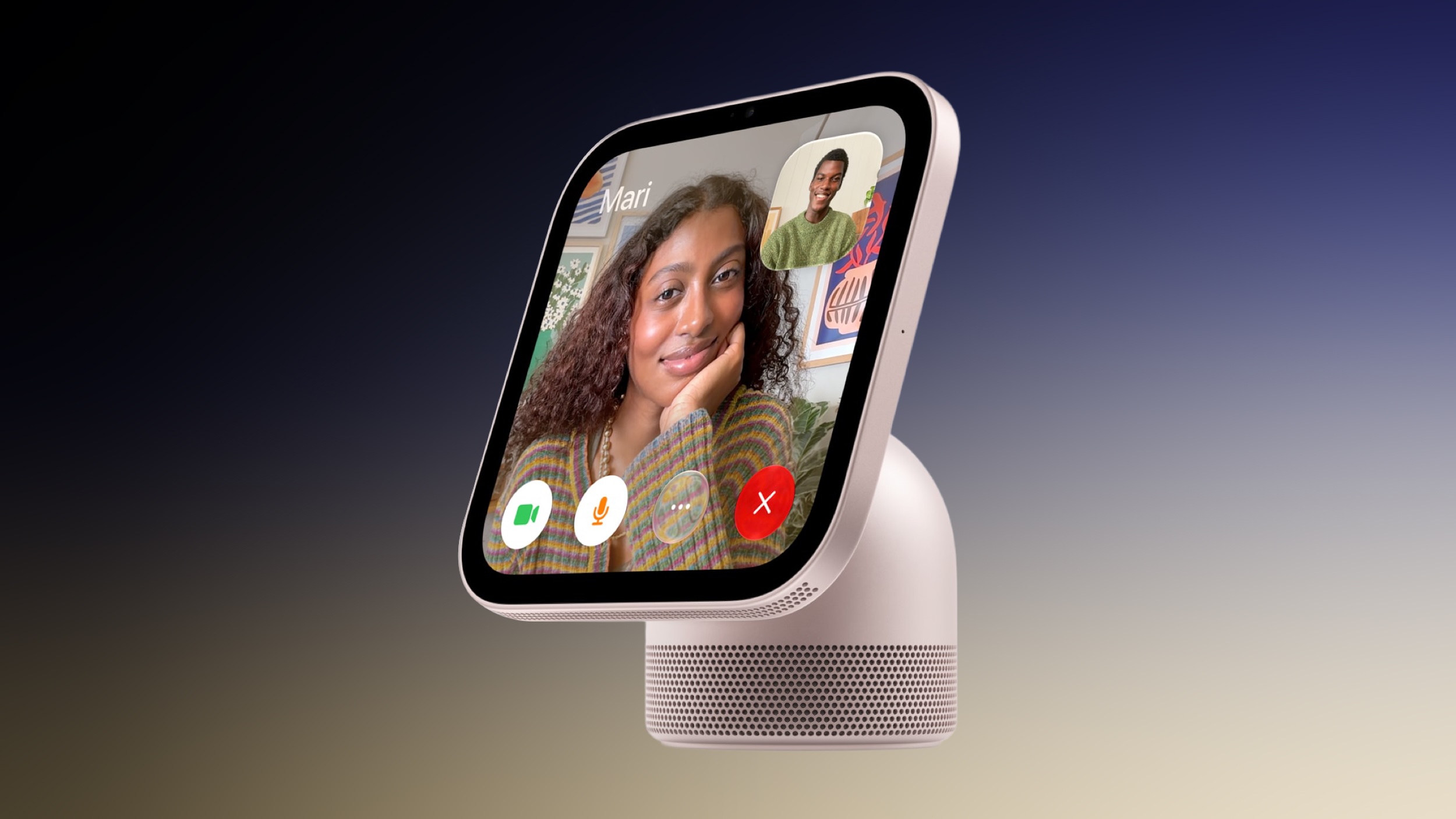
Apple Releases Updated HomeView Software 27.2 Before Launch

With the HomeView set to start arriving to some users in just a matter of hours, Apple has released a new HomeView Software 27.2 update.


The software has a build number of 24V526, and it is the second 27.2 update Apple has released for the device.

Customers receiving the HomeView this week will need to install a software update during the setup process. The HomeView ships with HomeView Software 26.5, which is approximately six months old.

Apple planned to release the HomeView earlier than November 2026 but held back because it wanted to debut Siri AI in iOS 27 first.

Apple today said it plans to release a HomeView software update to fix a ‌Siri‌ AI issue that prevents ‌Siri‌ from controlling smart home products like locks, but that update isn't coming until next month. It's likely the ‌Siri‌ AI issue will be addressed in HomeView 27.3.

Update: Apple's security support document says the software update addresses several vulnerabilities, including issues with AirPlay, Messages, and Bluetooth.
Related Roundup: Apple HomeView
Buyer's Guide: HomeView (Buy Now)

This article, "Apple Releases Updated HomeView Software 27.2 Before Launch" first appeared on MacRumors.com

Discuss this article in our forums
  •  

Apple Says HomeView Software Update Coming Next Month With Siri Fix

In her HomeView review shared in a free edition of her New Things newsletter today, tech journalist Joanna Stern said Siri AI once told her "I don't have a camera to see you," even though the device has a camera. Apple confirmed to Stern that it plans to release a software update in December with a fix for this issue.


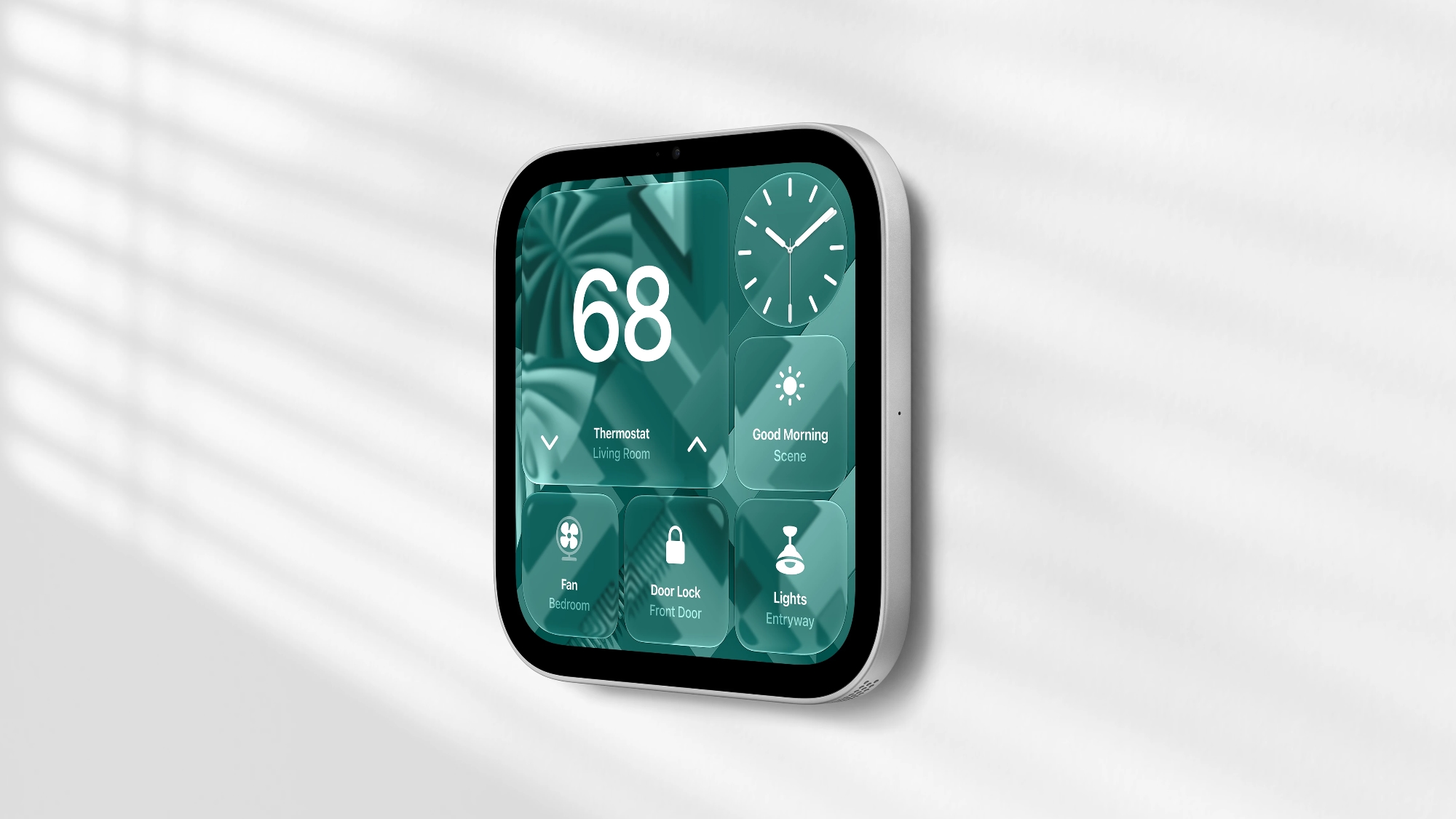
Siri AI also refused to open Stern's garage door or unlock her front door, even though the HomeView recognized her. Apple told her that the software update coming next month will enable this functionality. In the meantime, you can unlock door locks and garage doors by opening the Home app on the HomeView and tapping on-screen controls.


"Today users recognized by HomeView can unlock security accessories, including door locks and garage doors, directly on their HomeView screen," an Apple spokesperson told Stern. "With a software update next month, this will extend to Siri AI, giving users more ways to manage security accessories once they've been recognized."

HomeView launches this Friday, with U.S. pricing starting at $299. We also shared our own hands-on review video with our own impressions.
Related Roundup: Apple HomeView
Tags: Siri, Siri AI
Buyer's Guide: HomeView (Buy Now)

This article, "Apple Says HomeView Software Update Coming Next Month With Siri Fix" first appeared on MacRumors.com

Discuss this article in our forums
  •  

Review: Is Apple's All-New HomeView Smart Home Hub Worth $299?

On our YouTube channel today, Dan Barbera shared a review of Apple's all-new HomeView smart home hub ahead of the device launching on Friday.


Barbera spent the past week testing the HomeView and has shared his impressions, so be sure to watch our video above to hear what he thinks.

As a refresher, the HomeView features a 7-inch square display connected to an aluminum speaker base by a stainless steel tilting hinge. Apple says it is ideal for a kitchen counter, nightstand, or side table. You can use the device to interact with Siri AI, control smart home accessories, go on FaceTime video calls, listen to music, and more.

Preinstalled apps on the HomeView include Alarms, Calendar, FaceTime, Find My, Home, Intercom, Messages, Music, Podcasts, Reminders, Safari, Settings, Timers, Weather, and World Clock. The device does not have an App Store, but it does support CarPlay-enabled audio and video apps, such as Apple TV, Spotify, and Apple Music Classical.

In the U.S., both the tabletop and wall-mounted versions of the HomeView are priced at $299, but you will also need to purchase a mount if you opt for the wall-mounted version. Apple sells three mounts priced between $59.95 and $129.95.
Related Roundup: Apple HomeView
Buyer's Guide: HomeView (Buy Now)

This article, "Review: Is Apple's All-New HomeView Smart Home Hub Worth $299?" first appeared on MacRumors.com

Discuss this article in our forums
  •  

Apple Home Collection: Select Accessories Available to Order This Friday

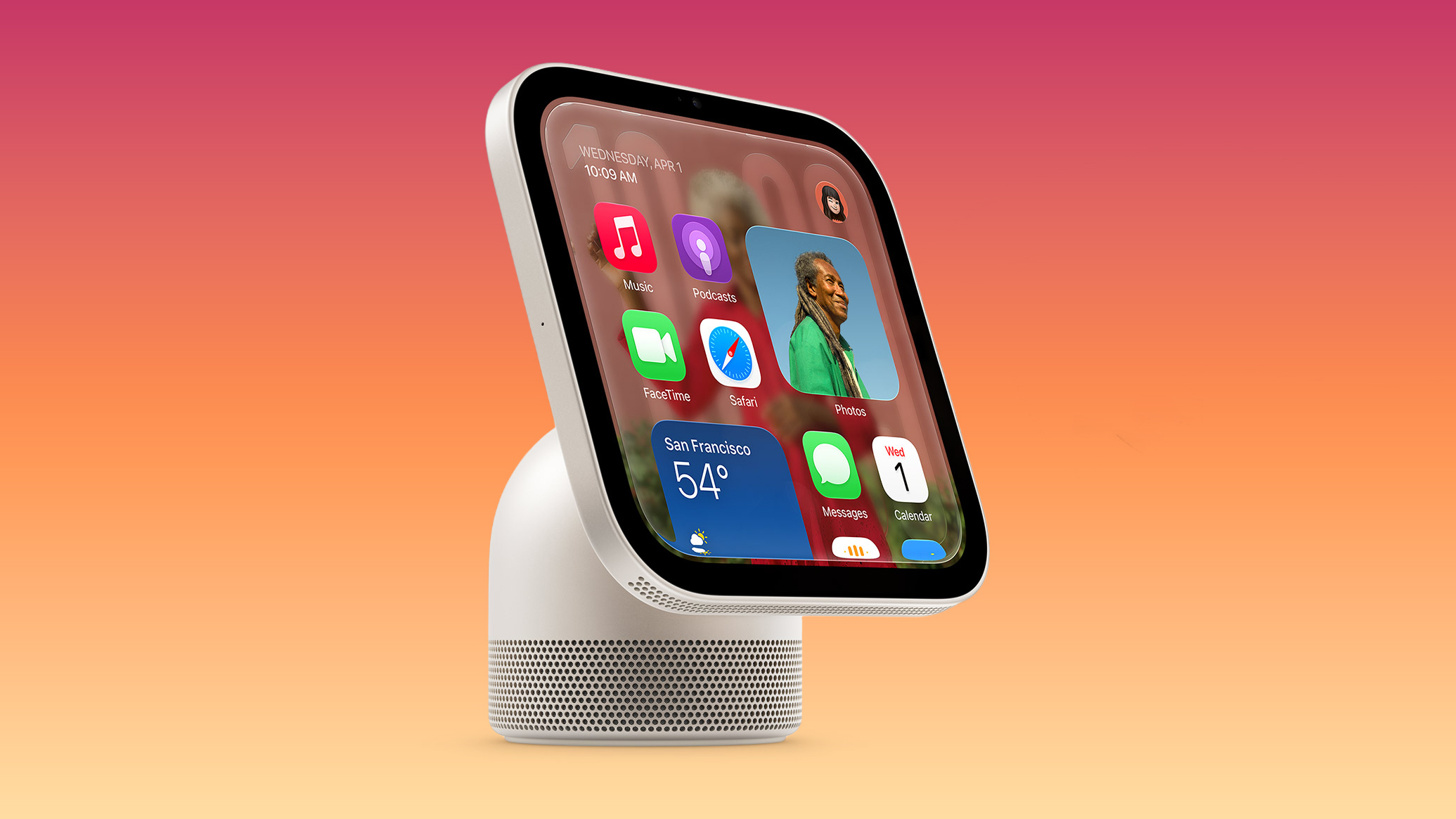
Apple today announced that select Apple Home Collection accessories will be available to order starting Friday, November 13, with availability beginning in December. Apple did not say exactly which accessories can be ordered tomorrow, so stay tuned.


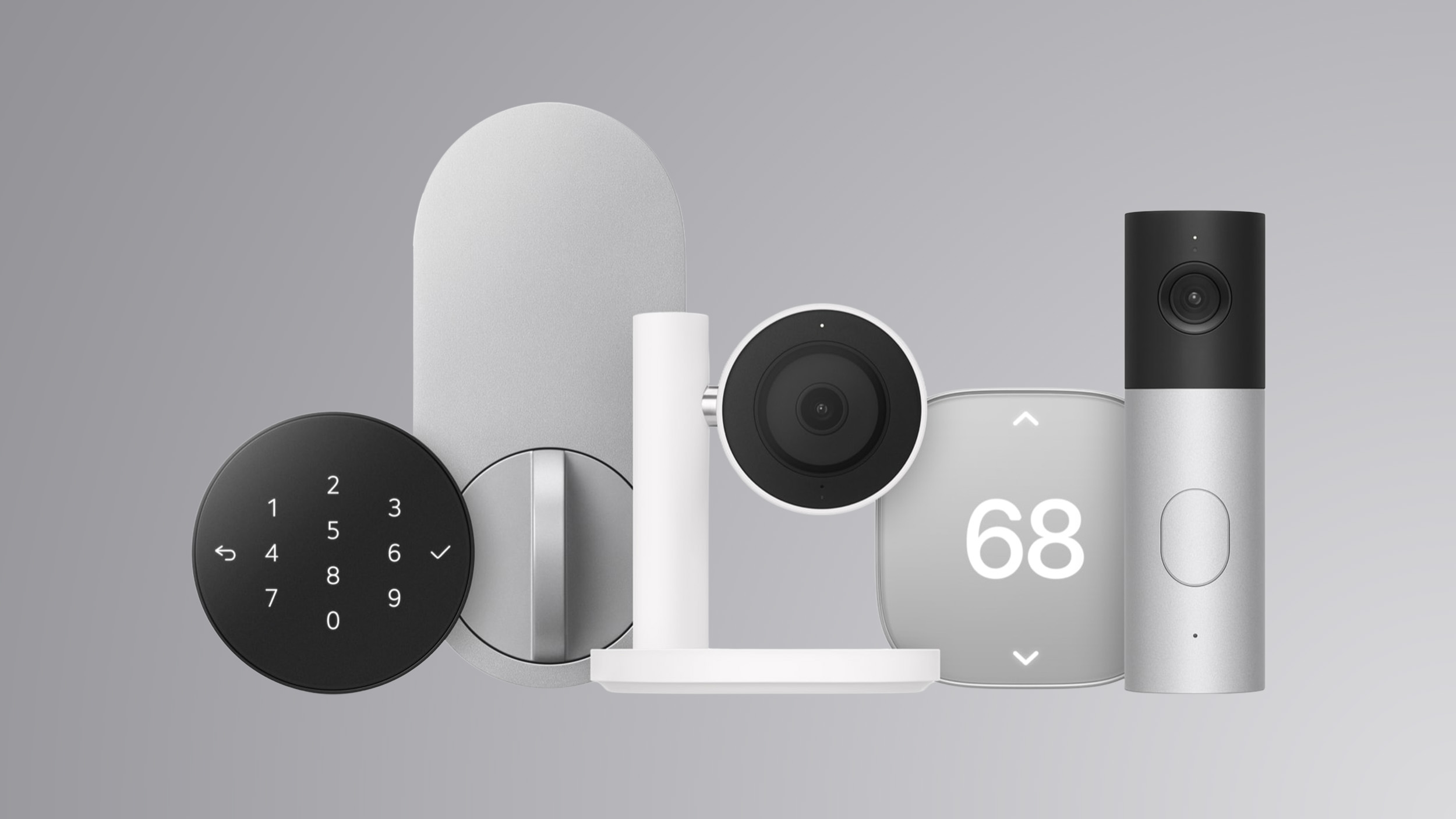
Introduced alongside Apple's new HomeView smart home hub last month, the Apple Home Collection is a new lineup of smart home accessories that LG and Schneider Electric designed in collaboration with Apple. There are indoor and outdoor cameras, thermostats, temperature sensors, a video doorbell, and a door lock.

All of the Apple Home Collection accessories work with the HomeView:

  • LG Video Doorbell ($249.95) - The Video Doorbell has dual cameras that capture views of visitors and packages. The front camera has a 2.5K resolution and the bottom camera is full HD resolution. It has a built-in spotlight and a chime that plays through HomeView, HomePod, or HomePod mini.

  • LG Outdoor Cam ($299.95) - The Outdoor Cam has low-light color night vision and can be angled in multiple positions.

  • LG Indoor Cam ($199.95) - The Indoor Cam has a privacy-preserving feature that allows it to tilt up when people are in the home so it's not recording, and down when people leave for keeping an eye on the home. The tilt function works based on geofencing, but can also be controlled in the Home app or manually.

  • LG Floodlight Cam ($399.95) - The Floodlight Cam has dual floodlights that activate when motion is detected and low-light color night vision.

  • LG Smart Deadbolt Lock ($349.95) - The lock has Ultra Wideband and can unlock automatically when the homeowner approaches, with no tap required. It also supports unlocking via PIN or a hidden backup key slot, and there is detection for whether the door is opened, closed, or has been tampered with. The doorbell and lock can work together as one, letting users see who is at the door and unlocking it if needed.

  • LG Thermostat ($199.95) - The thermostat supports Adaptive Temperature and in the U.S., heating and cooling can be activated during lower-cost periods for users with a compatible utility plan. The thermostat can read temperature and humidity across multiple rooms using separate temperature and humidity sensors. Sensors are priced at $39.95.

  • Schneider Electric Thermostat ($199.95) - Also supports Adaptive Temperature and can be used with temperature and humidity sensors. Sensors are priced at $39.95.

For more details about the accessories, read our previous coverage.

Apple previously announced that some of the accessories will not be released until early 2027, so not everything will be available to order tomorrow.
Related Roundup: Apple HomeView
Buyer's Guide: HomeView (Buy Now)

This article, "Apple Home Collection: Select Accessories Available to Order This Friday" first appeared on MacRumors.com

Discuss this article in our forums
  •  

Apple Releasing Yet Another Two New Products Next Week

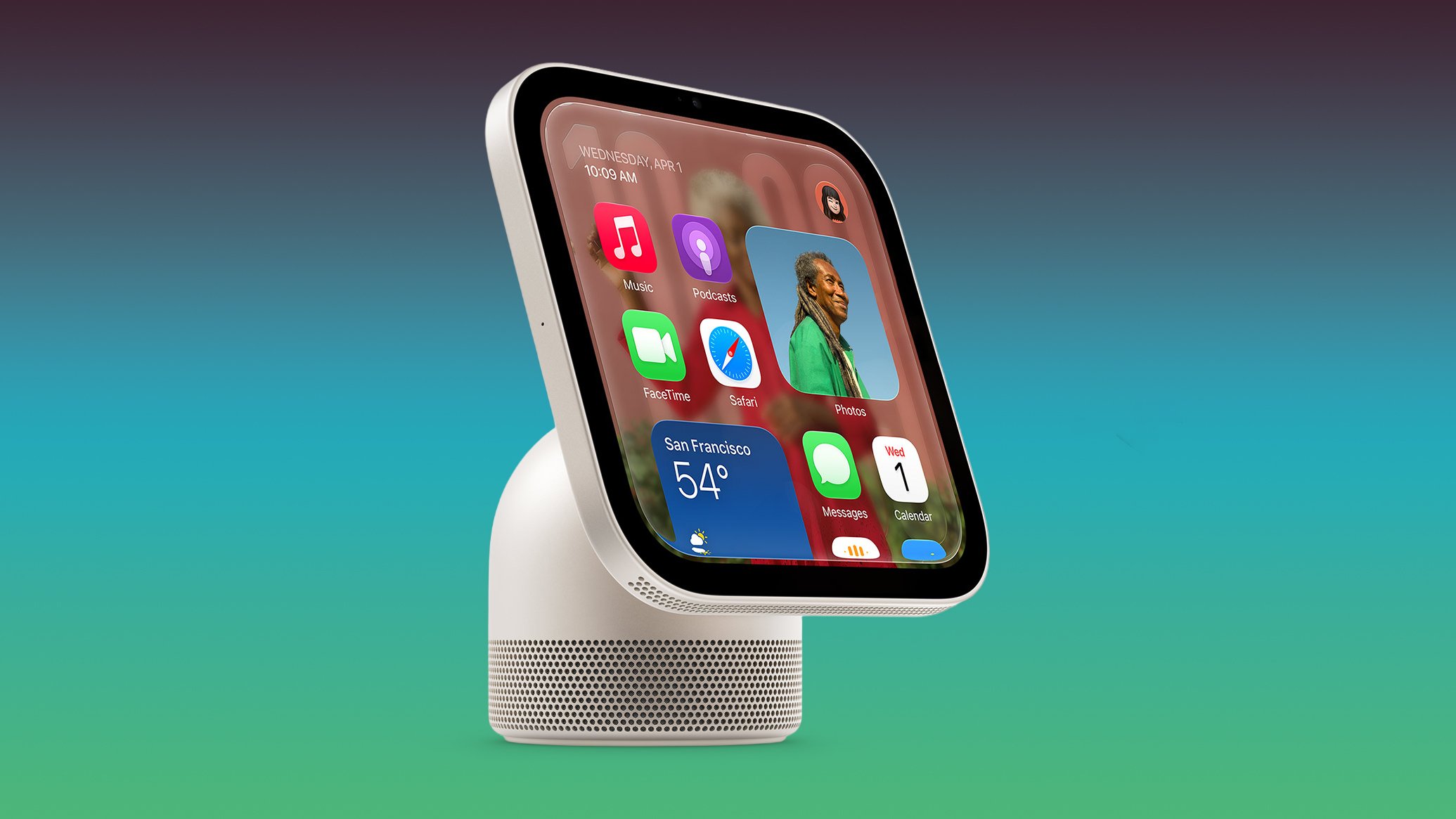
Apple's massive wave of product launches will finally end next week, with its all-new HomeView smart home hub and the fourth-generation Apple TV 4K set to be released on Friday, November 13 and no other major hardware releases expected for the remainder of the year. Since late August, Apple has announced more than 25 new devices and accessories in one of its busiest stretches ever.
Related Roundups: Apple TV, Apple HomeView

This article, "Apple Releasing Yet Another Two New Products Next Week" first appeared on MacRumors.com

Discuss this article in our forums
  •  

Apple's New HomeView Smart Home Hub: Here's How Much RAM It Has

MacRumors has confirmed that the A18 chip in Apple's new HomeView smart home hub is paired with 8GB of RAM. This is not very surprising given the A18 chip also has 8GB of RAM in all iPhone 16 models and the MacBook Neo, but Apple does not list this information in the HomeView's tech specs, so it is worth documenting.
Related Roundup: Apple HomeView
Buyer's Guide: HomeView (Buy Now)

This article, "Apple's New HomeView Smart Home Hub: Here's How Much RAM It Has" first appeared on MacRumors.com

Discuss this article in our forums

  •  

HomeView Code Suggests Future Support for AI Chatbot Apps, Anti-Spoofing Protection

Code discovered in the iOS 27.3 beta suggests Apple is laying the groundwork for chatbot apps on its upcoming HomeView smart home hub, according to the code investigator known as pdfu.


The software HomeView uses to display apps from a connected iPhone or iPad is said to have gained a "Conversational Apps" category in the latest beta. The update also reportedly adds preparations for two-way audio routing, session management, and interruptions, but pdfu notes that it is "still not fully wired up."

Apple hasn't announced chatbot apps for HomeView, and the code doesn't show which apps could use the category or when it could launch, so support for ChatGPT, Claude, or other chatbots is unconfirmed. It's not the first time the possibility has been floated: pdfu suggested on Sunday that chatbot apps might follow based on an unused flag in HomeView's software.

Anti-Spoofing Protection


In a separate finding, pdfu also discovered that HomeView includes anti-spoofing protection. Apparently, after three spoof attempts for a profile, the user must authenticate with an iPhone to see personal data, and the protection is enabled in HomeView software 27.2.

Apple is also said to be working on a lockout cooldown system, similar to what happens when you enter the wrong passcode on an iPhone. A first lockout can be cleared immediately, but a second lockout brings a one-hour wait, a third a four-hour wait, and a fourth (or any further) lockout an eight-hour wait.

pdfu adds that the lockout cooldown periods are still in development, so for now any lockout can be cleared immediately by authenticating with an iPhone. Apple hasn't described either feature in its press materials.

HomeView Launches Next Week


HomeView launches on November 13 for $299, in both desktop and wall-mounted versions. Here's what Apple has announced so far:

  • 7-inch Liquid Retina display, in a tabletop model with a speaker base and a wall-mounted model.

  • Face recognition for up to six users, each with a personal Home Screen with apps and widgets.

  • Siri AI, with conversations that continue in the Siri app on other Apple devices.

  • Personal content from Messages, FaceTime, Calendar, Reminders, and Find My, shown when the enrolled user is recognized and their iPhone or iPad is nearby and recently unlocked.

  • Faces including Photos, Flow, Snoopy, Home Modular, and Home Camera.

  • Apple Music, Podcasts, News, and Apple TV, plus compatible third-party audio and video apps.

  • Handoff from iPhone, and multiroom audio with HomePod, HomePod mini, and AirPlay speakers.

  • FaceTime with Center Stage, Messages by voice or keyboard, and Intercom.

  • Step-by-step recipes from the web with hands-free timers.

  • Smart home controls, including a Home Camera face that shows up to nine live camera feeds.

  • With a supported iCloud+ subscription, recognition of people, pets, packages, and vehicles from compatible cameras.

  • Smoke and carbon monoxide alarm sound detection.

  • Support for Apple Home Collection accessories, other "Works with Apple Home" accessories, and Matter.

HomeView won't have an App Store. However, as we reported last month, it shows CarPlay-style third-party audio and video apps from a connected iPhone or iPad. HomeView isn't on sale in the European Union because Siri AI is currently unavailable in iOS there, and Apple says it is still working with the EU to find a path forward to make it available in the bloc.
Related Roundup: Apple HomeView
Tag: pdfu
Buyer's Guide: HomeView (Buy Now)

This article, "HomeView Code Suggests Future Support for AI Chatbot Apps, Anti-Spoofing Protection" first appeared on MacRumors.com

Discuss this article in our forums

  •  

„Welcome Apple HomeView“

13. Oktober 2026 um 18:02
A smart home device with a screen showing a family photo, placed on a wooden table with a glass of water and a plate with two apples nearby. The text 'Introducing Apple HomeView' appears beside the device.

Apple HomeView is not available for sale in the European Union, as Siri AI is currently unavailable in iOS in the EU. Apple is working constructively with the EU in an attempt to find a path forward.

Apple.com/Newsroom | YouTube@Apple

Erster Gedanke: Richtig so! Anstatt den Computer in seinem Funktionsumfang (stark) zusammenzustreichen, bevorzuge ich es, ihn erst gar nicht anzubieten.

Zweiter Gedanke nach dem Lesen von Fußnote 10: Ohne Apple Intelligence und Siri AI funktioniert Apples Heimzentrale gar nicht. Ergibt Sinn!

Dritter Gedanke: Das ist „by design“! Die gewählte Software-Architektur ist ein Verkaufsverbot für die eigene Hardware.

  •  
❌