Apple's upcoming iPhone Air 2 will keep the same display specifications as its predecessor so the company can use existing OLED panel inventory, according to Korean publication ETNews. Citing industry sources, the report says new panel orders are expected to be minimal, with Samsung Display the sole supplier for the second-gen model.
The report contrasts with earlier expectations that Apple would adopt Samsung's thinner, brighter display technology used in the iPhone Duo for the iPhone Air 2, although the ETNews report doesn't even mention the rumored upgrade. Samsung reportedly plans to begin panel production in January, ahead of an expected March 2027 launch.
Apple's display suppliers are preparing to begin mass production of OLED panels for the upcoming iPhone Air 2 and iPhone 18, according to a report from Korea's ETNews.
The devices will mark Apple's first spring releases next year as part of the company's new split-launch strategy for its flagship smartphones. Apple already debuted the iPhone 18 Pro models and iPhone Duo in September. The iPhone 18e, Apple's more affordable option, is also expected to launch in the spring.
The report claims Samsung Display and LG Display appear to be aligning their production plans for an expected March 2027 launch schedule. The two companies are expected to start mass production in late December and early January, with Samsung said to be the sole supplier for the iPhone Air 2. Apple is also said to have existing OLED panel inventory that it can use for the Air 2.
Apple will reportedly continue to prioritize production of iPhone 18 Pro and iPhone Duo models through the end of the year, with the latter device already seeing improved shipment times edge into December from the original January 2027 forecast.
The standard iPhone and Air models typically account for more than 30% of total iPhone lineup sales, with the standard model outselling the Air, according to the report.
As for upgrades, the iPhone 18 is rumored to get an A20 chip built on Apple's 2nm process, either 9GB or 12GB of RAM depending on the rumor source, a smaller Dynamic Island, and Apple's C2 modem.
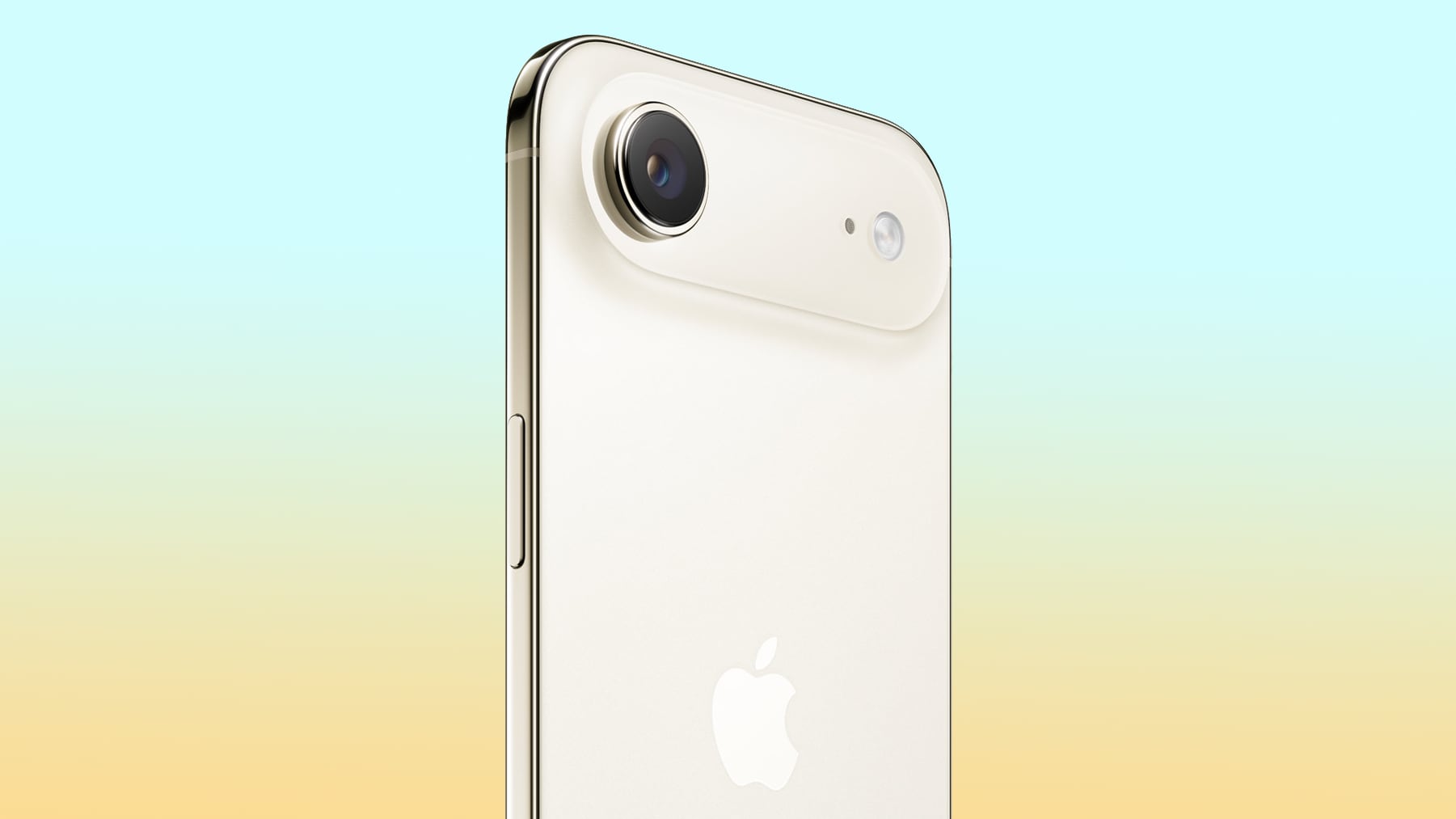
The iPhone Air 2 is expected to gain a second rear camera, with an Ultra Wide lens in addition to the Wide lens. Apple is also likely to increase the battery life of the ultra-slim device, reduce the size of the Dynamic Island, and adopt Apple's 2nm A20 chip for speed and efficiency improvements. The Air 2 is also likely to get the C2 modem.
For everything we know about the next-generation devices, see our dedicated iPhone 18 and iPhone Air roundups.
Next year's "iPhone 20 Pro" models will use the same glass design as the iPhone Air, but with more pronounced curvature along all four sides, according to the leaker known as "Fixed Focus Digital."
In a new post on Weibo, the leaker said the device would use the same glass material as the iPhone Air, adjusted to have greater curvature and produce a four-sided curved effect. The accompanying hashtag refers specifically to an "iPhone 20 Pro" with a four-sided curved, "all-glass" design.
An illustration shared with the post depicts rounded front and rear glass meeting a narrow, polished, gold-colored metallic frame. Physical side buttons, antenna lines, and a protruding rear camera assembly remain visible.
Taken together with earlier rumors and the post's accompanying illustration, the repeated comparisons suggest a design somewhere between the iPhone X and iPhone Air. The iPhone Air provides a reference for the slim profile and a more modern iPhone design, while the more pronounced glass curvature recalls the rounded edges of the iPhone X. Both feature a polished frame.
The latest claim builds on Fixed Focus Digital's previous report that Apple had modified iPhone Air manufacturing equipment to produce more rounded glass components for the 20th anniversary models. The leaker said the changes had helped reduce manufacturing costs, while substantially improving thinness and heat dissipation.
In a still-earlier report, the same leaker also claimed that a supply chain facility had completed renovations ahead of "iPhone 20" production, with manufacturing quality expected to be roughly comparable to the first-generation iPhone Air. The iPhone Air features Ceramic Shield 2 on the front and Ceramic Shield on the back.
The broader design picture aligns with Bloomberg's Mark Gurman's reporting that Apple's anniversary Pro models will feature glass that curves into the sides from both the front and rear, with a thin metal band between the two panels. Gurman has also described thinner display bezels and curved glass around all corners and edges, in what he expects to be the biggest overhaul of the Pro line since the iPhone X.
Apple's 20th-anniversary iPhone models are expected to launch in the fall of 2027. While leakers have variably referred to the device as the "iPhone 20 Pro," Apple's naming plans remain unclear. It seems plausible that the company could skip the iPhone 19 name to emphasize the anniversary, similar to its introduction of the iPhone X in 2017.
Tim Cook legte charmant für Ternus auf, der dann aber auch direkt verwandelte. Er platzierte das iPhone direkt zum Anpfiff im absoluten Mittelpunkt – von Apple selbst, aber auch als „intelligente und persönliche Zentrale“. Die Aussage war klar: Du brauchst keine anderen KI-Computer!
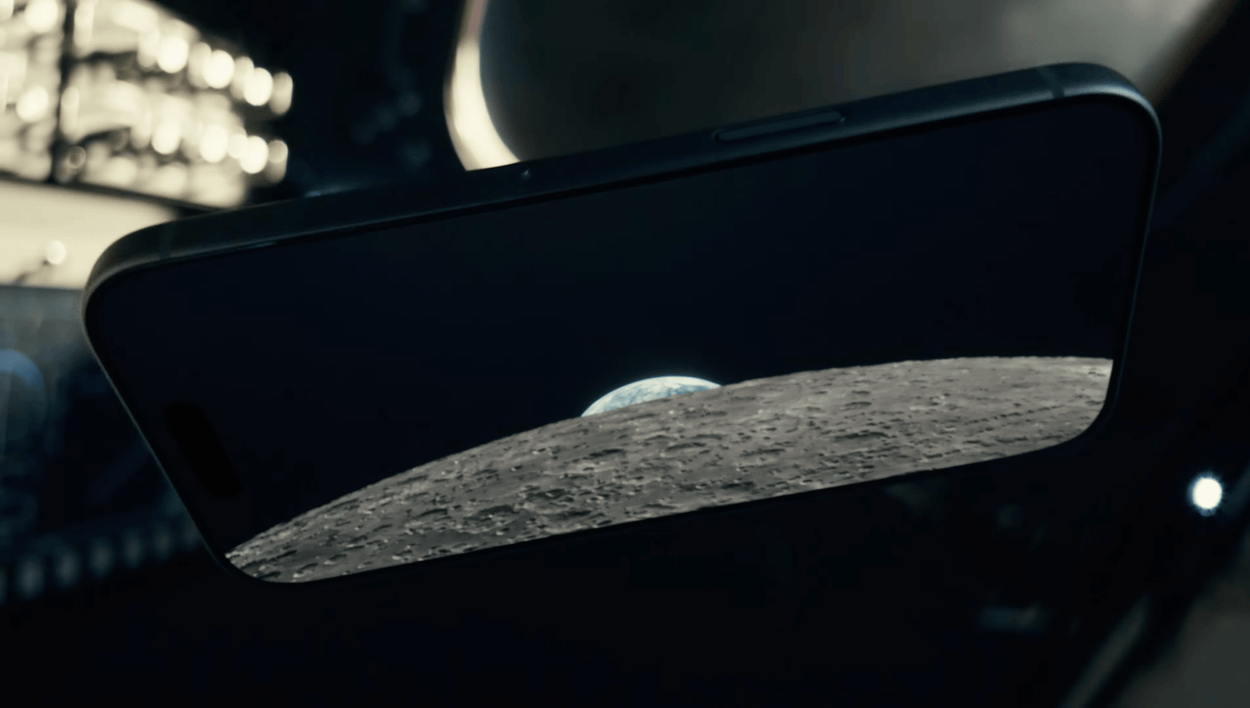
„When you have been to the moon. Where do you go next?“
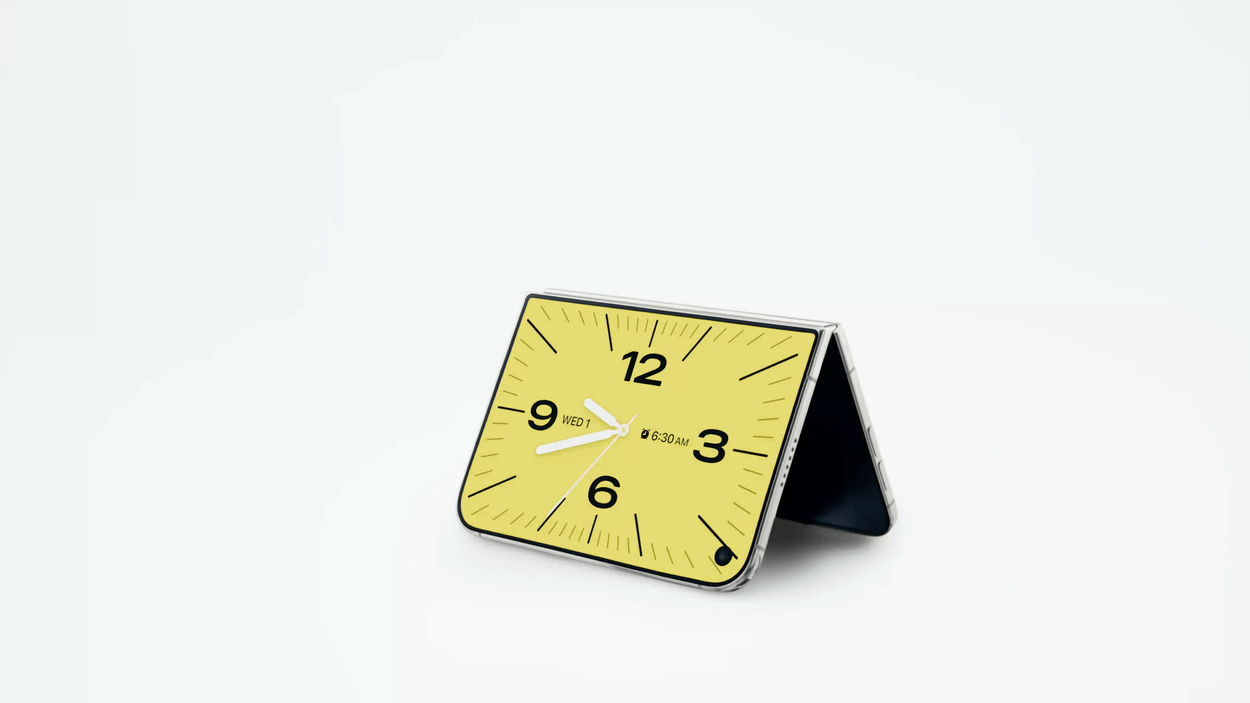
Das Duo zeigt der Industrie den korrekten Fold-Formfaktor – nicht nur mit seiner Reisepassgröße, sondern auch durch die Gleichberechtigung beider Displays. Apples Foldable stellt erstmals die wirklich schwierige Frage: „Warum zwei Bildschirme?“
Das iPhone Air diente mit seiner Hardware im letzten Jahr als vorgeschaltetes Experiment; die Software ist jedoch das Alleinstellungsmerkmal für die neue Form.
Ohne Vorlauf, mit nur wenigen frühzeitig eingeweihten Entwicklerpartnern sowie einer Preismarke, die jeder rechtfertigen muss, wird es zweifellos ein holpriger Anlauf. Wir wissen nicht einmal, ob Apple alle seine eigenen Apps zum Start im Oktober vorbereitet hat.
Und der Preis ist der Preis. Dieses Telefon wird mit seiner zweiten Generation und einem möglicherweise überstandenen RAMageddon nicht günstiger. Der Preis bleibt der Preis.
Deshalb ist die Software so wichtig; sie entscheidet darüber, ob man damit mehr macht als mit Apples wohl bestem iPhone ever – dem 18 Pro (Max).
Diese Animation … „I can’t.“
Die Kompromisse fallen überraschend überschaubar aus. Wer die Pro-Video- und Fotofunktionen vermisst, ist hier nicht die Zielgruppe. Kein Action Button, kein Face ID und das insgesamt reduzierte Kamerasystem werfen trotzdem die Frage auf: Warum mehr bezahlen für weniger?
Plus, Mini und Air hatten nie eine Chance, sich besser zu verkaufen als Apples Standard- und Pro-Modelle. Zugegeben: Das war auch nie ihre Aufgabe.
Aber welche Aufgabe hat das Duo? Es ist zu anders, um nur ein weiteres Modell in der Aufstellung zu sein. Es ist nicht nur eine andere Verpackung der gleichen Idee.
Das ist derzeit nur Marketing; aber ist das auch ein ausgerufenes Ziel? Bleibt es mehr als zwei Generationen im Line-up, um dafür auch nur annähernd eine Chance zu bekommen? Mit dem Duo lebt etwa das Standby-Feature wieder auf, das nach seiner ersten Vorstellung vor drei Jahren quasi vergessen wurde.
Das Duo ist Apples Chance, eigene Produkte zu kannibalisieren – von kleinen iPads bis zu großen Telefonen. Es bietet die Möglichkeit, sich breiter aufzustellen und die Abhängigkeit vom klassischen iPhone-Geschäft auf mehr Schultern zu verteilen.
Deshalb die Frage: Neues iPhone oder tatsächlich neuer Computer?

 Anmelden

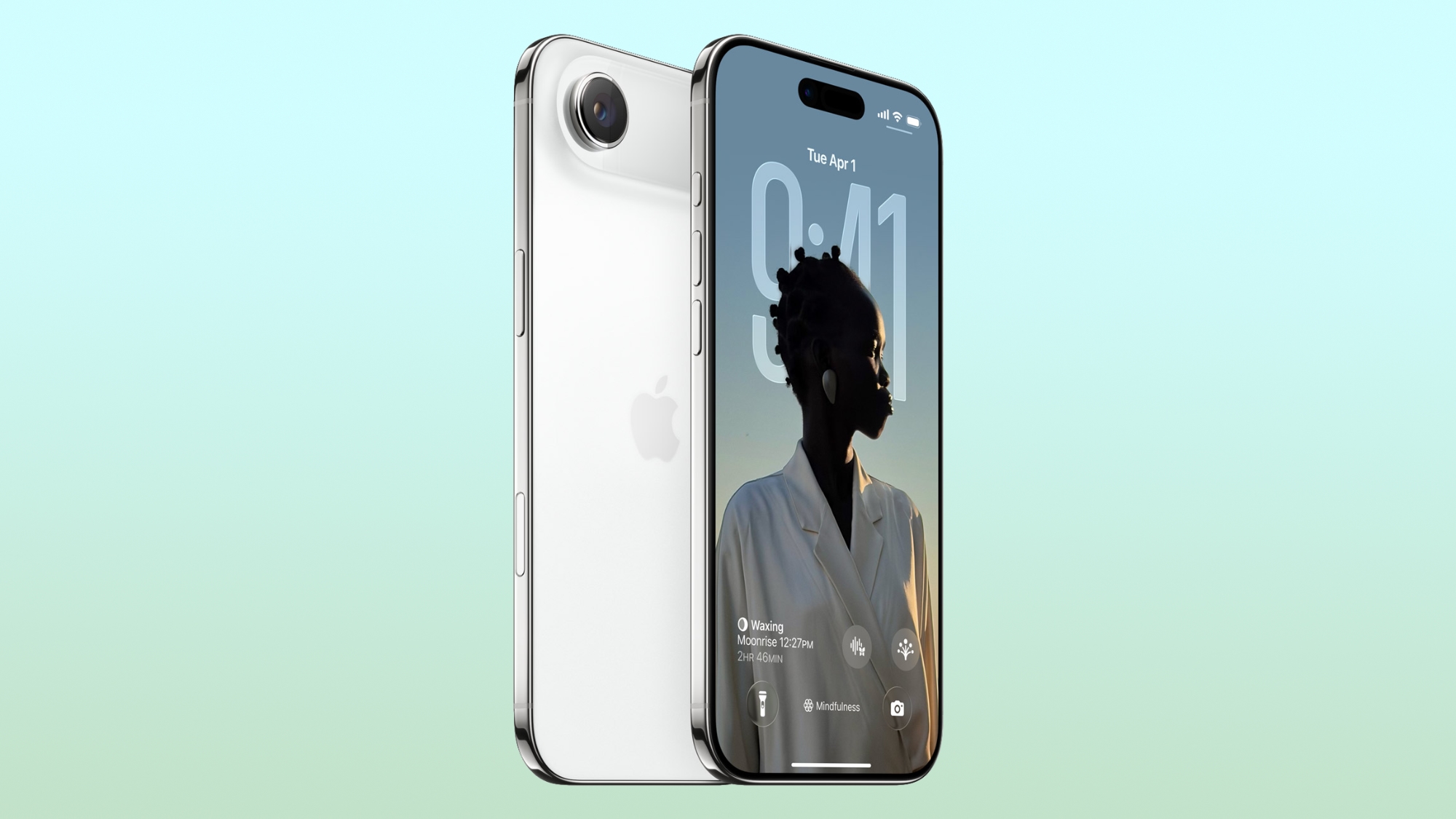 Apple's upcoming iPhone Air 2 will keep the same display specifications as its predecessor so the company can use existing OLED panel inventory, according to Korean publication ETNews. Citing industry sources, the report says new panel orders are expected to be minimal, with Samsung Display the sole supplier for the second-gen model.

 – dem 18 Pro (Max).