“A photograph is of something that actually happened,” McCormack told Wired earlier this year. “It’s really important to us that we create tools that keep the sanctity of that moment.” Still, the executive’s retirement wasn’t related to a disagreement or clash with Apple over its AI strategy, the people said.
McCormack reported to Craig Federighi, Apple’s senior vice president of software engineering, whose organization is under pressure to accelerate AI development and deliver new capabilities more quickly. The retirement leaves Federighi overseeing a leadership transition in a highly specialized area.
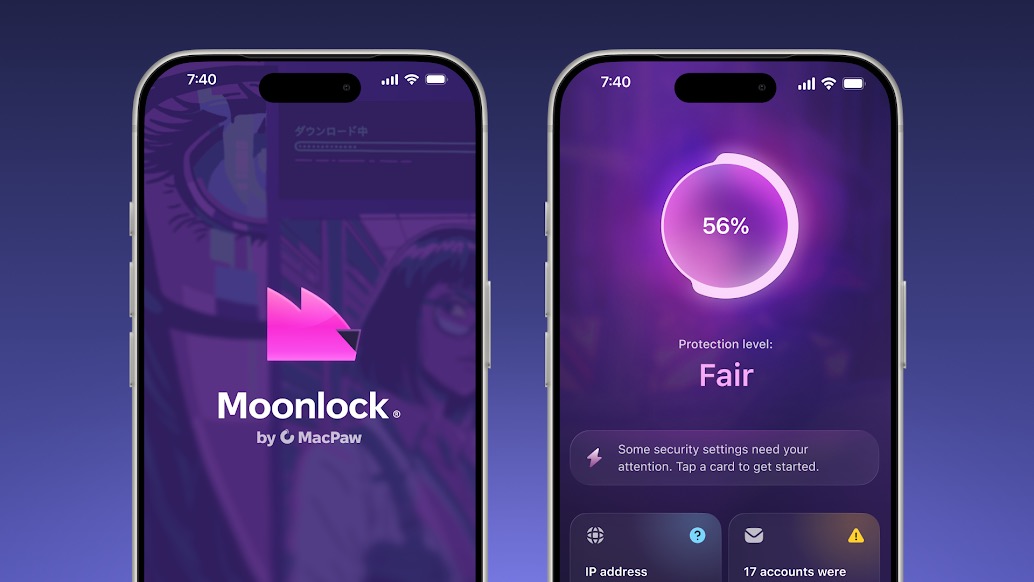
MacPaw today launched its Moonlock cybersecurity app for the iPhone, bringing the company's consumer-focused security features to mobile for the first time.
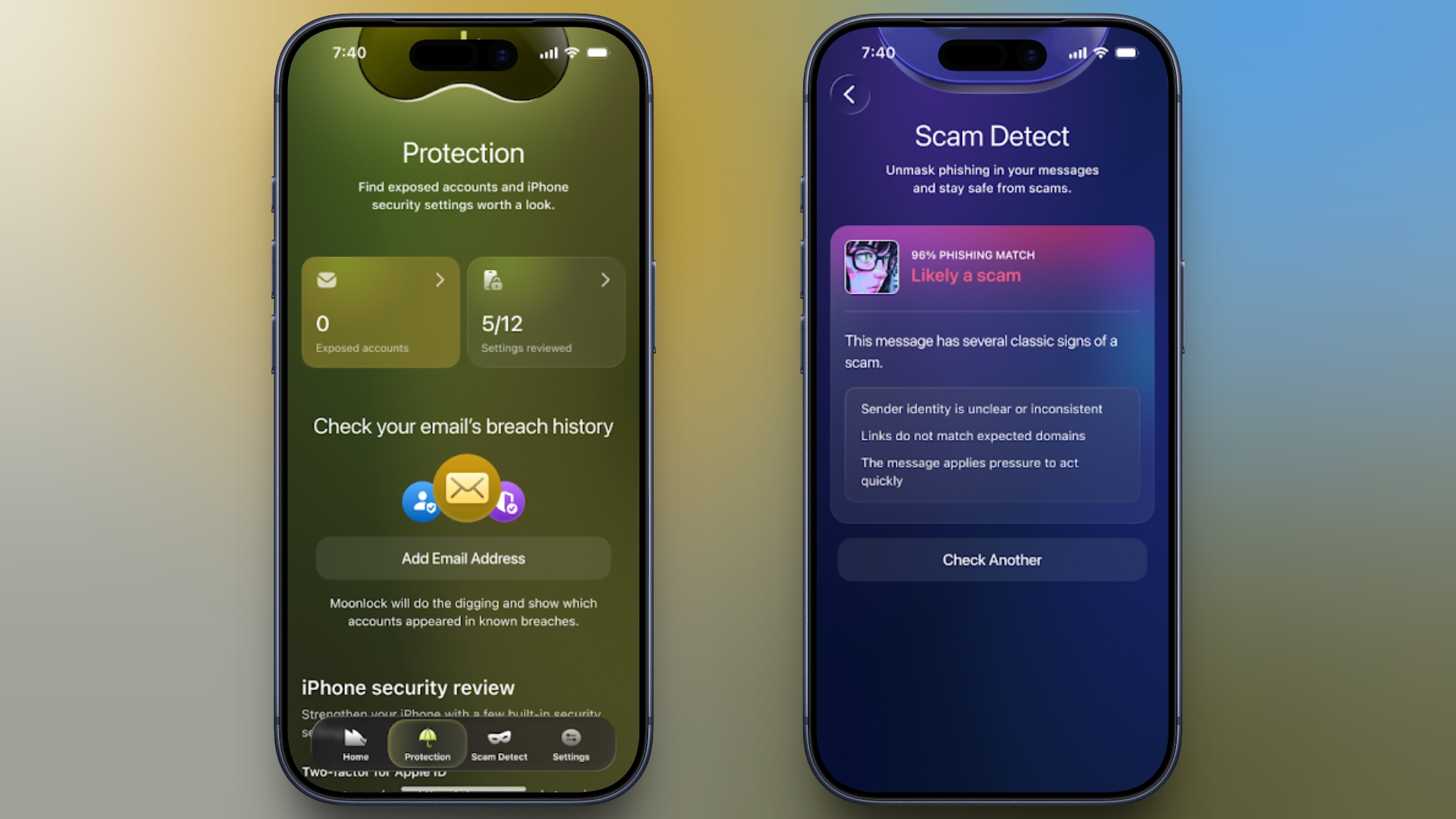
Moonlock is designed to help iPhone users recognize and avoid phishing scams and other online threats, according to the company. For example, one of its key features is Scam Detect, which can check suspicious messages and their contents – like screenshots, links, and QR codes – for signs of phishing.
Users just paste, scan, or share the content directly with Scam Detect, and the Moonlock app will analyze it and provide an assessment explaining why it may be suspicious.
Moonlock includes a number of other security features specific to the iPhone. Safe SMS is an opt-in feature that automatically filters out scam texts, with a record of what was caught and why. Meanwhile, Security Score provides a score from 0 to 100 that reflects the iPhone's security setup, and gives users recommendations on how they can improve it.
With Email Breach History, users can check whether their email address has turned up in a data breach. If so, the feature can reveal the source of the breach, when and what was exposed, and then walk the user through the steps required to secure each affected account.
Moonlock also includes a number of device and network checks, and the app aims to help users review things like their Wi-Fi security, passcode protection, iOS updates, and more, with checklists of recommended one-time actions and step-by-step instructions.
"When we launched Moonlock, our goal was to make cybersecurity something anyone could understand and use. But so much of what people do today, from banking to everyday conversations, happens on their phones. Bringing Moonlock to iPhone felt like the natural next step. We want to help people spot a scam before they tap, see where their security stands, and know exactly what to do next," said Oleg Stukalenko, head of product management at Moonlock by MacPaw.
Moonlock is offered based on a customizable monthly plan with different rates depending on the number of devices covered. For example, a single-device plan costs $13.50 per month, with yearly billing working out at $4.50 per month. Each plan also has a one-time purchase option. With a Setapp subscription, Moonlock is included for both Mac and iPhone, so no separate iPhone purchase or additional account is required. This article, "MacPaw's Moonlock Cybersecurity App Launches for iPhone" first appeared on MacRumors.com
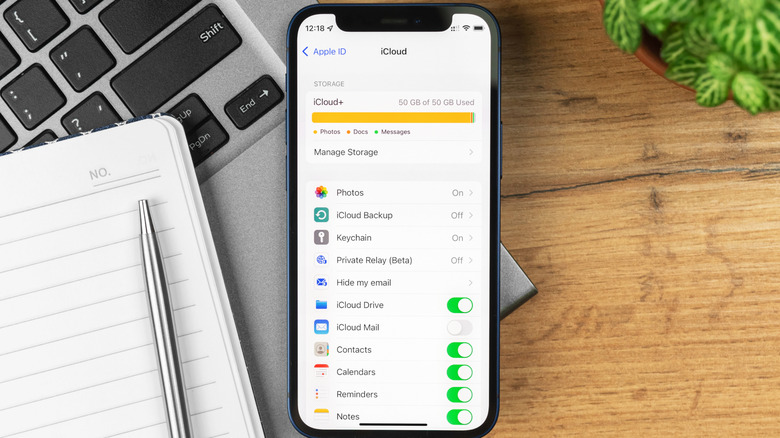
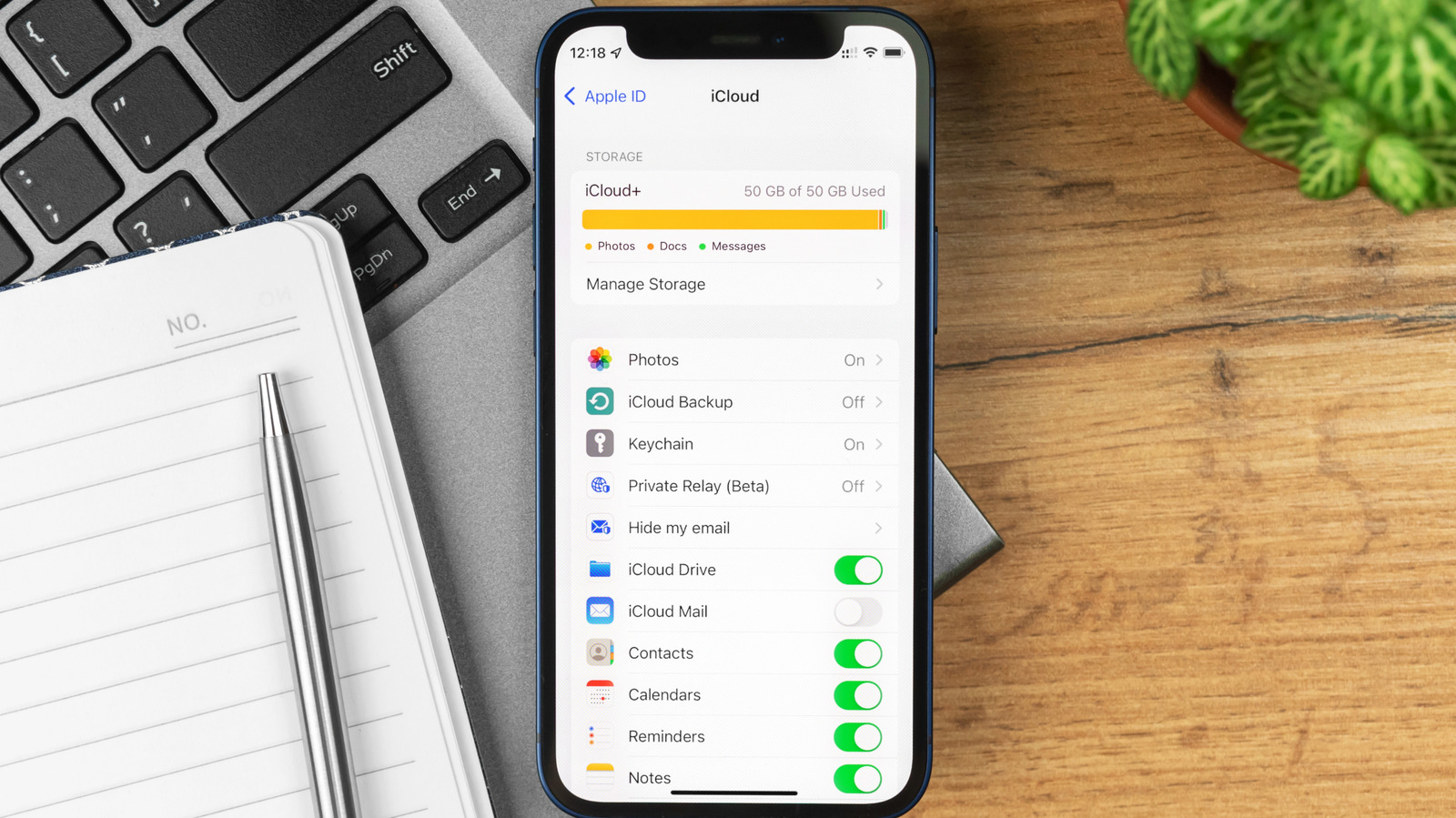
Apple has largely resolved outages affectingiCloud accounts, retail stores, and more, the company said in a statement to Bloomberg. Apple said the outages were due to an unspecified "internal update" and were not caused by a cyberattack. The company is working to get remaining systems online "as soon as possible."
Issues started around 11:45 a.m. ET, with social media reports suggesting users were unable to access their Apple Accounts or sign in to services. Apple retail store systems were also offline, and customers in stores were not able to complete purchases.
The System Status page is still listing issues with iCloud Accounts and Sign In, AppleCare on Device, Apple Business, Apple School Manager, Schoolwork, iCloud Mail, and iCloud Web Apps. Services are listed as slow or unavailable.
Apple Accounts and iCloud sign-ins appear to be experiencing issues, according to multiple social media reports and Apple's System Status page.
Apple says iCloud Account and Sign In may be slow or experiencing issues, but there are no other outages listed on the site.
There are also reports on social media about Apple retail stores and other services like Apple Music and Apple Pay experiencing issues. Anything related to an Apple Account seems to be malfunctioning, with users unable to sign in.
Update 1:10 p.m. ET: Apple's System Status page is listing outages for App Store, Apple Music, and AppleCare on Device, along with the iCloud account issue.
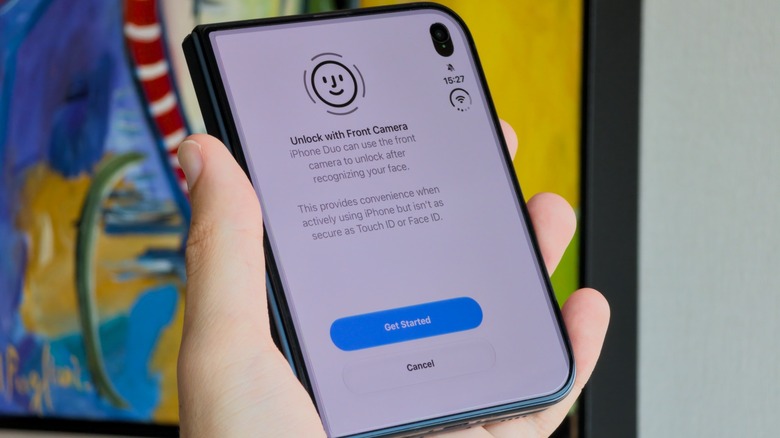
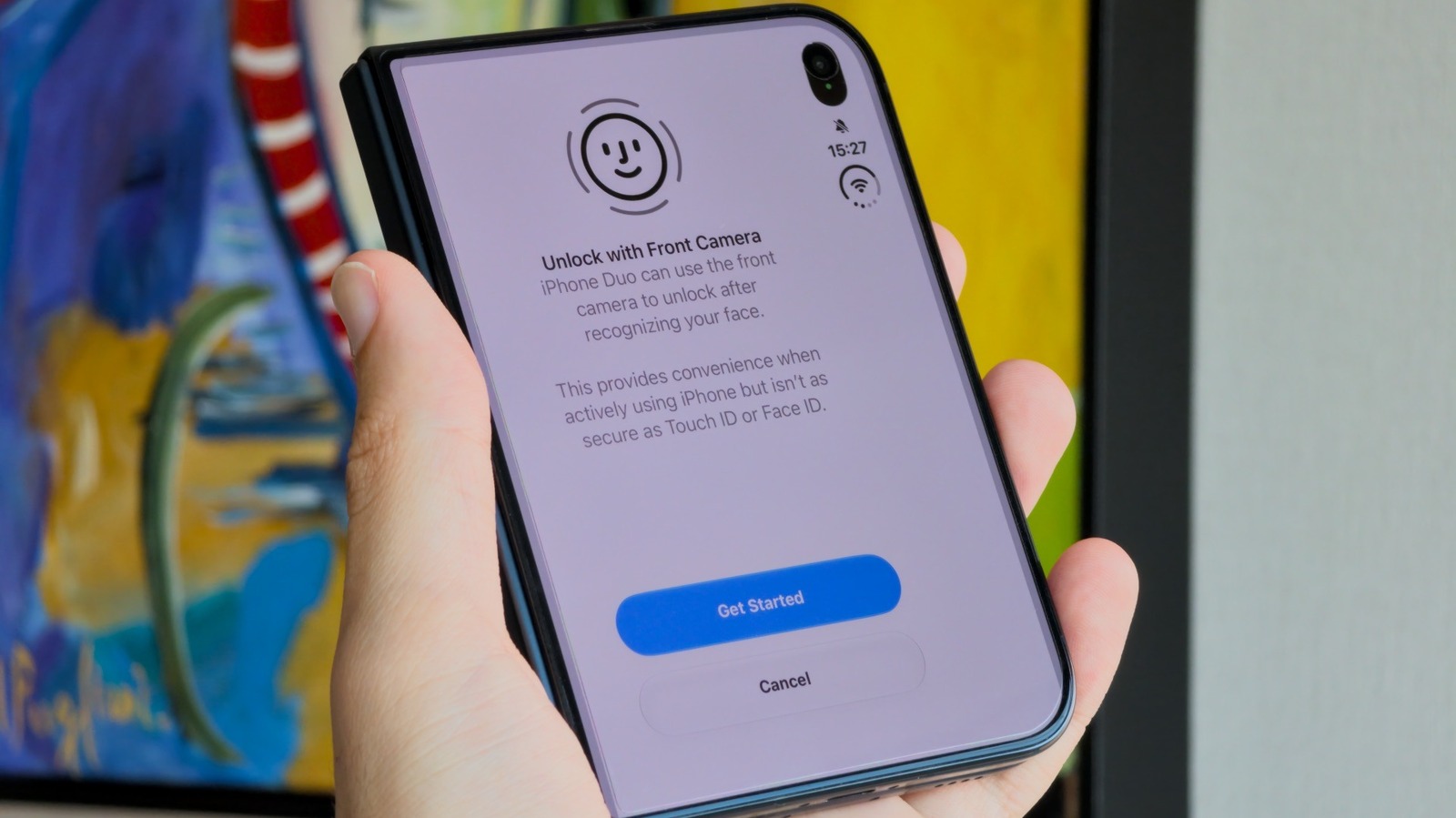
Following a jam-packed couple of months in which it unveiled the iPhone Duo, HomeView, MacBook Pro with PROLED XDR display, and so much more, Apple has likely cleared through its slate of remaining major product announcements this year.
As always, the holiday season should be a relatively quiet time for Apple, and then things will pick back up again in 2027. Already, the company is expected to release at least 18 new products next year, including 20th-anniversary iPhone 20 Pro and iPhone 20 Pro Max models, all-new smart glasses, a larger HomeView, AirPods Pro with cameras, and more.
Below, we have outlined new Apple products that are rumored to launch in 2027, according to Bloomberg's Mark Gurman and rumors from other sources.
iPhone
iPhone 18e: A20 chip, 9GB of RAM, and longer battery life.
iPhone 18: A20 chip, 9GB of RAM, and longer battery life.
iPhone Air 2: A20 Pro chip, Ultra Wide camera, a smaller Dynamic Island, longer battery life, and Apple's C2 modem with mmWave support in the U.S. and "meaningfully faster" upload speeds compared to the current model's C1X modem.
iPhone 20 Pro: A21 Pro chip and new design with "curved glass around all corners and edges" and thinner bezels around the screen.
iPhone 20 Pro Max: A21 Pro chip and new design with "curved glass around all corners and edges" and thinner bezels around the screen.
iPhone Duo 2: Face ID has apparently been tested, but it is unclear if the feature will be finalized in time for the iPhone Duo 2. And based on a recent rumor, the Camera Control button could eventually double as an Action button.
iPad
iPad Pro: M6 chip or M7 chip and a vapor chamber cooling system.
iPad Air: M5 chip, OLED display, thinner and lighter design, and potentially the Acoustic Display feature that debuted on the iPad mini.
iPad: A19 chip with Apple Intelligence support, N1 chip with Wi-Fi 7 support, and Apple's power-efficient C1X modem in cellular models.
Apple Watch
Apple Watch Series 13: A leaker claimed the Apple Watch will be receiving a major redesign next year, and this will apparently include a new way of attaching bands. If so, the Apple Watch Series 13 could have significant changes.
Apple Watch Ultra 5: While an Apple Watch Ultra 5 has yet to be firmly rumored, a new Ultra model has arrived in four out of the past five years.
Mac
MacBook Neo: A19 Pro chip, 12GB of RAM, and potentially new color options.
MacBook Air: M6 chip.
MacBook Pro: An updated 14-inch MacBook Pro base model with an M7 chip and potentially a Dynamic Island and an illuminated Apple logo.
MacBook Pro (PROLED XDR): M7 Pro and M7 Max chips.
Other
AirPods Pro: Built-in cameras for Siri AI and Visual Intelligence.
Apple Glasses: iPhone-connected smart glasses with cameras, microphones, and speakers. Software features: Siri AI, Visual Intelligence, calling and messaging, notification announcements, music playback, and more. Apple is apparently targeting a WWDC 2027 unveiling and late 2027 availability.
HomeView Max: A larger HomeView with a 9-inch screen that can swivel a full 360 degrees on a robotic arm. In the U.S., pricing may start at $999.
Starting today, Apple is making its U.S. website available in Spanish. Customers who have Spanish set as their language will be able to browse apple.com/us-es by default, and anyone will be able to choose Spanish from the country and language selector at the bottom of the website.
While most of the site will be available in Spanish, the Apple Online Store and Financial Services will be in English only. Customers who visit the Apple Online Store can shop in Spanish by contacting an Apple Specialist by phone.
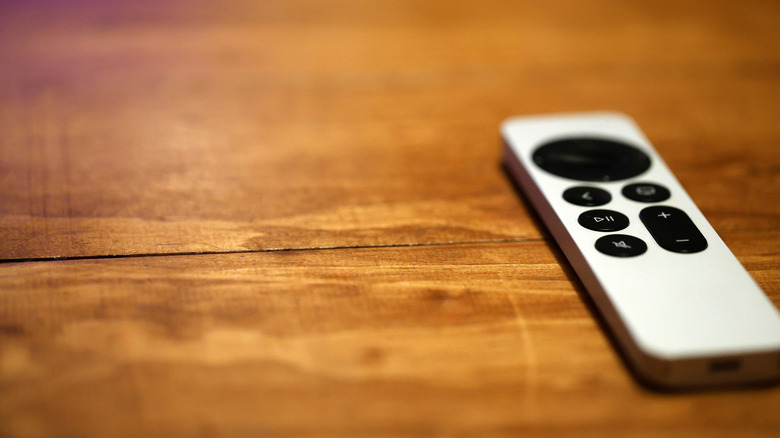
Apple TV now lets you use your iPhone to find a lost remote, with onscreen prompts that guide you closer until you track it down somewhere in your home.
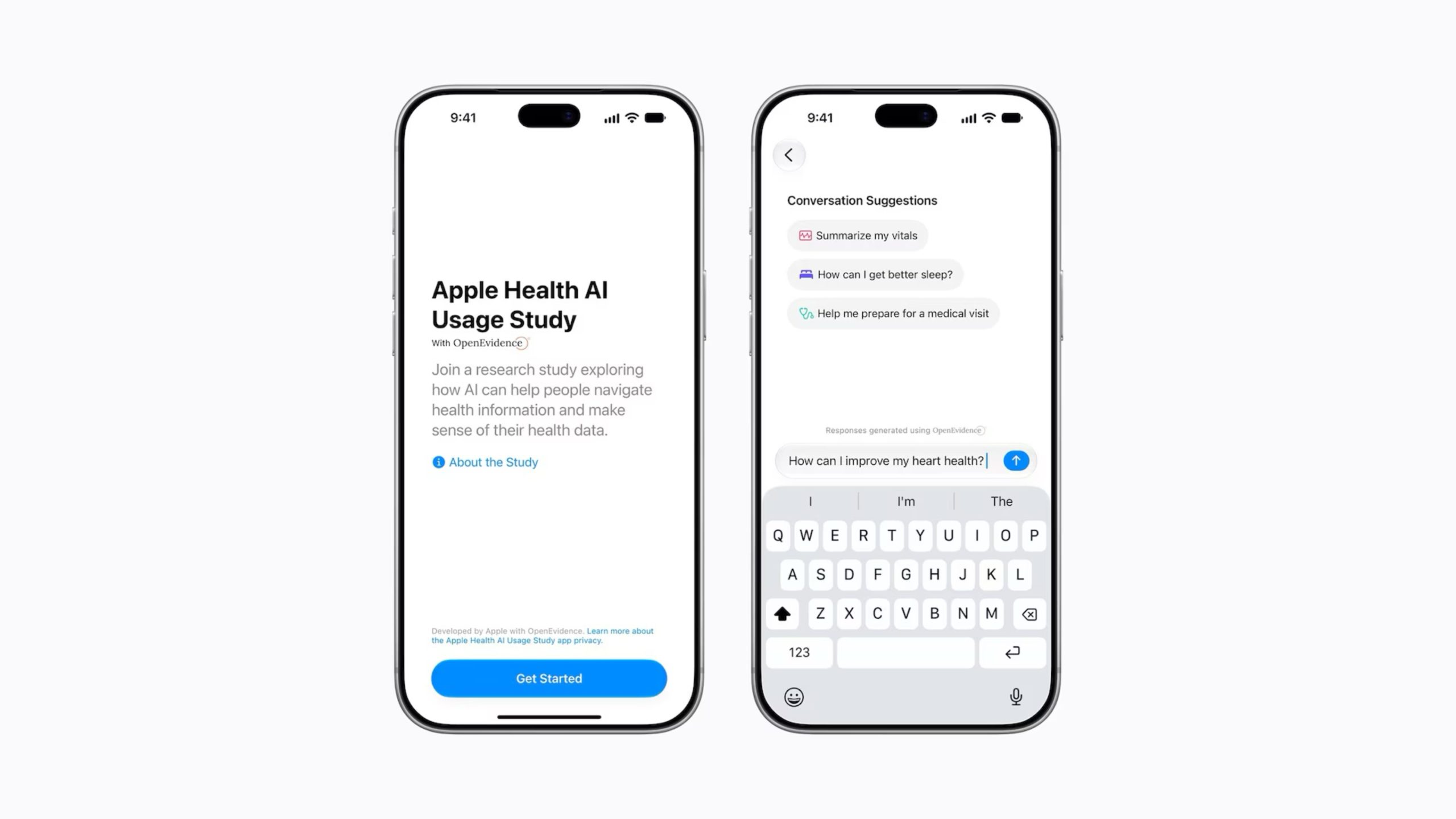
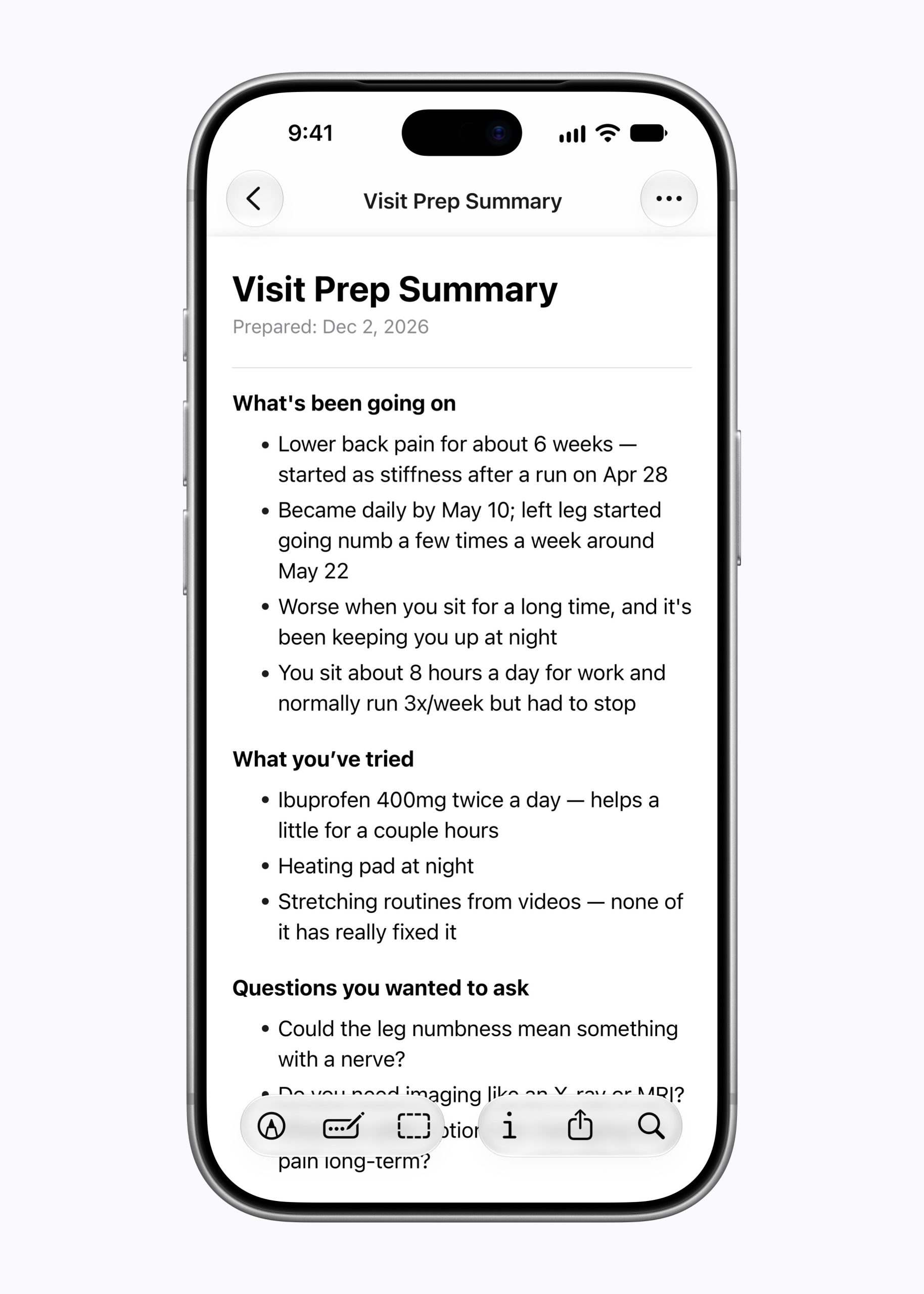
Apple on Sunday announced the launch of an Apple Health AI Usage Study that gives participants access to a dedicated iPhone app that answers everyday health questions using medical research and, optionally, their own Health app data.
Conducted in collaboration with clinical AI company OpenEvidence, the U.S.-only study will examine how people understand and evaluate AI-generated health information, what makes them trust it, and whether it can help them prepare for appointments with their doctors.
"At Apple, we believe responsible innovation starts with scientific rigor and clinical grounding. Health is deeply personal, and conducting a dedicated research study is the most thoughtful way to understand how people engage with, comprehend, and evaluate health AI in everyday life," said Sumbul Desai, M.D., Apple's vice president of Health and Fitness. "Insights from this study will help advance the broader scientific conversation and ensure that as technology evolves, we continue building trusted tools that genuinely support people wherever they are on their health journey."
The app combines OpenEvidence's technology with an Apple-designed research experience, where responses include links to peer-reviewed clinical sources, with information drawn from publications like The New England Journal of Medicine, JAMA, and Nature. Apple says the app presents complex medical information in approachable language.
Participants can choose to share data such as their resting heart rate, activity, sleep, and lab results through HealthKit. The idea is for it to allow researchers to explore whether incorporating personal health information makes answers more relevant and easier to understand. Apple says the app can also help users put Health data in context, understand symptoms or conditions, and build personalized exercise or meal plans.
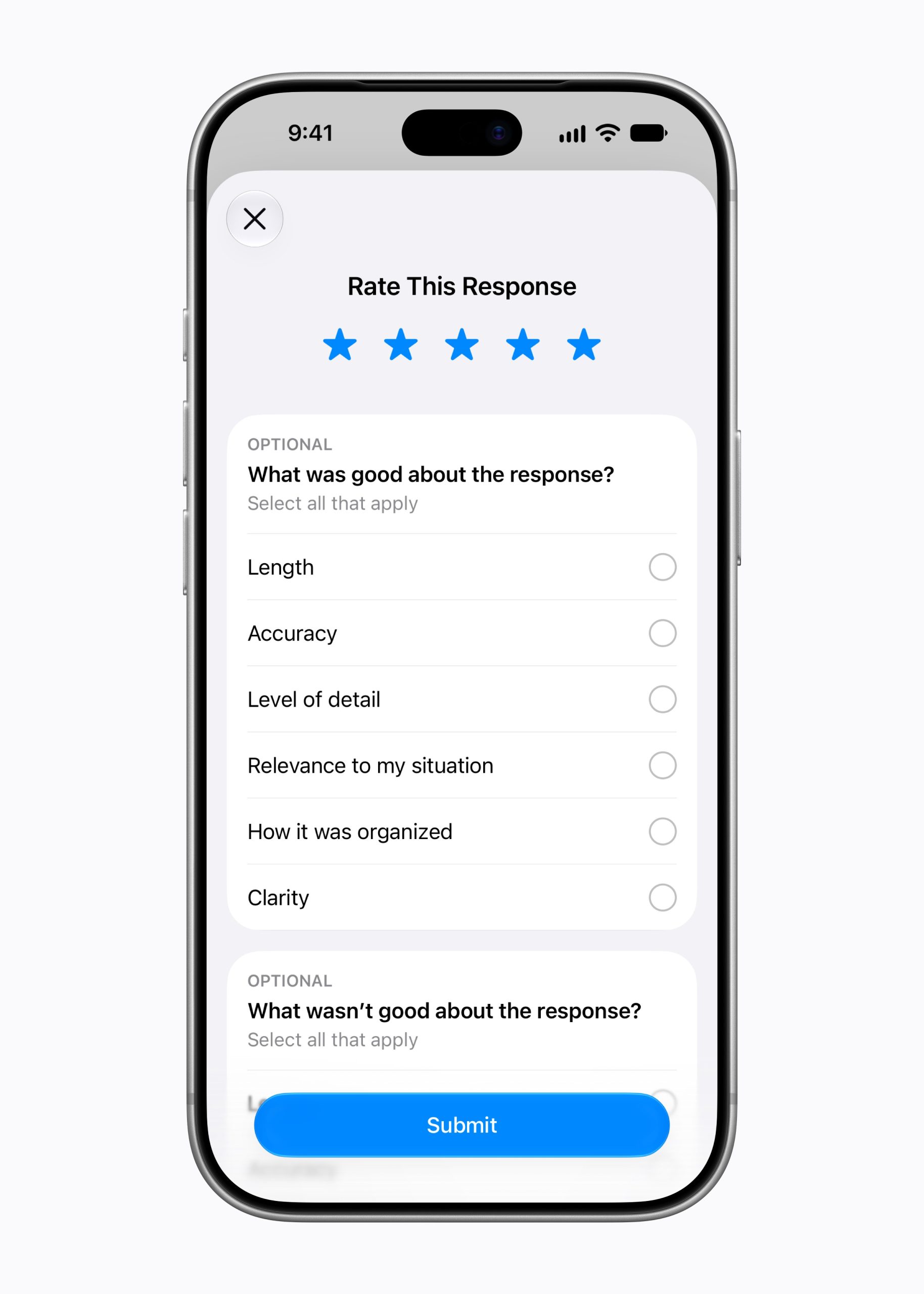
Users can rate responses and complete occasional surveys about their experience, and all questions undergo processing designed to remove identifying information before reaching OpenEvidence, which deletes question-and-response data within 24 hours. Apple says study data will not be used to train AI models, and participants control whether they share HealthKit metrics or survey responses.
"Patients and clinicians are both turning to AI, but the tools they use are being built and tested in separate worlds," said Robert M. Wachter, M.D., UCSF's professor and chair of the Department of Medicine. "When patients and doctors draw on versions of the same trustworthy tools, patients arrive prepared, conversations improve, and next steps happen seamlessly. Connecting these tools, and rigorously studying what works, is how we'll get there."
Apple is keen to stress that health tools powered by large language models can give incomplete or unclear answers, and the app includes safeguards that are meant to detect certain concerning questions and direct users toward a healthcare provider or other resources. The study isn't intended to diagnose or treat conditions, or replace advice from medical professionals.
 Anmelden





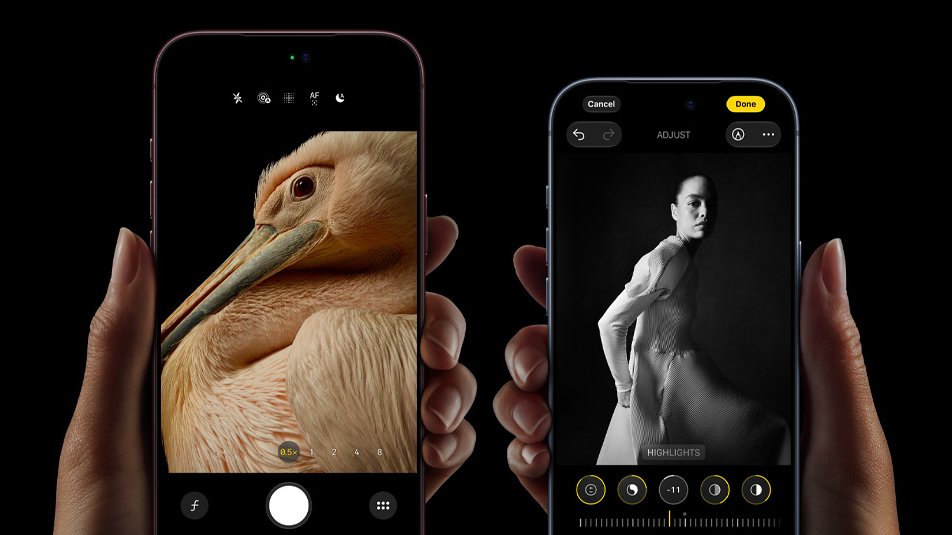 Apple's vice president of camera and photo software engineering Jon McCormack retired at the end of October after more than eight years at the company, according to Bloomberg's Mark Gurman. The report said he oversaw the iPhone's Camera and Photos apps and their underlying technologies, so his departure is notable.