Anmelden

Apple's Smart Glasses Strategy Hinges on Siri and iPhone Apps
15. November 2026 um 18:55
Apple plans to unveil its first smart glasses at WWDC in June 2027 and begin shipping them before the end of the year, according to Bloomberg's Mark Gurman.
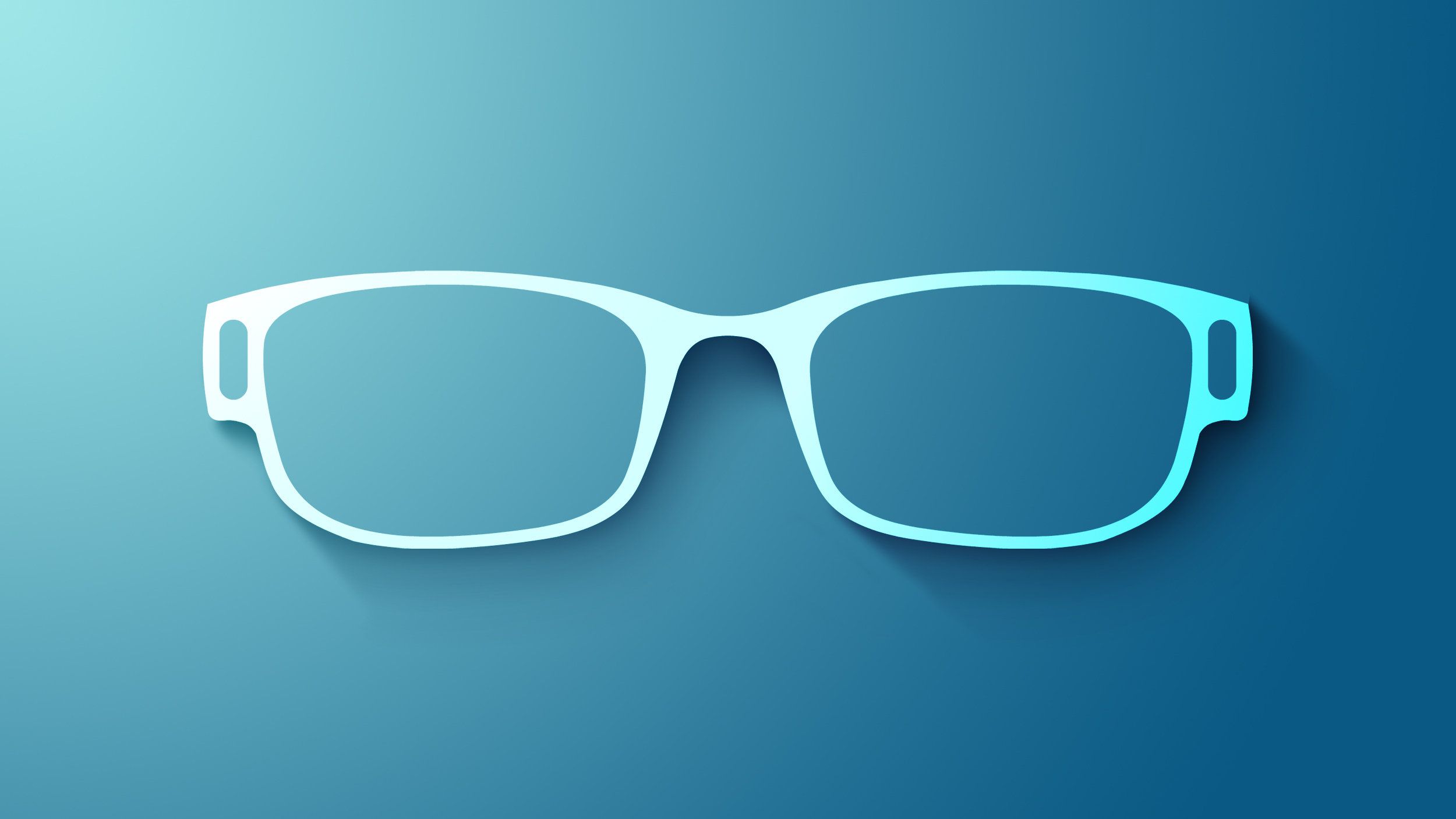
In the latest edition of his "Power On" newsletter, Gurman shared new details about the glasses' design, charging system, and Siri features.
Current prototypes of the glasses, internally code-named "N50," are reportedly slightly thinner than Meta's second-generation Ray-Bans. Some test units have oval camera openings integrated into the frame without protruding housings. A front light indicates use or charging, while Apple is experimenting with additional privacy features.
Apple is apparently developing multiple styles and colors, with an emphasis on materials, sensors, and audio quality. Employees have described the sound as "industry-leading," with the glasses supporting music playback, calls, and FaceTime audio.
Testers can also charge the prototype glasses while wearing them. A flat, three-pin magnetic connector, "roughly the size of a Tic Tac," attaches near the end of the left temple arm. Gurman said it remains unclear whether Apple will use this charging system in the shipping product.
The first model will not display augmented reality imagery. Wearers will interact through Siri, which will use the cameras to answer questions about their surroundings.
Planned uses include identifying buildings, suggesting meals based on ingredients in a refrigerator, providing directions, and translating signs and conversations. Apple also intends to support calls, messages, iPhone notifications, calendars, standard and visual reminders, music controls, and smart home controls.
To support the glasses, developers will need to let Siri control specific features in their iPhone apps. Apple envisions tasks such as booking restaurant tables, requesting rides, ordering coffee, shopping, and purchasing movie tickets working on the device.
Developers will not need to create separate apps for the glasses. Their software will run on a paired iPhone, with the two devices working together to fulfill requests. Current plans require a recent iPhone model, with no Android support. The paired phone will compensate for the glasses' limited processing power and memory.
Wi-Fi will allow certain functions outside third-party apps to remain available without a nearby iPhone. Gurman suggested audio playback could theoretically continue over Wi-Fi, although the glasses will not function as a fully independent device.
Internal prototypes purportedly run a reduced version of visionOS 28 and contain a processor derived from older Apple Watch chips. Other custom components handle wireless connectivity and process images as the cameras capture them.
Apple began introducing the necessary Siri controls in this month's first iOS 27.3 beta, enabling more precise control of app actions. Originally demonstrated in 2024, the capability has been rebuilt using newer AI models. Apple plans to release support for its own apps in December, followed by third-party support in 2027.
Apple wants developers to prepare those integrations before the glasses arrive and continues to target a WWDC announcement next year. The company sees access to its existing app ecosystem as a major selling point against rival smart glasses.
The device will also overlap with camera-equipped AirPods, which remain scheduled for launch in late 2027 and will also provide Siri with information about the user's surroundings. The glasses should offer longer battery life and accommodate more sensors, with Apple seeing the potential for them to be worn throughout the day.
Work on the glasses started in the early 2020s, and Apple is said to have largely settled on the hardware. The remaining obstacles involve software and AI, which Gurman said are running late and could delay the planned 2027 launch.
This article, "Apple's Smart Glasses Strategy Hinges on Siri and iPhone Apps" first appeared on MacRumors.com
Discuss this article in our forums
In the latest edition of his "Power On" newsletter, Gurman shared new details about the glasses' design, charging system, and Siri features.
Current prototypes of the glasses, internally code-named "N50," are reportedly slightly thinner than Meta's second-generation Ray-Bans. Some test units have oval camera openings integrated into the frame without protruding housings. A front light indicates use or charging, while Apple is experimenting with additional privacy features.
Apple is apparently developing multiple styles and colors, with an emphasis on materials, sensors, and audio quality. Employees have described the sound as "industry-leading," with the glasses supporting music playback, calls, and FaceTime audio.
Testers can also charge the prototype glasses while wearing them. A flat, three-pin magnetic connector, "roughly the size of a Tic Tac," attaches near the end of the left temple arm. Gurman said it remains unclear whether Apple will use this charging system in the shipping product.
The first model will not display augmented reality imagery. Wearers will interact through Siri, which will use the cameras to answer questions about their surroundings.
Planned uses include identifying buildings, suggesting meals based on ingredients in a refrigerator, providing directions, and translating signs and conversations. Apple also intends to support calls, messages, iPhone notifications, calendars, standard and visual reminders, music controls, and smart home controls.
To support the glasses, developers will need to let Siri control specific features in their iPhone apps. Apple envisions tasks such as booking restaurant tables, requesting rides, ordering coffee, shopping, and purchasing movie tickets working on the device.
Developers will not need to create separate apps for the glasses. Their software will run on a paired iPhone, with the two devices working together to fulfill requests. Current plans require a recent iPhone model, with no Android support. The paired phone will compensate for the glasses' limited processing power and memory.
Wi-Fi will allow certain functions outside third-party apps to remain available without a nearby iPhone. Gurman suggested audio playback could theoretically continue over Wi-Fi, although the glasses will not function as a fully independent device.
Internal prototypes purportedly run a reduced version of visionOS 28 and contain a processor derived from older Apple Watch chips. Other custom components handle wireless connectivity and process images as the cameras capture them.
Apple began introducing the necessary Siri controls in this month's first iOS 27.3 beta, enabling more precise control of app actions. Originally demonstrated in 2024, the capability has been rebuilt using newer AI models. Apple plans to release support for its own apps in December, followed by third-party support in 2027.
Apple wants developers to prepare those integrations before the glasses arrive and continues to target a WWDC announcement next year. The company sees access to its existing app ecosystem as a major selling point against rival smart glasses.
The device will also overlap with camera-equipped AirPods, which remain scheduled for launch in late 2027 and will also provide Siri with information about the user's surroundings. The glasses should offer longer battery life and accommodate more sensors, with Apple seeing the potential for them to be worn throughout the day.
Work on the glasses started in the early 2020s, and Apple is said to have largely settled on the hardware. The remaining obstacles involve software and AI, which Gurman said are running late and could delay the planned 2027 launch.
Related Roundup: AirPods Pro 3
Buyer's Guide: AirPods Pro (Neutral)
Related Forum: AirPods
This article, "Apple's Smart Glasses Strategy Hinges on Siri and iPhone Apps" first appeared on MacRumors.com
Discuss this article in our forums