Anmelden

Some OLED MacBook Pro Owners Report Eye Strain and Dizziness
16. November 2026 um 18:51
Some owners of Apple's new MacBook Pro with PROLED XDR display say they experience eye strain, headaches, and dizziness when using the laptop, with affected users pointing to the screen's brightness-control system as a possible explanation.
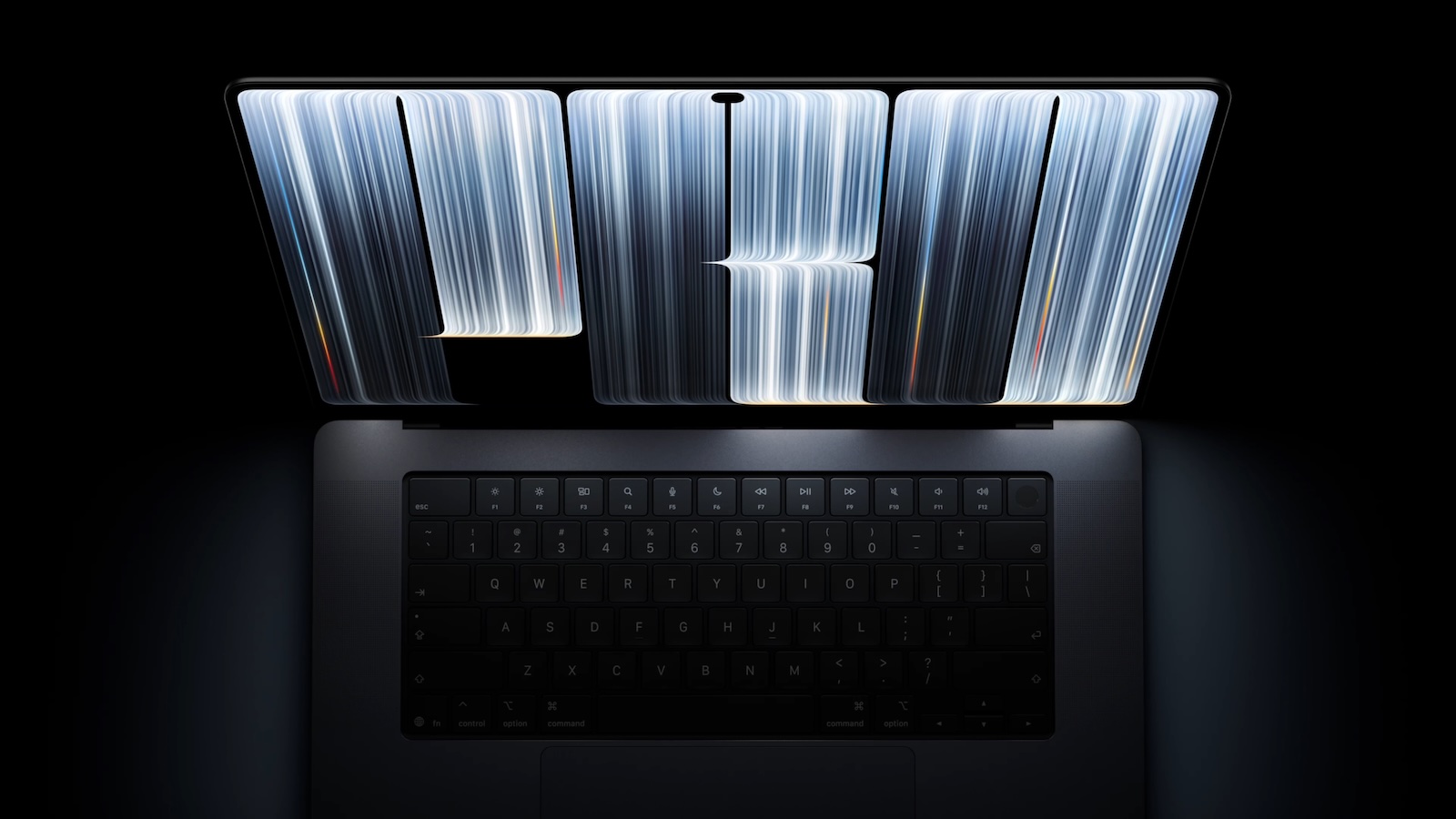
A significant number of complaints have appeared on Reddit, X, and the MacRumors forums since the new models launched earlier this month. The discussions on MacRumors include a dedicated PWM thread, a separate owner poll, and comments in the reviews and display-details threads.
On X, one user said trying the PROLED MacBook Pro in an Apple Store for around 30 minutes left them with a severe headache. The user said they had previously struggled with OLED screens before finding newer implementations tolerable, and called for an option to change the Mac's dimming behavior.
A Reddit user described how reading text, especially against a black background, brought on dizziness and nausea. They said their OLED iPad Pro did not produce the same symptoms. In the main MacRumors forum thread, a 16-inch PROLED owner reported a headache and mild nausea that began to ease after switching back to a mini-LED MacBook Pro. Another member, posting in the separate poll thread, said they were returning their PROLED laptop for similar reasons after previously having no difficulty with OLED devices.
The suspected issue is pulse width modulation (PWM). An OLED screen produces light through its individual pixels. With PWM dimming, the display changes the time spent at brighter and darker levels during a rapidly repeating cycle. Spending less time at the brighter level reduces the average amount of light reaching the viewer, making the screen look dimmer.
Those fluctuations can occur too quickly to look like an obvious flashing screen, but some people report discomfort with displays that use them. PWM frequency describes how often the brightness cycle repeats. It is different from refresh rate, which is how often the displayed image updates, so a 120Hz ProMotion specification does not tell you the screen's PWM frequency.
Notebookcheck's testing of the 14-inch PROLED MacBook Pro recorded 240Hz flickering whenever brightness was set to 99% or lower, with a measured amplitude of 56%. In other words, the light output fluctuated 240 times per second, and the amplitude describes the size of those fluctuations. The publication warned that sensitive users could experience eye strain or headaches due to the specification.
Mini-LED MacBook Pro displays also use brightness modulation, but Notebookcheck measured a much higher frequency of 14,880Hz on the 14-inch M4 Pro model. Such rapid fluctuations are generally less likely to cause discomfort for PWM-sensitive users.
Apple already provides a Display Pulse Smoothing accessibility option on supported iPhones. The setting offers another way to dim the OLED screen at low brightness, although Apple cautions that it can affect display performance under some conditions. macOS does not offer an equivalent control, but Apple could add one in the future.
The OLED MacBook Pro models start at $2,899 for the 14-inch version and $3,399 for the 16-inch version. Apple continues to sell the mini-LED models alongside them.
This article, "Some OLED MacBook Pro Owners Report Eye Strain and Dizziness" first appeared on MacRumors.com
Discuss this article in our forums
A significant number of complaints have appeared on Reddit, X, and the MacRumors forums since the new models launched earlier this month. The discussions on MacRumors include a dedicated PWM thread, a separate owner poll, and comments in the reviews and display-details threads.
On X, one user said trying the PROLED MacBook Pro in an Apple Store for around 30 minutes left them with a severe headache. The user said they had previously struggled with OLED screens before finding newer implementations tolerable, and called for an option to change the Mac's dimming behavior.
A Reddit user described how reading text, especially against a black background, brought on dizziness and nausea. They said their OLED iPad Pro did not produce the same symptoms. In the main MacRumors forum thread, a 16-inch PROLED owner reported a headache and mild nausea that began to ease after switching back to a mini-LED MacBook Pro. Another member, posting in the separate poll thread, said they were returning their PROLED laptop for similar reasons after previously having no difficulty with OLED devices.
The suspected issue is pulse width modulation (PWM). An OLED screen produces light through its individual pixels. With PWM dimming, the display changes the time spent at brighter and darker levels during a rapidly repeating cycle. Spending less time at the brighter level reduces the average amount of light reaching the viewer, making the screen look dimmer.
Those fluctuations can occur too quickly to look like an obvious flashing screen, but some people report discomfort with displays that use them. PWM frequency describes how often the brightness cycle repeats. It is different from refresh rate, which is how often the displayed image updates, so a 120Hz ProMotion specification does not tell you the screen's PWM frequency.
Notebookcheck's testing of the 14-inch PROLED MacBook Pro recorded 240Hz flickering whenever brightness was set to 99% or lower, with a measured amplitude of 56%. In other words, the light output fluctuated 240 times per second, and the amplitude describes the size of those fluctuations. The publication warned that sensitive users could experience eye strain or headaches due to the specification.
Mini-LED MacBook Pro displays also use brightness modulation, but Notebookcheck measured a much higher frequency of 14,880Hz on the 14-inch M4 Pro model. Such rapid fluctuations are generally less likely to cause discomfort for PWM-sensitive users.
Apple already provides a Display Pulse Smoothing accessibility option on supported iPhones. The setting offers another way to dim the OLED screen at low brightness, although Apple cautions that it can affect display performance under some conditions. macOS does not offer an equivalent control, but Apple could add one in the future.
The OLED MacBook Pro models start at $2,899 for the 14-inch version and $3,399 for the 16-inch version. Apple continues to sell the mini-LED models alongside them.
Related Roundup: MacBook Pro
Tag: OLED
Buyer's Guide: MacBook Pro (Buy Now)
Related Forum: MacBook Pro
This article, "Some OLED MacBook Pro Owners Report Eye Strain and Dizziness" first appeared on MacRumors.com
Discuss this article in our forums