❌

Lese-Ansicht

Siri AI Rumored to Become 'More Like an Agent' as Early as Next Year

Siri AI is much more intelligent and personalized compared to classic Siri, but it is still not nearly as advanced as proactive, always-on agents like OpenAI's Dots and Meta's Muse. That may change, though, according to a new rumor.

In his Power On newsletter today, Bloomberg's Mark Gurman said he was told that Apple could make Siri function "more like an agent" as early as next year. However, if this plan moves forward, the exact implementation remains to be seen.

"Dots, Muse and Grok can keep track of goals, determine what needs to happen next and continue pursuing objectives without the user initiating every individual step," said Gurman. "Apple ultimately wants to go in this direction, I'm told, and I believe the company could make Siri more like an agent as early as next year."

Apple's AI ambitions could go beyond making Siri more agentic. In a closed-door meeting in recent weeks, Gurman said that Apple CEO John Ternus told Apple's software engineering chief Craig Federighi that Apple needs to "accelerate" its software roadmap and "move quickly beyond merely making necessary improvements to Siri."
This article, "Siri AI Rumored to Become 'More Like an Agent' as Early as Next Year" first appeared on MacRumors.com

Discuss this article in our forums
  •  

Apple Announces a New Mac Sales Record

On an earnings call earlier this week, Apple CEO John Ternus announced that the company sold more Macs in its 2026 fiscal year than any previous fiscal year. "We have never sold more Macs in a fiscal year than we did this time, which is a truly remarkable testament to these incredible products," he said.

This record is all the more impressive given that several Mac models have faced supply constraints this year. Apple's CFO Kevan Parekh said Mac sales have been driven by the popularity of the MacBook Neo and MacBook Pro lately.
Related Roundups: MacBook Neo, MacBook Pro
Related Forums: MacBook Neo, MacBook Pro

This article, "Apple Announces a New Mac Sales Record" first appeared on MacRumors.com

Discuss this article in our forums

  •  

PROLED: „Because we can!“

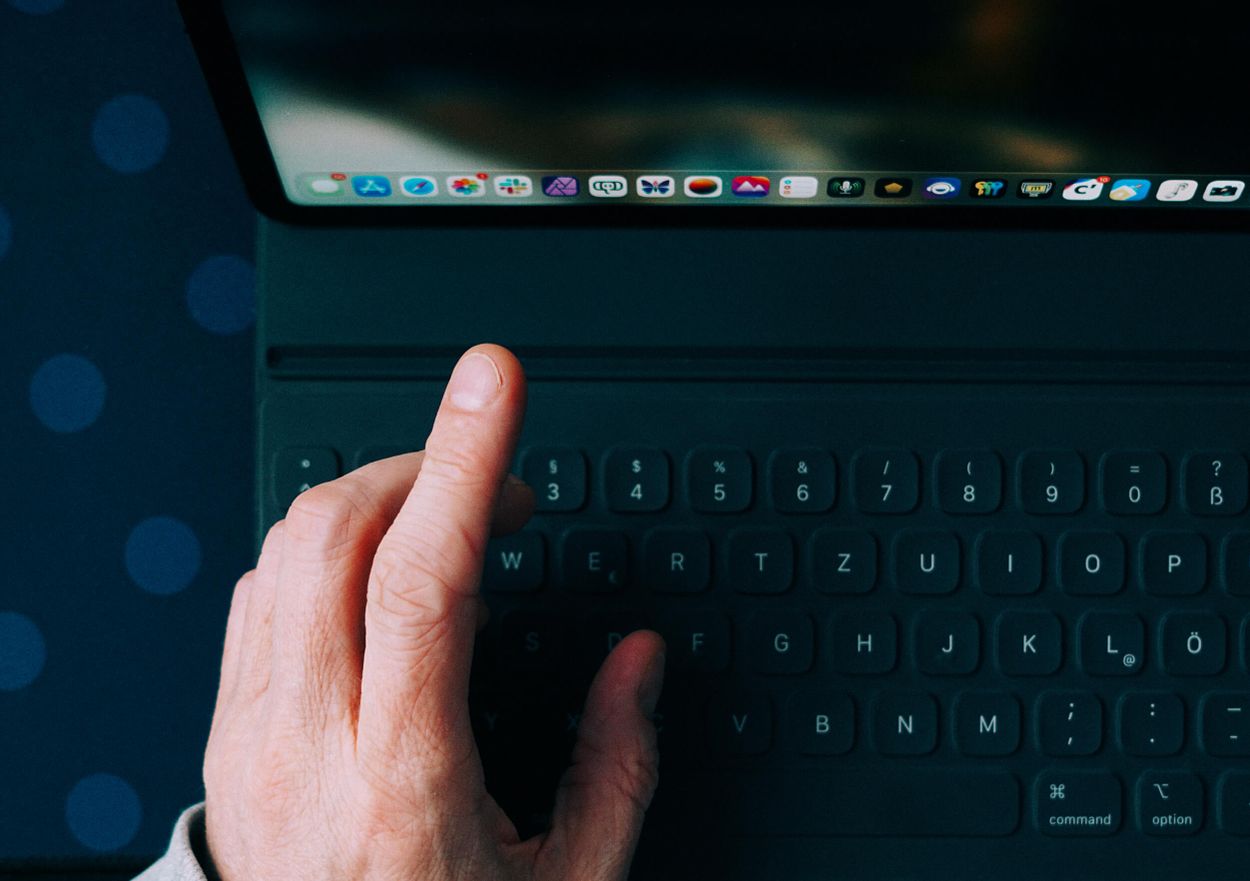
Weniger klicken, mehr tippen: Vor ein paar Wochen bin ich am iPad zum Smart Keyboard Folio zurückgekehrt – dem Vorgänger der Magic Keyboards, ohne Trackpad. Für jede Interaktion mit iPadOS hebt man dort dann seinen Arm und zieht die Finger über den Screen.

A person's left hand hovers above the dark keyboard of a tablet or laptop with the screen partially visible, showing several app icons along the top edge.

Ihr glaubt zu wissen, worauf ich hinauswill, aber seine Finger auszustrecken, Michelangelo-Style, ist überhaupt nicht das Problem, weil ich das iPad dann abziehe. Die Einschränkung beim MacBook ist der „permanente Laptop-Formfaktor“: die Untrennbarkeit von Hackbrett und Touchscreen, die die direkte Manipulation in ihrem vollen Umfang einschränkt.

Fürs neue PROLED ändert Apple nicht den Formfaktor, sondern flanscht Touch dran. Zugegeben: sehr elegant drangeflanscht. Ich bin mir sicher, dass dieses MacBook Pro ausgesprochen exzellent ist.

Warum aber Touch? Das konnte niemand aus Apples Chefetage so richtig sagen; man betonte allem voran die technische Umsetzung.

Mir fehlt die Weitsicht, zu erkennen, was berührungsempfindliche Bildschirme für macOS in dieser Form (!) für ein Problem lösen. Was ist ihr konkreter Anwendungsfall?

Mich kümmern wirklich keine alten Statements oder gescheiterten Experimente – für neue, abgedrehte Hardware stelle ich mich sofort in die Verkaufsschlange. Bitte mehr davon!

Und vielleicht ist das MacBook nur der Auftakt; vielleicht muss jeder Screen zukünftig zu berühren sein.

Aber ich frage mich schon so grundsätzlich: „What’s the game plan?“ iPadOS darf nicht in Laptop-Hardware und macOS nicht auf einen Touchscreen ohne Tastatur?

Nur Touch einzubauen, klingt nach der Idee von einem „hardware guy“, nicht nach „something that other people are not doing“. Es klingt derzeit nach: „Because we can“.

  •  

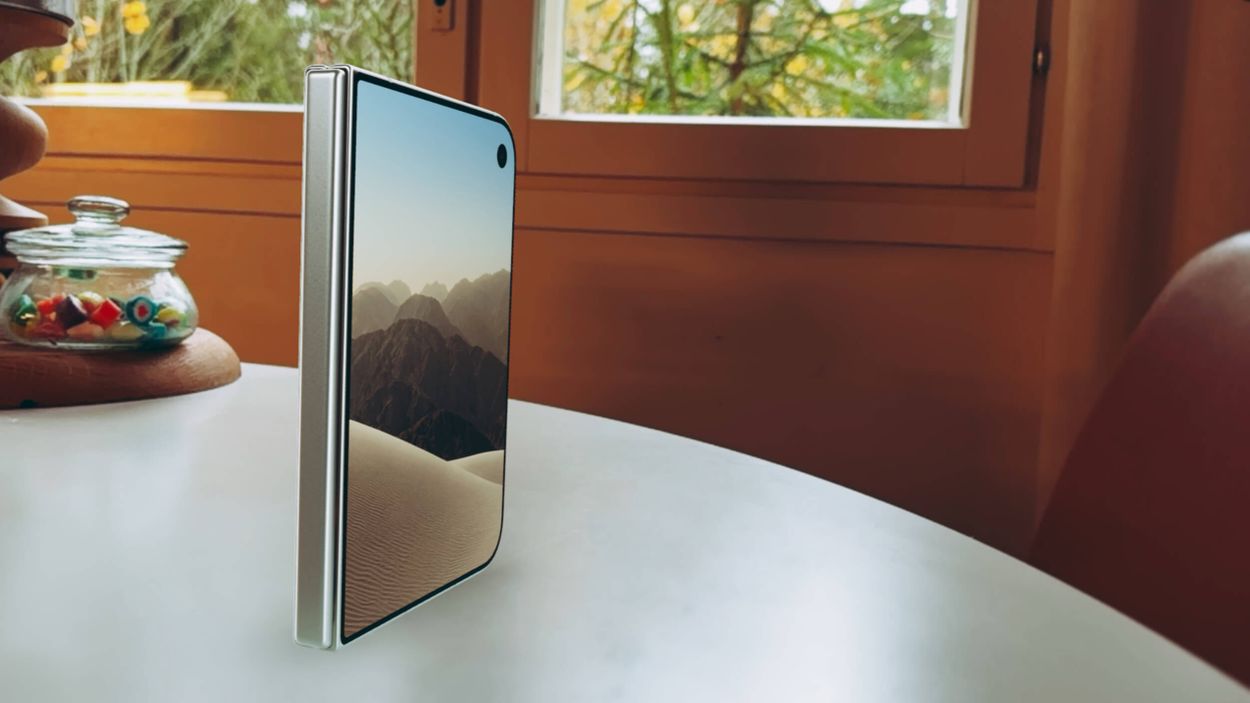
iPhone Duo – „nothing short of extraordinary“ – ab 2027

A modern foldable smartphone in a partially folded state standing upright on a round white table. The screen displays a desert landscape with mountains and a clear sky.

„Versand in 2027“ – für Apple zumindest ein verstolperter Start.

Natürlich machen sie viel gute Miene, während hinter der Bühne sicherlich Himmel und Hölle in Bewegung sind. Und klar, diese Vorbestellungen sind im besten Fall nur aufgeschoben.

Bei einer Lieferzeit von mittlerweile drei Monaten werden viele solcher Kaufabsichten aber nicht nur aufgeschoben, sondern gänzlich aufgehoben. In den Stückzahlen, in denen Apple Produkte verkauft, schlagen einige Tage und wenige Wochen bereits signifikant in den Umsatzbüchern auf – oder halt nicht.

Schuldzuweisungen von außen bleiben kaum möglich; niemand weiß, wie hoch die Bestände sind und über welche Nachfrage wir spekulieren. In komplett eigener Hand hatten sie jedoch den Starttermin sowie die Entscheidung über eine länderspezifische Verfügbarkeit.

Beides lief jedoch genau so ab, wie in normalen iPhone-Jahren zuvor.

Natürlich musste das Duo getrennt vom iPhone 18 Pro starten – medial wäre das wirklich exzellente Telefon sonst komplett untergegangen. Länger als einen Monat wollte Apple aber scheinbar nicht warten …

Auch regional zog Apple keine Grenzen: Das Duo startet zeitgleich selbst in meinem Finnland, wohlgemerkt ein Land ohne offiziellen Apple Store …

Ladengeschäfte und Online Stores gelten bei Apple als zwei getrennte Firmen. Gefühlt genießt Retail oft eine höhere Priorität für die Verfügbarkeit von neuen Produkten. Absolut nachvollziehbar: Kund:innen vor Ort will man nicht mit leeren Händen wegschicken; online muss man (psychologisch) ohnehin warten.

Dass es scheinbar aber auch in den Ladengeschäften schwierig werden könnte zeitnah ein Duo mitzunehmen, unterstreicht die eingeschränkte Verfügbarkeit bei einer nicht bekannten Nachfrage. Diese Nachfrage, gepaart mit dem Produktionsanlauf, spielen sicherlich beide eine Rolle bei der Verzögerung.

Insbesondere im US-Markt gilt: Wer bis zu 1.500 US-Dollar für sein nächstes Telefon eingeplant hat, sieht die 2.000 US-Dollar-Marke zumindest in greifbarer Nähe. Und wenn man beim Mobilfunker auf Raten zahlt, ist der höhere Monatspreis oft nur eine Fußnote.

Man könnte argumentieren: Wenn Apple wusste, dass sie nur eine sehr überschaubare Stückzahl anbieten können, nimmt man schlicht den Hype mit.

So funktioniert das aber nicht. Apple will Geräte verkaufen und das Duo braucht nun wirklich keinen Hype.

Für mich riecht’s deshalb nach einer Fehleinschätzung – keine Katastrophe, aber mindestens ein vermeidbarer Stolperer – auch wenn wir nicht die Produktionskapazitäten der nächsten Monate kennen und abwarten müssen, was ab Freitag tatsächlich in den Stores verfügbar ist.

  •  

Es zählt, weil es ein iPhone ist, nicht weil es neu ist.

Tim Cook legte charmant für Ternus auf, der dann aber auch direkt verwandelte. Er platzierte das iPhone direkt zum Anpfiff im absoluten Mittelpunkt – von Apple selbst, aber auch als „intelligente und persönliche Zentrale“. Die Aussage war klar: Du brauchst keine anderen KI-Computer!

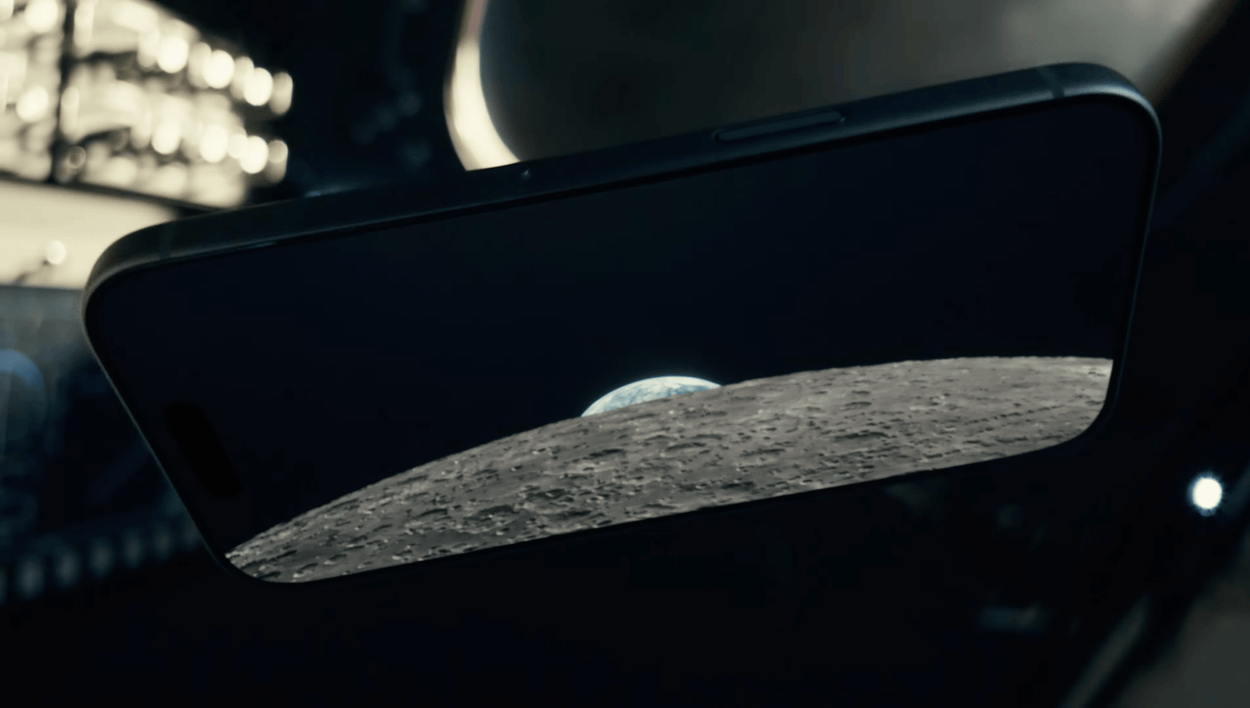
A close-up photograph of a smartphone screen displaying an image of the moon's surface rising against a dark sky.

„When you have been to the moon. Where do you go next?“

Das Duo zeigt der Industrie den korrekten Fold-Formfaktor – nicht nur mit seiner Reisepassgröße, sondern auch durch die Gleichberechtigung beider Displays. Apples Foldable stellt erstmals die wirklich schwierige Frage: „Warum zwei Bildschirme?“

Das iPhone Air diente mit seiner Hardware im letzten Jahr als vorgeschaltetes Experiment; die Software ist jedoch das Alleinstellungsmerkmal für die neue Form.

Ohne Vorlauf, mit nur wenigen frühzeitig eingeweihten Entwicklerpartnern sowie einer Preismarke, die jeder rechtfertigen muss, wird es zweifellos ein holpriger Anlauf. Wir wissen nicht einmal, ob Apple alle seine eigenen Apps zum Start im Oktober vorbereitet hat.

Und der Preis ist der Preis. Dieses Telefon wird mit seiner zweiten Generation und einem möglicherweise überstandenen RAMageddon nicht günstiger. Der Preis bleibt der Preis.

Deshalb ist die Software so wichtig; sie entscheidet darüber, ob man damit mehr macht als mit Apples wohl bestem iPhone ever™ – dem 18 Pro (Max).

Diese Animation … „I can’t.“

Die Kompromisse fallen überraschend überschaubar aus. Wer die Pro-Video- und Fotofunktionen vermisst, ist hier nicht die Zielgruppe. Kein Action Button, kein Face ID und das insgesamt reduzierte Kamerasystem werfen trotzdem die Frage auf: Warum mehr bezahlen für weniger?

Plus, Mini und Air hatten nie eine Chance, sich besser zu verkaufen als Apples Standard- und Pro-Modelle. Zugegeben: Das war auch nie ihre Aufgabe.

Aber welche Aufgabe hat das Duo? Es ist zu anders, um nur ein weiteres Modell in der Aufstellung zu sein. Es ist nicht nur eine andere Verpackung der gleichen Idee.

„Like other iPhones, it packs the power of a computer. But it can take the shape of a computer…“

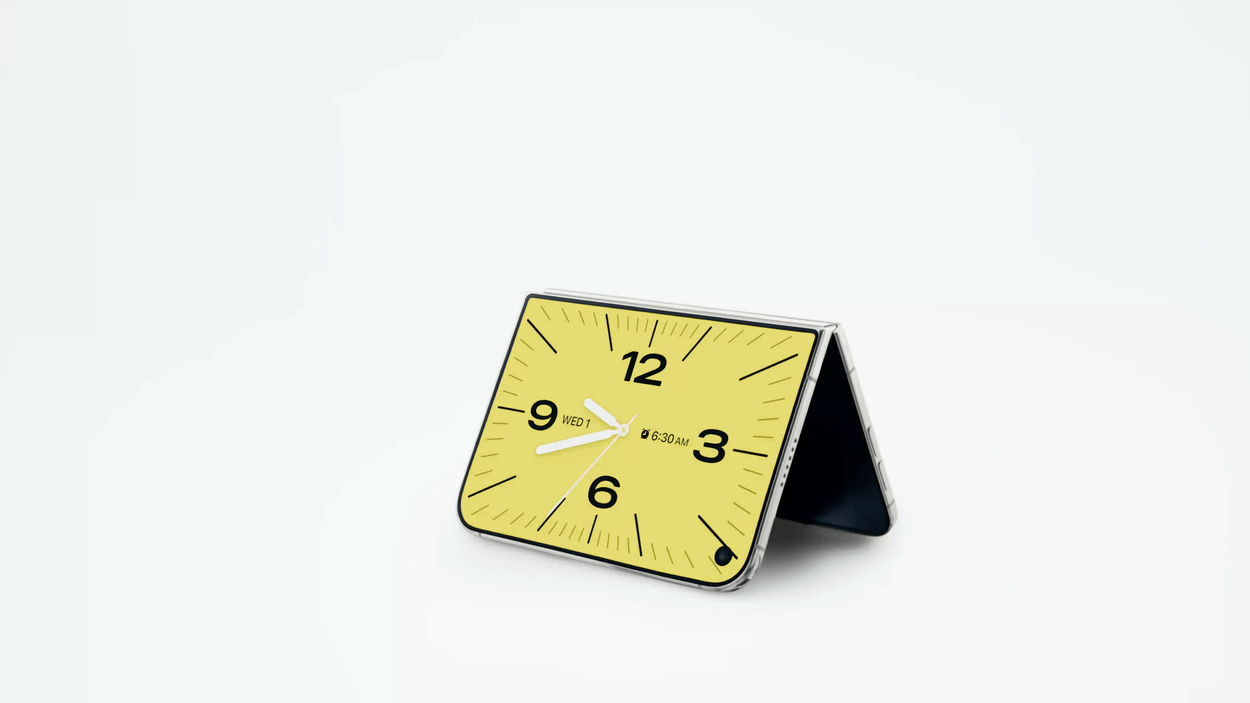
Das ist derzeit nur Marketing; aber ist das auch ein ausgerufenes Ziel? Bleibt es mehr als zwei Generationen im Line-up, um dafür auch nur annähernd eine Chance zu bekommen? Mit dem Duo lebt etwa das Standby-Feature wieder auf, das nach seiner ersten Vorstellung vor drei Jahren quasi vergessen wurde.

A foldable smartphone resting in a stand position displaying an analog clock face.

Das Duo ist Apples Chance, eigene Produkte zu kannibalisieren – von kleinen iPads bis zu großen Telefonen. Es bietet die Möglichkeit, sich breiter aufzustellen und die Abhängigkeit vom klassischen iPhone-Geschäft auf mehr Schultern zu verteilen.

Deshalb die Frage: Neues iPhone oder tatsächlich neuer Computer?

  •  

„Perp Walk For Selfies“

Bereits im Juni formulierten John Gruber und Jason Snell ein sehr treffendes Outro für Tim Cook sowie ein Intro für John Ternus, der seinen neuen Job offiziell morgen antritt.

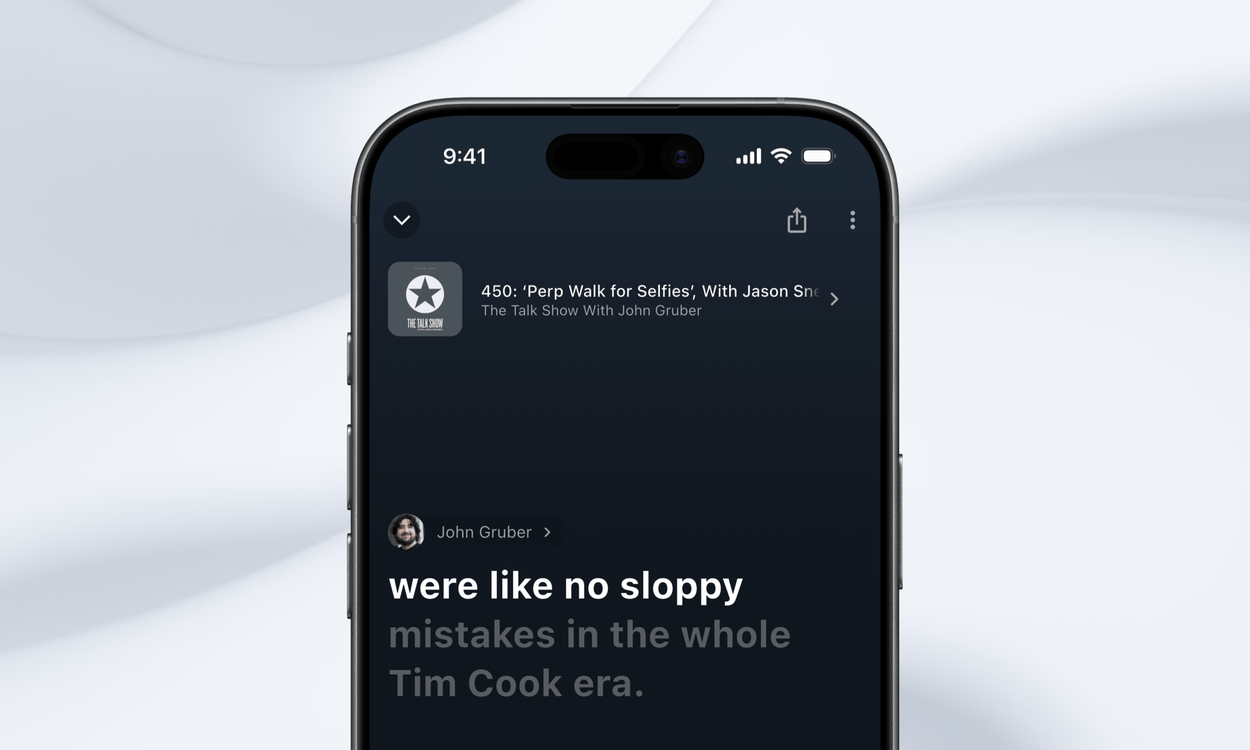
Ein Smartphone zeigt eine Podcast-App im Dunkelmodus. Auf dem Bildschirm sind oben der Titel einer Podcast-Folge und darunter ein Abschnitt des Transkripts zu sehen.

All that being said, Tim is a lifelong computer industry operations man. Whereas, John Ternus has been building hardware at Apple for 25 years, right? And so I don’t want to overstate this, but John Ternus is one of us and Tim Cook isn’t.

And I feel like we need to remember that Tim was spotted by Steve and brought in and brings a level of competence and all of those things to the table. And he professes being a true believer in Apple’s mission and understanding what it is. And I think, to the degree that Tim Cook can be a true believer, he is.

But somebody like John Ternus, who has been working at Apple since basically the turn of the century and building products at a low level, is more — I don’t think it’s outrageous to say — he gets what Apple is about and what Apple customers want and what makes Apple products special at a level that Tim Cook has never and can never.

Which is not to say that Tim Cook sucks. That’s not what I’m saying. I’m saying that Tim Cook was the right guy for that time.

But one of the things that excites me about Ternus is that he understands Apple at a level that Steve Jobs did and that Tim Cook didn’t. And that’s why I think we have a better vibe with somebody like John Ternus, because John Ternus was in the trenches at Apple, whereas Tim has, like, been optimizing at Apple at a high level.

The Talk Show

  •  
❌