❌

Lese-Ansicht

Apple Says More Than 100,000 Apps Optimized for iPhone Duo, Here's What's Still Missing

Apple today announced that more than 100,000 apps have been optimized for the iPhone Duo, released two weeks ago. We confirmed that this figure refers to apps built with the iOS 27.1 SDK or later, meaning these apps fill the full width of the iPhone Duo's inner and outer displays and have vertical controls in the status bar.

A statement from Susan Prescott, Apple's Vice President of Worldwide Developer Relations:
It's been wonderful to see how quickly developers have embraced iPhone Duo, and we're grateful for their creativity and innovation. Today there are well over 100,000 apps built for iPhone Duo already live on the App Store, and thousands of optimized apps are being added to the store each day. In the last month alone, thousands of developers have joined us for workshops in 19 cities around the world to experience iPhone Duo firsthand and bring updated apps to their users. The enthusiasm has been incredible, and we're excited to see the pace of updates continue to accelerate as more and more apps optimize for iPhone Duo.
Apple said thousands of apps optimized for the iPhone Duo are being added to the App Store each day, with recent examples including Microsoft's Excel, OneNote, PowerPoint, and Word apps, along with the Etsy, Goodnotes, Halide Mark III, NBA, NHL, and Zoom apps. Other apps optimized for the device include Amazon Prime Video, Fantastical, Flighty, Instagram, MLB, Netflix, SmartGym, WhatsApp, YouTube, and more. There are too many to list.

Apps optimized for the iPhone Duo have a "Made for iPhone Duo" badge in their App Store listings on the device, making them easy to identify.

iOS 27.2 added Apple Pencil (USB-C) support to the iPhone Duo, enabling users to draw in apps like Procreate Pocket, take notes in Apple Notes, Fineliner, and TypeDraw, and mark up documents in apps like Preview on the device.

On the other hand, with millions of apps available in the App Store, there are unsurprisingly many apps that are still not optimized for the iPhone Duo, with the following examples listed in alphabetical order: AMC Theaters, Amazon Fire TV, Apple Store, Best Buy, Bluesky, Delta, DoorDash, Duolingo, Fandango, FedEx, Goodreads, Google Docs, Google Home, Google Sheets, Google Slides, GrubHub, JetBlue, Libby, Microsoft Authenticator, Microsoft Teams, MTA, Nike, PayPal, PictureThis, Ring, Southwest, Spectrum TV, Starbucks, Steam, Uber Eats, UPS, USPS, Venmo, Verizon, Wells Fargo, Whole Foods, and YouTube Music.
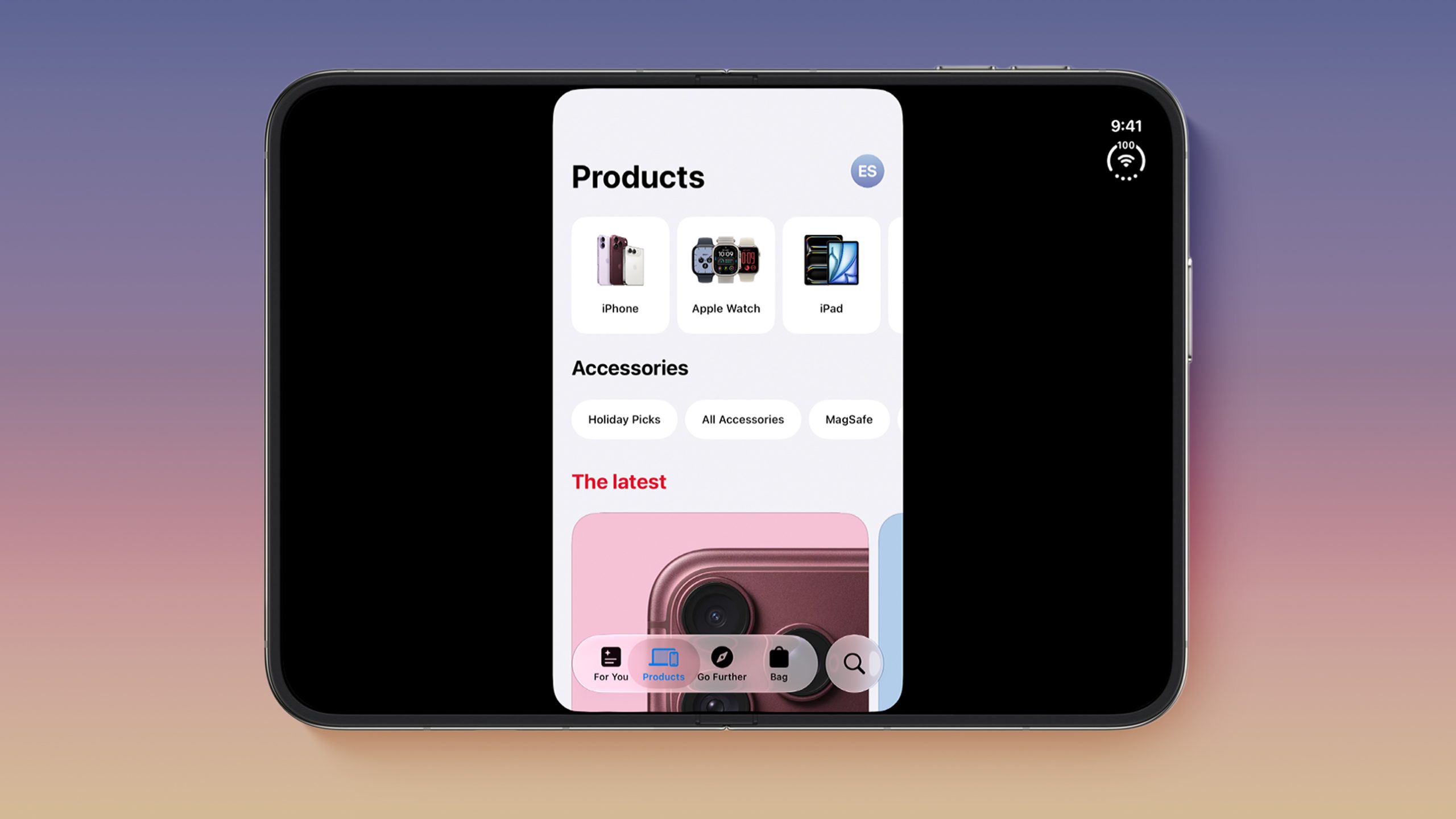

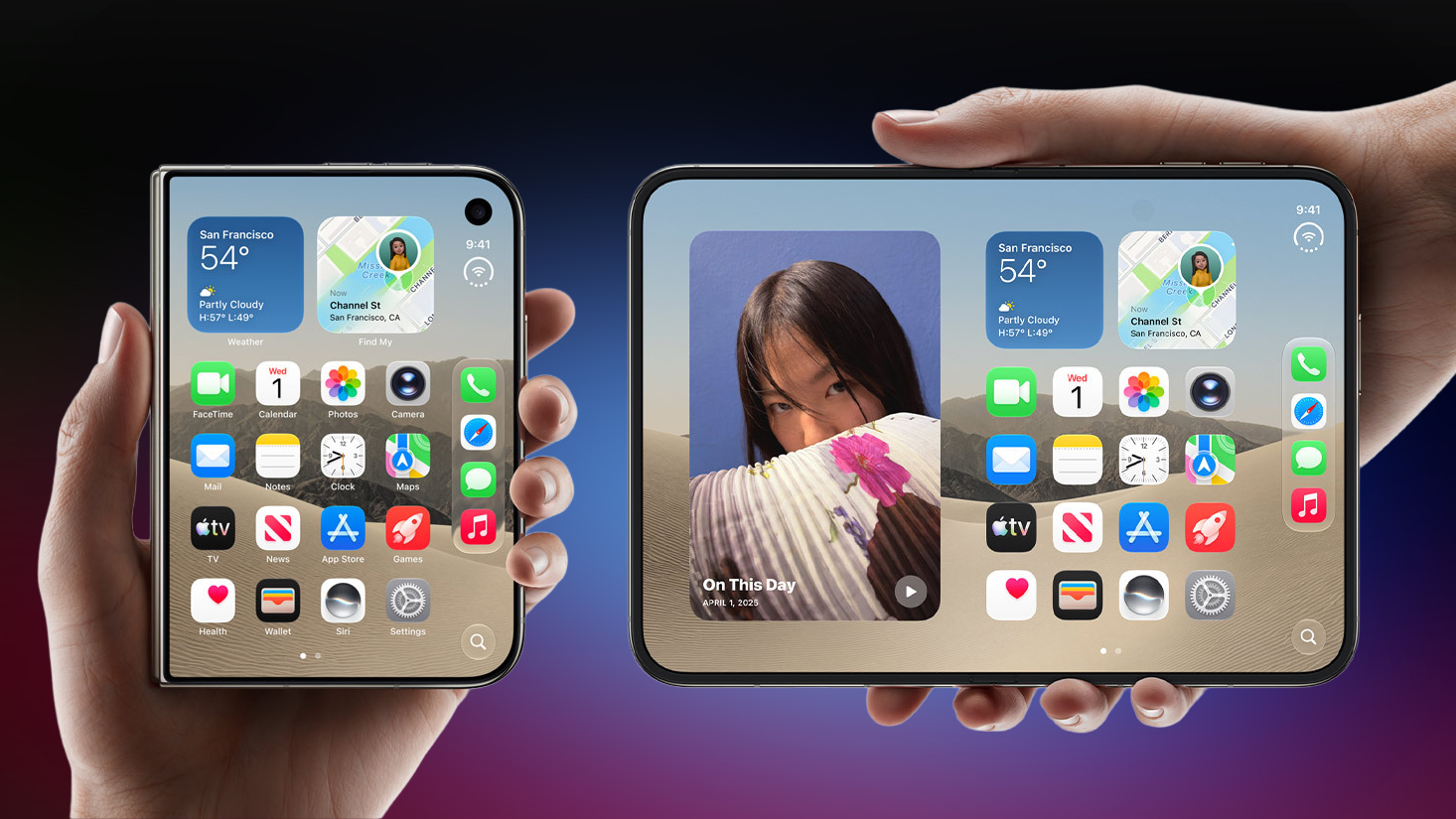
Apple said developers can easily optimize their apps for the iPhone Duo. Apps that use standard SwiftUI and UIKit components adapt automatically to each display, with controls moved to the status bar and multi-column support on the inner display. New APIs let developers optimize their apps for the device's various layouts and poses.

Apple has hosted more than 50 in-person iPhone Duo app workshops in 19 cities worldwide, and there are online resources like the Apple Developer Forums.

In the meantime, apps built with the iOS 27 SDK resize to fill most of the inner display on the iPhone Duo, but they avoid the status bar on the right edge. Apps built with the iOS 26 SDK or earlier run on the iPhone Duo, but appear in the center of the inner display, with lots of empty black space on the left and right sides of the apps.

iPhone Duo app optimization has been a hotly debated topic on social media platforms, with some people pointing out apps that are not yet optimized and others saying the issue is overblown. It is clearly a mixed bag, with some apps optimized and some not. More apps are being updated by the day, though, so the situation is improving rapidly.
Related Roundup: iPhone Duo
Buyer's Guide: iPhone Duo (Buy Now)
Related Forum: iPhone

This article, "Apple Says More Than 100,000 Apps Optimized for iPhone Duo, Here's What's Still Missing" first appeared on MacRumors.com

Discuss this article in our forums
  •  

Apple Surveys iPhone Duo Buyers About Crease and Camera

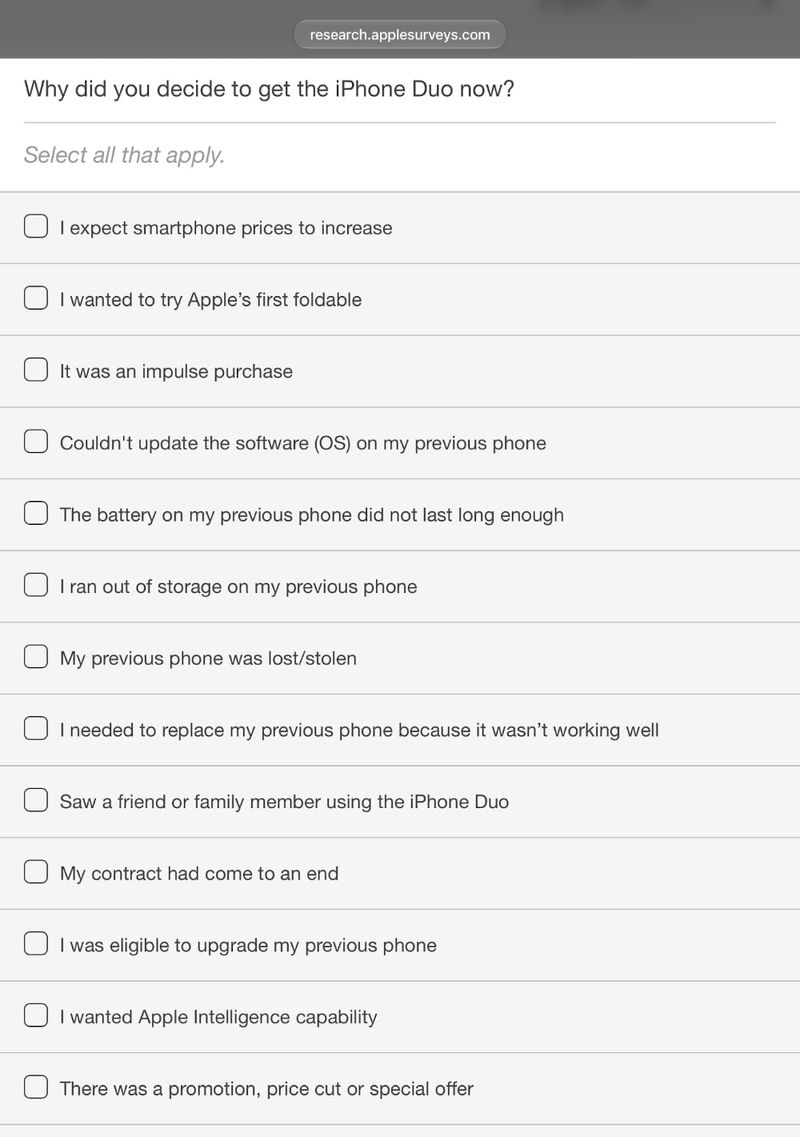
Apple is sending email surveys to some iPhone Duo buyers to get feedback on display size, crease, under-display camera, and other features.


The first question asks why the buyer chose the ‌iPhone Duo‌ now, with answers like "I wanted to try Apple's first foldable," "It was an impulse purchase," and "I expect smartphone prices to increase."

Other questions ask about the size of the ‌iPhone Duo‌'s display when it's closed, how visible the crease is, whether the under-display camera is distracting, and the camera's image quality. The final question is open-ended and asks what the buyer would add or change about the ‌iPhone Duo‌.

View all 6 photos in the full article →


It's been about two weeks since the ‌iPhone Duo‌ launched, and it's not too unusual for Apple to conduct surveys following a new product's debut.

Some of the questions are about ‌iPhone Duo‌ compromises compared to standard iPhone models. The Duo's outer display is 5.4 inches, making it about the same size as the discontinued iPhone mini line. The inner display's under-screen camera is limited to 4MP, and it was one of the main complaints in reviews.

The survey does not ask about Touch ID, the experience of using unoptimized apps, or the display cracks some users have reported, all of which are also top Duo complaints,

(Thanks, Willy!)
Related Roundup: iPhone Duo
Buyer's Guide: iPhone Duo (Buy Now)
Related Forum: iPhone

This article, "Apple Surveys iPhone Duo Buyers About Crease and Camera" first appeared on MacRumors.com

Discuss this article in our forums
  •  

Got an iPhone Duo on Launch Day? Today Could Be Your Last Chance to Return It

If you purchased an iPhone Duo on launch day and are having second thoughts about keeping Apple's first foldable iPhone, today could be your last chance to return it for a full refund.


Apple officially launched the iPhone Duo on Friday, October 23, so the standard 14-day return window for customers who purchased and received the device that day expires on Friday, November 6.

Under Apple's U.S. return policy, customers have 14 calendar days from receiving a product to return it, whether they purchased it online or at an Apple retail store. A similar standard return period applies in the UK and across much of the rest of Europe.

If you bought the iPhone Duo in Canada, then you have slightly longer. Under Apple's Canadian return policy, buyers have 15 calendar days from receiving their device to initiate a return, so if you got your device on launch day then you have until Saturday, November 7 to return it.

UK and EU Online Customers Have More Time to Send It Back


There's an important distinction to note if you're in the UK or the European Union and you purchased your iPhone Duo online. Under consumer protection laws, you have 14 days from receiving the device to notify Apple that you intend to return it. Once you've made that notification, you have a further 14 days to send the device back or arrange a collection.

In other words, if you're a UK or EU customer who received the iPhone Duo on October 23 and you request a return today, then you could have until November 20 to dispatch it. This also applies to devices ordered online and collected at an Apple Store. However, if you actually purchased your device directly at a physical Apple Store – which probably means you waited in a separate line to collections – then you generally need to return it within the initial 14-day window.

Note that the November 6 deadline doesn't apply to everyone who pre-ordered the iPhone Duo. Apple's return period is calculated from when customers received their devices, rather than when they placed their orders, so if your iPhone Duo arrived after launch day, you have more time to return it for a refund – if that's your preference.

What to Know Before Returning Your iPhone Duo


Apple asks customers to return their devices with the original packaging and included accessories. Also, remember to disable Find My for the iPhone Duo before returning the device. Returns can be initiated through Apple's online Order Status page or, in the US, at an Apple retail store.

Keep in mind that these policies apply only to purchases made directly from Apple – if you bought an iPhone Duo through a carrier or third-party retailer, you'll be subject to that seller's return policy.

Lastly, if you signed up for a new cellular plan with the iPhone Duo, returning the device may not automatically cancel that service. Apple advises contacting your carrier about cancellation requirements and any associated fees. Do you plan on returning your iPhone Duo? Let us know in the comments.
Related Roundup: iPhone Duo
Buyer's Guide: iPhone Duo (Buy Now)
Related Forum: iPhone

This article, "Got an iPhone Duo on Launch Day? Today Could Be Your Last Chance to Return It" first appeared on MacRumors.com

Discuss this article in our forums
  •  

Die ersten Duo-Reviews

Was ich aus den ersten Reviews mitnehme: Das Duo löst keinesfalls den klassischen Formfaktor ab, sondern erweitert das Portfolio der iPhones. Damit steht es im starken Kontrast zum iPhone X, das die Homebutton-Generationen, die vor ihm kamen, damals augenblicklich beerdigte.

Die Testberichte sind durch die Bank weg lang – teilweise ungewohnt ausartend. Gruber schrieb 8500 Worte; Brownlee filmte 29 Minuten. Ja, es gibt diesmal außergewöhnlich viel zu sagen, gleichermaßen aber auch viele unbeantwortete Fragen.

Man merkt: Die Vorberichte kämpfen nach einer Woche mit den gleichen Fragen, die Apple seit einigen Jahren für das Duo umtreiben. iPad-Apps: Ja oder nein? Ist Touch ID gut genug für diese erste Generation? Passt die „Passport“-Größe?

David Imel schätzt den „aufgaben-orientierten“ Screen; für Nilay Patel ist es maximal ein „status display“. Die Nanotextur­beschichtung der Innenseite und das Scharnier stauben dagegen überall Lob ab.

Was auffällt: Telefonnutzung ist sehr individuell. Die Frage nach der Akkulaufzeit variiert in ihrer Bewertung etwa von „hervorragend“ bis „gerade noch gut genug“.

Apple schoss sich direkt in den eigenen Fuß, indem es App-Store-Updates fürs Duo nicht früher akzeptierte. „Ausstehende Software-Unterstützung“ von Dritt-Apps nimmt in allen Testberichten einen substanziellen Themenblock ein. Mein Gefühl sagt mir inzwischen: Das wird in wenigen Wochen kein dominantes Thema mehr sein.

Software(-Design) bleibt natürlich eine konstante Diskussion; die schlichten Anpassungen an die Bildschirmgröße räumen die meisten Apps aber alsbald vom Tisch. Das Duo steckt nicht in einer Vision-Pro-Situation: Software, die sich nicht anpasst, wechseln Kund:innen aus. Ausnahmen bestätigen diese Regel.

Und welche Apps das Aufklappen rechtfertigen, wer kreativ Menü-Buttons setzt, sind keine Fragen für die erste Woche, sondern für das erste Jahr.

Einige Videoclips haben mich besorgt zusammenzucken lassen: Die Drehung des Duos im aufgefalteten Zustand sieht gelegentlich nicht sehr souverän aus.

Zugegeben: Das liegt auf der Hand (!), ist aber interessant zu beobachten. Ein neues iPhone, das man erstmals neu lernen muss. Angefangen bei den Platzierungen der Hardware-Buttons, die ich so kontrovers nicht vermutet hatte.

HTX Studio bringt, in einem außergewöhnlichen Video, speziell den Kompromiss der Bildschirmgröße noch einmal auf den (Schluss-)Punkt – den man wahrscheinlich nur durch eigenes Ausprobieren für sich beurteilen kann:

Will they become mainstream? I still doubt it because this design has two fundamental conflicts at its core. First, the two screens work against each other. Improve the outer screen and the inner screen becomes a big empty square. Favour the inner screen and the outer screen becomes a passport that’s hard to grip. It’s a zero-sum game. More importantly, whatever the balance, you get a makeshift phone outside and a cut-down tablet inside. Neither delivers the best experience.

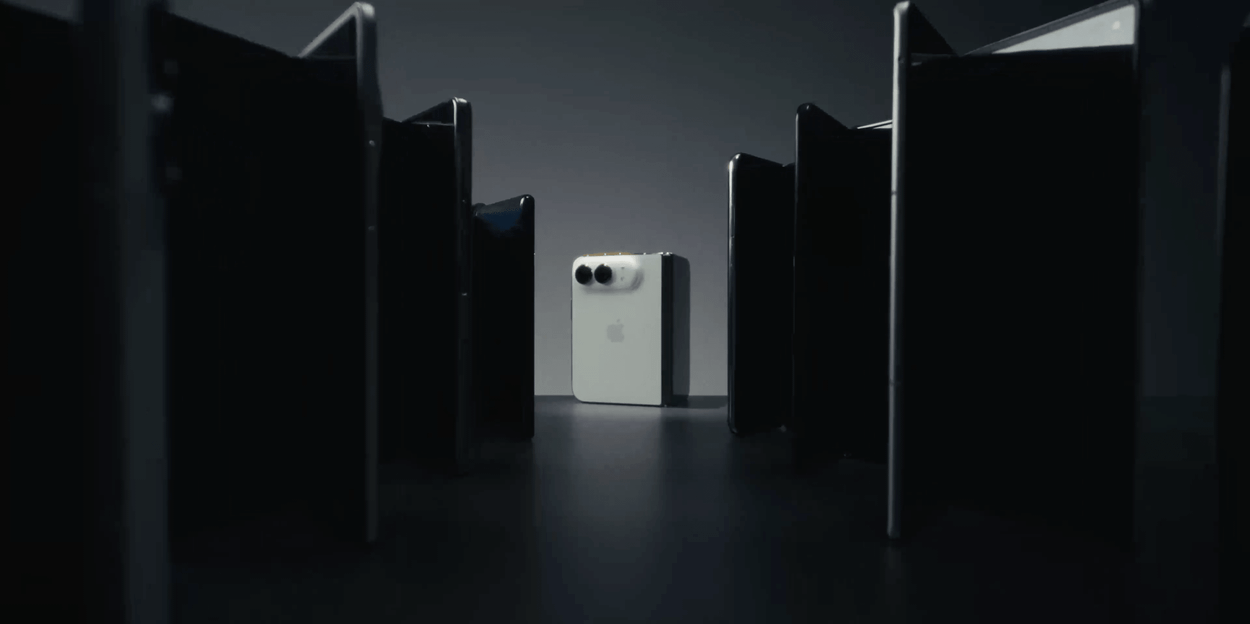
A white smartphone with a dual-camera setup is centrally placed on a dark surface, surrounded by several black smartphones standing upright in a semicircle, all against a dark background.
  •  

iPhone Duo – „nothing short of extraordinary“ – ab 2027

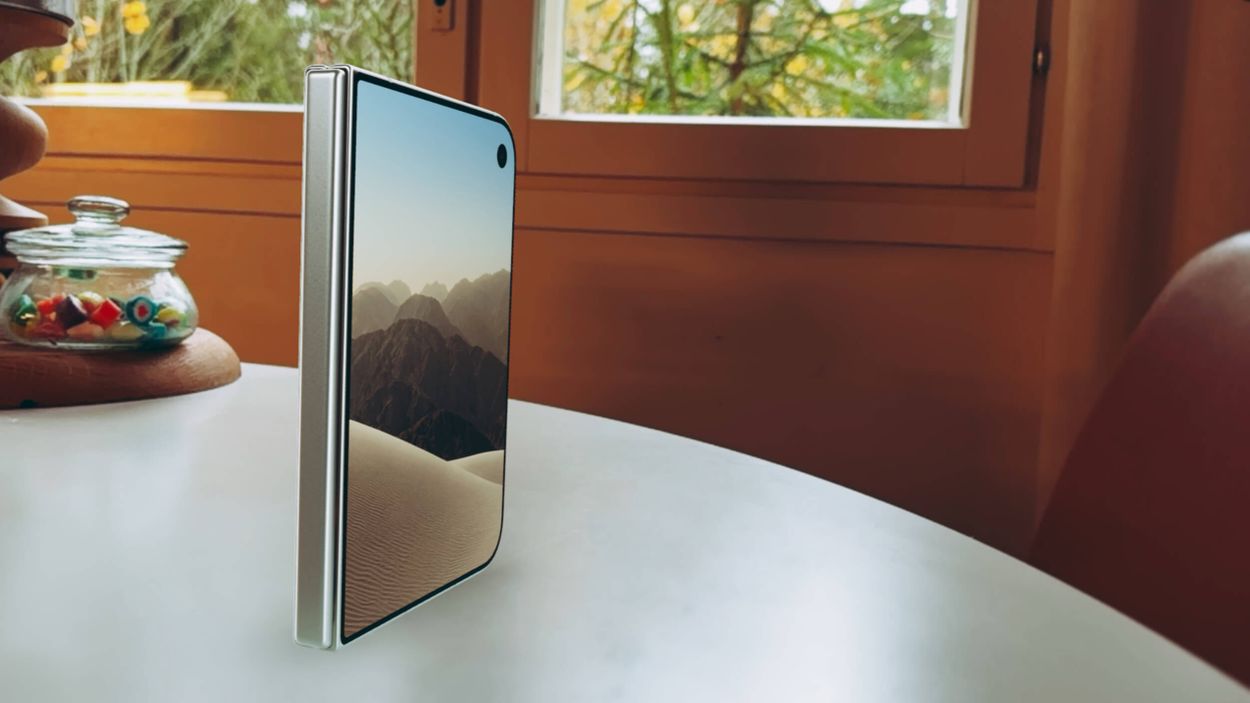
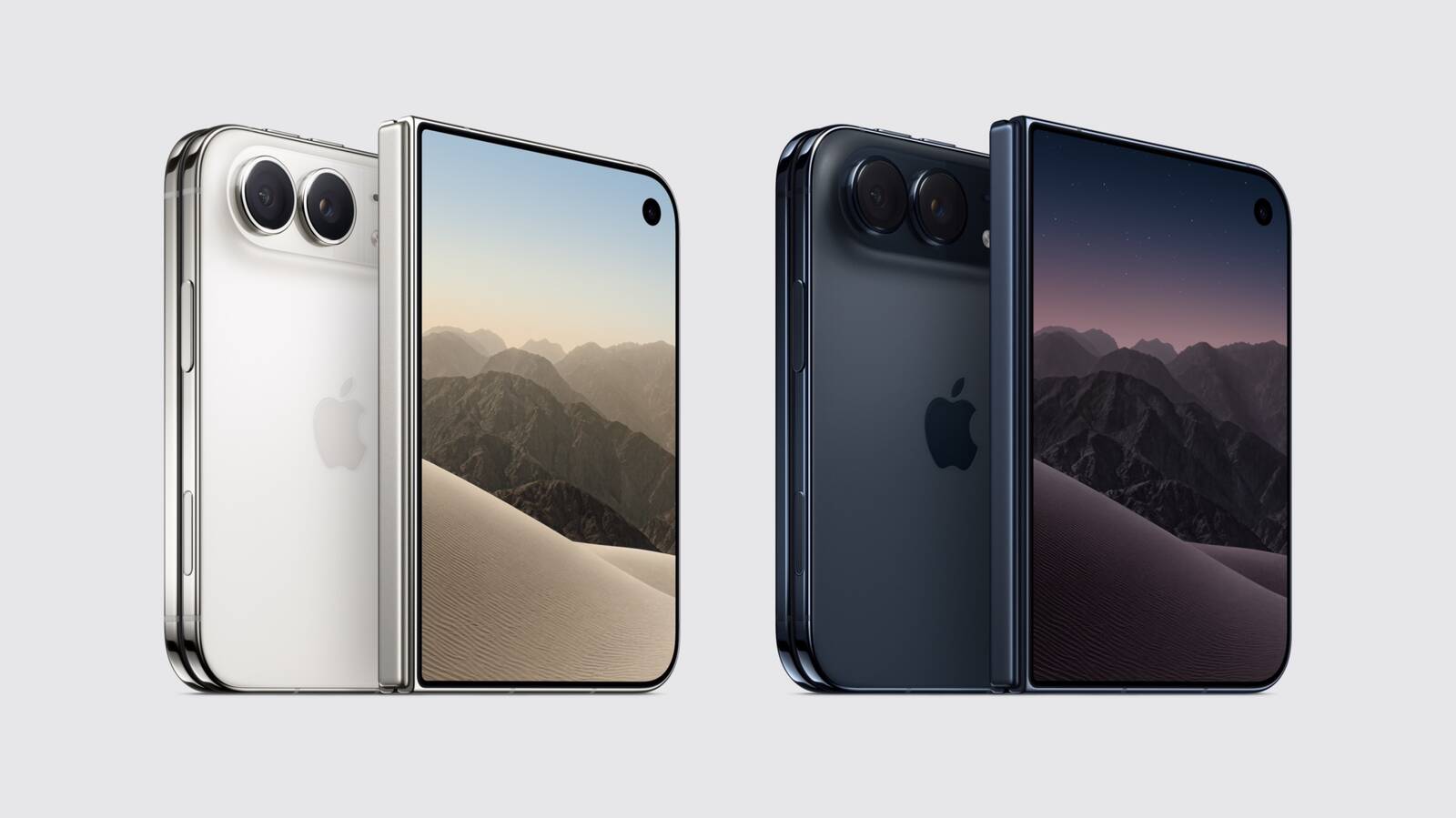
A modern foldable smartphone in a partially folded state standing upright on a round white table. The screen displays a desert landscape with mountains and a clear sky.

„Versand in 2027“ – für Apple zumindest ein verstolperter Start.

Natürlich machen sie viel gute Miene, während hinter der Bühne sicherlich Himmel und Hölle in Bewegung sind. Und klar, diese Vorbestellungen sind im besten Fall nur aufgeschoben.

Bei einer Lieferzeit von mittlerweile drei Monaten werden viele solcher Kaufabsichten aber nicht nur aufgeschoben, sondern gänzlich aufgehoben. In den Stückzahlen, in denen Apple Produkte verkauft, schlagen einige Tage und wenige Wochen bereits signifikant in den Umsatzbüchern auf – oder halt nicht.

Schuldzuweisungen von außen bleiben kaum möglich; niemand weiß, wie hoch die Bestände sind und über welche Nachfrage wir spekulieren. In komplett eigener Hand hatten sie jedoch den Starttermin sowie die Entscheidung über eine länderspezifische Verfügbarkeit.

Beides lief jedoch genau so ab, wie in normalen iPhone-Jahren zuvor.

Natürlich musste das Duo getrennt vom iPhone 18 Pro starten – medial wäre das wirklich exzellente Telefon sonst komplett untergegangen. Länger als einen Monat wollte Apple aber scheinbar nicht warten …

Auch regional zog Apple keine Grenzen: Das Duo startet zeitgleich selbst in meinem Finnland, wohlgemerkt ein Land ohne offiziellen Apple Store …

Ladengeschäfte und Online Stores gelten bei Apple als zwei getrennte Firmen. Gefühlt genießt Retail oft eine höhere Priorität für die Verfügbarkeit von neuen Produkten. Absolut nachvollziehbar: Kund:innen vor Ort will man nicht mit leeren Händen wegschicken; online muss man (psychologisch) ohnehin warten.

Dass es scheinbar aber auch in den Ladengeschäften schwierig werden könnte zeitnah ein Duo mitzunehmen, unterstreicht die eingeschränkte Verfügbarkeit bei einer nicht bekannten Nachfrage. Diese Nachfrage, gepaart mit dem Produktionsanlauf, spielen sicherlich beide eine Rolle bei der Verzögerung.

Insbesondere im US-Markt gilt: Wer bis zu 1.500 US-Dollar für sein nächstes Telefon eingeplant hat, sieht die 2.000 US-Dollar-Marke zumindest in greifbarer Nähe. Und wenn man beim Mobilfunker auf Raten zahlt, ist der höhere Monatspreis oft nur eine Fußnote.

Man könnte argumentieren: Wenn Apple wusste, dass sie nur eine sehr überschaubare Stückzahl anbieten können, nimmt man schlicht den Hype mit.

So funktioniert das aber nicht. Apple will Geräte verkaufen und das Duo braucht nun wirklich keinen Hype.

Für mich riecht’s deshalb nach einer Fehleinschätzung – keine Katastrophe, aber mindestens ein vermeidbarer Stolperer – auch wenn wir nicht die Produktionskapazitäten der nächsten Monate kennen und abwarten müssen, was ab Freitag tatsächlich in den Stores verfügbar ist.

  •  

Es zählt, weil es ein iPhone ist, nicht weil es neu ist.

Tim Cook legte charmant für Ternus auf, der dann aber auch direkt verwandelte. Er platzierte das iPhone direkt zum Anpfiff im absoluten Mittelpunkt – von Apple selbst, aber auch als „intelligente und persönliche Zentrale“. Die Aussage war klar: Du brauchst keine anderen KI-Computer!

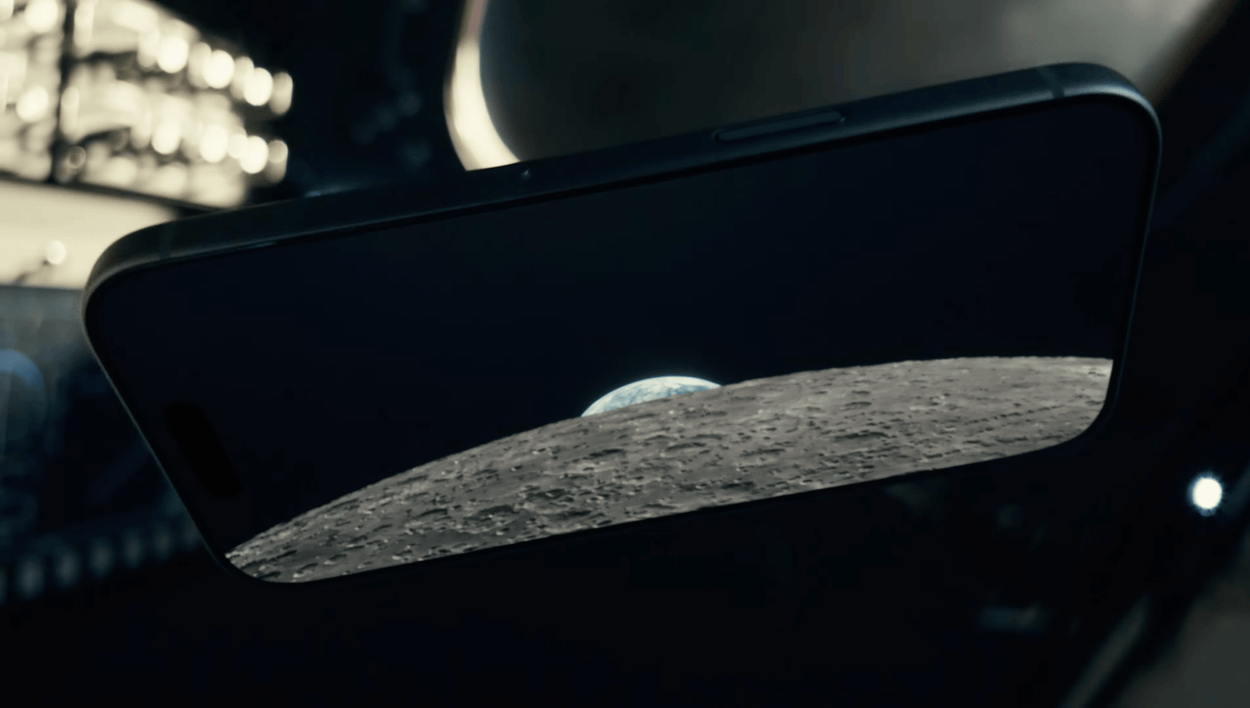
A close-up photograph of a smartphone screen displaying an image of the moon's surface rising against a dark sky.

„When you have been to the moon. Where do you go next?“

Das Duo zeigt der Industrie den korrekten Fold-Formfaktor – nicht nur mit seiner Reisepassgröße, sondern auch durch die Gleichberechtigung beider Displays. Apples Foldable stellt erstmals die wirklich schwierige Frage: „Warum zwei Bildschirme?“

Das iPhone Air diente mit seiner Hardware im letzten Jahr als vorgeschaltetes Experiment; die Software ist jedoch das Alleinstellungsmerkmal für die neue Form.

Ohne Vorlauf, mit nur wenigen frühzeitig eingeweihten Entwicklerpartnern sowie einer Preismarke, die jeder rechtfertigen muss, wird es zweifellos ein holpriger Anlauf. Wir wissen nicht einmal, ob Apple alle seine eigenen Apps zum Start im Oktober vorbereitet hat.

Und der Preis ist der Preis. Dieses Telefon wird mit seiner zweiten Generation und einem möglicherweise überstandenen RAMageddon nicht günstiger. Der Preis bleibt der Preis.

Deshalb ist die Software so wichtig; sie entscheidet darüber, ob man damit mehr macht als mit Apples wohl bestem iPhone ever™ – dem 18 Pro (Max).

Diese Animation … „I can’t.“

Die Kompromisse fallen überraschend überschaubar aus. Wer die Pro-Video- und Fotofunktionen vermisst, ist hier nicht die Zielgruppe. Kein Action Button, kein Face ID und das insgesamt reduzierte Kamerasystem werfen trotzdem die Frage auf: Warum mehr bezahlen für weniger?

Plus, Mini und Air hatten nie eine Chance, sich besser zu verkaufen als Apples Standard- und Pro-Modelle. Zugegeben: Das war auch nie ihre Aufgabe.

Aber welche Aufgabe hat das Duo? Es ist zu anders, um nur ein weiteres Modell in der Aufstellung zu sein. Es ist nicht nur eine andere Verpackung der gleichen Idee.

„Like other iPhones, it packs the power of a computer. But it can take the shape of a computer…“

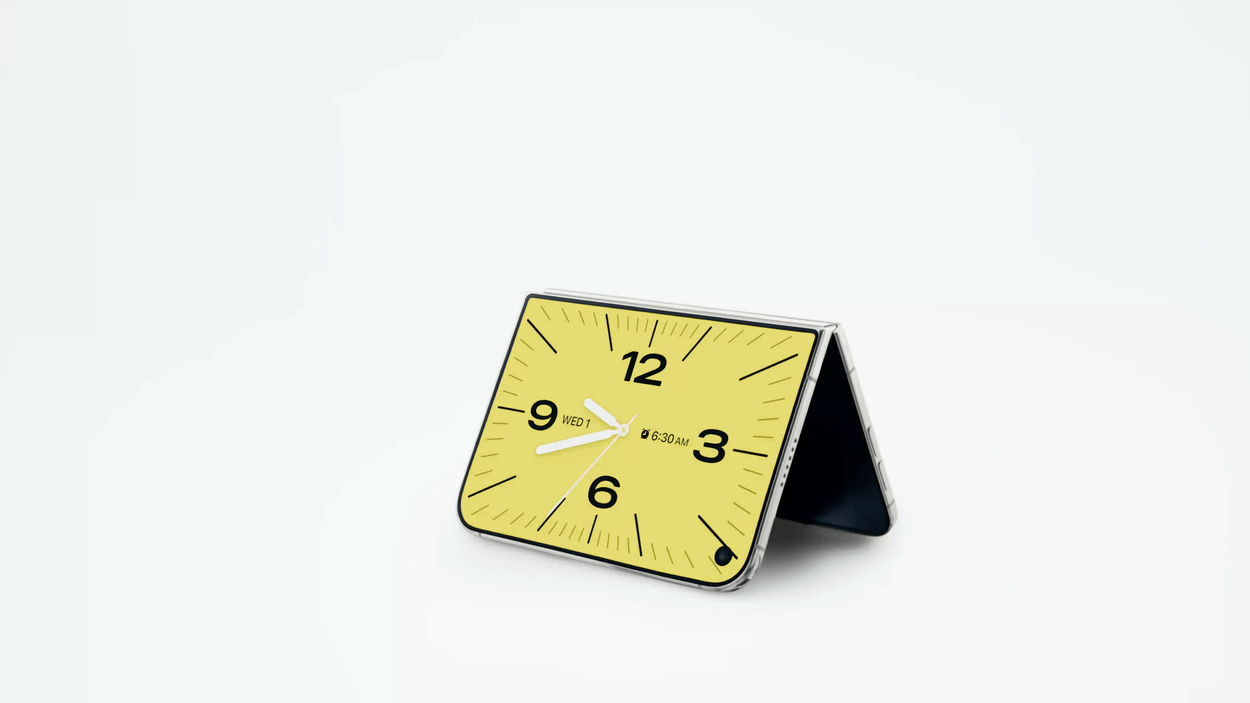
Das ist derzeit nur Marketing; aber ist das auch ein ausgerufenes Ziel? Bleibt es mehr als zwei Generationen im Line-up, um dafür auch nur annähernd eine Chance zu bekommen? Mit dem Duo lebt etwa das Standby-Feature wieder auf, das nach seiner ersten Vorstellung vor drei Jahren quasi vergessen wurde.

A foldable smartphone resting in a stand position displaying an analog clock face.

Das Duo ist Apples Chance, eigene Produkte zu kannibalisieren – von kleinen iPads bis zu großen Telefonen. Es bietet die Möglichkeit, sich breiter aufzustellen und die Abhängigkeit vom klassischen iPhone-Geschäft auf mehr Schultern zu verteilen.

Deshalb die Frage: Neues iPhone oder tatsächlich neuer Computer?

  •  
❌