Apple is releasing two new products today, Friday, November 13: the all-new Apple HomeView and the fourth-generation Apple TV 4K, both of which have been available to pre-order since mid-October.
Apple HomeView: Apple's new smart home display, powered by Apple Intelligence with Siri AI, for entertainment and managing the home. Available in tabletop and wall-mounted models, it can recognize up to six users by face, each with a personalized Home Screen. The HomeView is priced at $299.
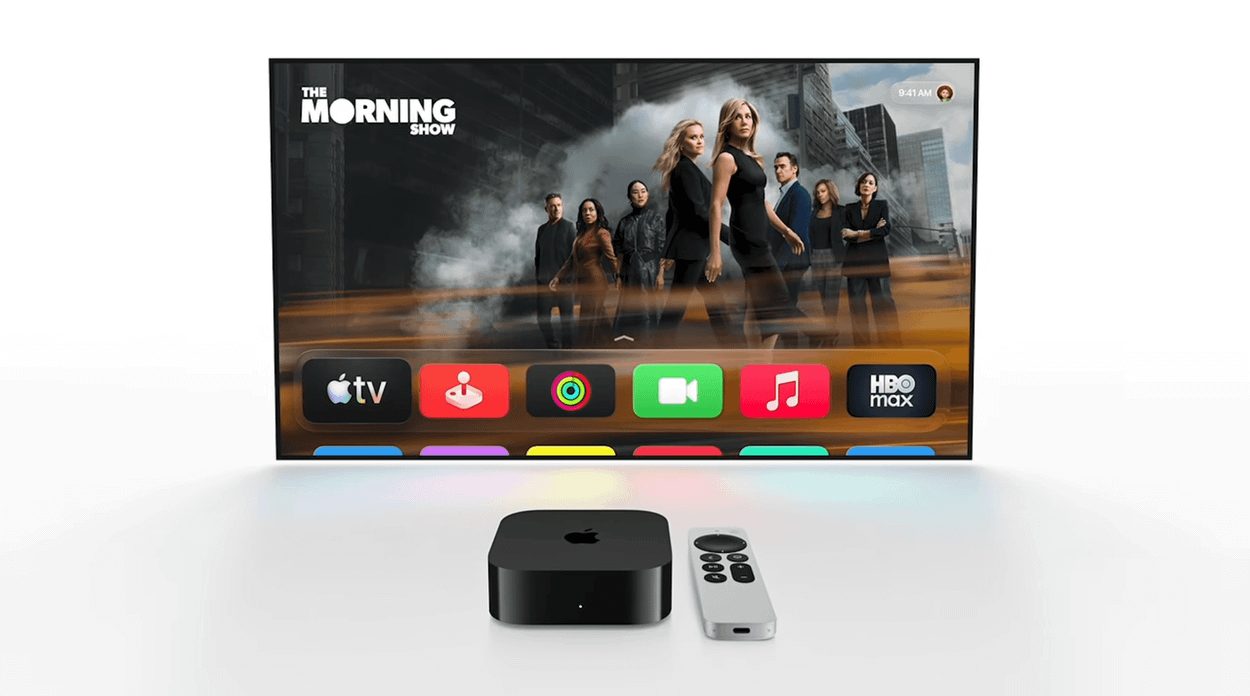
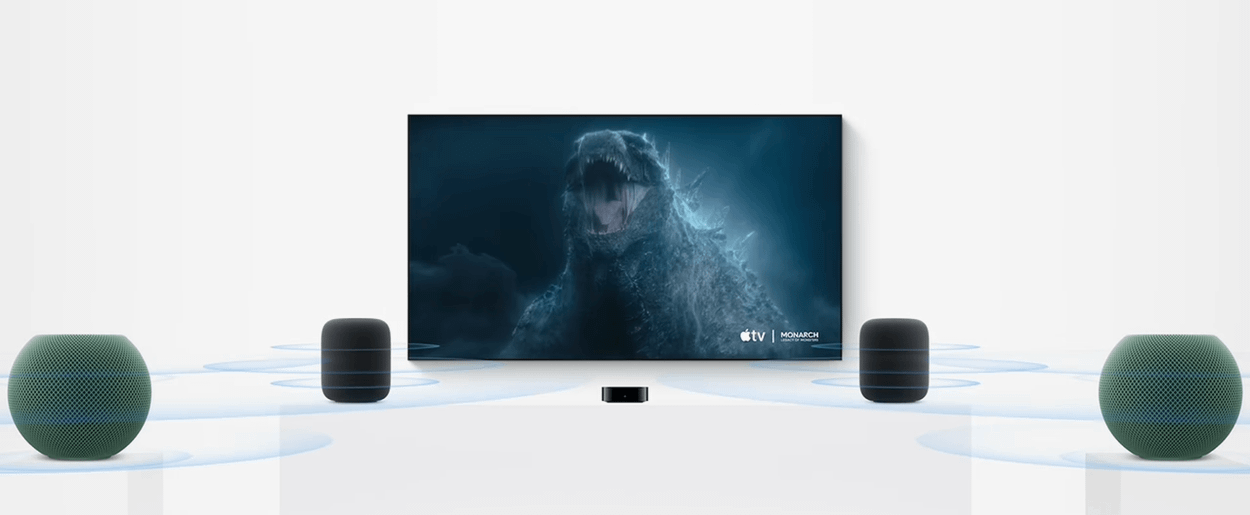
Apple TV 4K: adds Siri AI, the A19 chip, an updated Siri Remote with Find My, and support for four-speaker surround sound with HomePod mini 2. The Apple TV 4K comes with 128GB of storage and is priced at $299.
Both products were announced on October 13 alongside the HomePod mini 2, which launched October 30.
As things stand, HomeView is not sold in the European Union because Siri AI is currently unavailable on iOS in the region due to regulatory constraints. Apple has said it is "working constructively with the EU in an attempt to find a path forward," but has provided no timeline for EU availability. This article, "Apple Launches Two Products Today" first appeared on MacRumors.com
Nintendo will stop allowing users to sign in to their Nintendo Account with an Apple or Google account on January 26, 2027, the company has announced.
Users will also no longer be able to create a Nintendo Account through either service. Nintendo has not explained why it is removing the options, but notes that the exact cutoff could be delayed depending on the progress of its system updates.
After the change, users will need to sign in with their Nintendo Account email address or Sign-In ID and password, or use a passkey. Nintendo says users who are already signed in on a device may not need to sign in again immediately.
Anyone who usually signs in through Apple or Google should check that they know their Nintendo Account login details before the deadline. Those who have never set a password, or have forgotten it, can select "Forgot your password?" on the Nintendo Account login page to request a reset email.
Users who chose to hide their email address with Sign in with Apple may have an Apple-generated relay address registered with Nintendo. Messages sent to that address are forwarded to their personal inbox. Nintendo advises anyone who can no longer access their registered email address to contact its support team.
Nintendo also recommends registering a passkey, which allows users to sign in using their device's fingerprint or facial recognition system instead of a password. The My Nintendo Platinum Points mission for linking a Google account will be discontinued as part of the change.
Apple on Tuesday abruptly placed the Apple Support Community into a read-only state and announced that the forums will be permanently closing on Friday, November 20. Those who contributed to the site — some for more than two decades — were blindsided by this decision and had no chance to post farewell messages.
Even if you felt the Apple Support Community contained too many generic or unhelpful answers from users trying to boost their post counts and earn points, the people volunteering their time to the site still deserved a proper goodbye.
Below, we have highlighted some of those people and their experiences.
Jeff Donald from Florida was a member of the Apple Support Community since November 2000, when the forums were still known as Apple Discussions. This past year, Apple recognized his efforts by inviting him to the Apple Community+ program, which launched in 2022 and provided members with a few extra perks and experiences.
Leroy Douglas was a member since July 2009. He said he was a bit shocked to see Apple's sudden announcement, but he saw the writing on the wall.
Here is a fun fact that you might not have known: In addition to English, Tobias Steen in Germany said there were also Apple Support Communities in Chinese, French, German, Japanese, Korean, Portuguese, and Spanish. For some reason, the French and German versions do not have closure notices, but we are told they will meet the same fate.
The forums brought together people of all ages, from 16-year-old Evan Bato Rousseau in France to 83-year-old Nobel Prize winner Sir Tim Hunt in England, who told us he found it to be a helpful resource, even if some of the answers were wonky.
John Daniel, the Canadian developer of macOS diagnostic tool EtreCheck, said he was active in the Apple Support Community for more than two decades. Users like him who reached "Level 6" or higher based on their contributions received access to The Lounge, a private category of forums where Apple employees sometimes participated.
Prior to 2020, John said Apple occasionally hosted in-person meetups for Support Community members, including a special visit to Apple Park.
"I don't agree with comments that so many are making about the Apple Support Community right now," he said, in response to those who described it as useless. "We regularly solved problems, identified significant issues with Apple projects, traced the cause of bugs and fixed them, and always learned new things. That's what I'm going to miss."
Elías Rojano Núñez of Chile participated in the Spanish forums. He told us that he found it deeply satisfying when he was able to help others, and he was saddened that the Spanish forums were shuttered without any advanced notice, but he is grateful for the opportunity that he had and will always value the interactions he had with fellow contributors.
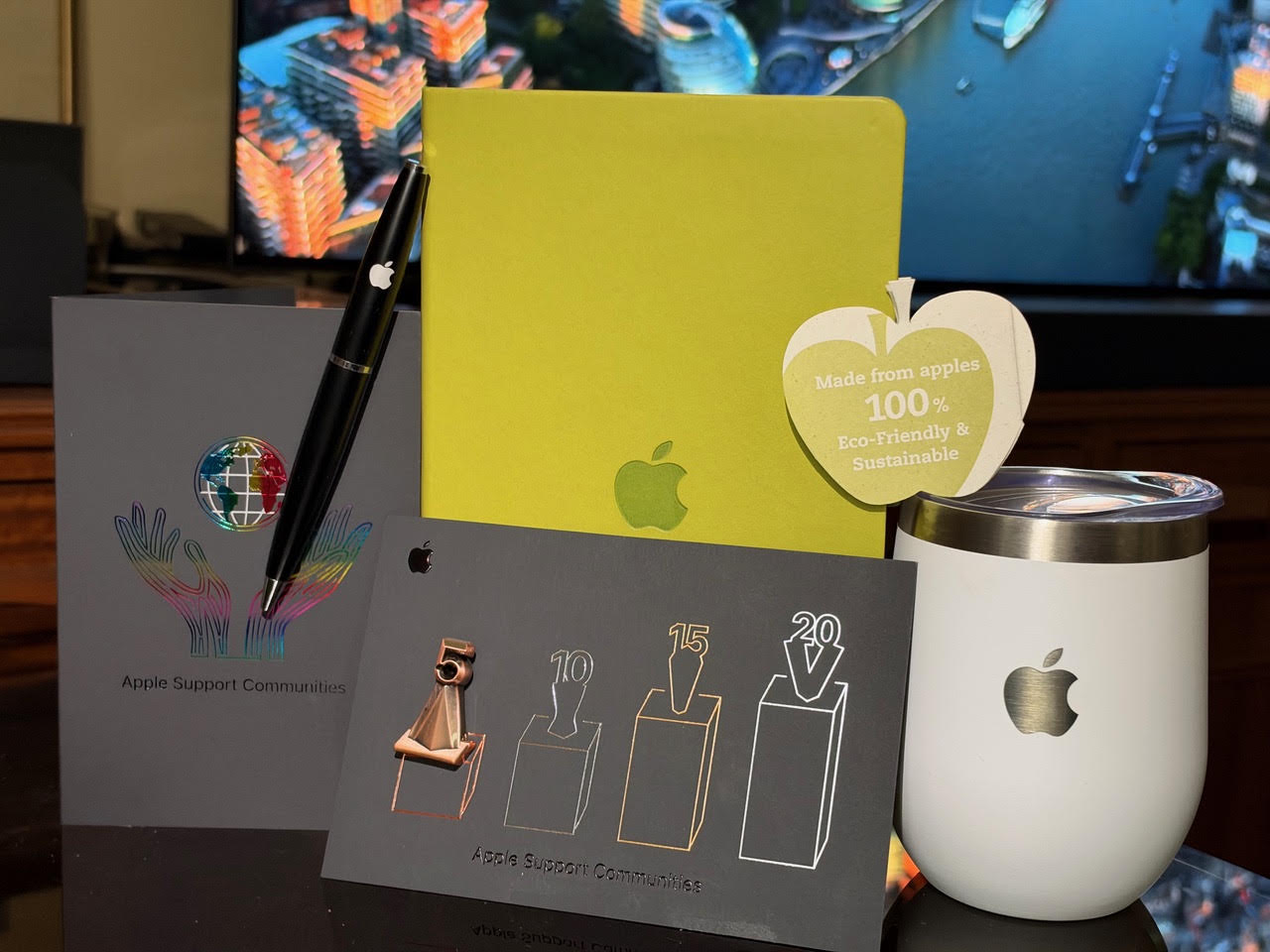
Rojano Núñez shared a photo of some of the items he received from Apple over the years, including a 5-year Apple Support Community anniversary pin. There were also 10-year, 15-year, and 20-year pins. Over the years, merchandise given out included Apple-branded hats, shirts, tote bags, and even umbrellas once.
Whatever its shortcomings, the Apple Support Community was more than just a place to ask questions. For some, it was a place to belong.
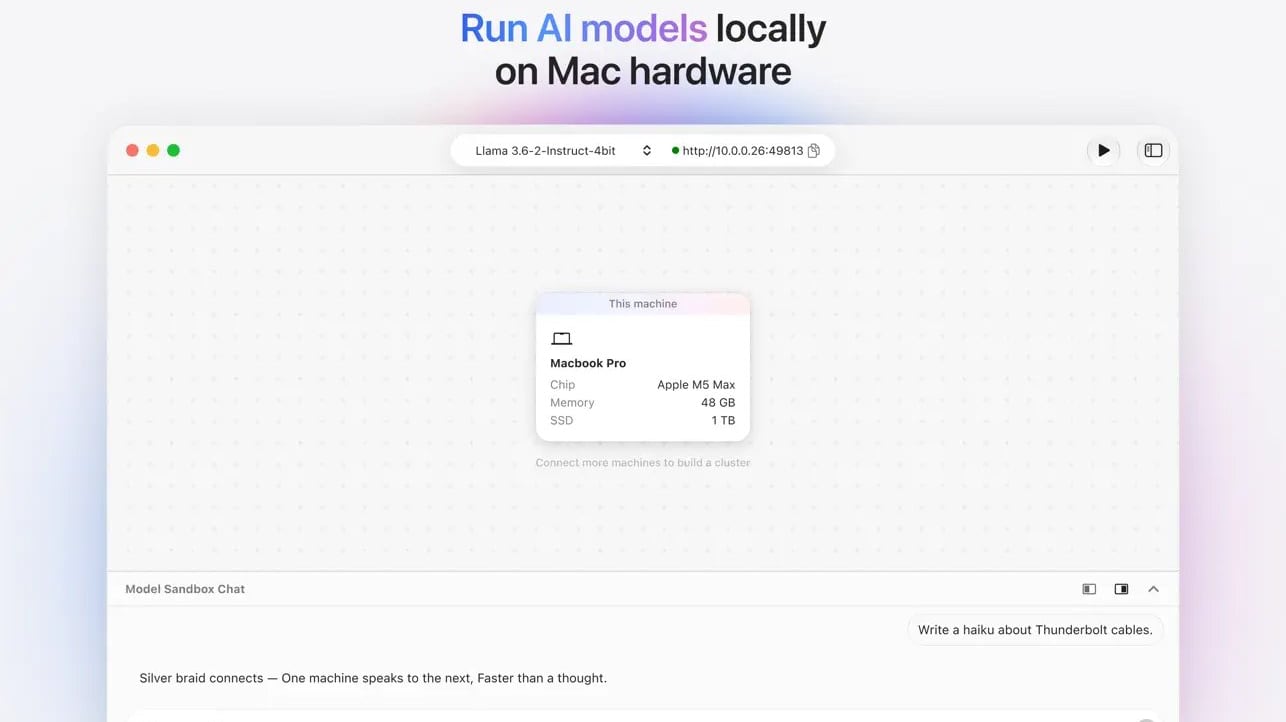
Apple's Claris subsidiary is testing an app called Harbor, which turns Apple silicon Macs into a private AI server.
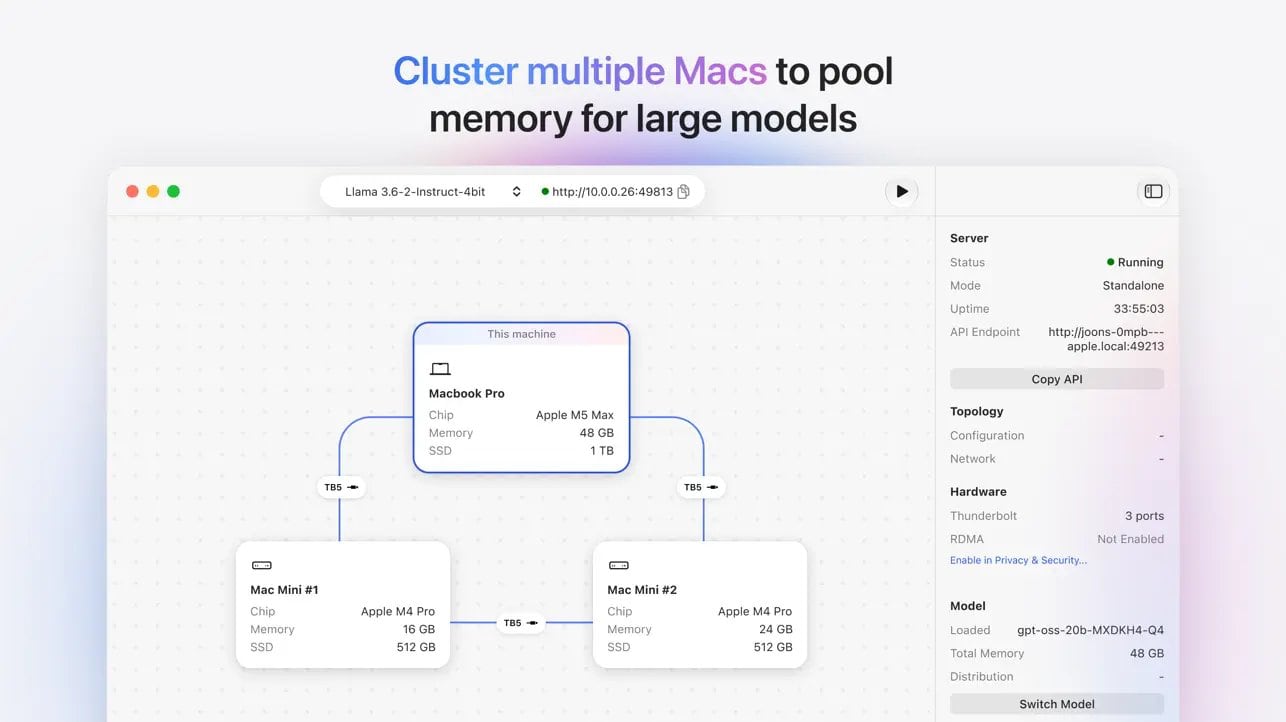
Harbor works with a single Apple silicon Mac, but it also supports connecting multiple Mac computers over Thunderbolt 5 to pool unified memory for larger models. Apple added RDMA over Thunderbolt 5 with macOS Tahoe 26.2, making clustering faster.
Harbor detects devices connected over Thunderbolt 5 and lets users browse for, download, and load open-weight models. It's described as an easy-to-use app with no manual configuration required.
Harbor turns your Mac into a private AI inference server. Run open-weight models locally on Apple silicon—your data never leaves your hardware, and nothing reaches the cloud. Connect multiple Mac computers over Thunderbolt 5 to pool unified memory, enabling large models and higher concurrency than a single computer can handle alone.
Set up in minutes, not hours. Harbor automatically detects your devices over Thunderbolt 5 to form a cluster. Plug in, start, and you're running—no manual configuration, no command line, no infrastructure expertise required.
Download and run models directly. Browse, download, and load open-weight models from within the app. Harbor handles model management so you can focus on the work, not the setup.
Cluster for scale. Connect two or more Thunderbolt 5-capable Mac computers and Harbor pools their unified memory into a single inference resource. Run models that exceed any single computer's capacity, or serve more concurrent requests across your cluster.
Harbor is in early access and is not publicly available. There was an App Store listing, but it has now been removed.
Claris is known for its database platform FileMaker, which is aimed at businesses, so it isn't clear how Apple will market the Harbor app or whether it will be free. The sign-up page for Harbor asks for a company name, which suggests more of a business focus.
There are already well-known, free alternatives for Mac users who want to run a local AI server. Exo is an open-source tool for clustering Macs, and LM Studio is available for single-Mac use, but Apple's Harbor app appears to combine LM Studio's simple interface with clustering. This article, "Apple's Claris Testing 'Harbor' App for Local AI on Macs" first appeared on MacRumors.com
The Apple launches keep coming! The company is set to release two new products on Friday, November 13: the all-new Apple HomeView and the fourth-generation Apple TV 4K, both of which have been available to pre-order since mid-October.
Apple HomeView: Apple's new smart home display, powered by Apple Intelligence with Siri AI, for entertainment and managing the home. Available in tabletop and wall-mounted models, it can recognize up to six users by face, each with a personalized Home Screen. The HomeView is priced at $299.
Apple TV 4K: adds Siri AI, the A19 chip, an updated Siri Remote with Find My, and support for four-speaker surround sound with HomePod mini 2. The Apple TV 4K comes with 128GB of storage and is priced at $299.
Both products were announced on October 13 alongside the HomePod mini 2, which launched October 30.
As things stand, HomeView will not be sold in the European Union because Siri AI is currently unavailable on iOS in the region due to regulatory constraints. Apple has said it is "working constructively with the EU in an attempt to find a path forward," but has provided no timeline for EU availability. This article, "Apple Launching Two More New Products This Friday" first appeared on MacRumors.com
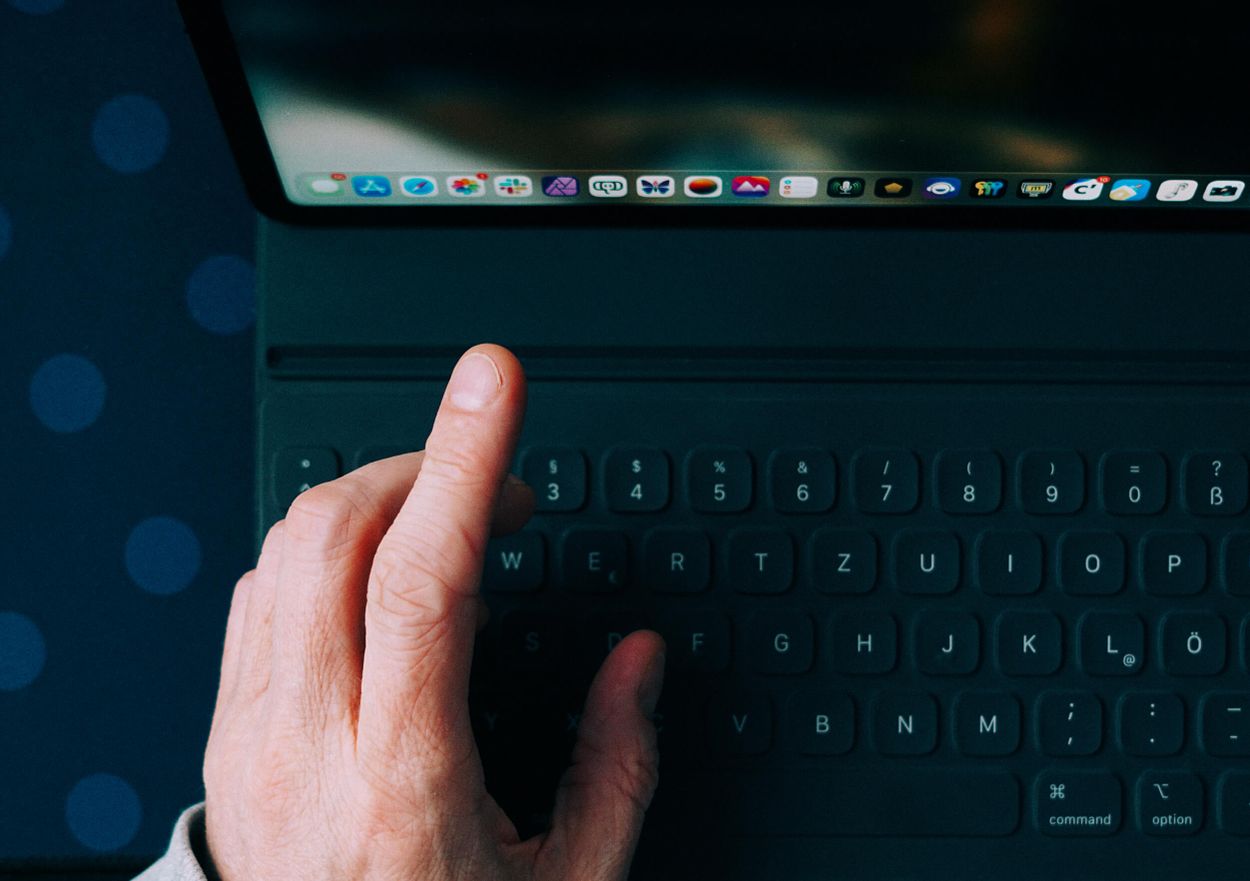
Weniger klicken, mehr tippen: Vor ein paar Wochen bin ich am iPad zum Smart Keyboard Folio zurückgekehrt – dem Vorgänger der Magic Keyboards, ohne Trackpad. Für jede Interaktion mit iPadOS hebt man dort dann seinen Arm und zieht die Finger über den Screen.
Ihr glaubt zu wissen, worauf ich hinauswill, aber seine Finger auszustrecken, Michelangelo-Style, ist überhaupt nicht das Problem, weil ich das iPad dann abziehe. Die Einschränkung beim MacBook ist der „permanente Laptop-Formfaktor“: die Untrennbarkeit von Hackbrett und Touchscreen, die die direkte Manipulation in ihrem vollen Umfang einschränkt.
Fürs neue PROLED ändert Apple nicht den Formfaktor, sondern flanscht Touch dran. Zugegeben: sehr elegant drangeflanscht. Ich bin mir sicher, dass dieses MacBook Pro ausgesprochen exzellent ist.
Warum aber Touch? Das konnte niemand aus Apples Chefetage so richtig sagen; man betonte allem voran die technische Umsetzung.
Mir fehlt die Weitsicht, zu erkennen, was berührungsempfindliche Bildschirme für macOS in dieser Form (!) für ein Problem lösen. Was ist ihr konkreter Anwendungsfall?
Mich kümmern wirklich keine alten Statements oder gescheiterten Experimente – für neue, abgedrehte Hardware stelle ich mich sofort in die Verkaufsschlange. Bitte mehr davon!
Und vielleicht ist das MacBook nur der Auftakt; vielleicht muss jeder Screen zukünftig zu berühren sein.
Aber ich frage mich schon so grundsätzlich: „What’s the game plan?“ iPadOS darf nicht in Laptop-Hardware und macOS nicht auf einen Touchscreen ohne Tastatur?
Featuring a stunning OLED display in an even thinner and lighter design, a huge leap in performance, faster wireless connectivity, and water and dust resistance.
Was ich aus den ersten Reviews mitnehme: Das Duo löst keinesfalls den klassischen Formfaktor ab, sondern erweitert das Portfolio der iPhones. Damit steht es im starken Kontrast zum iPhone X, das die Homebutton-Generationen, die vor ihm kamen, damals augenblicklich beerdigte.
Die Testberichte sind durch die Bank weg lang – teilweise ungewohnt ausartend. Gruber schrieb 8500 Worte; Brownlee filmte 29 Minuten. Ja, es gibt diesmal außergewöhnlich viel zu sagen, gleichermaßen aber auch viele unbeantwortete Fragen.
Man merkt: Die Vorberichte kämpfen nach einer Woche mit den gleichen Fragen, die Apple seit einigen Jahren für das Duo umtreiben. iPad-Apps: Ja oder nein? Ist Touch ID gut genug für diese erste Generation? Passt die „Passport“-Größe?
David Imel schätzt den „aufgaben-orientierten“ Screen; für Nilay Patel ist es maximal ein „status display“. Die Nanotexturbeschichtung der Innenseite und das Scharnier stauben dagegen überall Lob ab.
Was auffällt: Telefonnutzung ist sehr individuell. Die Frage nach der Akkulaufzeit variiert in ihrer Bewertung etwa von „hervorragend“ bis „gerade noch gut genug“.
Apple schoss sich direkt in den eigenen Fuß, indem es App-Store-Updates fürs Duo nicht früher akzeptierte. „Ausstehende Software-Unterstützung“ von Dritt-Apps nimmt in allen Testberichten einen substanziellen Themenblock ein. Mein Gefühl sagt mir inzwischen: Das wird in wenigen Wochen kein dominantes Thema mehr sein.
Software(-Design) bleibt natürlich eine konstante Diskussion; die schlichten Anpassungen an die Bildschirmgröße räumen die meisten Apps aber alsbald vom Tisch. Das Duo steckt nicht in einer Vision-Pro-Situation: Software, die sich nicht anpasst, wechseln Kund:innen aus. Ausnahmen bestätigen diese Regel.
Und welche Apps das Aufklappen rechtfertigen, wer kreativ Menü-Buttons setzt, sind keine Fragen für die erste Woche, sondern für das erste Jahr.
Einige Videoclips haben mich besorgt zusammenzucken lassen: Die Drehung des Duos im aufgefalteten Zustand sieht gelegentlich nicht sehr souverän aus.
Zugegeben: Das liegt auf der Hand (!), ist aber interessant zu beobachten. Ein neues iPhone, das man erstmals neu lernen muss. Angefangen bei den Platzierungen der Hardware-Buttons, die ich so kontrovers nicht vermutet hatte.
HTX Studio bringt, in einem außergewöhnlichen Video, speziell den Kompromiss der Bildschirmgröße noch einmal auf den (Schluss-)Punkt – den man wahrscheinlich nur durch eigenes Ausprobieren für sich beurteilen kann:
Will they become mainstream? I still doubt it because this design has two fundamental conflicts at its core. First, the two screens work against each other. Improve the outer screen and the inner screen becomes a big empty square. Favour the inner screen and the outer screen becomes a passport that’s hard to grip. It’s a zero-sum game. More importantly, whatever the balance, you get a makeshift phone outside and a cut-down tablet inside. Neither delivers the best experience.
„Versand in 2027“ – für Apple zumindest ein verstolperter Start.
Natürlich machen sie viel gute Miene, während hinter der Bühne sicherlich Himmel und Hölle in Bewegung sind. Und klar, diese Vorbestellungen sind im besten Fall nur aufgeschoben.
Bei einer Lieferzeit von mittlerweile drei Monaten werden viele solcher Kaufabsichten aber nicht nur aufgeschoben, sondern gänzlich aufgehoben. In den Stückzahlen, in denen Apple Produkte verkauft, schlagen einige Tage und wenige Wochen bereits signifikant in den Umsatzbüchern auf – oder halt nicht.
Schuldzuweisungen von außen bleiben kaum möglich; niemand weiß, wie hoch die Bestände sind und über welche Nachfrage wir spekulieren. In komplett eigener Hand hatten sie jedoch den Starttermin sowie die Entscheidung über eine länderspezifische Verfügbarkeit.
Beides lief jedoch genau so ab, wie in normalen iPhone-Jahren zuvor.
Natürlich musste das Duo getrennt vom iPhone 18 Pro starten – medial wäre das wirklich exzellente Telefon sonst komplett untergegangen. Länger als einen Monat wollte Apple aber scheinbar nicht warten …
Auch regional zog Apple keine Grenzen: Das Duo startet zeitgleich selbst in meinem Finnland, wohlgemerkt ein Land ohne offiziellen Apple Store …
Ladengeschäfte und Online Stores gelten bei Apple als zwei getrennte Firmen. Gefühlt genießt Retail oft eine höhere Priorität für die Verfügbarkeit von neuen Produkten. Absolut nachvollziehbar: Kund:innen vor Ort will man nicht mit leeren Händen wegschicken; online muss man (psychologisch) ohnehin warten.
Dass es scheinbar aber auch in den Ladengeschäften schwierig werden könnte zeitnah ein Duo mitzunehmen, unterstreicht die eingeschränkte Verfügbarkeit bei einer nicht bekannten Nachfrage. Diese Nachfrage, gepaart mit dem Produktionsanlauf, spielen sicherlich beide eine Rolle bei der Verzögerung.
Insbesondere im US-Markt gilt: Wer bis zu 1.500 US-Dollar für sein nächstes Telefon eingeplant hat, sieht die 2.000 US-Dollar-Marke zumindest in greifbarer Nähe. Und wenn man beim Mobilfunker auf Raten zahlt, ist der höhere Monatspreis oft nur eine Fußnote.
Man könnte argumentieren: Wenn Apple wusste, dass sie nur eine sehr überschaubare Stückzahl anbieten können, nimmt man schlicht den Hype mit.
So funktioniert das aber nicht. Apple will Geräte verkaufen und das Duo braucht nun wirklich keinen Hype.
Für mich riecht’s deshalb nach einer Fehleinschätzung – keine Katastrophe, aber mindestens ein vermeidbarer Stolperer – auch wenn wir nicht die Produktionskapazitäten der nächsten Monate kennen und abwarten müssen, was ab Freitag tatsächlich in den Stores verfügbar ist.
Der A19 Chip im neuen Apple TV 4K liefert eine bis zu 50 Prozent schnellere CPU Performance und eine bis zu doppelt so schnelle GPU Performance als die vorherige Generation – für eine höhere Reaktionsfähigkeit, schnellere Navigation und flüssigere Animationen. Der A19 Chip hat außerdem einen neuen, dedizierten AV1 Decoder, der effizienteres Streaming in hoher Qualität bei geringerem Bandbreitenbedarf ermöglicht.
Der neue Preis tut natürlich besonders weh, wenn man den alten Preis kennt: Mit 170 EUR startete der 4K vor vier Jahren. SSD-Preissteigerungen und RAMp-ups sind für Apples Multimediabox (4th gen) nur Erklärungsausflüchte.
Viel gravierender: 350 EUR stecken die Kiste noch tiefer in eine Produktnische, in der selbst Kund:innen, die es gerne datenschutzfreundlicher und insgesamt netter haben, überlegen müssen.
„Andere Leute kaufen für 350 EUR einen ganzen Fernseher.“
Klar, aber dieses Publikum sprach Apples externe Set-Top-Box schon vorher nicht an.
Auch ein preiswerter „Stick“ – im Stil eines Chromecast – hätte daran wahrscheinlich nichts geändert. Die Produktkategorie der dedizierten Set-Top-Boxen hat sich selbst ein wenig überholt.
Allerdings schnürt Apple ein solches Angebot erst gar nicht. Sie probieren es nicht einmal aus. Apple TV bleibt stationär; nicht mobil und mit entsprechenden Deals auch keine ernstzunehmende Konsole.
Und was sagt eigentlich das hauseigene TV+-Streaming-Department zum Referenzgerät ohne Massenkompatibilität? Wollen sie ihre Inhalte nicht auch über mehr eigene Hardware jagen?
Man muss schon Liebhaber sein, wenn man unbedingt nach einer besseren Fernbedienung und einem runderen Betriebssystem verlangt.
Ich will nicht auf einige Apps verzichten und kann mir den Anschaffungspreis über die Nutzungszeit der Box hinweg schönrechnen. Damit war ich zuvor die Ausnahme, bin jetzt aber die primäre Zielgruppe für den Apple TV.
Ich bleibe erstaunt, wie dünn dieses Update nach besagten vier Jahren dann doch ausfiel. Drei Fernfeldmikrofone, ein AV1-Decoder, ein paar mehr Lautsprecherkombinationen, neue Chips sowie die Möglichkeit, seine Fernbedienung leichter wiederzufinden … Siri AI soll sich auch auf älteren Boxen zeigen …
„That’s it?!“ Mehr Nische führt zu mehr „it’s a hobby“!
Ich halte Apple zugute, nur noch ein einziges 128-GByte-Modell anzubieten. Aber alles – nur ein wenig schneller – ist für eine primäre Streamingbox durchaus wenig Produkt(weiter-)entwicklung.
Ganz eigennützig wünsche ich mir von Apple eine ernste Teilnahme in einem komplett kaputtenMarkt, der ansonsten an meinen Bedürfnissen vorbei funktioniert. Weil ernsthaft gefragt: Was ist eine echte Alternative zum Apple TV?
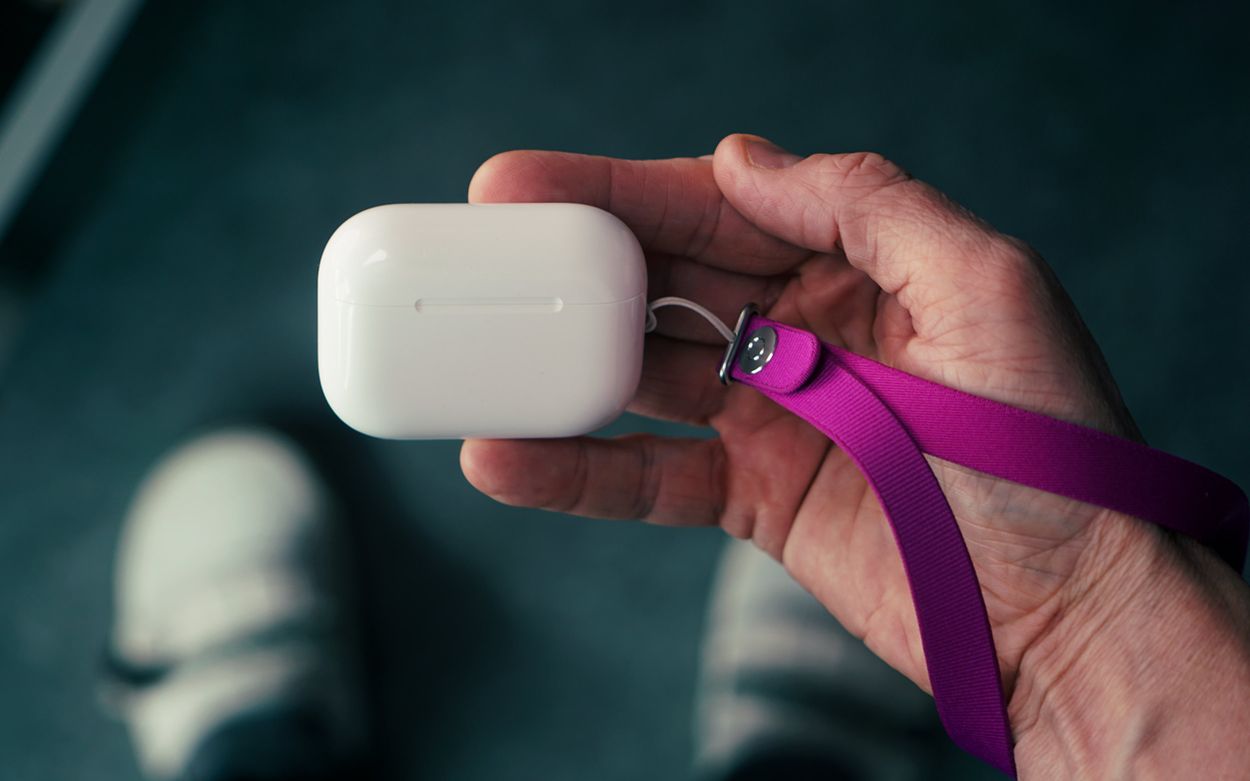
Ignorieren wir den „Hand strap“ für die QuickTake 200, dann sind der iPod touch Loop sowie die Remote Loop die einzigen Bänder fürs Handgelenk aus Apples 50-jähriger Geschichte – zumindest bis letzte Woche.
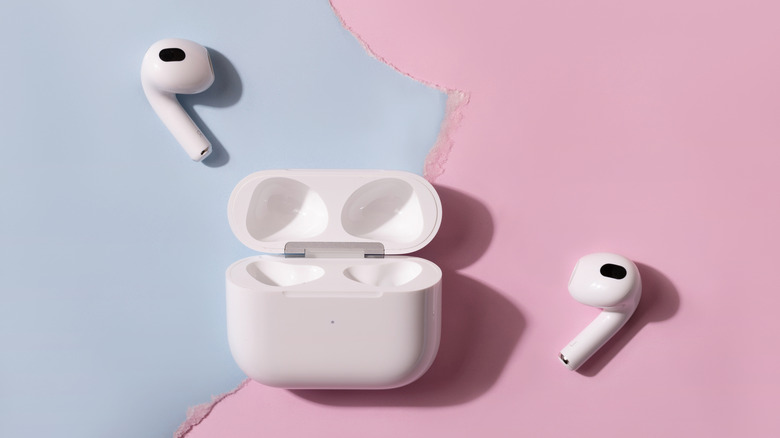
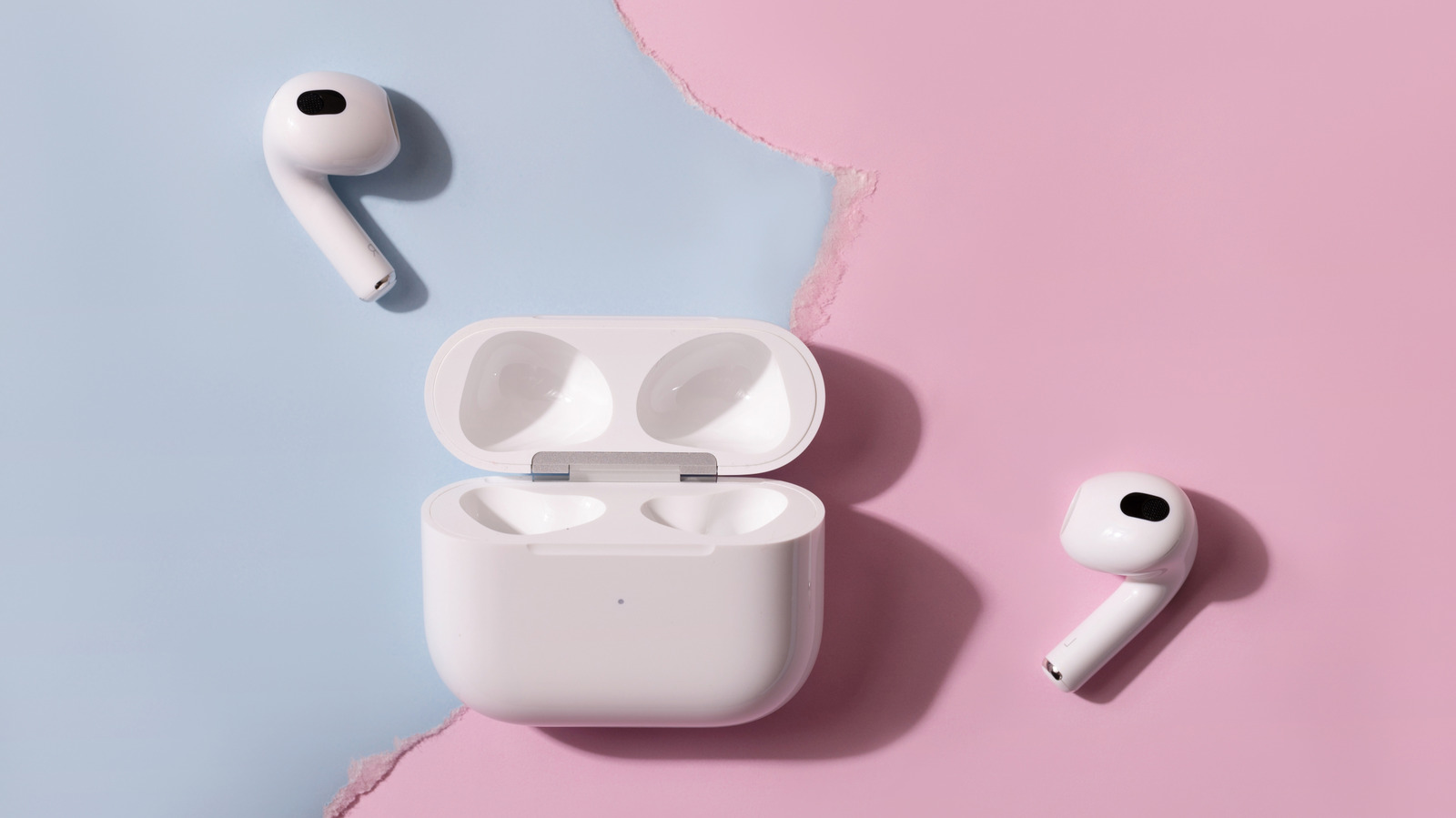
Apples neues Handgelenk Band befestigt man an einer separaten iPhone-Hülle oder etwa direkt am AirPods-Case1. Es orientiert sich am Design des Crossbody Straps aus dem letzten Jahr.
Ich wette, Apples Marge für das 30-Euro-Bändchen stimmt. Trotzdem bleibt der flache Knopf am eng gewebten Garn mit integrierten Magneten erstaunlich nett.
Meine einzige Kritik: Es ist eine relativ dauerhafte Befestigung. Die Handschlaufe lässt sich einfach lösen, die Befestigungsschlaufen fummelt man aber nur mit etwas Aufwand wieder raus.
Als Apple im Jahr 2022 die Öse am Kopfhörer-Case einführte, überließ der Konzern den Zubehörverkauf anderen Herstellern so wie Incase.
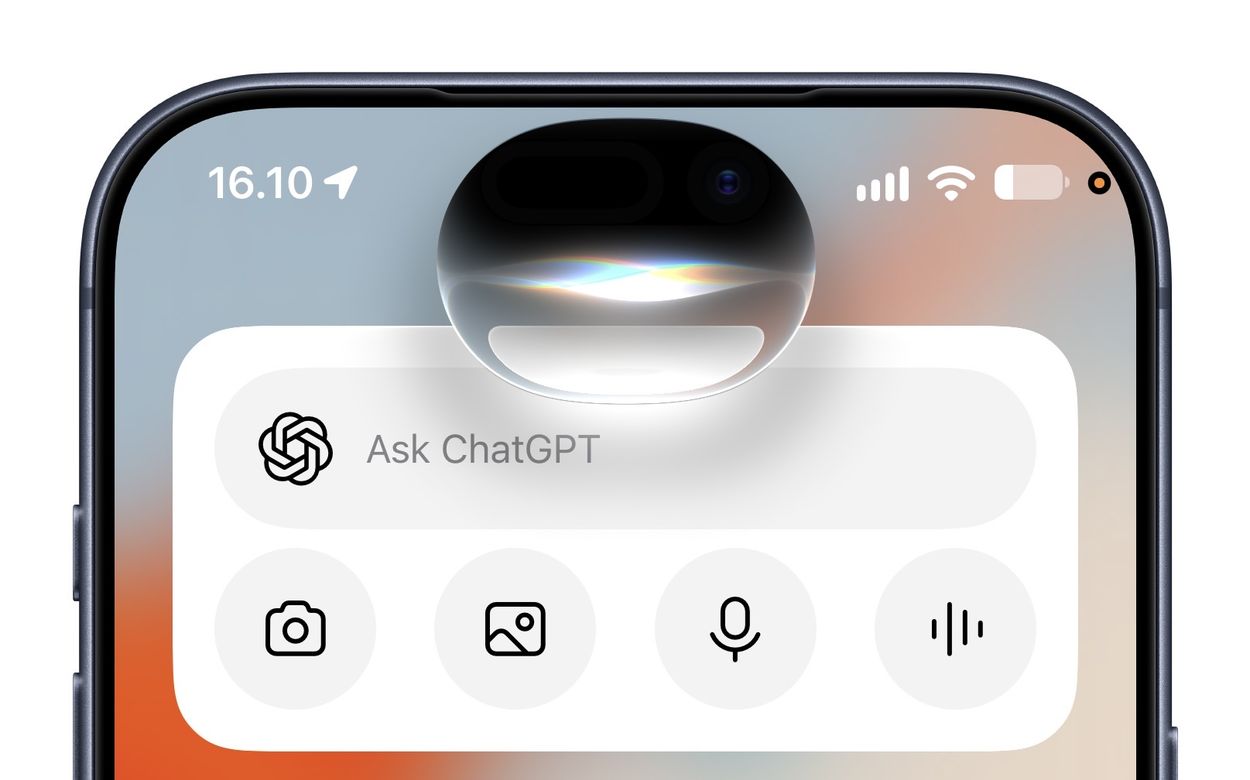
Mit einem US-App-Store-Account zeigt sich Siri AI auch auf iPhones in der EU. So eingeloggt, lassen sich trotzdem noch App-Updates aus dem DE-Store einspielen. Es fehlen jedoch diverse Abo- und Einmalkäufe – wirklich praktikabel ist das also nicht.
Oder direkter: Für mich ist das nicht dauerhaft benutzbar und deshalb lediglich ein glorifizierter Testlauf. Am Vorabend von iOS 27 bin ich mit einem externen KI-Abo sowie einer Voice-zu-Text-Tastatur schlicht besser beraten.
Allerdings ist Apples Chatbot derzeit „designed for the masses“ und ich habe keine Zweifel daran, dass er sie so erreicht. Mit den Integrationen in unsere täglich verwendete Software hat der leuchtende Orb größere Ambitionen.
Und ehrlich gesagt: Für Apple ist das genau der richtige Hebel – nur halt noch nicht in der EU.
Mac and Apple Vision Pro users in the EU will be able to access Siri AI when set to a supported language. Siri AI will not be available initially in the EU in iOS, iPadOS, and watchOS. Apple is working hard to find a path forward that preserves its users’ privacy and security.
Dauerhaft tragbar erscheint mir dieser Fork für Europa allerdings nicht: Siri AI strickt iOS grundsätzlich neu – mit fragwürdigen Opt-ins.
Apples integrierte KI ist nicht einfach nur ein Feature, das man nach Belieben an- und wieder ausknipst. Sie stellt iOS fundamental anders auf; auch wenn das heute noch nicht deutlich erkennbar ist.
Ich empfinde es als untragbar, dass der Digital Markets Act konkurrierenden KI-Assistenten einen Zugriff auf dieselben tiefen OS-Funktionen ermöglichen will – insbesondere wenn man ohnehin nur die Wahl zwischen den KI-Modellen anderer Tech-Riesen hat.
Und trotzdem scheint mir Apple derzeit in einer Situation, die Suppe auslöffeln zu müssen – allein schon deshalb, weil die eigene Weiterentwicklung von iOS es erfordert.
Tim Cook legte charmant für Ternus auf, der dann aber auch direkt verwandelte. Er platzierte das iPhone direkt zum Anpfiff im absoluten Mittelpunkt – von Apple selbst, aber auch als „intelligente und persönliche Zentrale“. Die Aussage war klar: Du brauchst keine anderen KI-Computer!
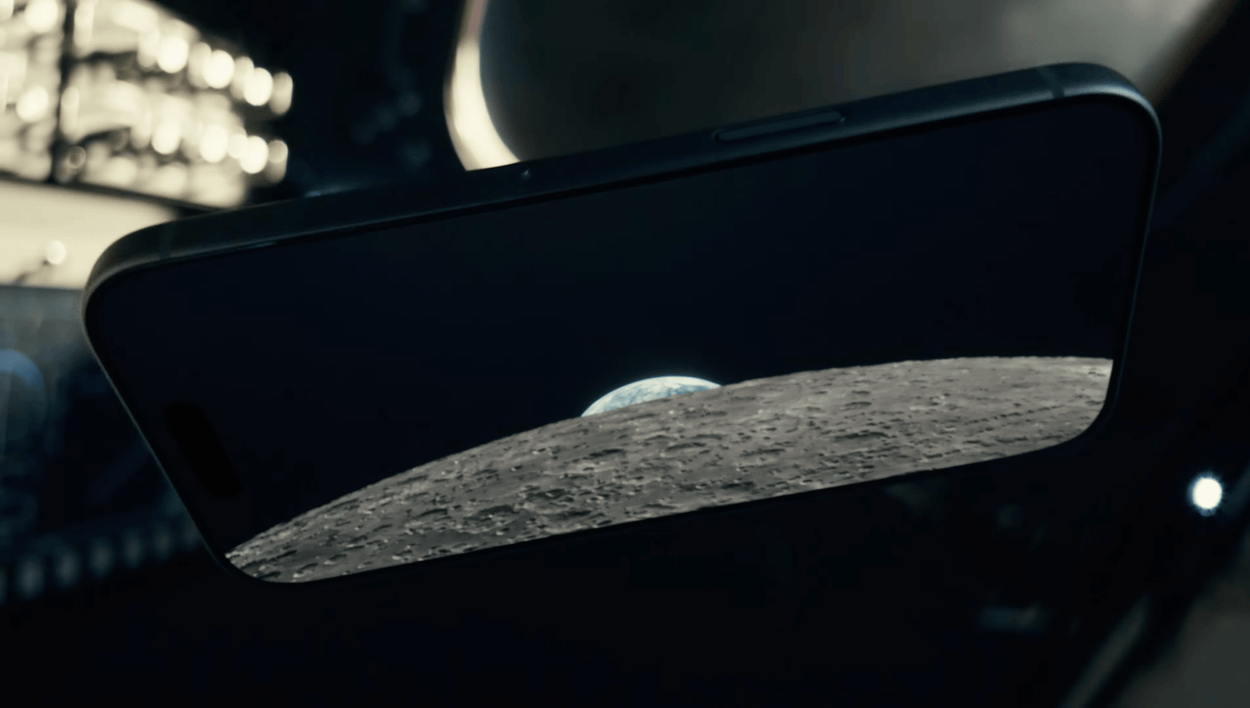
„When you have been to the moon. Where do you go next?“
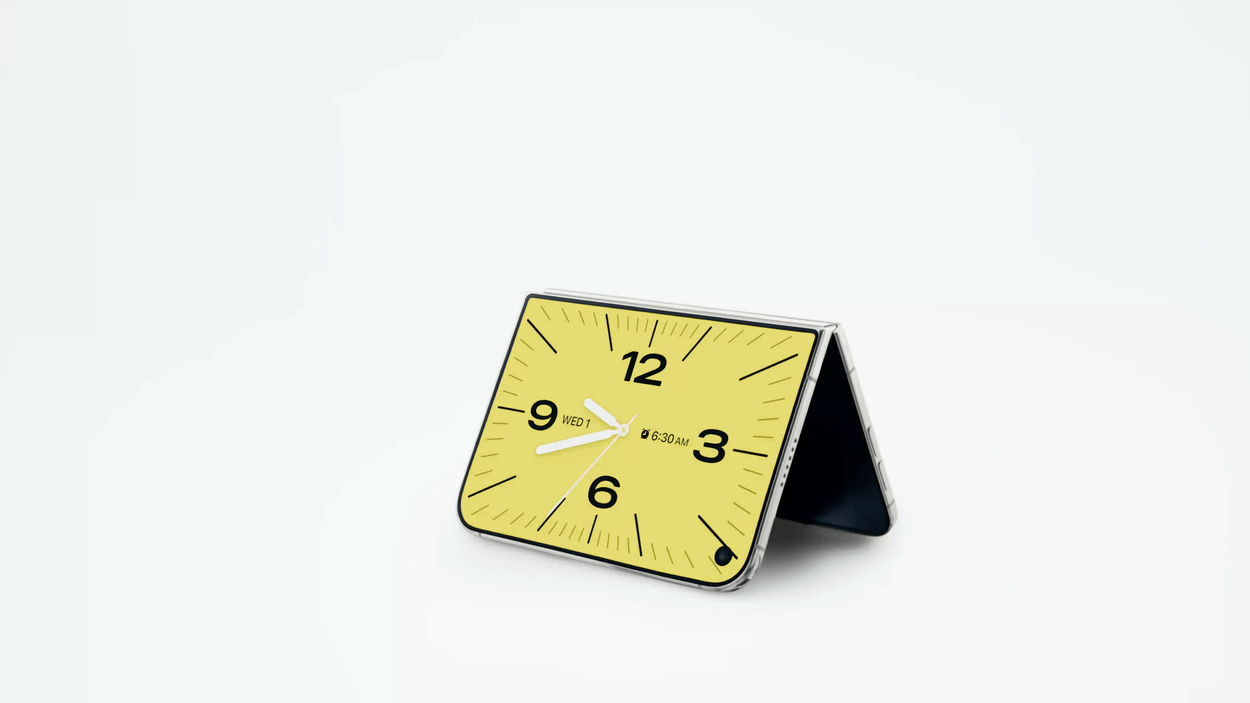
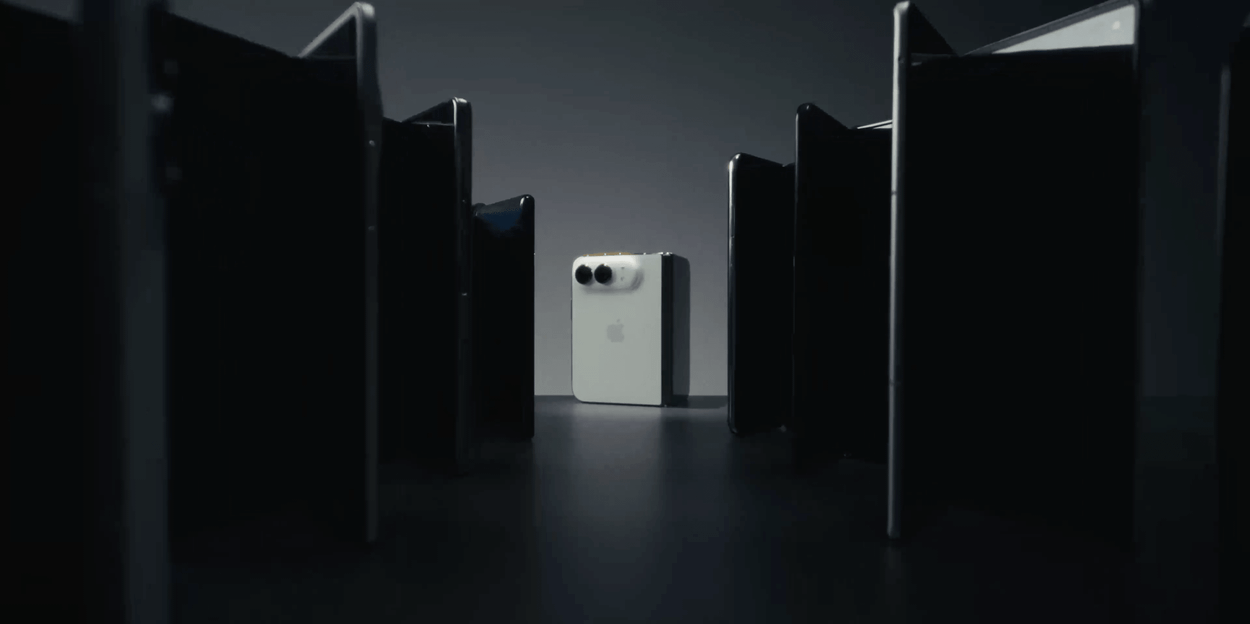
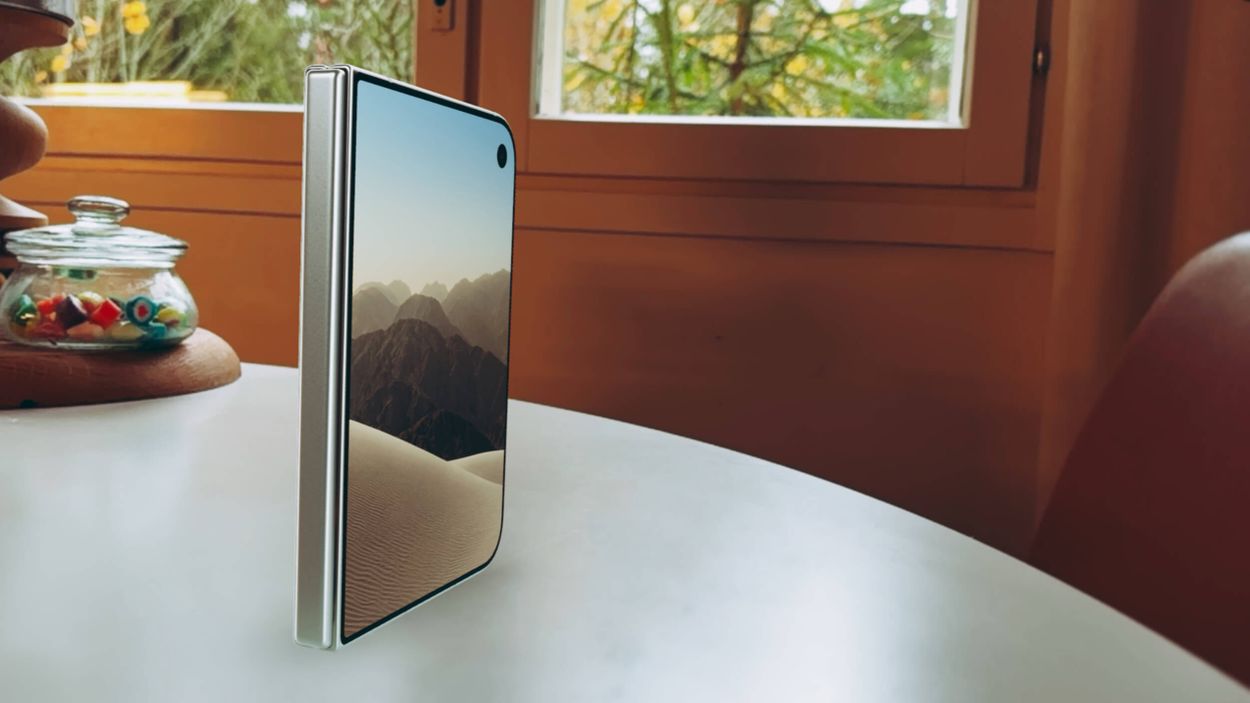
Das Duo zeigt der Industrie den korrekten Fold-Formfaktor – nicht nur mit seiner Reisepassgröße, sondern auch durch die Gleichberechtigung beider Displays. Apples Foldable stellt erstmals die wirklich schwierige Frage: „Warum zwei Bildschirme?“
Das iPhone Air diente mit seiner Hardware im letzten Jahr als vorgeschaltetes Experiment; die Software ist jedoch das Alleinstellungsmerkmal für die neue Form.
Ohne Vorlauf, mit nur wenigen frühzeitig eingeweihten Entwicklerpartnern sowie einer Preismarke, die jeder rechtfertigen muss, wird es zweifellos ein holpriger Anlauf. Wir wissen nicht einmal, ob Apple alle seine eigenen Apps zum Start im Oktober vorbereitet hat.
Und der Preis ist der Preis. Dieses Telefon wird mit seiner zweiten Generation und einem möglicherweise überstandenen RAMageddon nicht günstiger. Der Preis bleibt der Preis.
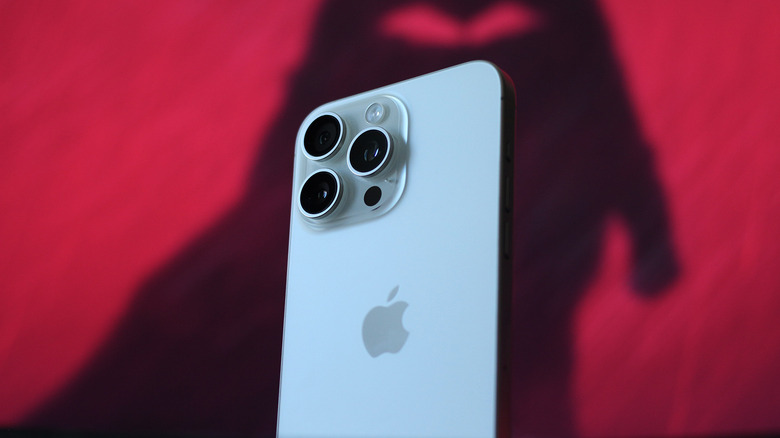
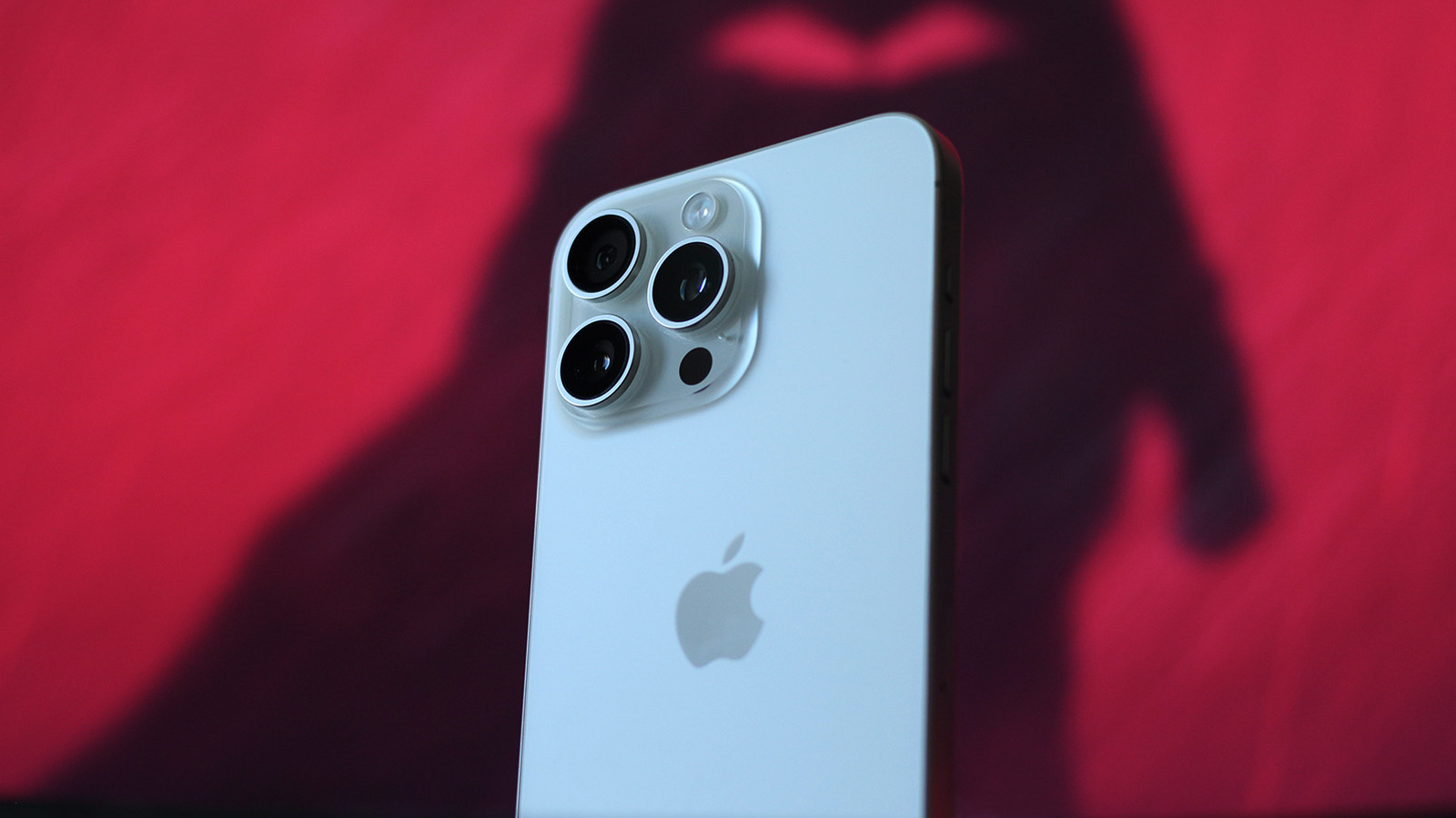
Deshalb ist die Software so wichtig; sie entscheidet darüber, ob man damit mehr macht als mit Apples wohl bestem iPhone ever – dem 18 Pro (Max).
Diese Animation … „I can’t.“
Die Kompromisse fallen überraschend überschaubar aus. Wer die Pro-Video- und Fotofunktionen vermisst, ist hier nicht die Zielgruppe. Kein Action Button, kein Face ID und das insgesamt reduzierte Kamerasystem werfen trotzdem die Frage auf: Warum mehr bezahlen für weniger?
Plus, Mini und Air hatten nie eine Chance, sich besser zu verkaufen als Apples Standard- und Pro-Modelle. Zugegeben: Das war auch nie ihre Aufgabe.
Aber welche Aufgabe hat das Duo? Es ist zu anders, um nur ein weiteres Modell in der Aufstellung zu sein. Es ist nicht nur eine andere Verpackung der gleichen Idee.
Das ist derzeit nur Marketing; aber ist das auch ein ausgerufenes Ziel? Bleibt es mehr als zwei Generationen im Line-up, um dafür auch nur annähernd eine Chance zu bekommen? Mit dem Duo lebt etwa das Standby-Feature wieder auf, das nach seiner ersten Vorstellung vor drei Jahren quasi vergessen wurde.
Das Duo ist Apples Chance, eigene Produkte zu kannibalisieren – von kleinen iPads bis zu großen Telefonen. Es bietet die Möglichkeit, sich breiter aufzustellen und die Abhängigkeit vom klassischen iPhone-Geschäft auf mehr Schultern zu verteilen.
Deshalb die Frage: Neues iPhone oder tatsächlich neuer Computer?
In other words, AI isn’t just making electronics cost more. The memory shortage is changing which electronics companies bother making in the first place.
Der Aufhänger des Artikels ist das iPhone – was auch sonst.
Der Artikel selbst reicht allerdings darüber hinaus, hätte aber noch stärker auf die sichtbaren Folgen eingehen sollen – „AI is killing the cheap smartphone“.
But that model breaks when memory prices spike as much as they’re now spiking. The sub-$100 smartphone risks becoming “permanently uneconomical” as a product. And that means that the budget smartphone makers have been forced to pass memory costs onto consumers: smartphones that sold for $50 are now selling for $120 or more. And price-sensitive consumers have responded by simply not buying phones. […]
In India, the sub-$100 smartphone market collapsed 59 percent year-on-year in the first quarter of 2026: surging memory prices resulted in a “forced premiumization” of the Indian smartphone market. But in the poorest markets, such premiumization isn’t a possibility. In 2025, 81 percent of smartphone shipments in Africa were in the sub-$200 category: as smartphone prices surge, many African consumers will simply be priced out of phone ownership entirely.
Apple verzichtete auf Preiserhöhungen seiner Telefone – nicht nur in den letzten Monaten, sondern auch in den letzten Jahren, und griff damit indirekt dem Servicegeschäft unter die Arme.
Es wird interessant, wie viele Kund:innen von neuen Pro-Modellen und noch teureren Falt-Telefonen das wirklich interessiert – insbesondere mit neuen Leasing-Optionen sowie monatlichen Ratenzahlungen über Mobilfunkanbieter.
Relevanter ist sicherlich eine (neue?) Preisgestaltung für das hervorragende Standard-iPhone 17 sowie das nachfolgende Modell, das voraussichtlich aber erst im Frühling 2027 erscheint.
 Anmelden



 – dem 18 Pro (Max).