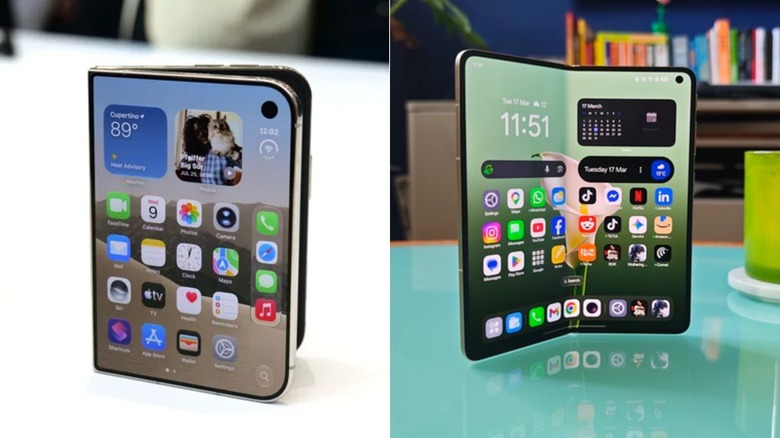
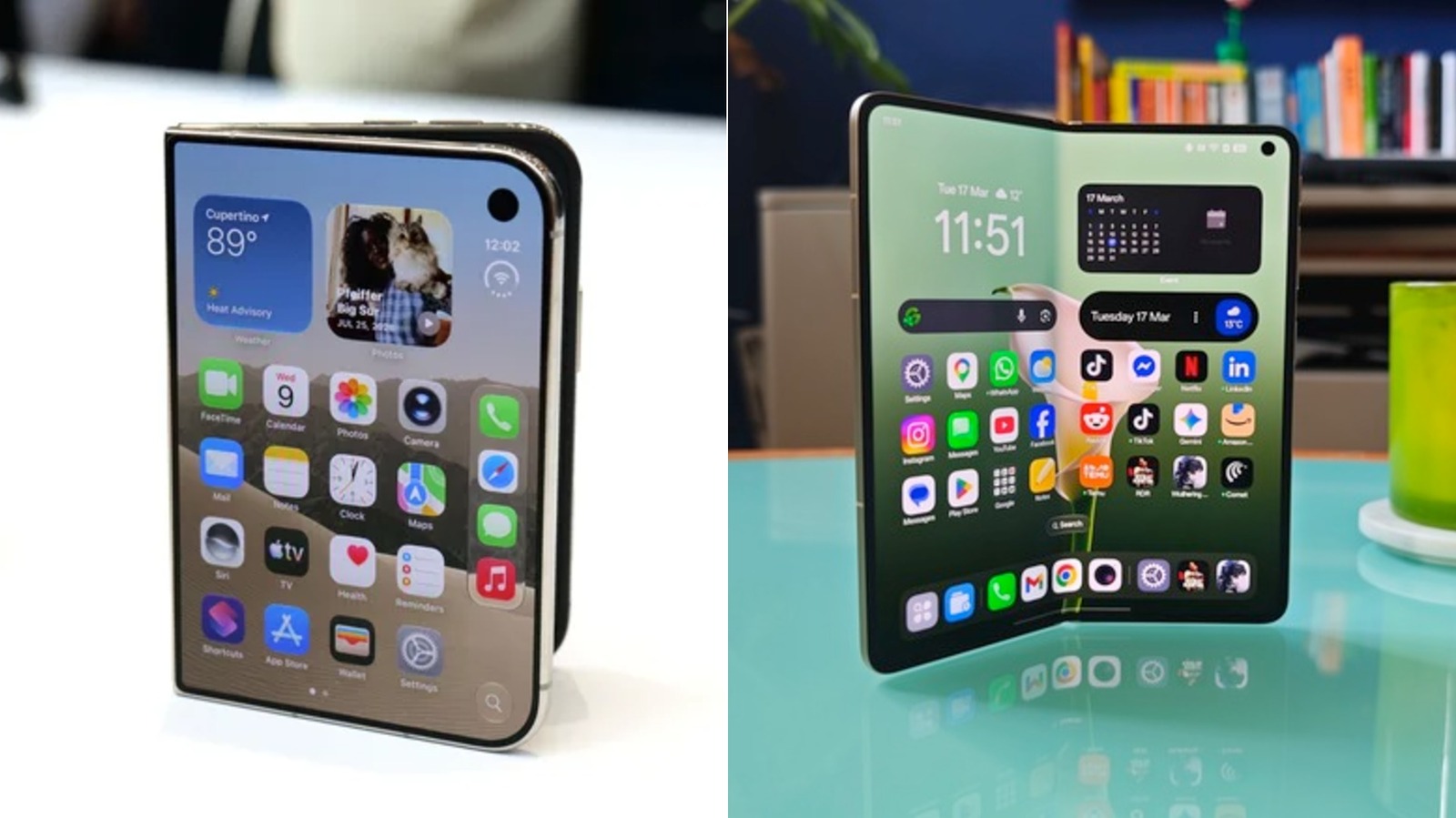
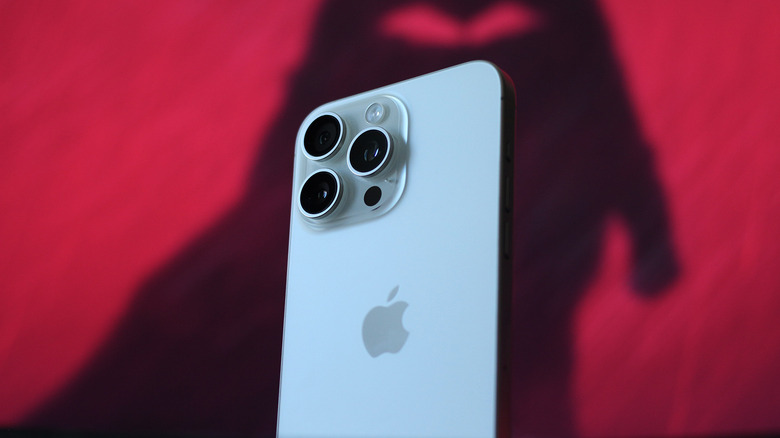
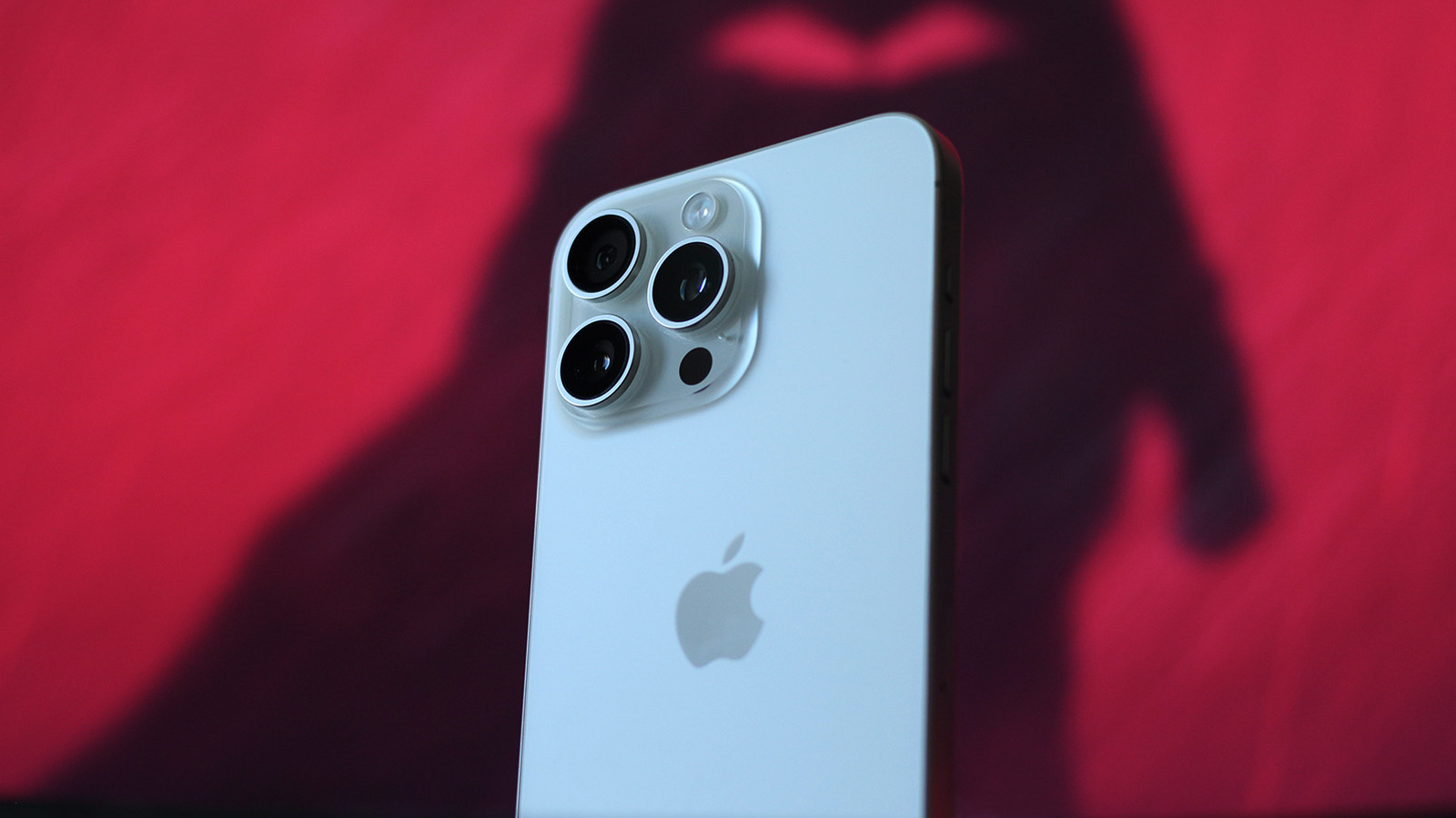
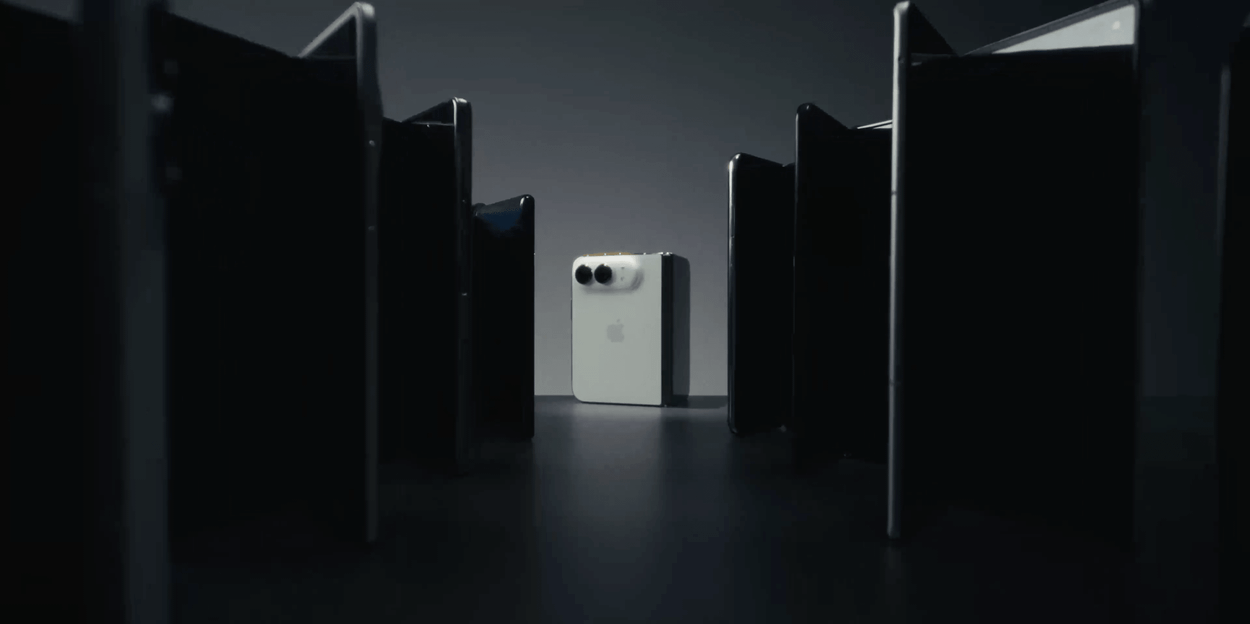
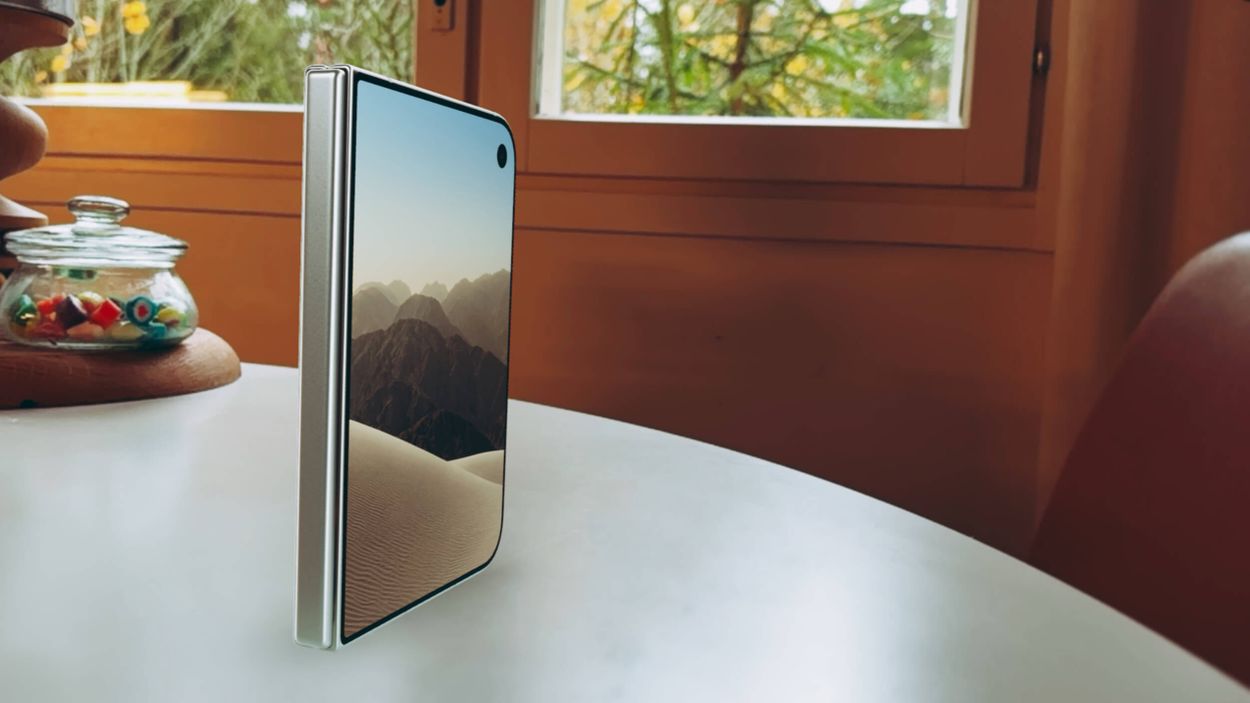
The foldable smartphone scene is exploding as Apple has just announced it is finally entering the arena. Here's how the iPhone Duo compares to the Oppo Find N6.
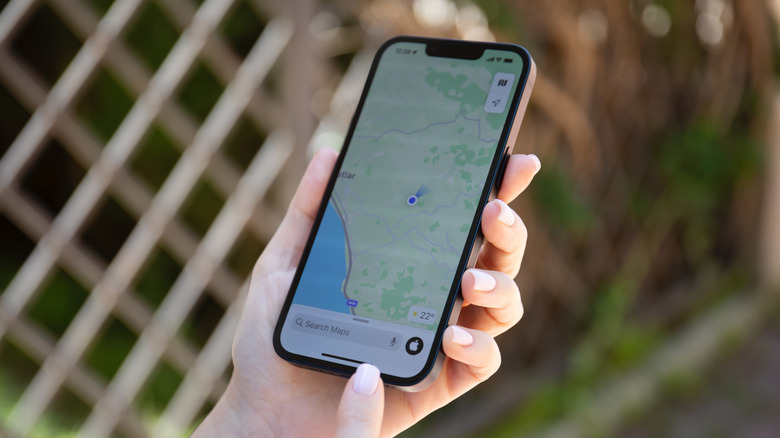
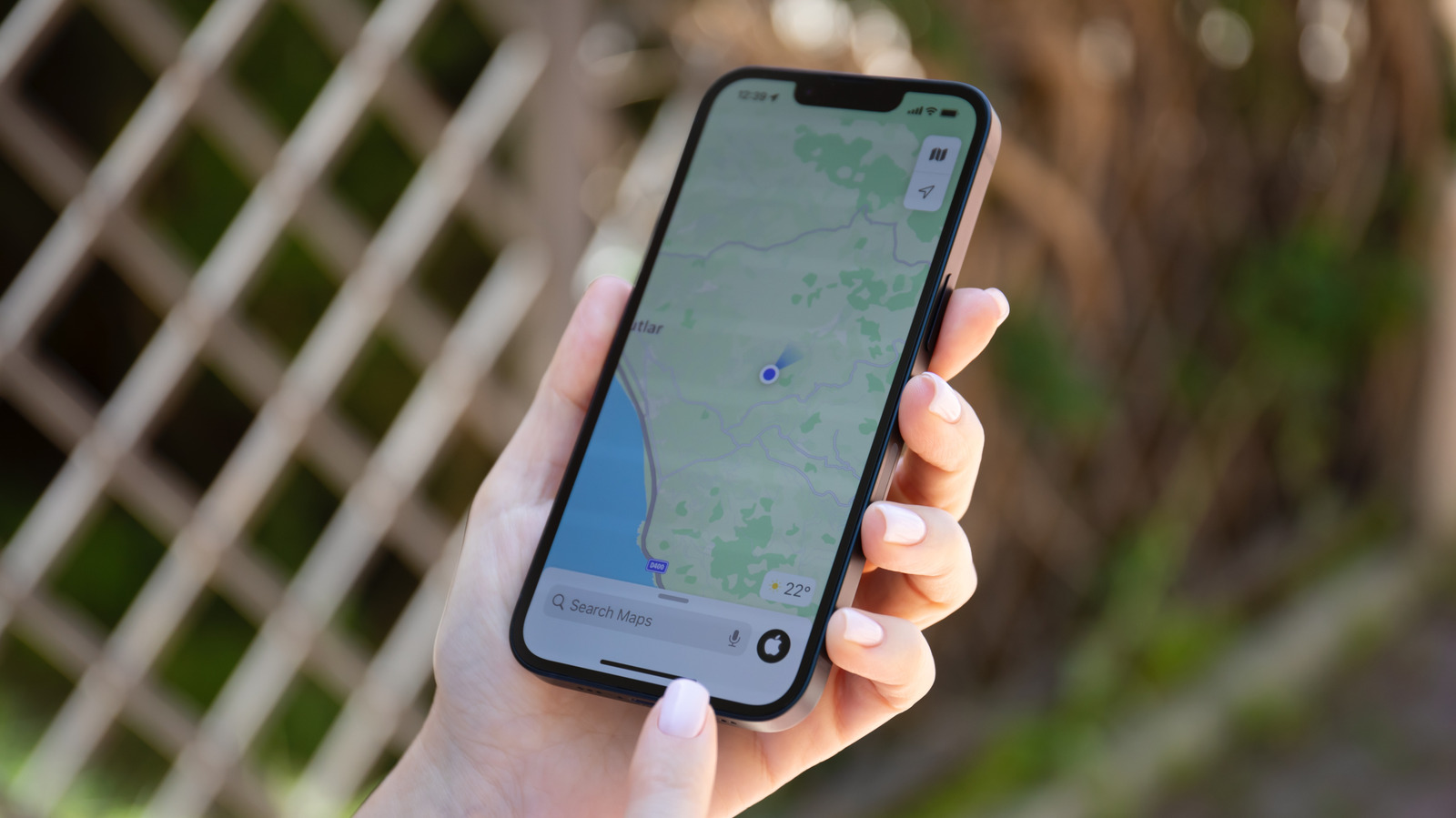
Apple Maps isn't just about the big-ticket features; it has a range of lesser-known features that are just as useful. Here are some of the most notable.
Apple is releasing two new products today, Friday, November 13: the all-new Apple HomeView and the fourth-generation Apple TV 4K, both of which have been available to pre-order since mid-October.
Apple HomeView: Apple's new smart home display, powered by Apple Intelligence with Siri AI, for entertainment and managing the home. Available in tabletop and wall-mounted models, it can recognize up to six users by face, each with a personalized Home Screen. The HomeView is priced at $299.
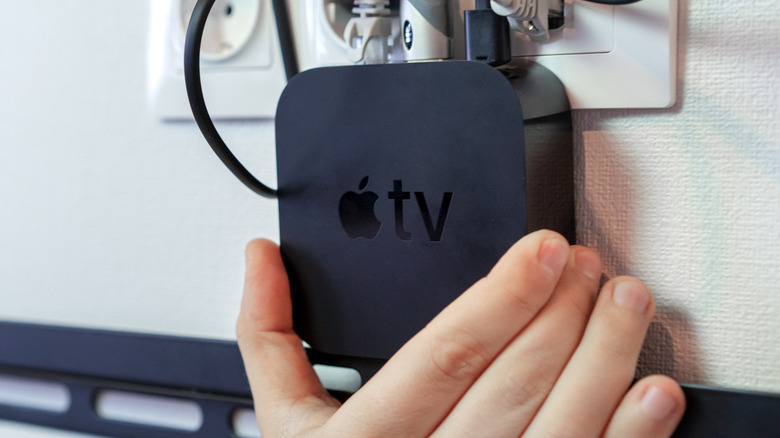
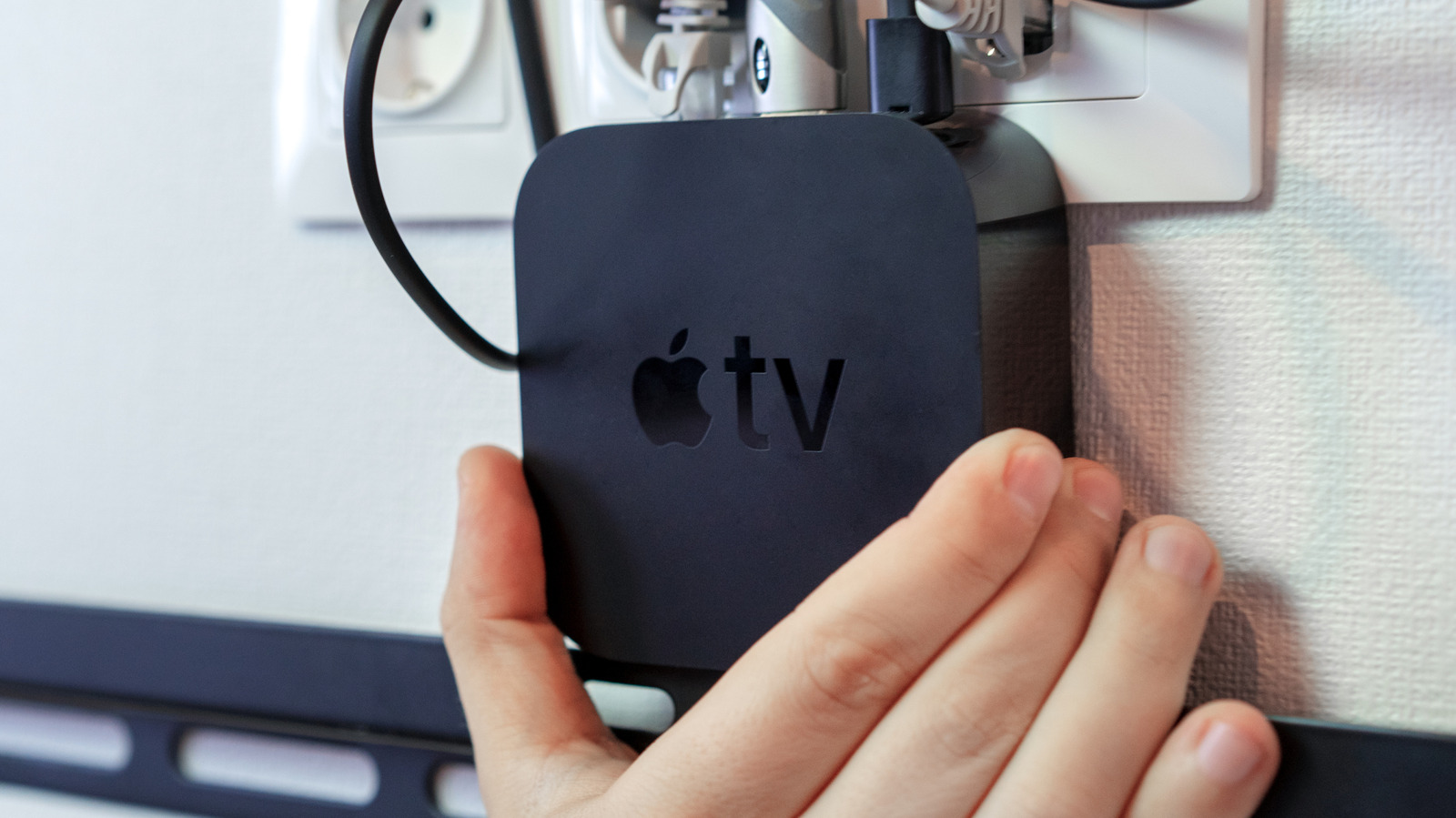
Apple TV 4K: adds Siri AI, the A19 chip, an updated Siri Remote with Find My, and support for four-speaker surround sound with HomePod mini 2. The Apple TV 4K comes with 128GB of storage and is priced at $299.
Both products were announced on October 13 alongside the HomePod mini 2, which launched October 30.
As things stand, HomeView is not sold in the European Union because Siri AI is currently unavailable on iOS in the region due to regulatory constraints. Apple has said it is "working constructively with the EU in an attempt to find a path forward," but has provided no timeline for EU availability. This article, "Apple Launches Two Products Today" first appeared on MacRumors.com
Nintendo will stop allowing users to sign in to their Nintendo Account with an Apple or Google account on January 26, 2027, the company has announced.
Users will also no longer be able to create a Nintendo Account through either service. Nintendo has not explained why it is removing the options, but notes that the exact cutoff could be delayed depending on the progress of its system updates.
After the change, users will need to sign in with their Nintendo Account email address or Sign-In ID and password, or use a passkey. Nintendo says users who are already signed in on a device may not need to sign in again immediately.
Anyone who usually signs in through Apple or Google should check that they know their Nintendo Account login details before the deadline. Those who have never set a password, or have forgotten it, can select "Forgot your password?" on the Nintendo Account login page to request a reset email.
Users who chose to hide their email address with Sign in with Apple may have an Apple-generated relay address registered with Nintendo. Messages sent to that address are forwarded to their personal inbox. Nintendo advises anyone who can no longer access their registered email address to contact its support team.
Nintendo also recommends registering a passkey, which allows users to sign in using their device's fingerprint or facial recognition system instead of a password. The My Nintendo Platinum Points mission for linking a Google account will be discontinued as part of the change.
Apple on Tuesday abruptly placed the Apple Support Community into a read-only state and announced that the forums will be permanently closing on Friday, November 20. Those who contributed to the site — some for more than two decades — were blindsided by this decision and had no chance to post farewell messages.
Even if you felt the Apple Support Community contained too many generic or unhelpful answers from users trying to boost their post counts and earn points, the people volunteering their time to the site still deserved a proper goodbye.
Below, we have highlighted some of those people and their experiences.
Jeff Donald from Florida was a member of the Apple Support Community since November 2000, when the forums were still known as Apple Discussions. This past year, Apple recognized his efforts by inviting him to the Apple Community+ program, which launched in 2022 and provided members with a few extra perks and experiences.
Leroy Douglas was a member since July 2009. He said he was a bit shocked to see Apple's sudden announcement, but he saw the writing on the wall.
Here is a fun fact that you might not have known: In addition to English, Tobias Steen in Germany said there were also Apple Support Communities in Chinese, French, German, Japanese, Korean, Portuguese, and Spanish. For some reason, the French and German versions do not have closure notices, but we are told they will meet the same fate.
The forums brought together people of all ages, from 16-year-old Evan Bato Rousseau in France to 83-year-old Nobel Prize winner Sir Tim Hunt in England, who told us he found it to be a helpful resource, even if some of the answers were wonky.
John Daniel, the Canadian developer of macOS diagnostic tool EtreCheck, said he was active in the Apple Support Community for more than two decades. Users like him who reached "Level 6" or higher based on their contributions received access to The Lounge, a private category of forums where Apple employees sometimes participated.
Prior to 2020, John said Apple occasionally hosted in-person meetups for Support Community members, including a special visit to Apple Park.
"I don't agree with comments that so many are making about the Apple Support Community right now," he said, in response to those who described it as useless. "We regularly solved problems, identified significant issues with Apple projects, traced the cause of bugs and fixed them, and always learned new things. That's what I'm going to miss."
Elías Rojano Núñez of Chile participated in the Spanish forums. He told us that he found it deeply satisfying when he was able to help others, and he was saddened that the Spanish forums were shuttered without any advanced notice, but he is grateful for the opportunity that he had and will always value the interactions he had with fellow contributors.
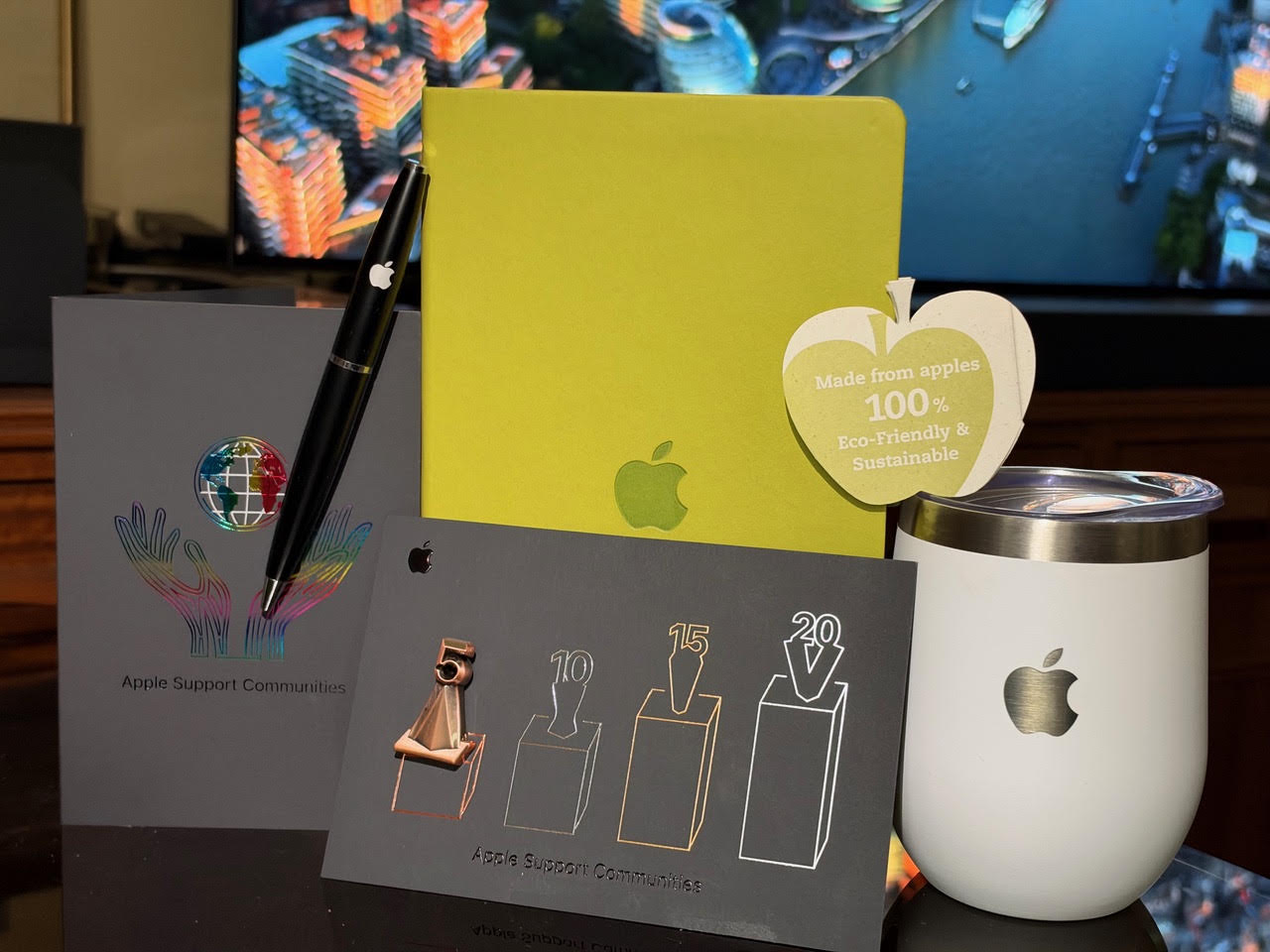
Rojano Núñez shared a photo of some of the items he received from Apple over the years, including a 5-year Apple Support Community anniversary pin. There were also 10-year, 15-year, and 20-year pins. Over the years, merchandise given out included Apple-branded hats, shirts, tote bags, and even umbrellas once.
Whatever its shortcomings, the Apple Support Community was more than just a place to ask questions. For some, it was a place to belong.
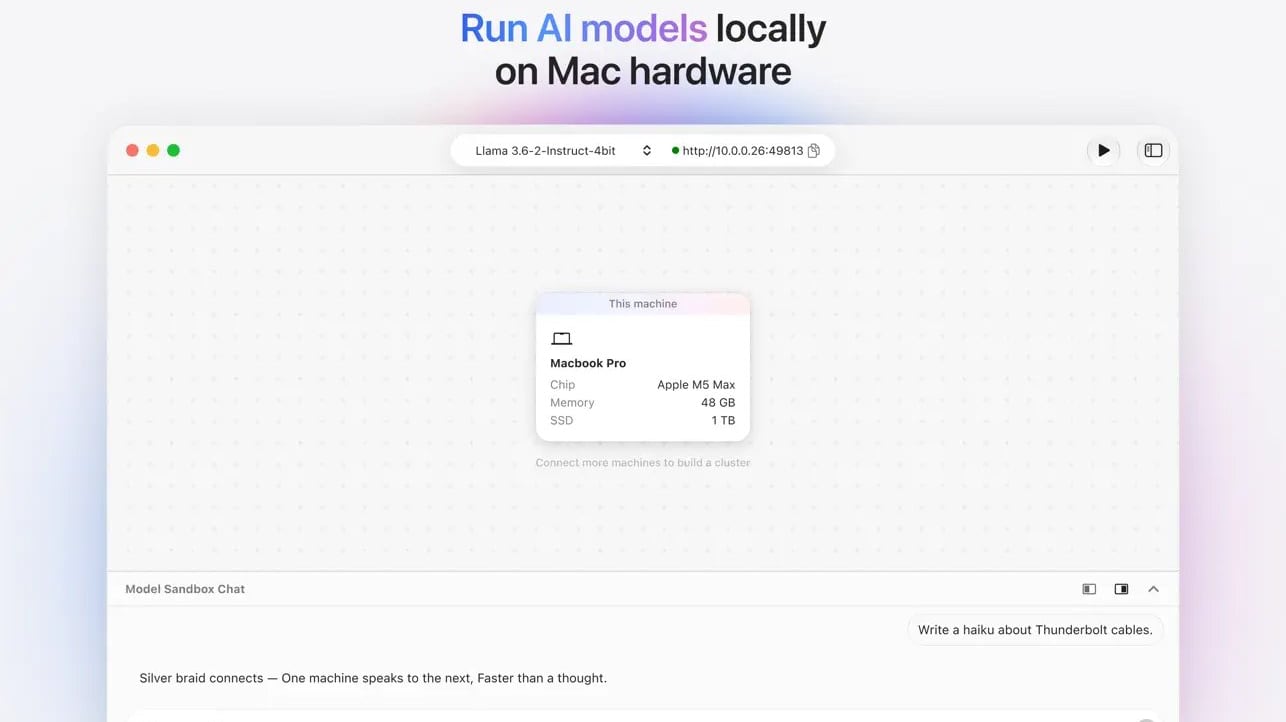
Apple's Claris subsidiary is testing an app called Harbor, which turns Apple silicon Macs into a private AI server.
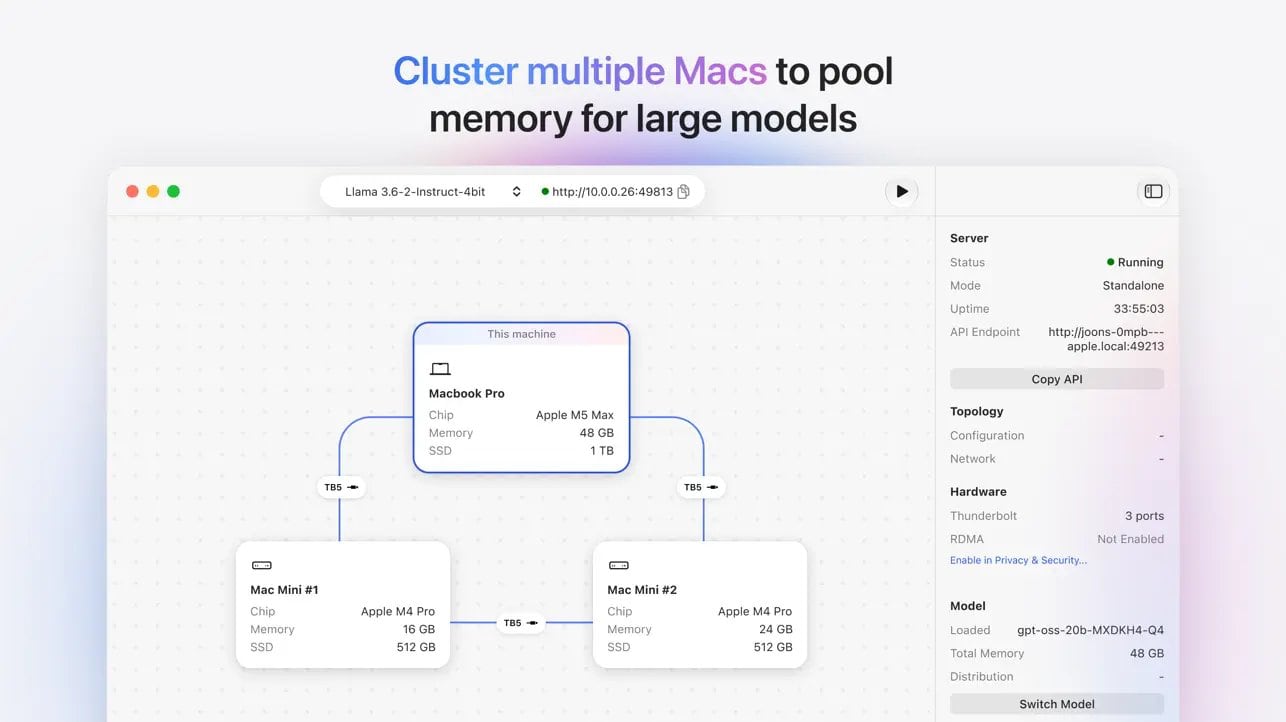
Harbor works with a single Apple silicon Mac, but it also supports connecting multiple Mac computers over Thunderbolt 5 to pool unified memory for larger models. Apple added RDMA over Thunderbolt 5 with macOS Tahoe 26.2, making clustering faster.
Harbor detects devices connected over Thunderbolt 5 and lets users browse for, download, and load open-weight models. It's described as an easy-to-use app with no manual configuration required.
Harbor turns your Mac into a private AI inference server. Run open-weight models locally on Apple silicon—your data never leaves your hardware, and nothing reaches the cloud. Connect multiple Mac computers over Thunderbolt 5 to pool unified memory, enabling large models and higher concurrency than a single computer can handle alone.
Set up in minutes, not hours. Harbor automatically detects your devices over Thunderbolt 5 to form a cluster. Plug in, start, and you're running—no manual configuration, no command line, no infrastructure expertise required.
Download and run models directly. Browse, download, and load open-weight models from within the app. Harbor handles model management so you can focus on the work, not the setup.
Cluster for scale. Connect two or more Thunderbolt 5-capable Mac computers and Harbor pools their unified memory into a single inference resource. Run models that exceed any single computer's capacity, or serve more concurrent requests across your cluster.
Harbor is in early access and is not publicly available. There was an App Store listing, but it has now been removed.
Claris is known for its database platform FileMaker, which is aimed at businesses, so it isn't clear how Apple will market the Harbor app or whether it will be free. The sign-up page for Harbor asks for a company name, which suggests more of a business focus.
There are already well-known, free alternatives for Mac users who want to run a local AI server. Exo is an open-source tool for clustering Macs, and LM Studio is available for single-Mac use, but Apple's Harbor app appears to combine LM Studio's simple interface with clustering. This article, "Apple's Claris Testing 'Harbor' App for Local AI on Macs" first appeared on MacRumors.com
The Apple launches keep coming! The company is set to release two new products on Friday, November 13: the all-new Apple HomeView and the fourth-generation Apple TV 4K, both of which have been available to pre-order since mid-October.
Apple HomeView: Apple's new smart home display, powered by Apple Intelligence with Siri AI, for entertainment and managing the home. Available in tabletop and wall-mounted models, it can recognize up to six users by face, each with a personalized Home Screen. The HomeView is priced at $299.
Apple TV 4K: adds Siri AI, the A19 chip, an updated Siri Remote with Find My, and support for four-speaker surround sound with HomePod mini 2. The Apple TV 4K comes with 128GB of storage and is priced at $299.
Both products were announced on October 13 alongside the HomePod mini 2, which launched October 30.
As things stand, HomeView will not be sold in the European Union because Siri AI is currently unavailable on iOS in the region due to regulatory constraints. Apple has said it is "working constructively with the EU in an attempt to find a path forward," but has provided no timeline for EU availability. This article, "Apple Launching Two More New Products This Friday" first appeared on MacRumors.com
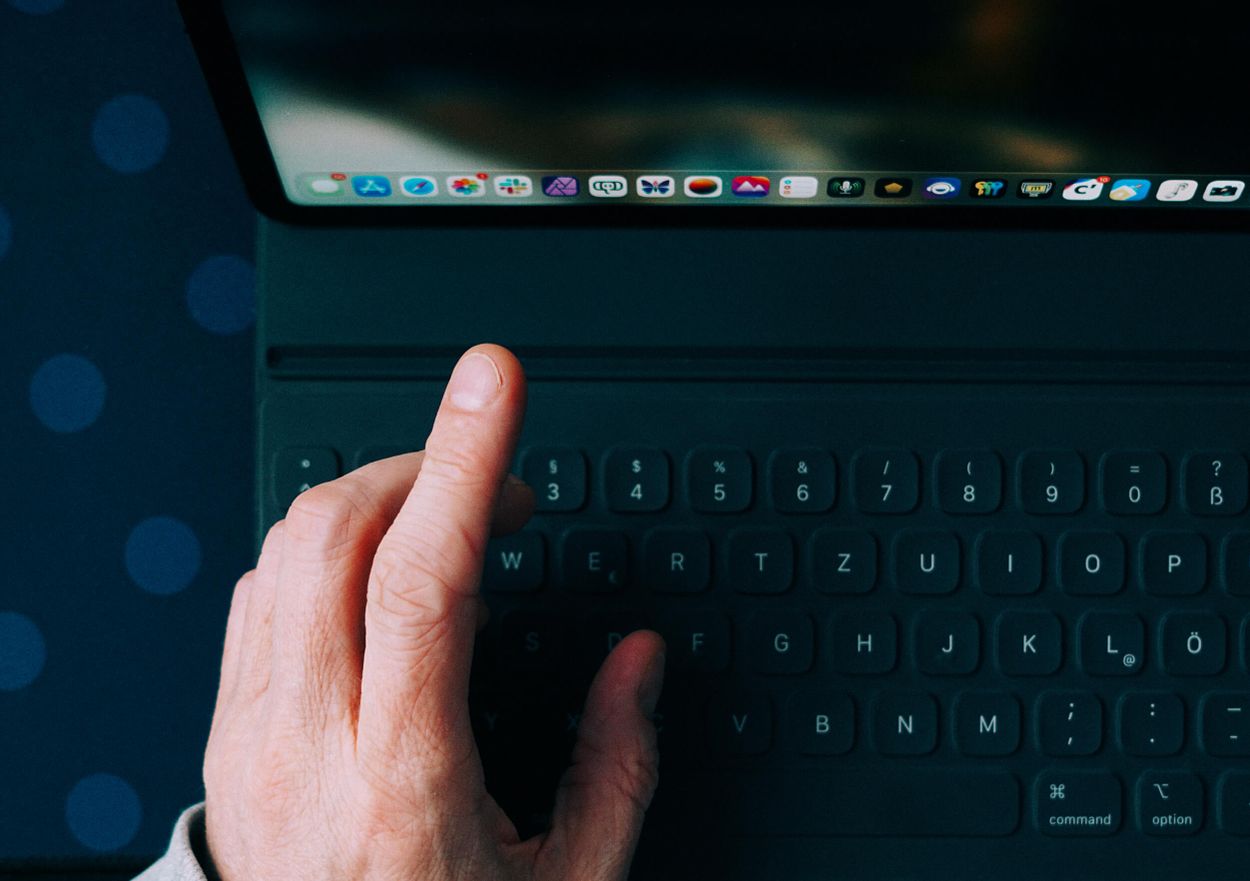
Weniger klicken, mehr tippen: Vor ein paar Wochen bin ich am iPad zum Smart Keyboard Folio zurückgekehrt – dem Vorgänger der Magic Keyboards, ohne Trackpad. Für jede Interaktion mit iPadOS hebt man dort dann seinen Arm und zieht die Finger über den Screen.
Ihr glaubt zu wissen, worauf ich hinauswill, aber seine Finger auszustrecken, Michelangelo-Style, ist überhaupt nicht das Problem, weil ich das iPad dann abziehe. Die Einschränkung beim MacBook ist der „permanente Laptop-Formfaktor“: die Untrennbarkeit von Hackbrett und Touchscreen, die die direkte Manipulation in ihrem vollen Umfang einschränkt.
Fürs neue PROLED ändert Apple nicht den Formfaktor, sondern flanscht Touch dran. Zugegeben: sehr elegant drangeflanscht. Ich bin mir sicher, dass dieses MacBook Pro ausgesprochen exzellent ist.
Warum aber Touch? Das konnte niemand aus Apples Chefetage so richtig sagen; man betonte allem voran die technische Umsetzung.
Mir fehlt die Weitsicht, zu erkennen, was berührungsempfindliche Bildschirme für macOS in dieser Form (!) für ein Problem lösen. Was ist ihr konkreter Anwendungsfall?
Mich kümmern wirklich keine alten Statements oder gescheiterten Experimente – für neue, abgedrehte Hardware stelle ich mich sofort in die Verkaufsschlange. Bitte mehr davon!
Und vielleicht ist das MacBook nur der Auftakt; vielleicht muss jeder Screen zukünftig zu berühren sein.
Aber ich frage mich schon so grundsätzlich: „What’s the game plan?“ iPadOS darf nicht in Laptop-Hardware und macOS nicht auf einen Touchscreen ohne Tastatur?
Featuring a stunning OLED display in an even thinner and lighter design, a huge leap in performance, faster wireless connectivity, and water and dust resistance.
Was ich aus den ersten Reviews mitnehme: Das Duo löst keinesfalls den klassischen Formfaktor ab, sondern erweitert das Portfolio der iPhones. Damit steht es im starken Kontrast zum iPhone X, das die Homebutton-Generationen, die vor ihm kamen, damals augenblicklich beerdigte.
Die Testberichte sind durch die Bank weg lang – teilweise ungewohnt ausartend. Gruber schrieb 8500 Worte; Brownlee filmte 29 Minuten. Ja, es gibt diesmal außergewöhnlich viel zu sagen, gleichermaßen aber auch viele unbeantwortete Fragen.
Man merkt: Die Vorberichte kämpfen nach einer Woche mit den gleichen Fragen, die Apple seit einigen Jahren für das Duo umtreiben. iPad-Apps: Ja oder nein? Ist Touch ID gut genug für diese erste Generation? Passt die „Passport“-Größe?
David Imel schätzt den „aufgaben-orientierten“ Screen; für Nilay Patel ist es maximal ein „status display“. Die Nanotexturbeschichtung der Innenseite und das Scharnier stauben dagegen überall Lob ab.
Was auffällt: Telefonnutzung ist sehr individuell. Die Frage nach der Akkulaufzeit variiert in ihrer Bewertung etwa von „hervorragend“ bis „gerade noch gut genug“.
Apple schoss sich direkt in den eigenen Fuß, indem es App-Store-Updates fürs Duo nicht früher akzeptierte. „Ausstehende Software-Unterstützung“ von Dritt-Apps nimmt in allen Testberichten einen substanziellen Themenblock ein. Mein Gefühl sagt mir inzwischen: Das wird in wenigen Wochen kein dominantes Thema mehr sein.
Software(-Design) bleibt natürlich eine konstante Diskussion; die schlichten Anpassungen an die Bildschirmgröße räumen die meisten Apps aber alsbald vom Tisch. Das Duo steckt nicht in einer Vision-Pro-Situation: Software, die sich nicht anpasst, wechseln Kund:innen aus. Ausnahmen bestätigen diese Regel.
Und welche Apps das Aufklappen rechtfertigen, wer kreativ Menü-Buttons setzt, sind keine Fragen für die erste Woche, sondern für das erste Jahr.
Einige Videoclips haben mich besorgt zusammenzucken lassen: Die Drehung des Duos im aufgefalteten Zustand sieht gelegentlich nicht sehr souverän aus.
Zugegeben: Das liegt auf der Hand (!), ist aber interessant zu beobachten. Ein neues iPhone, das man erstmals neu lernen muss. Angefangen bei den Platzierungen der Hardware-Buttons, die ich so kontrovers nicht vermutet hatte.
HTX Studio bringt, in einem außergewöhnlichen Video, speziell den Kompromiss der Bildschirmgröße noch einmal auf den (Schluss-)Punkt – den man wahrscheinlich nur durch eigenes Ausprobieren für sich beurteilen kann:
Will they become mainstream? I still doubt it because this design has two fundamental conflicts at its core. First, the two screens work against each other. Improve the outer screen and the inner screen becomes a big empty square. Favour the inner screen and the outer screen becomes a passport that’s hard to grip. It’s a zero-sum game. More importantly, whatever the balance, you get a makeshift phone outside and a cut-down tablet inside. Neither delivers the best experience.
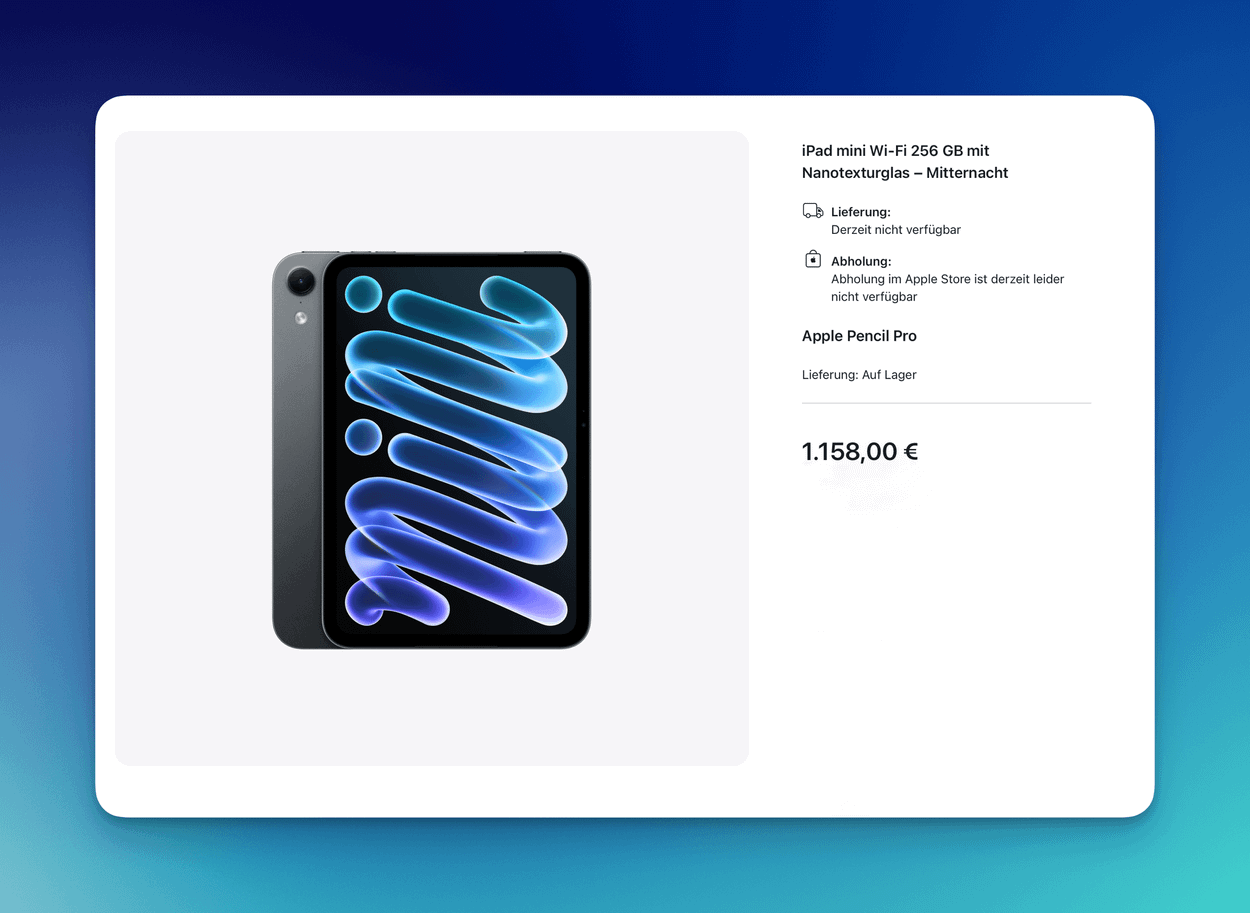
„Versand in 2027“ – für Apple zumindest ein verstolperter Start.
Natürlich machen sie viel gute Miene, während hinter der Bühne sicherlich Himmel und Hölle in Bewegung sind. Und klar, diese Vorbestellungen sind im besten Fall nur aufgeschoben.
Bei einer Lieferzeit von mittlerweile drei Monaten werden viele solcher Kaufabsichten aber nicht nur aufgeschoben, sondern gänzlich aufgehoben. In den Stückzahlen, in denen Apple Produkte verkauft, schlagen einige Tage und wenige Wochen bereits signifikant in den Umsatzbüchern auf – oder halt nicht.
Schuldzuweisungen von außen bleiben kaum möglich; niemand weiß, wie hoch die Bestände sind und über welche Nachfrage wir spekulieren. In komplett eigener Hand hatten sie jedoch den Starttermin sowie die Entscheidung über eine länderspezifische Verfügbarkeit.
Beides lief jedoch genau so ab, wie in normalen iPhone-Jahren zuvor.
Natürlich musste das Duo getrennt vom iPhone 18 Pro starten – medial wäre das wirklich exzellente Telefon sonst komplett untergegangen. Länger als einen Monat wollte Apple aber scheinbar nicht warten …
Auch regional zog Apple keine Grenzen: Das Duo startet zeitgleich selbst in meinem Finnland, wohlgemerkt ein Land ohne offiziellen Apple Store …
Ladengeschäfte und Online Stores gelten bei Apple als zwei getrennte Firmen. Gefühlt genießt Retail oft eine höhere Priorität für die Verfügbarkeit von neuen Produkten. Absolut nachvollziehbar: Kund:innen vor Ort will man nicht mit leeren Händen wegschicken; online muss man (psychologisch) ohnehin warten.
Dass es scheinbar aber auch in den Ladengeschäften schwierig werden könnte zeitnah ein Duo mitzunehmen, unterstreicht die eingeschränkte Verfügbarkeit bei einer nicht bekannten Nachfrage. Diese Nachfrage, gepaart mit dem Produktionsanlauf, spielen sicherlich beide eine Rolle bei der Verzögerung.
Insbesondere im US-Markt gilt: Wer bis zu 1.500 US-Dollar für sein nächstes Telefon eingeplant hat, sieht die 2.000 US-Dollar-Marke zumindest in greifbarer Nähe. Und wenn man beim Mobilfunker auf Raten zahlt, ist der höhere Monatspreis oft nur eine Fußnote.
Man könnte argumentieren: Wenn Apple wusste, dass sie nur eine sehr überschaubare Stückzahl anbieten können, nimmt man schlicht den Hype mit.
So funktioniert das aber nicht. Apple will Geräte verkaufen und das Duo braucht nun wirklich keinen Hype.
Für mich riecht’s deshalb nach einer Fehleinschätzung – keine Katastrophe, aber mindestens ein vermeidbarer Stolperer – auch wenn wir nicht die Produktionskapazitäten der nächsten Monate kennen und abwarten müssen, was ab Freitag tatsächlich in den Stores verfügbar ist.
 Anmelden