❌

Lese-Ansicht

Apple Launches Two Products Today

Apple is releasing two new products today, Friday, November 13: the all-new Apple HomeView and the fourth-generation Apple TV 4K, both of which have been available to pre-order since mid-October.
  • Apple HomeView: Apple's new smart home display, powered by Apple Intelligence with Siri AI, for entertainment and managing the home. Available in tabletop and wall-mounted models, it can recognize up to six users by face, each with a personalized Home Screen. The HomeView is priced at $299.

  • Apple TV 4K: adds Siri AI, the A19 chip, an updated Siri Remote with Find My, and support for four-speaker surround sound with HomePod mini 2. The Apple TV 4K comes with 128GB of storage and is priced at $299.
Both products were announced on October 13 alongside the HomePod mini 2, which launched October 30.

As things stand, HomeView is not sold in the European Union because Siri AI is currently unavailable on iOS in the region due to regulatory constraints. Apple has said it is "working constructively with the EU in an attempt to find a path forward," but has provided no timeline for EU availability.
This article, "Apple Launches Two Products Today" first appeared on MacRumors.com

Discuss this article in our forums
  •  

Apple Support Community Deserved a Proper Goodbye

Apple on Tuesday abruptly placed the Apple Support Community into a read-only state and announced that the forums will be permanently closing on Friday, November 20. Those who contributed to the site — some for more than two decades — were blindsided by this decision and had no chance to post farewell messages.


Even if you felt the Apple Support Community contained too many generic or unhelpful answers from users trying to boost their post counts and earn points, the people volunteering their time to the site still deserved a proper goodbye.

Below, we have highlighted some of those people and their experiences.

Jeff Donald from Florida was a member of the Apple Support Community since November 2000, when the forums were still known as Apple Discussions. This past year, Apple recognized his efforts by inviting him to the Apple Community+ program, which launched in 2022 and provided members with a few extra perks and experiences.

Leroy Douglas was a member since July 2009. He said he was a bit shocked to see Apple's sudden announcement, but he saw the writing on the wall.

Here is a fun fact that you might not have known: In addition to English, Tobias Steen in Germany said there were also Apple Support Communities in Chinese, French, German, Japanese, Korean, Portuguese, and Spanish. For some reason, the French and German versions do not have closure notices, but we are told they will meet the same fate.

The forums brought together people of all ages, from 16-year-old Evan Bato Rousseau in France to 83-year-old Nobel Prize winner Sir Tim Hunt in England, who told us he found it to be a helpful resource, even if some of the answers were wonky.

John Daniel, the Canadian developer of macOS diagnostic tool EtreCheck, said he was active in the Apple Support Community for more than two decades. Users like him who reached "Level 6" or higher based on their contributions received access to The Lounge, a private category of forums where Apple employees sometimes participated.

Prior to 2020, John said Apple occasionally hosted in-person meetups for Support Community members, including a special visit to Apple Park.

"I don't agree with comments that so many are making about the Apple Support Community right now," he said, in response to those who described it as useless. "We regularly solved problems, identified significant issues with Apple projects, traced the cause of bugs and fixed them, and always learned new things. That's what I'm going to miss."

Elías Rojano Núñez of Chile participated in the Spanish forums. He told us that he found it deeply satisfying when he was able to help others, and he was saddened that the Spanish forums were shuttered without any advanced notice, but he is grateful for the opportunity that he had and will always value the interactions he had with fellow contributors.

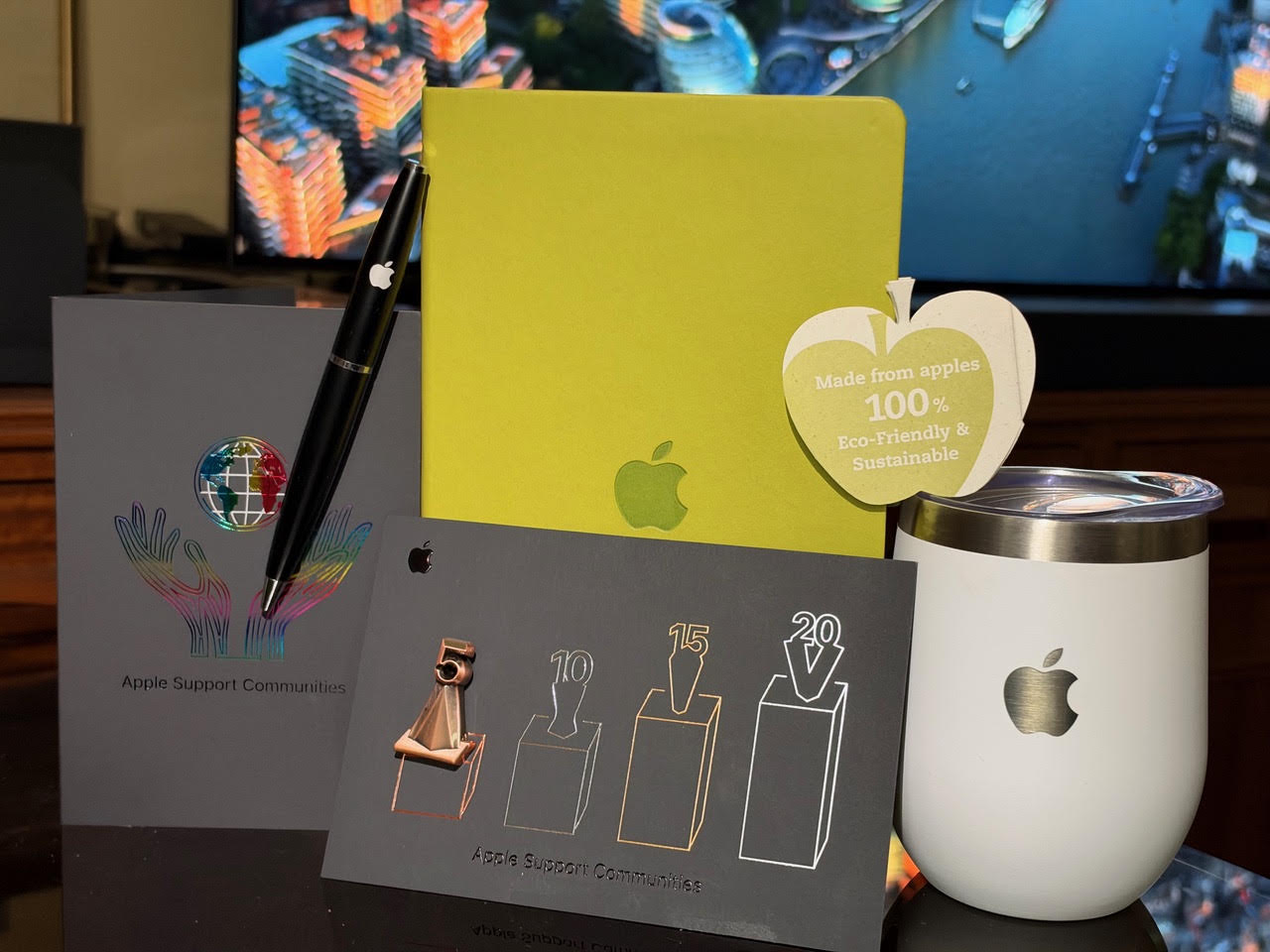
Rojano Núñez shared a photo of some of the items he received from Apple over the years, including a 5-year Apple Support Community anniversary pin. There were also 10-year, 15-year, and 20-year pins. Over the years, merchandise given out included Apple-branded hats, shirts, tote bags, and even umbrellas once.


Whatever its shortcomings, the Apple Support Community was more than just a place to ask questions. For some, it was a place to belong.

To that, we say goodbye and thank you, not good riddance.
This article, "Apple Support Community Deserved a Proper Goodbye" first appeared on MacRumors.com

Discuss this article in our forums
  •  

Apple's Claris Testing 'Harbor' App for Local AI on Macs

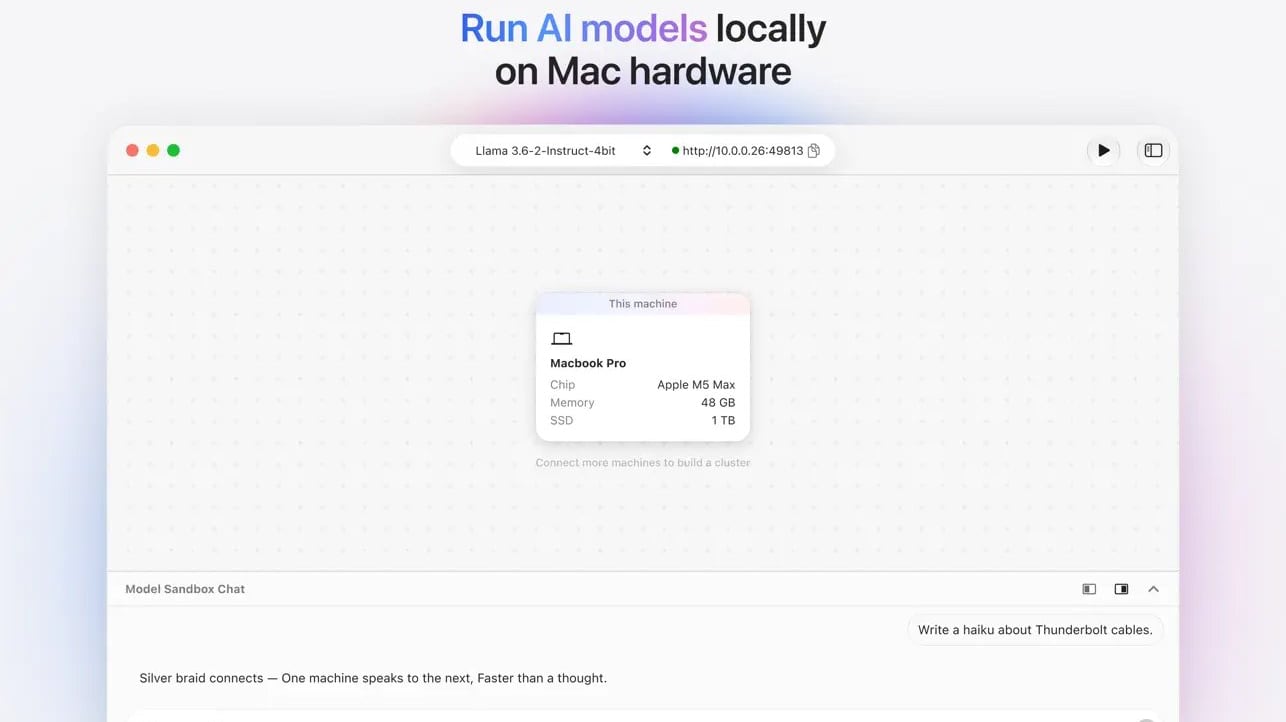
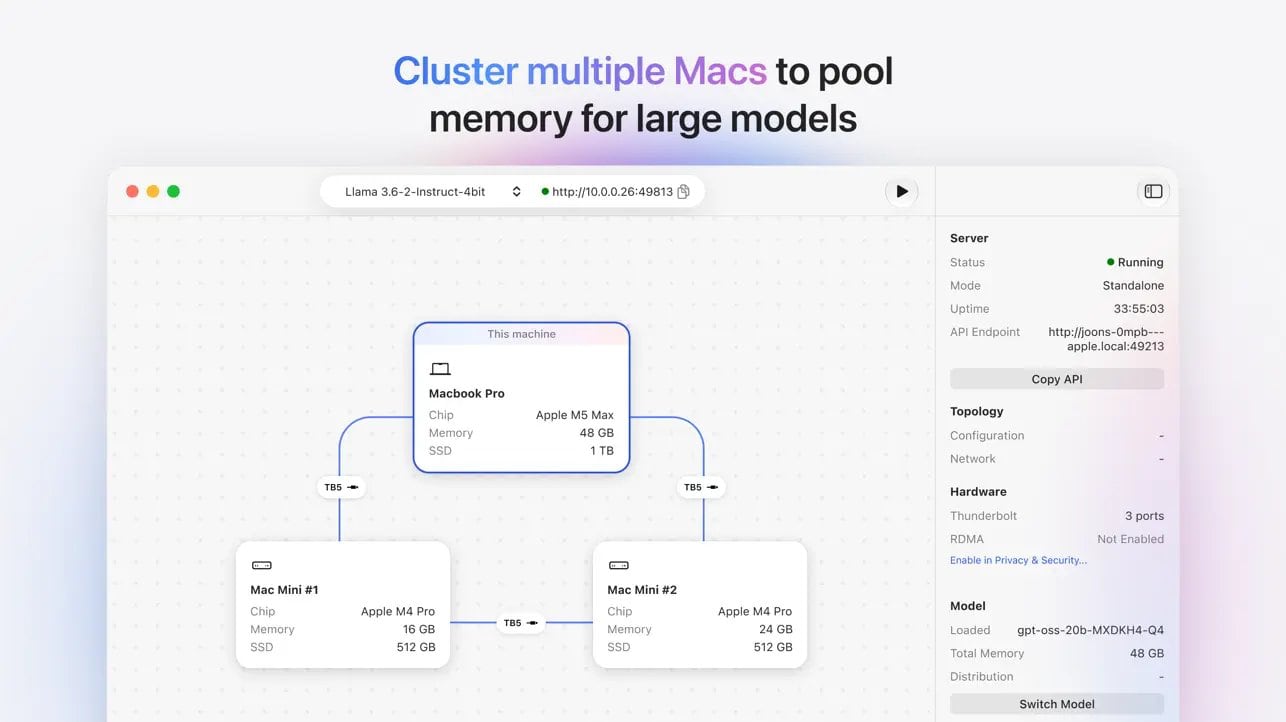
Apple's Claris subsidiary is testing an app called Harbor, which turns Apple silicon Macs into a private AI server.


Harbor works with a single Apple silicon Mac, but it also supports connecting multiple Mac computers over Thunderbolt 5 to pool unified memory for larger models. Apple added RDMA over Thunderbolt 5 with macOS Tahoe 26.2, making clustering faster.

Harbor detects devices connected over Thunderbolt 5 and lets users browse for, download, and load open-weight models. It's described as an easy-to-use app with no manual configuration required.
Harbor turns your Mac into a private AI inference server. Run open-weight models locally on Apple silicon—your data never leaves your hardware, and nothing reaches the cloud. Connect multiple Mac computers over Thunderbolt 5 to pool unified memory, enabling large models and higher concurrency than a single computer can handle alone.

Set up in minutes, not hours. Harbor automatically detects your devices over Thunderbolt 5 to form a cluster. Plug in, start, and you're running—no manual configuration, no command line, no infrastructure expertise required.


Download and run models directly. Browse, download, and load open-weight models from within the app. Harbor handles model management so you can focus on the work, not the setup.

Cluster for scale. Connect two or more Thunderbolt 5-capable Mac computers and Harbor pools their unified memory into a single inference resource. Run models that exceed any single computer's capacity, or serve more concurrent requests across your cluster.

Harbor is in early access and is not publicly available. There was an App Store listing, but it has now been removed.

Claris is known for its database platform FileMaker, which is aimed at businesses, so it isn't clear how Apple will market the Harbor app or whether it will be free. The sign-up page for Harbor asks for a company name, which suggests more of a business focus.

There are already well-known, free alternatives for Mac users who want to run a local AI server. Exo is an open-source tool for clustering Macs, and LM Studio is available for single-Mac use, but Apple's Harbor app appears to combine LM Studio's simple interface with clustering.
This article, "Apple's Claris Testing 'Harbor' App for Local AI on Macs" first appeared on MacRumors.com

Discuss this article in our forums
  •  

Apple Launching Two More New Products This Friday

The Apple launches keep coming! The company is set to release two new products on Friday, November 13: the all-new Apple HomeView and the fourth-generation Apple TV 4K, both of which have been available to pre-order since mid-October.

  • Apple HomeView: Apple's new smart home display, powered by Apple Intelligence with Siri AI, for entertainment and managing the home. Available in tabletop and wall-mounted models, it can recognize up to six users by face, each with a personalized Home Screen. The HomeView is priced at $299.

  • Apple TV 4K: adds Siri AI, the A19 chip, an updated Siri Remote with Find My, and support for four-speaker surround sound with HomePod mini 2. The Apple TV 4K comes with 128GB of storage and is priced at $299.
Both products were announced on October 13 alongside the HomePod mini 2, which launched October 30.

As things stand, HomeView will not be sold in the European Union because Siri AI is currently unavailable on iOS in the region due to regulatory constraints. Apple has said it is "working constructively with the EU in an attempt to find a path forward," but has provided no timeline for EU availability.
This article, "Apple Launching Two More New Products This Friday" first appeared on MacRumors.com

Discuss this article in our forums
  •  

„Golden is a retro, not boring player for Apple Music.“

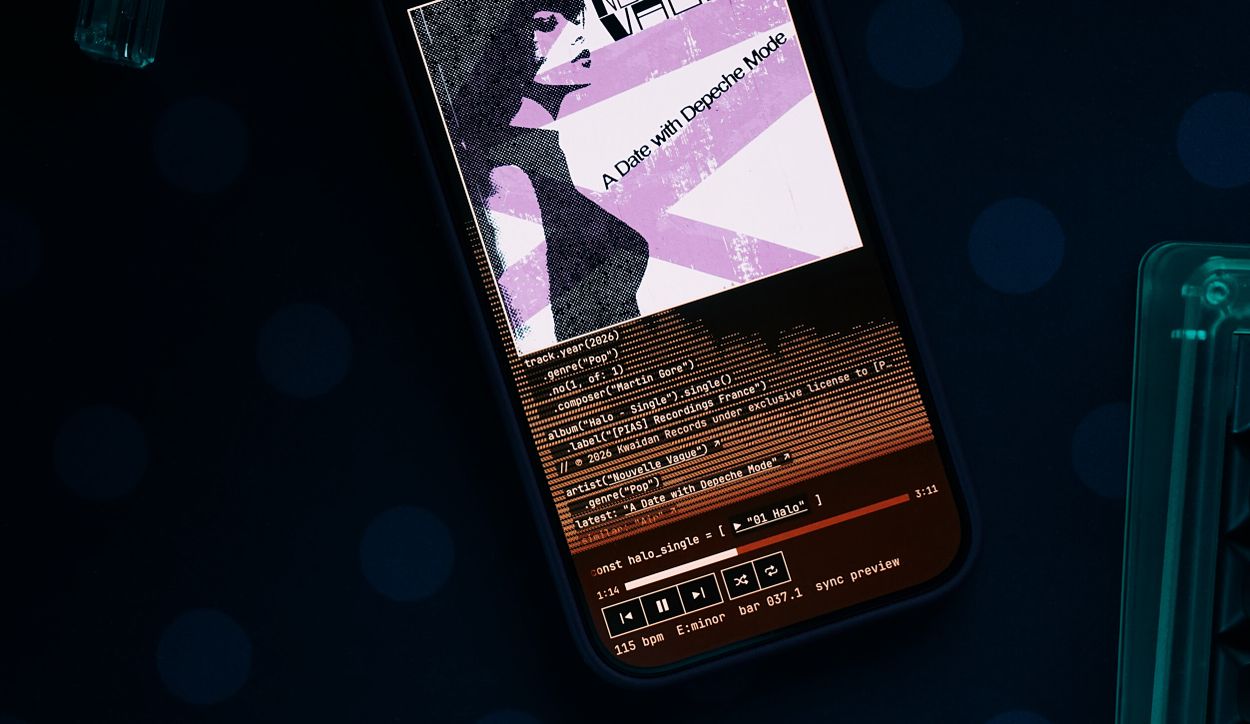
Pick an album or a playlist and Golden plays it with a set of retro visualizations: a spinning record, an orb, a spiral, clocks, and the song written out as code that lights up as it plays. It’s made for iPhone Duo, open or closed, and works on any iPhone.

Free, with no account, no ads and nothing collected.

itsgolden.app

In den Fußstapfen von toaster ist die optische Verwandtschaft zu RIFT – ebenfalls von Primary Vector – nicht zu übersehen.

Ich bleibe dabei: Apple Music bleibt unter der Handvoll an Streaminganbietern für mich so attraktiv, weil es Dritt-Apps erlaubt.

  •  

Dekompiliert und portiert: Retro-Games auf neuen Plattformen

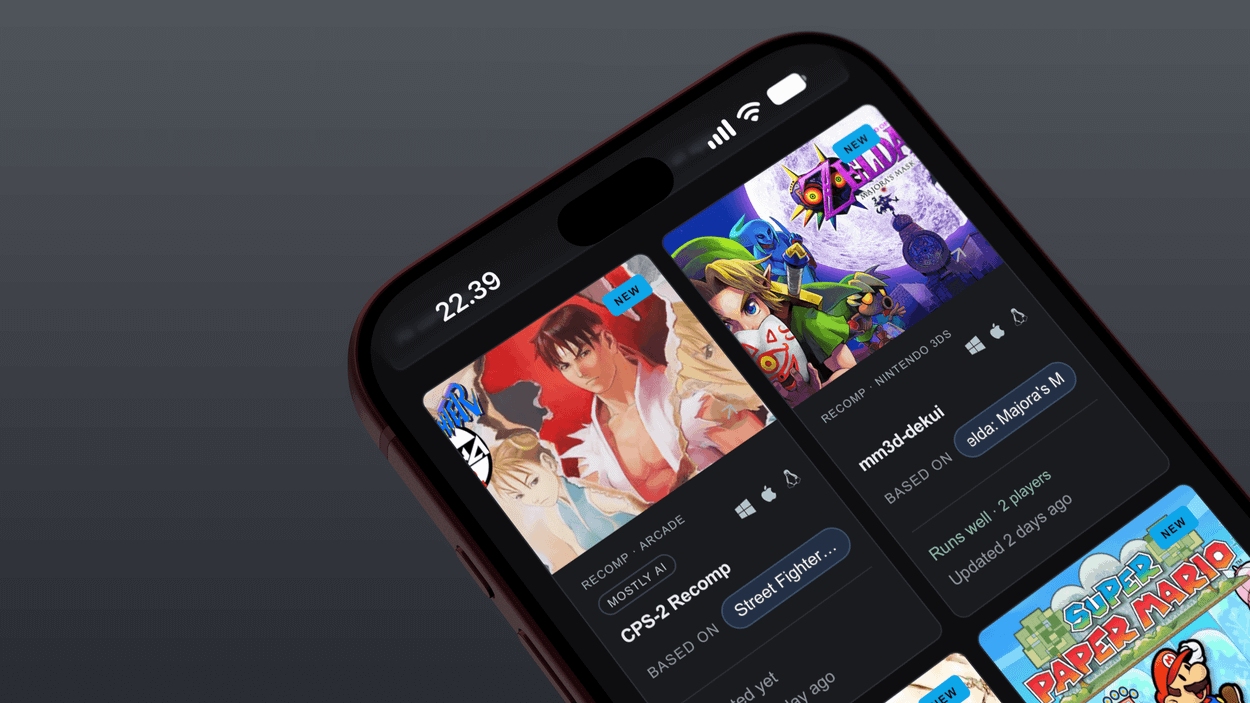
Über Quiver schaut ihr lediglich durch einen Türspalt auf die rasant wachsende Szene aufwendiger Spieleportierungen durch Reverse Engineering, die sich mit KI-Tropf am Arm gegenseitig aufputschen.

Das Verzeichnis gibt einen Einblick in die kaum mehr einzufangende Community, die den Maschinencode von Retro-Games entschlüsselt und auf ihnen fremden Plattformen wieder auferstehen lässt. Think: Super Mario auf PlayStation oder Animal Crossing auf der PS Vita.

Zielplattform ist auch iOS – wie die Subreddits r/EmulationOniOS und r/NativePortsOniOS dokumentieren.

Smartphone screen displaying a grid of game recommendations including titles like Street Fighter and a game featuring a character in a green hood with a mask, all with tags such as 'New' and icons indicating platform compatibility. The device shows a time of 22:39 and has indicators for signal, Wi-Fi, and battery at the top.

Obwohl der App Store die jahrelang gescholtenen Emulatoren inzwischen entgegennimmt, rennen Sonic und Mario schon aus Prinzip zuerst aufs iPhone. Was mal verboten war, bleibt reizvoll.

An Rechenleistung mangelt es den Telefonen nicht; das Apple-Verbot für die Just-in-Time-Kompilierung steht noch. Native Ports benötigen keine Laufzeitübersetzung fremder CPU-Befehle. Ihr Programmcode wird für die Zielplattform kompiliert; Emulatoren bauen dagegen eine JIT-Aktivierung gelegentlich direkt ein. Zwei technisch unterschiedliche Wege, die aber zum gleichen Ziel führen: Konsolenspiel auf dem iPhone.

Nicht jede Rekonstruktion von Quellcode ist aber erfolgreich; nicht jede Portierung läuft: Die Hast und Dringlichkeit, mit denen hier aber Community-Projekte ausbrechen und das iPhone gleichwertig mit einbeziehen, empfinde ich erwähnenswert.

  •  

Outerline – so simpel wie Markdown selbst

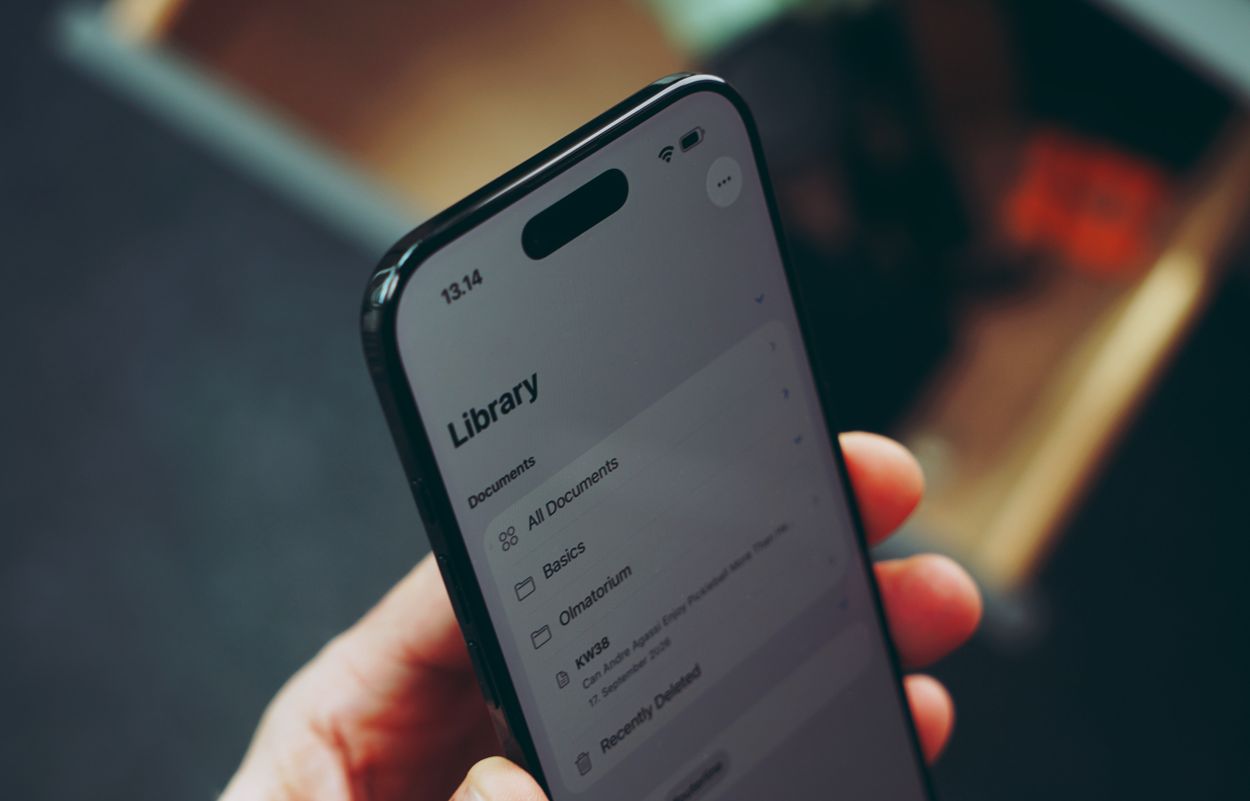
Der öffentliche TestFlight für Outerline läuft seit Mai; jetzt ist der Markdown-Editor für macOS und iOS erschienen. Gute Software will halt durchdacht sein.

A smartphone screen displaying a library folder view for managing documents and notes.

Über den Sommer hinweg habe ich dort nicht nur reingetippt, sondern auch gerne die Release Notes mitgelesen. Über ein optionales Abo kann man in diesem Stil auch seine eigenen Schreibereien unter einer outerline.so-URL veröffentlichen.

Ich schätze die abgespeckte Struktur und den verständlichen Aufbau, die an Ulysses erinnern. Ohne Brimborium speichere ich damit einzelne .md-Dateien aufs iCloud Drive. Am Mac kann man diesen Ordner auch direkt via Type oder Capture mit Text füttern.

Die Markdown-Formatierung lässt sich mit einer Seite-an-Seite-Ansicht schnell auf Tippfehler überprüfen. Über Wiki-Style-Verlinkungen und MCP-Server lest ihr in der dazugehörigen Hilfe.

  •  

#523 – mehr Kleinigkeiten aus iOS 27

Vier Monate später trugen sich mehr Kleinigkeiten zusammen; iOS 27 ist ein Trog mit vielen kleinen „Quality of Life“-Verbesserungen.

Die Zusammenstellung dieser unscheinbaren Änderungen in jedem Sommer führt regelmäßig zu meinen absoluten Lieblingsvideos.

Hier das Intro der Episode:

Weiterlesen

💾

  •  

Inoffizielle PlayStation-3-Emulatoren drehen iOS-Runden

Während Apple noch die hauseigenen Gaming-Abteilungen zusammenstreicht, experimentiert /r/EmulationOniOS fleißig mit den ersten zwei inoffiziellen PlayStation-3-Emulator-Projekten.

A screenshot of video gameplay featuring an A18 Pro system performance overlay with frame rate and memory statistics.

via YouTube@JÓJÓmortal

Developed by community member xmiguel911x, this early alpha (v0.0.1) build brings the complex architecture of Sony’s Cell Broadband Engine to the iPhone. While it remains very much an experimental project, it marks a major technical milestone for handheld emulation enthusiasts.

Leonid Shmatenko | Pocket-Gaming

Beide bauen auf RPCS3 – ein langjähriges Open-Source-Projekt, das sich immer gegen eine offizielle Adaption für Android und iOS ausgesprochen hat.

we are disallowing Android and iOS discussion in our communities. We have no intention of porting RPCS3 to these platforms at this time

blog.rpcs3.net/

Theoretisch interessanter als praktisch: Die konkrete Umsetzung, die insbesondere auf iOS weiterhin JIT-Sprünge durch diverse Feuerreifen verlangt, ist hinreichend besprochen.

Diese Diskussion demonstriert jedoch recht anschaulich die Diskrepanz zwischen „technisch können“ und „policy-technisch“ nicht dürfen – auch wenn Emulatoren grundsätzlich erlaubt bleiben.

  •  

„A blast from the past“ – BitCam

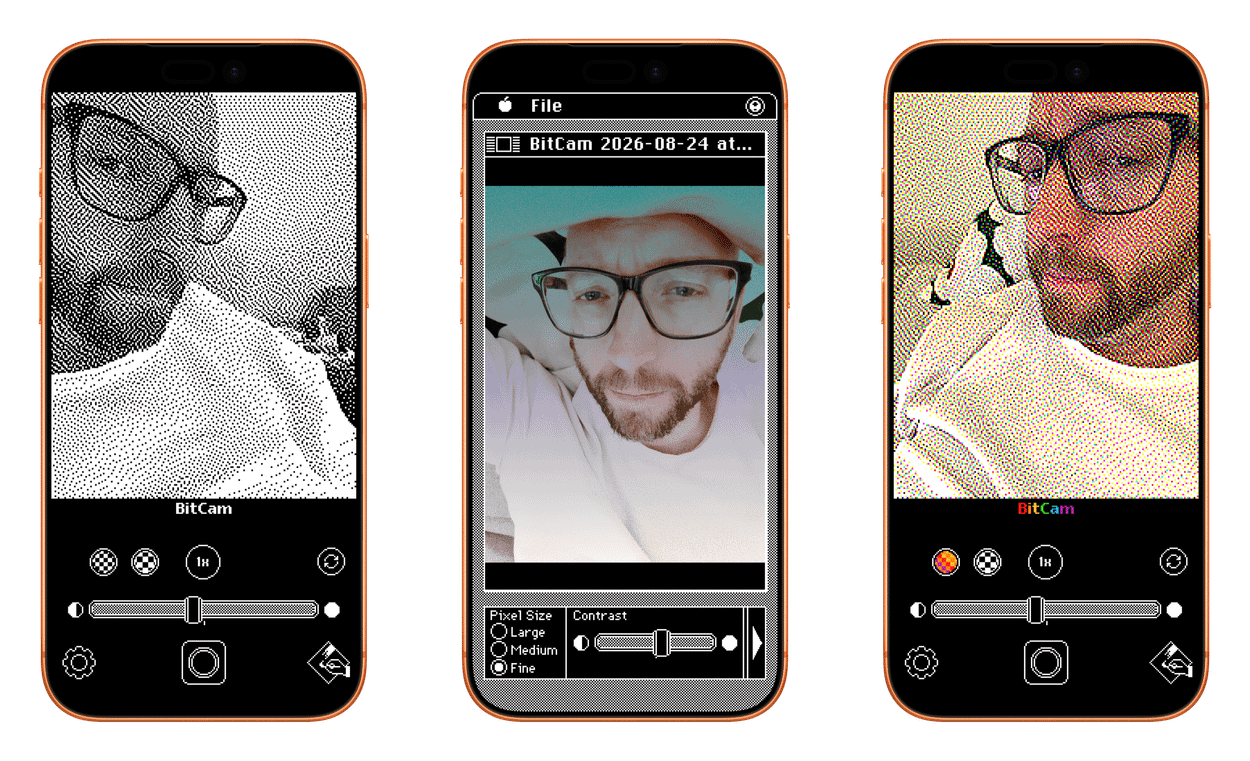
Einige der interessantesten Kamera-Apps entstehen in den Héliographe Studios. BitCam stieß erst vor 10 Monaten zu ihrem Portfolio und geht ursprünglich auf die Iconfactory zurück, die sich zu ihrem 20-jährigen Bestehen damit selbst beschenkte.

Drei Smartphones nebeneinander, die jeweils die Kamera-App BitCam zeigen. Jeder Bildschirm präsentiert einen anderen Retro-Filter mit Pixel- oder Raster-Effekten auf einem Selfie einer Person mit Brille, ergänzt durch Bedienelemente wie Regler für Pixelgröße und Kontrast.

I see many fewer artificially aged or worn pictures these days, and the range of filters has expanded into a greater array of interesting photographic effects. The Iconfactory’s new BitCam, a nostalgic dithered camera app, would at first seem to be another filter and just a gimmick. It accurately reproduces the look and feel of a 1984-style Macintosh app down to using a similar dithering algorithm to what Bill Atkinson baked into the graphics-primitive QuickDraw system that drove the graphical user interface and drawing programs—and that’s now also baked into iOS.

Macworld | Glenn Fleishman (2016)

Zugegeben: Nach dem initialen Start tat sich bei BitCam wenig. Ich hege nun die Hoffnung, dass unter neuer Schirmherrschaft künftig nur noch der Look von gestern bleibt.

  •  

„Lock Launcher Introduces ‘No Redirect’ Launchers“

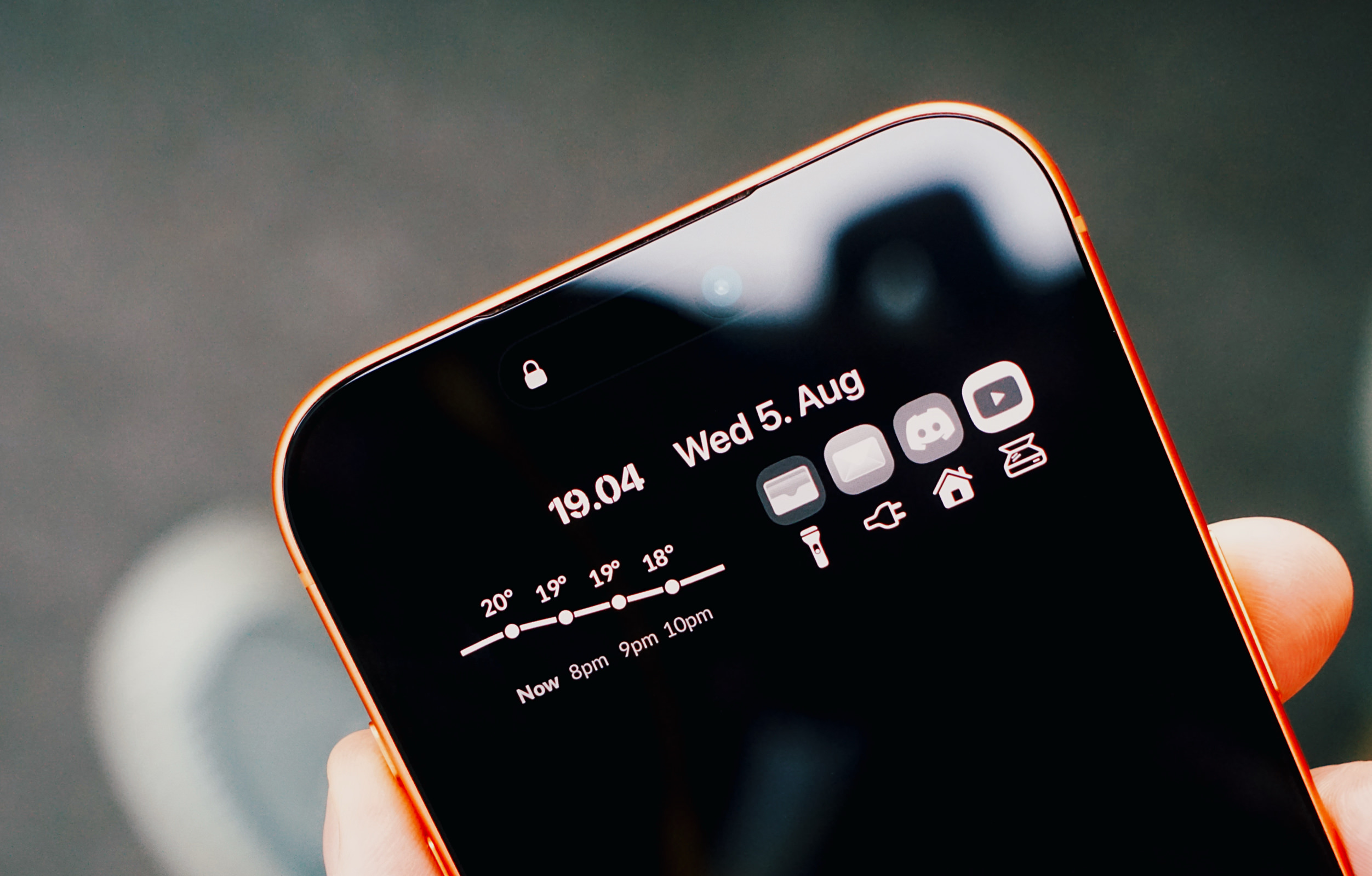
Schneller zu den eigenen Apps: Ich schrieb zwar erst im Januar darüber, aber Lock Launcher erweitert, was der Action-Button und das Kontrollzentrum vorgelegt haben: Abkürzungen zu Shortcuts und Apps.

Nahaufnahme eines orangefarbenen Smartphones in einer Hand. Der Sperrbildschirm im dunklen Design zeigt die Uhrzeit, das Datum, ein Wettervorhersage-Diagramm sowie eine Anordnung verschiedener App-Symbole.

For starters, Lock Launcher now lets you create launcher shortcuts that open apps directly and immediately, rather than redirecting you to the Lock Launcher app first.

For years now, launcher apps on the iPhone have had to employ this workaround: you’d tap on a shortcut that opened, say, Ivory, but you would see the launcher app flash onscreen briefly before redirecting you to the actual destination app you selected. Somehow, Lock Launcher is now circumventing this limitation with a ‘Direct Open’ mode that I haven’t seen in other launcher apps for iOS.

Federico Viticci | MacStories.net

Diesen Redirect benötigt es weiterhin, wenn man vom Sperrbildschirm kommt; über Widgets spart man ihn sich. In beiden Fällen ist das Aufrufen der Apps jedoch pfeilschnell. Wer blinzelt, verpasst die Weiterleitung.

Auf dem Lockscreen liegen bei mir Apps und Shortcuts, die ich vom Homescreen aus erst suchen müsste – ein PDF-Scanner oder unser Live-Stromtarif. Es ist Software, die ich täglich oft genug aufrufe, mit denen ich mir aber nie den Homescreen zupflastern würde.

  •  

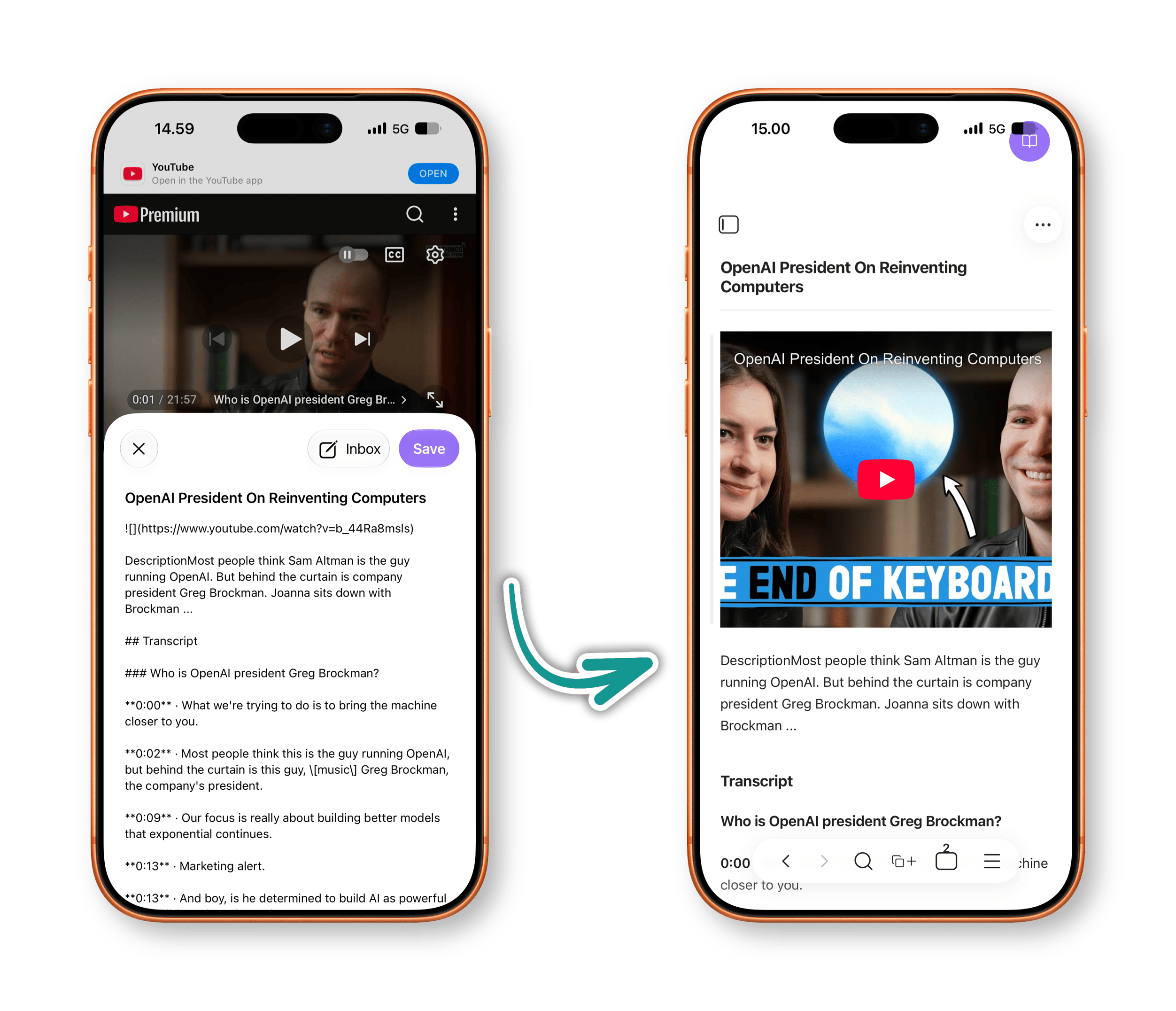
Obsidian: Teilen-Menü speichert YouTube-Transkripte

Zwei Smartphone-Bildschirme im Vergleich: Links ist eine YouTube-Videoseite zu sehen, rechts eine strukturierte Zusammenfassung desselben Videos, verbunden durch einen geschwungenen Pfeil, der einen Umwandlungsprozess darstellt.

Steph’s role as CEO is also unusual, because although Obsidian is still a very young, very small, and very flat organization, he’s actually not one of the founders. He joined in 2023, when cofounders Shida Li and Erica Xu brought him in based on his experience with his former startup, Lumi. He was also a huge Obsidian fan.

Decoder | The Verge

Steph Ango würde seinen Laden wahrscheinlich eher zumachen, als ihn an externe Geldgeber zu verscherbeln. Zumindest habe ich dieses Gefühl und bin versucht, mehr mit Obsidian zu machen – statt nur gelegentlich reinzuschauen.

Die in dieser Woche aktualisierte ShareSheet-Extension schiebt unter anderem das komplette Transkript von YouTube-Videos – hübsch formatiert – in die eigene Wissensdatenbank.

  •  

Neuer Anlauf für Quiche als iOS-Standardbrowser

Ich schleiche seit Jahren um den Quiche Browser: Er ist eine der WebKit-Alternativen zu Safari, die mich immer gereizt haben. Jetzt habe ich dieses Fenster ins Netz für mich einmal konsequent geöffnet.

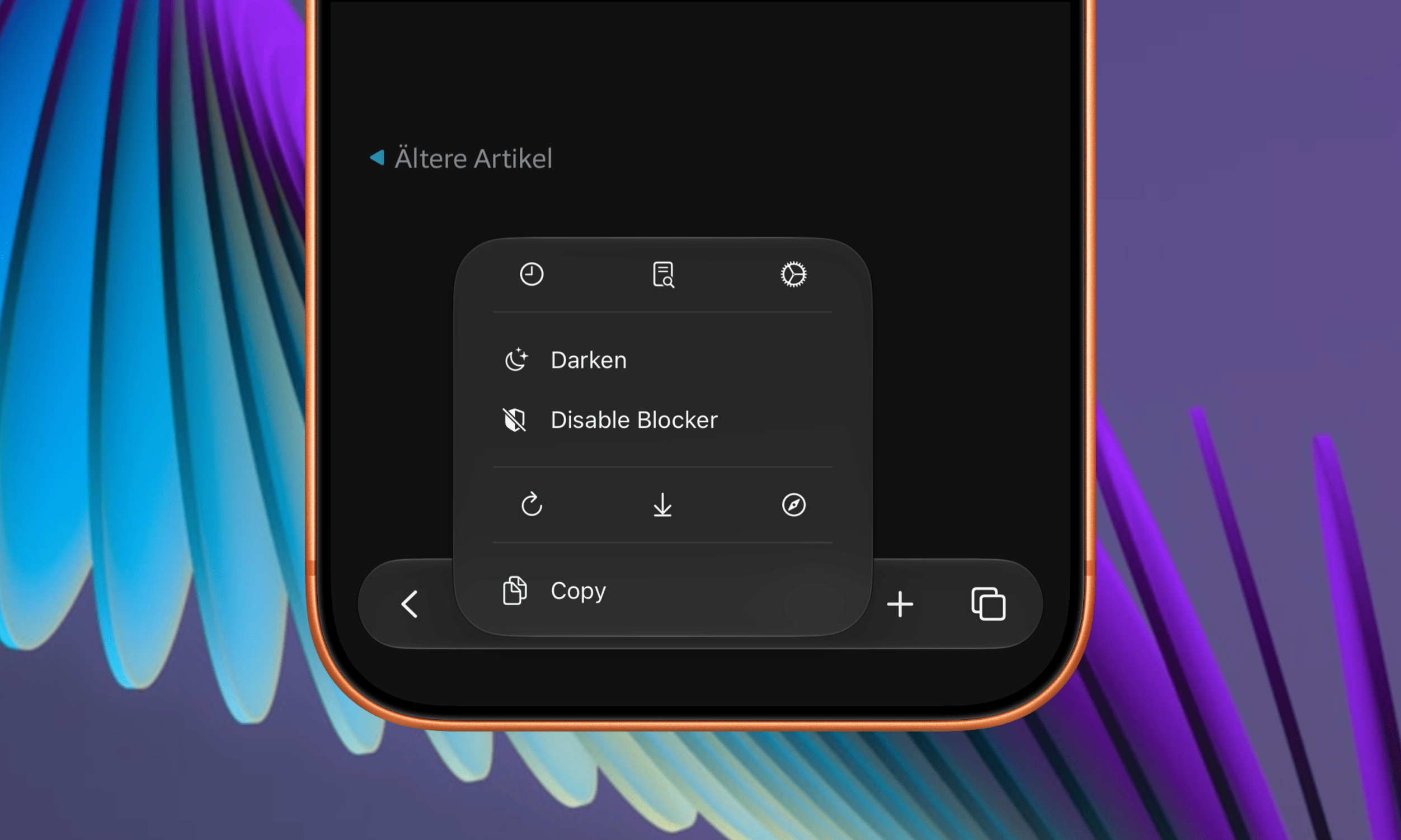
Ein Smartphone-Bildschirm, der eine Browser-Oberfläche mit einem geöffneten Popup-Menü zeigt, das Optionen wie „Darken“, „Disable Blocker“ und „Copy“ enthält, vor einem abstrakten violett-blauen Hintergrund.

Mir fehlen weiterhin Profile, mit denen sich mehrere Identitäten trennen lassen – etwa zwei unterschiedliche Mastodon-Logins.

Quiche baut Seiten jedoch bemerkenswert schnell auf, und der neue Shortcut per langem Druck auf die Adresszeile ist schlicht nett verpackt.

Die anpassbare Menüleiste ist ohnehin das besondere Alleinstellungsmerkmal: Ich benötige etwa nie „Reload“, aber ständig „Share“ – hier belege ich die Menüleiste einfach nach meinem Geschmack.

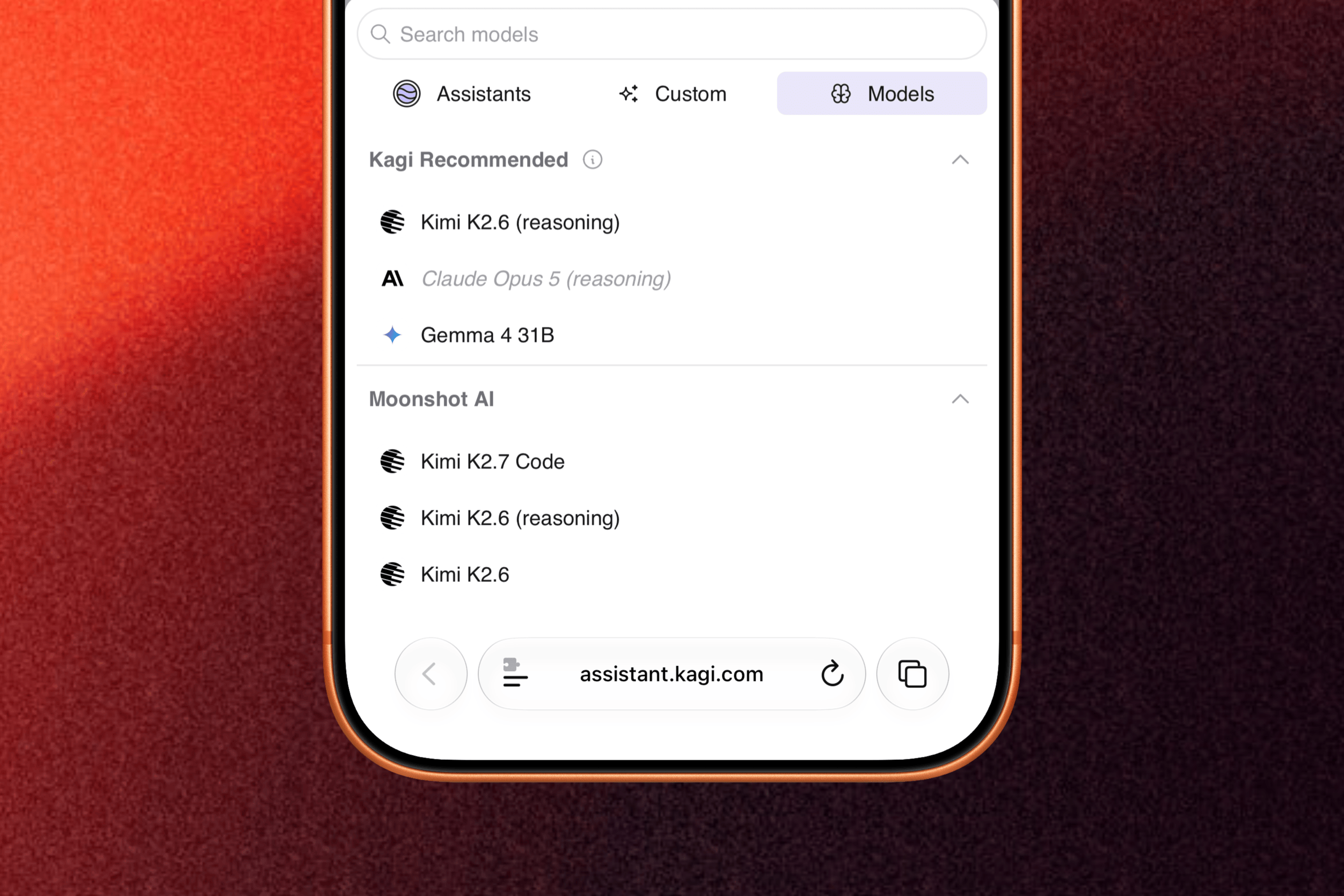
Mit Filtr greift dort nun auch Wipr, und ein „Kill Switch“ dreht pro Domain nerviges JavaScript ab. Für mich gab außerdem die direkte Integration von Kagi als Suchmaschine den Ausschlag, dieses Herzensprojekt als Standardbrowser auf dem iPhone auszuprobieren.

  •  

„Who’s Afraid of Chinese Models?“

Open-Weight-KI-Modelle bleiben teuer: Auch nach dem Training kostet jede einzelne Inferenz entsprechenden Rechenaufwand.

Ein Smartphone-Bildschirm zeigt eine Liste von KI-Modellen innerhalb einer Weboberfläche. Der Tab "Models" ist ausgewählt. Abschnitte umfassen "Kagi Recommended" mit "Kimi K2.6 (reasoning)", "Claude Opus 5 (reasoning)" und "Gemma 4 31B". Darunter befindet sich "Moonshot AI" mit "Kimi K2.7 Code", "Kimi K2.6 (reasoning)" und "Kimi K2.6". Unten zeigt eine Browserleiste die Adresse "assistant.kagi.com".

One of the most common misconceptions undergirding discussion of open weights models is that they are cheaper — free, even. After all, you can just download the weights, and skip the time and expense and capabilities necessary to create your own model. That is, of course, true, but the “free” in this case is a reference to the amount you need to spend on research and development; R&D is a fixed expense that is independent of the revenue you generate. […]

The point in terms of open weight models is that they are not free to serve. Kimi K3 costs $3 per million input tokens, and $15 per million output tokens; that is cheaper than Sol’s $5 per million input tokens and $30 per million output tokens, but that might not even be the right measurement.

Ben Thompson

Die Kosten verschwinden nicht, sie lassen sich aber teilweise aus der Cloud auf bereits verkaufte Hardware verlagern.

Mit intelligentem Routing zwischen unterschiedlichen Modellen haben iPhone-Kund:innen eine solche Rechenleistung bereits gekauft – in Form von Prozessor, Arbeitsspeicher, Speicherplatz und Neural Engine. Nur Strom muss fortlaufend bezahlt werden. Es ist keine kostenlose Intelligenz, sondern eher eine „Prepaid Intelligence“: ein teilweise im Gerätepreis enthaltener „local first, cloud when necessary“-Ansatz.

Offene Modelle verändern die Wettbewerbsbedingungen in einem Markt, den Apple mit seiner Verbindung aus Hardware, Software und Services traditionell erfolgreich besetzt. Die Herausforderung ist die flexible Einbindung leistungsfähiger Modelle in den persönlichen Kontext, ihre Berechtigungen klar zu begrenzen und sie für appübergreifende Funktionen vorzubereiten.

Ironisch: Die vom Digital Markets Act implizierte iOS-Öffnung für konkurrierende KI-Modelle könnte Apples Position im Markt für seine Hardware paradoxerweise stärken – solange iOS die zentrale Orchestrierungsebene bleibt und entscheidet, welches Modell wann, wo und mit welchen Daten zum Einsatz kommt.

Kontrolliert Apple diese Koordinationsschicht jedoch nicht, besteht das Risiko, dass iOS als Betriebssystem austauschbar wird. Allein diese Gefahr würde den Start von Siri AI in der EU dauerhaft verhindern.

  •  
❌