❌

Normale Ansicht

Apple Accused of Silencing iPhone Duo Supplier Over 'Crackgate' Issue

Apple allegedly pressured a component supplier to withdraw a public statement distancing itself from the display cracking issue affecting some iPhone Duo units, according to The Elec.
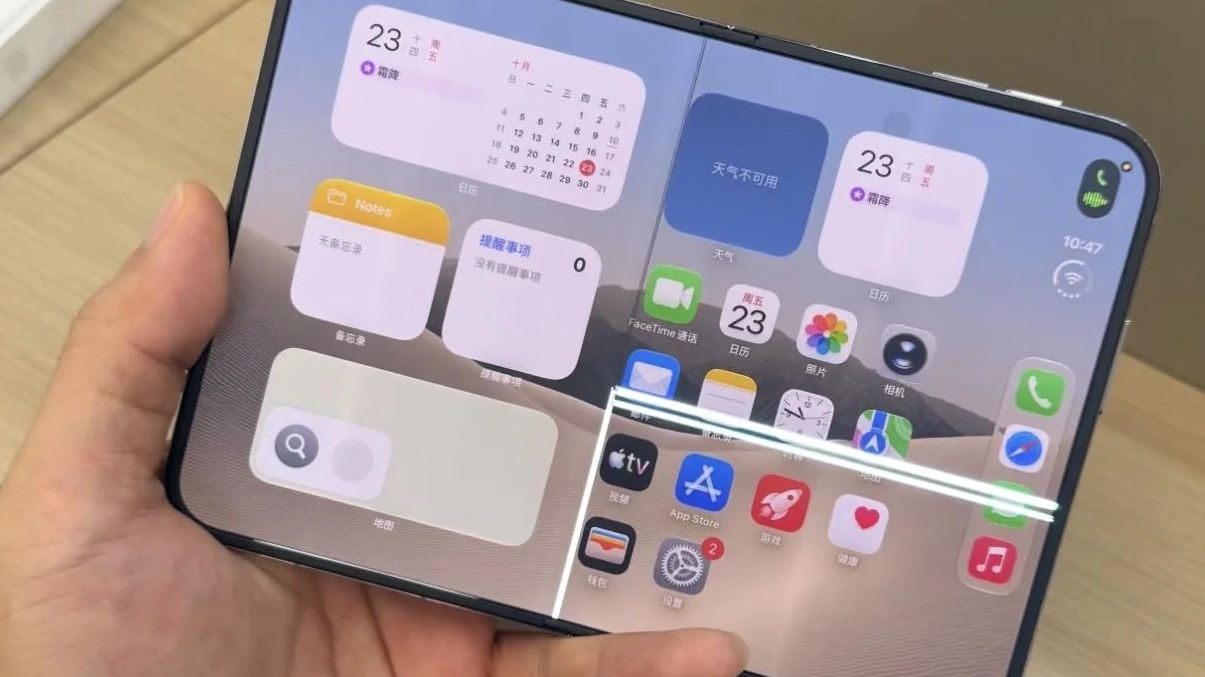

The allegation surrounds the little-known Fine M-Tec, which reportedly supplies internal metal plates supporting the iPhone Duo's folding screen. Last month, the Korean-based supplier published a statement denying that defects in its components were responsible for the reported display failures.

The Elec reports that Fine M-Tec posted "Our official position on the customer's new product quality issue" on its website on October 26. The statement read: "The quality issues that are known to have occurred in some products recently are not caused by quality defects in the parts we supply." Fine M-Tec said it published the statement to counter accusations associated with suspected short sellers. It also warned of possible legal action against those spreading unsubstantiated claims.

This statement, which did not outright name Apple or the iPhone Duo, appeared shortly after the first cases of hinge-related screen damage on Apple's first foldable began to emerge online.

By November 4, however, the statement had disappeared from Fine M-Tec's website. Shortly afterwards, Korean publication DealSite reported that its industry sources suggested the supplier had been pressured by Apple to remove it.

In an editorial published Tuesday, The Elec journalist Kim Geon said a Fine M-Tec representative had since contacted him requesting the removal of his earlier article about the withdrawn statement. According to the representative's account, Apple had objected to the supplier publicly denying responsibility for the failures.

Apple has acknowledged display cracking affecting a small number of iPhone Duo units and offered replacements, but the company hasn't offered a technical explanation for what is causing the issue. Meanwhile, Apple has not publicly commented on the allegation that it pressured a supplier into silence.
Related Roundup: iPhone Duo
Buyer's Guide: iPhone Duo (Buy Now)
Related Forum: iPhone

This article, "Apple Accused of Silencing iPhone Duo Supplier Over 'Crackgate' Issue" first appeared on MacRumors.com

Discuss this article in our forums

  •  

iPhone Users Targeted in Major Website Security Breach

Hackers used some of the world's most popular websites to distribute malware designed to steal cryptocurrency and exploit vulnerabilities in iPhones and iPads this week, according to a new security investigation.


Reuters reports that websites associated with 178 organizations were affected by the attack on Monday, November 16, including the likes of Zoom, BBC, CNN, HSBC, Salesforce, and IKEA.

A vulnerability was reportedly exploited in Optimizely, a third-party platform that companies use to test and customize their websites. Hackers managed to insert malicious JavaScript into Optimizely's customer projects, allowing them to distribute the malware through legitimate websites without directly compromising their infrastructure.

Security researcher Scott Helme discovered the attack. Helme found that the malicious scripts could replace legitimate cryptocurrency wallet addresses with ones controlled by the attackers, as well as intercept payment card details, steal browser cookies, and take screenshots.

The code was especially targeted at iPhone and iPad users. Visitors could be served one of two exploit kits – Coruna and DarkSword – through a hidden webpage element, depending on their device's software version. Coruna reportedly targeted devices running iOS 13 through iOS 17, while DarkSword targeted iOS 18. Researchers also found code targeting iOS 26, but this appeared to be limited to identifying devices' characteristics.

The attack potentially allowed malicious code to execute simply by visiting an affected website – users did not need to download an app or interact with a suspicious link. That said, it's still unclear whether any iPhones or iPads were successfully compromised.

Optimizely told BleepingComputer that attackers managed to exploit a vulnerability in its account signup process, causing websites using the platform to load malware. The flaw has since been patched, the malicious code has been removed, and affected customers have been notified, according to the company.

As always, all Apple users are advised to keep their devices up-to-date with the latest available software, but that particularly applies to anyone who visited any of the affected websites during Monday's attack.
This article, "iPhone Users Targeted in Major Website Security Breach" first appeared on MacRumors.com

Discuss this article in our forums
  •  

Apple Tests Bringing Back a Softer Side of Liquid Glass

Apple is testing a softer appearance for iPhone navigation bars that would bring back part of the look used in iOS 26, according to a new finding shared by pdfu on X (Twitter).

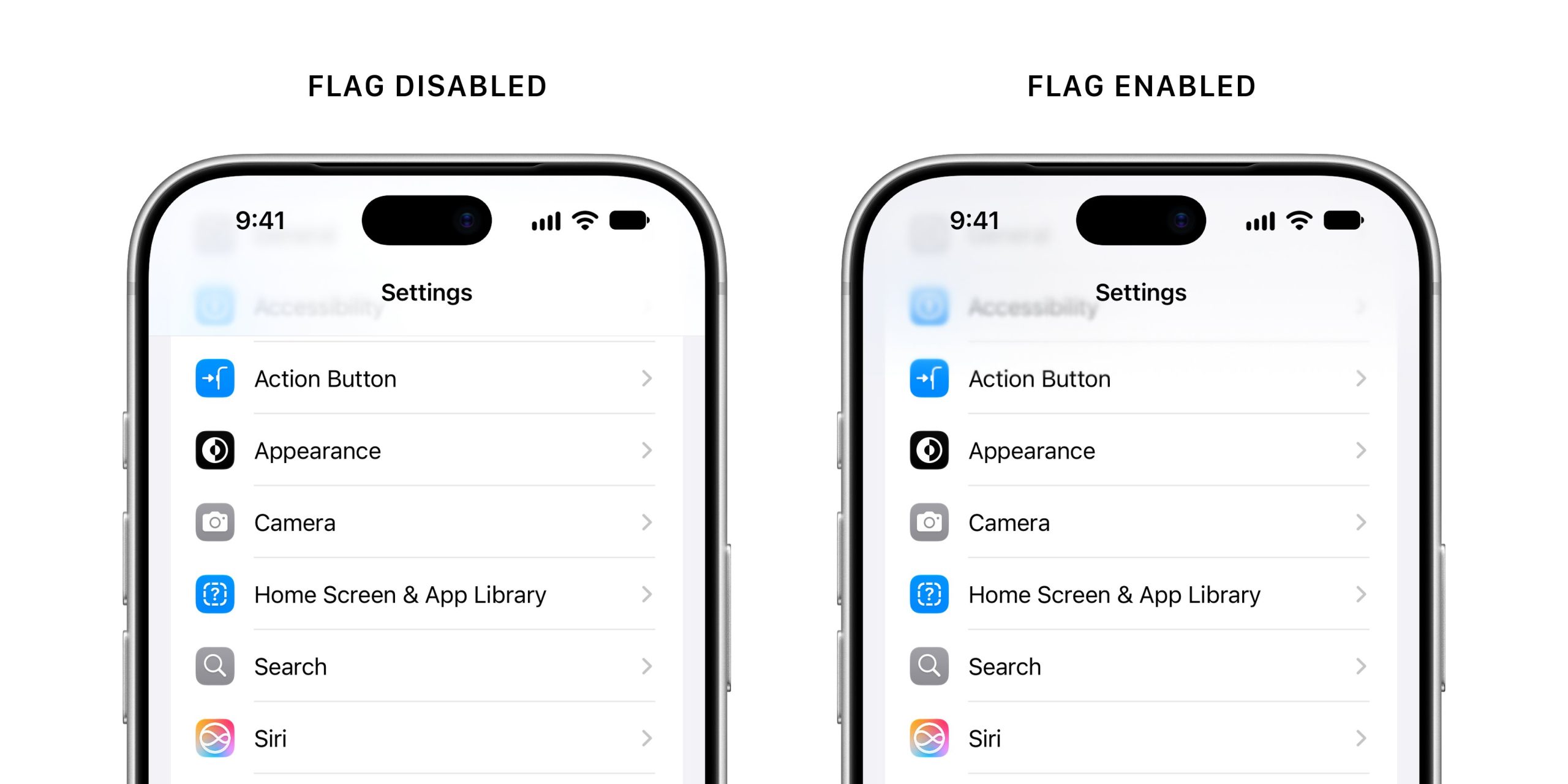
The gradual fade nav bar effect is disabled by default in iOS 27.3 beta 2

The change affects how content fades out as it scrolls beneath the bar at the top of an app, so that text and other elements disappear into a gentler blur, rather than meeting a more sharply defined boundary.

In the side-by-side comparison above, shared by pdfu, the difference is shown with the test feature switched off – the navigation bar has a distinct lower edge separating it from the list below. With the feature enabled (as shown on the right), the boundary is replaced by a softer, more gradual transition.

According to pdfu, the effect is designed to appear when Liquid Glass tint is set to 25 percent or lower, and it only applies to navigation bars that use the default style. The gentler fade is currently disabled behind an internal feature flag in the latest iOS 27.3 developer beta, so it's not at a stage where users can simply turn on the change via Settings.

Apple reworked Liquid Glass in iOS 27 with changes aimed at improving readability, including a more uniform background behind content at the top of apps. It also replaced the earlier Clear and Tinted presets with a continuous transparency slider, offering users finer control over the Liquid Glass appearance.

Whether Apple will bring back the softer look for navigation bars or make it an optional setting in a future update remains to be seen.
Tag: pdfu

This article, "Apple Tests Bringing Back a Softer Side of Liquid Glass" first appeared on MacRumors.com

Discuss this article in our forums
  •  

Apple Close to Rare Long-Term Memory Deal With Samsung

Apple is close to signing a long-term supply agreement with Samsung for DRAM chips, according to Korea's Maeil Business Newspaper. The deal would reportedly run for four to five years from the first half of 2027, setting a minimum supply volume, with prices finalized later based on market conditions.

Apple usually favors short-term contracts and squeezes suppliers on price, so this is quite a shift for Apple, though it recently signed a similar deal with SK hynix on supplier-favorable terms as the worsening memory shortage pushes up component costs amid the AI data center buildout.
Tag: Samsung

This article, "Apple Close to Rare Long-Term Memory Deal With Samsung" first appeared on MacRumors.com

Discuss this article in our forums
  •  

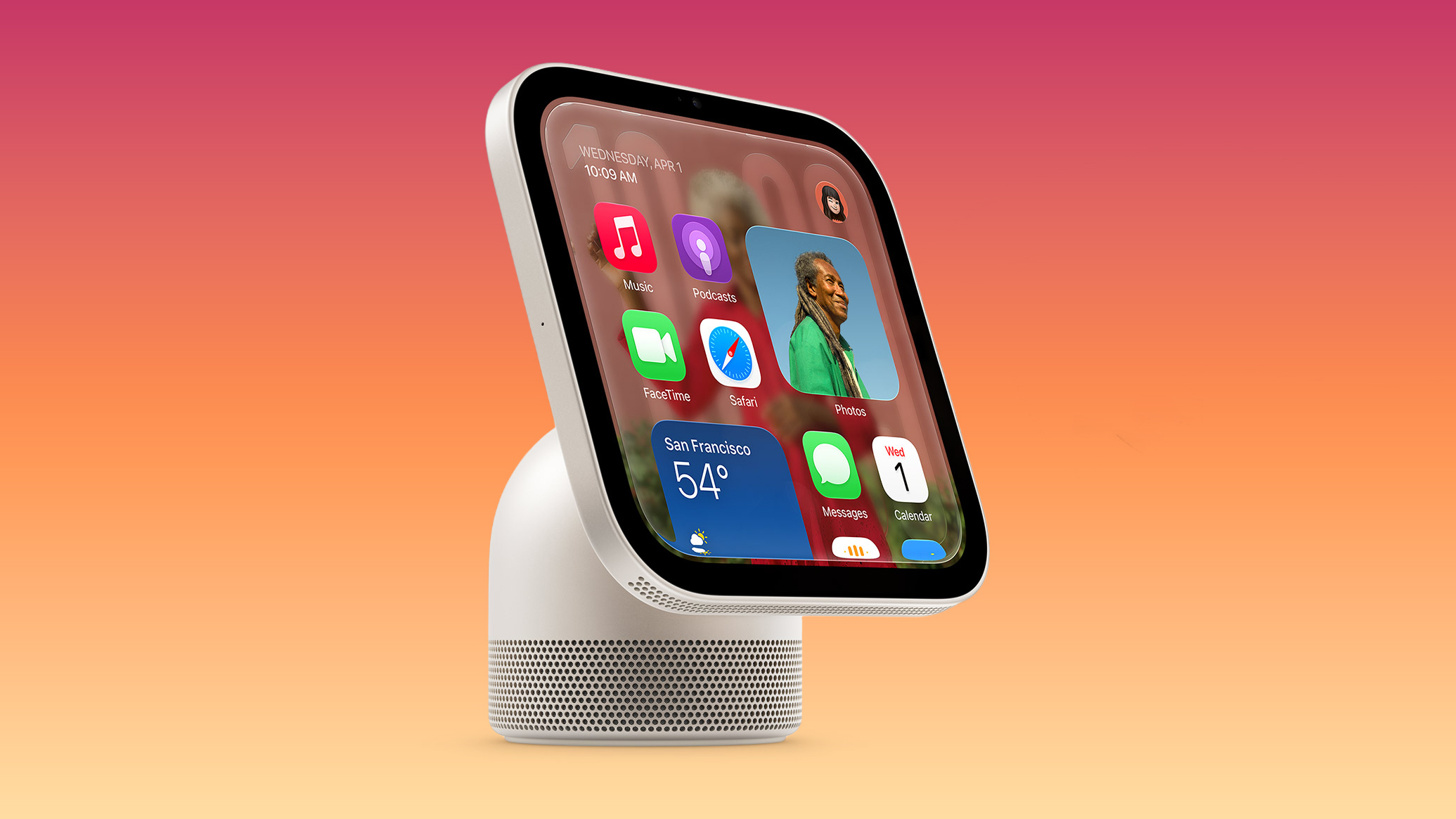
Apple's New HomeView Smart Home Hub Has Issues, Say Owners

Just days after the HomeView's launch, some owners are reporting problems with Siri, timers, and music playback on Apple's new smart home hub, based on multiple MacRumors forum threads.


In the longest discussion, which now spans over one hundred posts, several people say their HomeView refuses to set timers or alarms, and instead claims that a software update is required – even though the device reports that it is up to date. In another thread, one poster said an AppleCare senior advisor told them other owners had reported the same problem, and that cold-rebooting their paired iPhone cleared it.

Other owners describe Siri taking minutes to respond or repeatedly announcing that it is "downloading Siri." Elsewhere, in two separate threads, owners report music commands failing outright or being carried out on their iPhone instead of the HomeView, even when the device shows Siri listening on screen. That's not all, either. Some owners with multiple units say commands meant for one room play in another, for no apparent reason.

Let's not overstate the case, though. Not everyone is seeing problems with HomeView. Several people have reported their units working as expected, and some say that any issues cleared after rebooting the HomeView, their iPhone, or both.

Apple has already said a software update coming next month will fix a separate issue in which Siri AI claims not to have a camera and won't let recognized users unlock doors and garages by voice. Apple already released a software update that addresses several vulnerabilities, including issues with AirPlay, Messages, and Bluetooth.

However, those are other issues, and it remains to be seen whether said update will fix the timer and music problems described by several owners in the MacRumors forums. Let us know in the comments of your own experience with HomeView.
Related Roundup: Apple HomeView
Buyer's Guide: HomeView (Buy Now)

This article, "Apple's New HomeView Smart Home Hub Has Issues, Say Owners" first appeared on MacRumors.com

Discuss this article in our forums
  •  

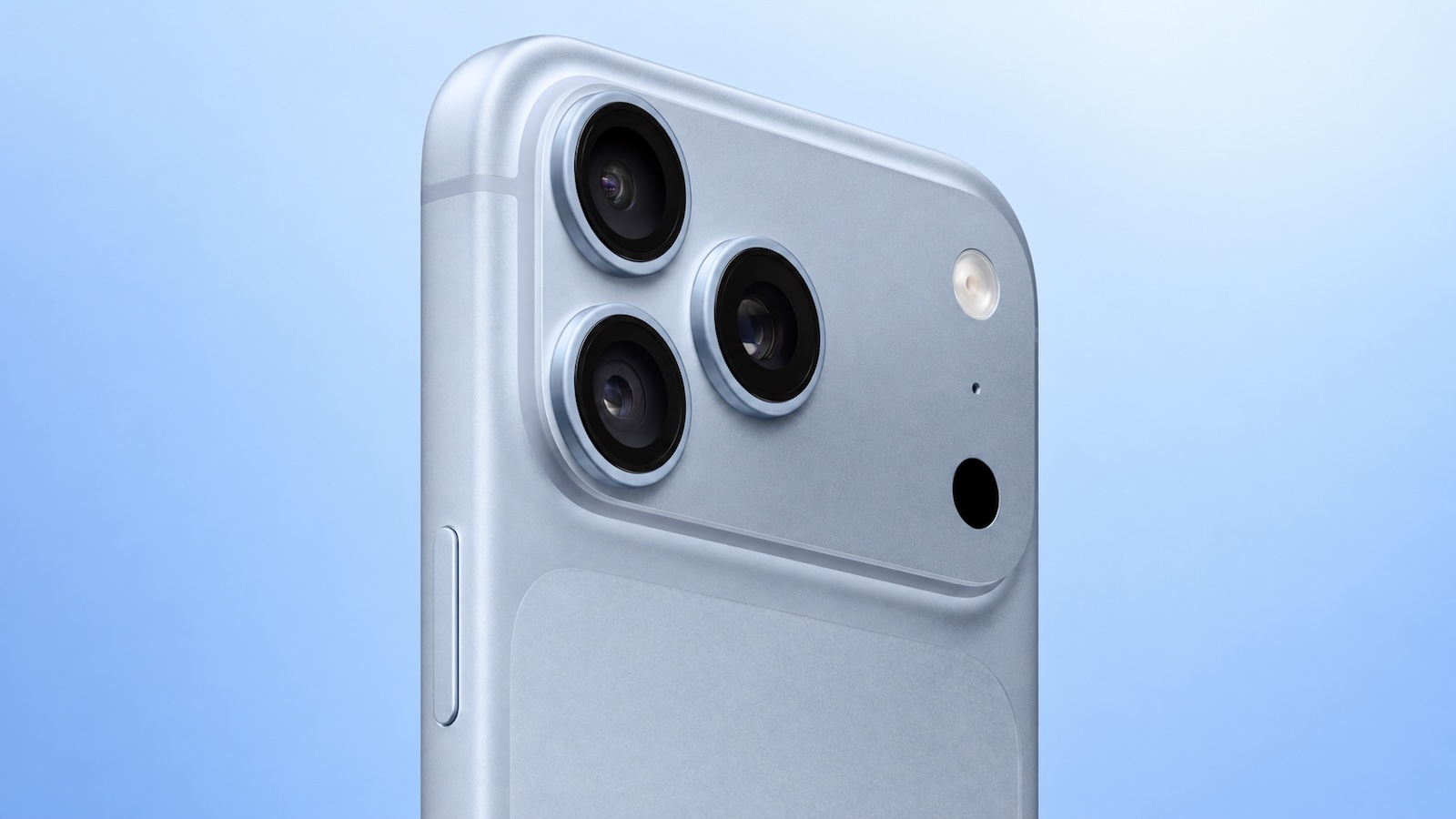
iPhone 20 Pro Rumored to Feature New 17nm Camera Sensor

Next year's iPhone 20 Pro could feature a main camera sensor with logic circuitry manufactured using a new 17-nanometer process, according to Weibo-based leaker Ice Universe.


Modern stacked camera sensors separate their light-sensitive pixels from the logic circuitry responsible for reading out and processing image data. A more advanced manufacturing process for the logic layer could potentially enable faster readout speeds, improved power efficiency, and more sophisticated image processing.

The leaker provided no further details about the sensor, which would reportedly debut in Apple's 20th-anniversary iPhone in 2027. Apple is expected to skip the "iPhone 19" moniker next year, just like it did with the iPhone 9 prior to the release of the iPhone X in 2017 to celebrate the 10th anniversary of the original iPhone.

Interestingly, Samsung has already been developing a 17nm Low Power Value (17LPV) process specifically for CMOS image sensor signal processing circuitry, according to a 2024 Omdia report.

Apple is also working with Samsung to produce advanced image sensors at its Austin, Texas facility. Previous reports suggest the partnership involves a three-layer stacked sensor design, but there's currently no clear link between that project and the claimed 17nm component.

Separately, Apple is rumored to be developing its own image sensor incorporating LOFIC technology, which could substantially improve dynamic range and preserve more detail in highlights and shadows. Again though, it's not clear whether the latest claim relates to that sensor.

Apple is rumoured to be a developing a radical new design for its second commemorative iPhone, featuring a new quad-curved OLED display that wraps around the edges of the device, and a screen with potentially no cutouts at all. Apple is expected to debut the device in or around September 2027.
This article, "iPhone 20 Pro Rumored to Feature New 17nm Camera Sensor" first appeared on MacRumors.com

Discuss this article in our forums
  •  

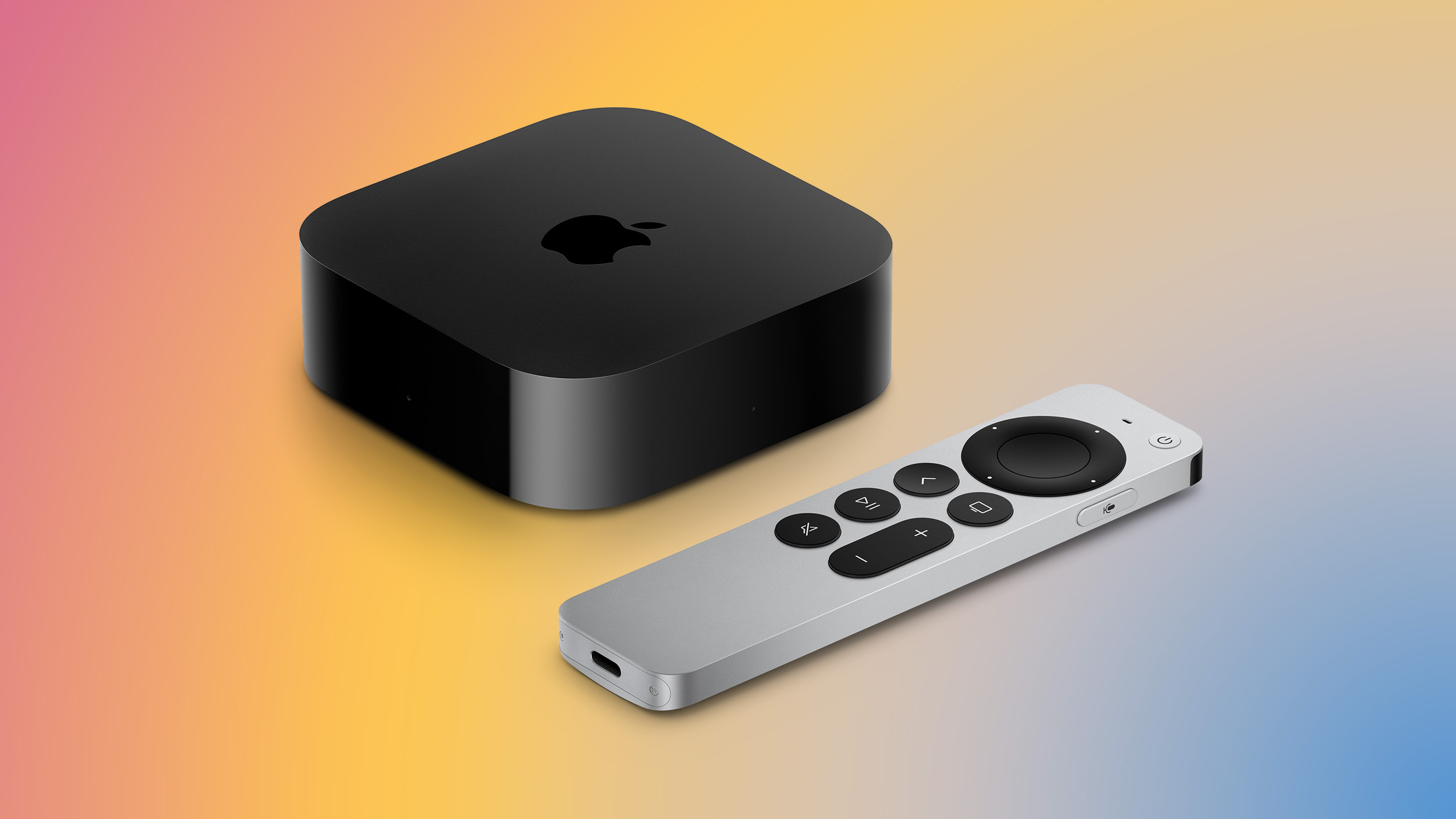
New Apple TV 4K's A19 Chip Has One Core Switched Off

Apple's new Apple TV 4K uses an A19 chip with one efficiency core disabled, according to system diagnostic data shared by code explorer pdfu. That suggests a five-core CPU with two performance cores and three efficiency cores, compared with the six-core CPU in the iPhone 17.

The reported maximum clock speeds are 4.26GHz for performance cores and 2.592GHz for efficiency cores, with a five-core GPU reaching 1.47GHz. (These are maximum frequencies, not measurements of sustained performance.) Apple is likely using binned chips, where the disabled core is defective. The company used a similar configuration in the 2022 Apple TV 4K, whose A15 chip also had one CPU core disabled.
Related Roundup: Apple TV
Tag: pdfu
Buyer's Guide: Apple TV (Buy Now)

This article, "New Apple TV 4K's A19 Chip Has One Core Switched Off" first appeared on MacRumors.com

Discuss this article in our forums
  •  

Apple Seeks 200,000 People for AI Health Study

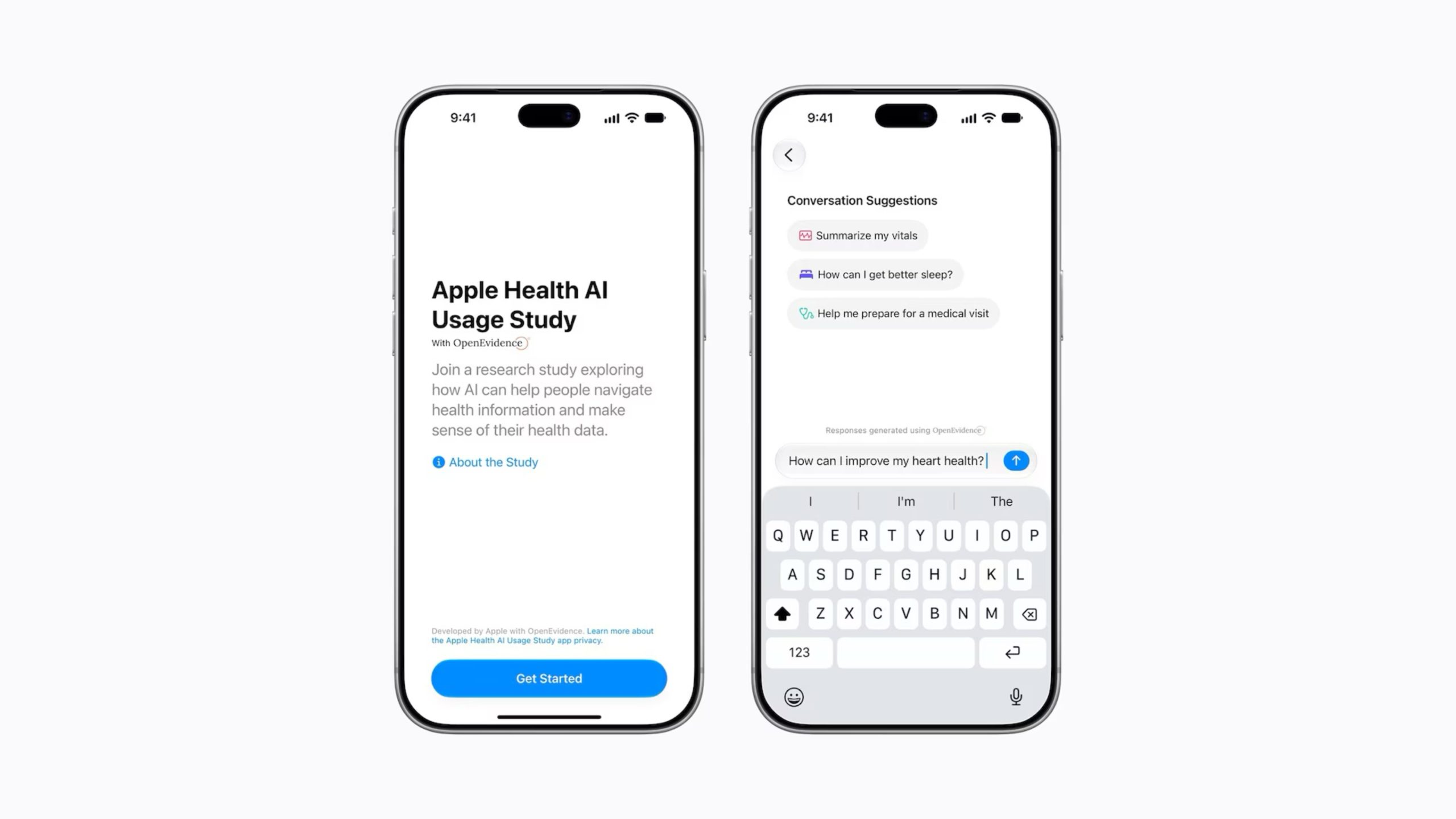
Apple on Sunday announced the launch of an Apple Health AI Usage Study that gives participants access to a dedicated iPhone app that answers everyday health questions using medical research and, optionally, their own Health app data.


Conducted in collaboration with clinical AI company OpenEvidence, the U.S.-only study will examine how people understand and evaluate AI-generated health information, what makes them trust it, and whether it can help them prepare for appointments with their doctors.
"At Apple, we believe responsible innovation starts with scientific rigor and clinical grounding. Health is deeply personal, and conducting a dedicated research study is the most thoughtful way to understand how people engage with, comprehend, and evaluate health AI in everyday life," said Sumbul Desai, M.D., Apple's vice president of Health and Fitness. "Insights from this study will help advance the broader scientific conversation and ensure that as technology evolves, we continue building trusted tools that genuinely support people wherever they are on their health journey."
The app combines OpenEvidence's technology with an Apple-designed research experience, where responses include links to peer-reviewed clinical sources, with information drawn from publications like The New England Journal of Medicine, JAMA, and Nature. Apple says the app presents complex medical information in approachable language.


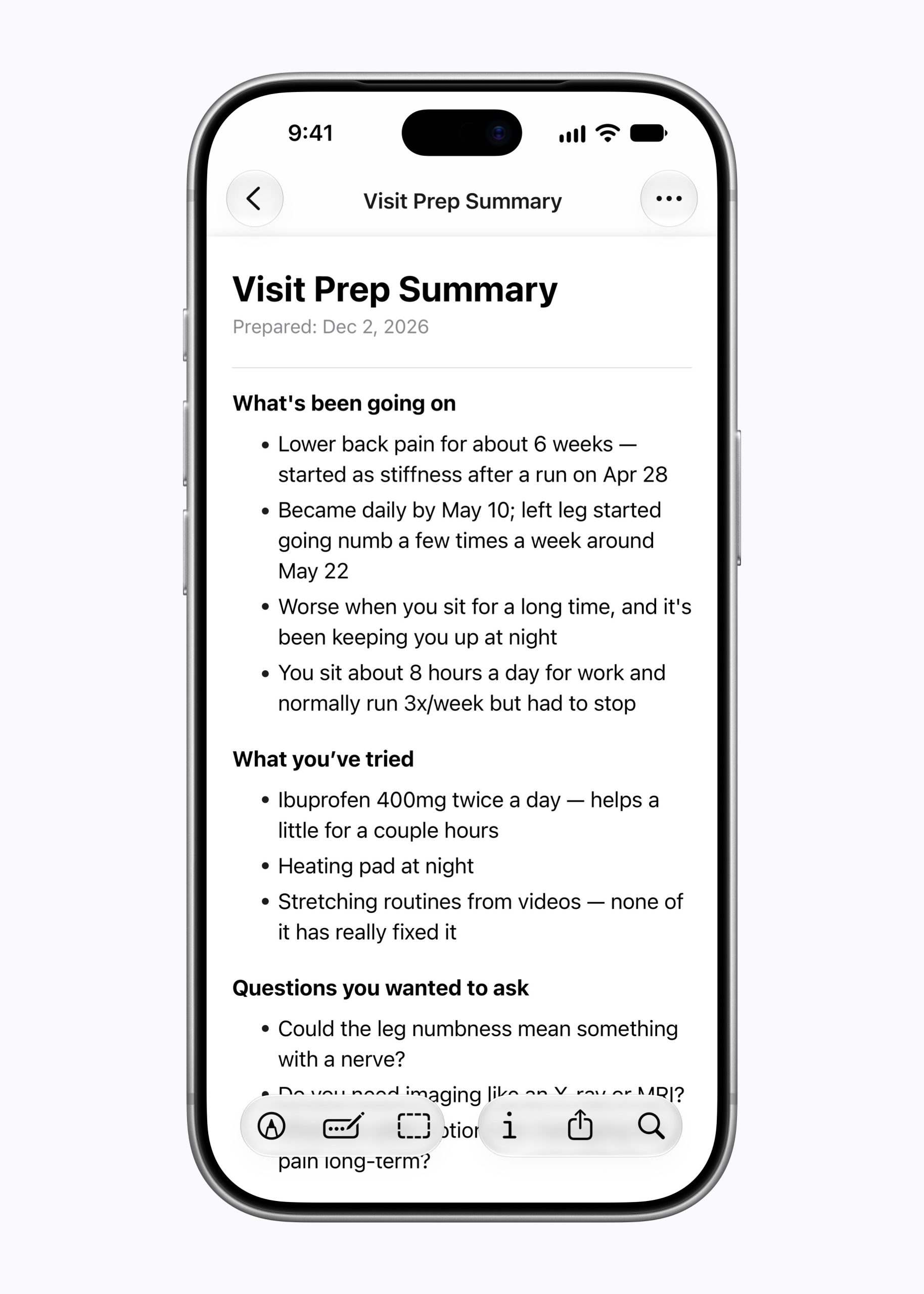
Participants can choose to share data such as their resting heart rate, activity, sleep, and lab results through HealthKit. The idea is for it to allow researchers to explore whether incorporating personal health information makes answers more relevant and easier to understand. Apple says the app can also help users put Health data in context, understand symptoms or conditions, and build personalized exercise or meal plans.

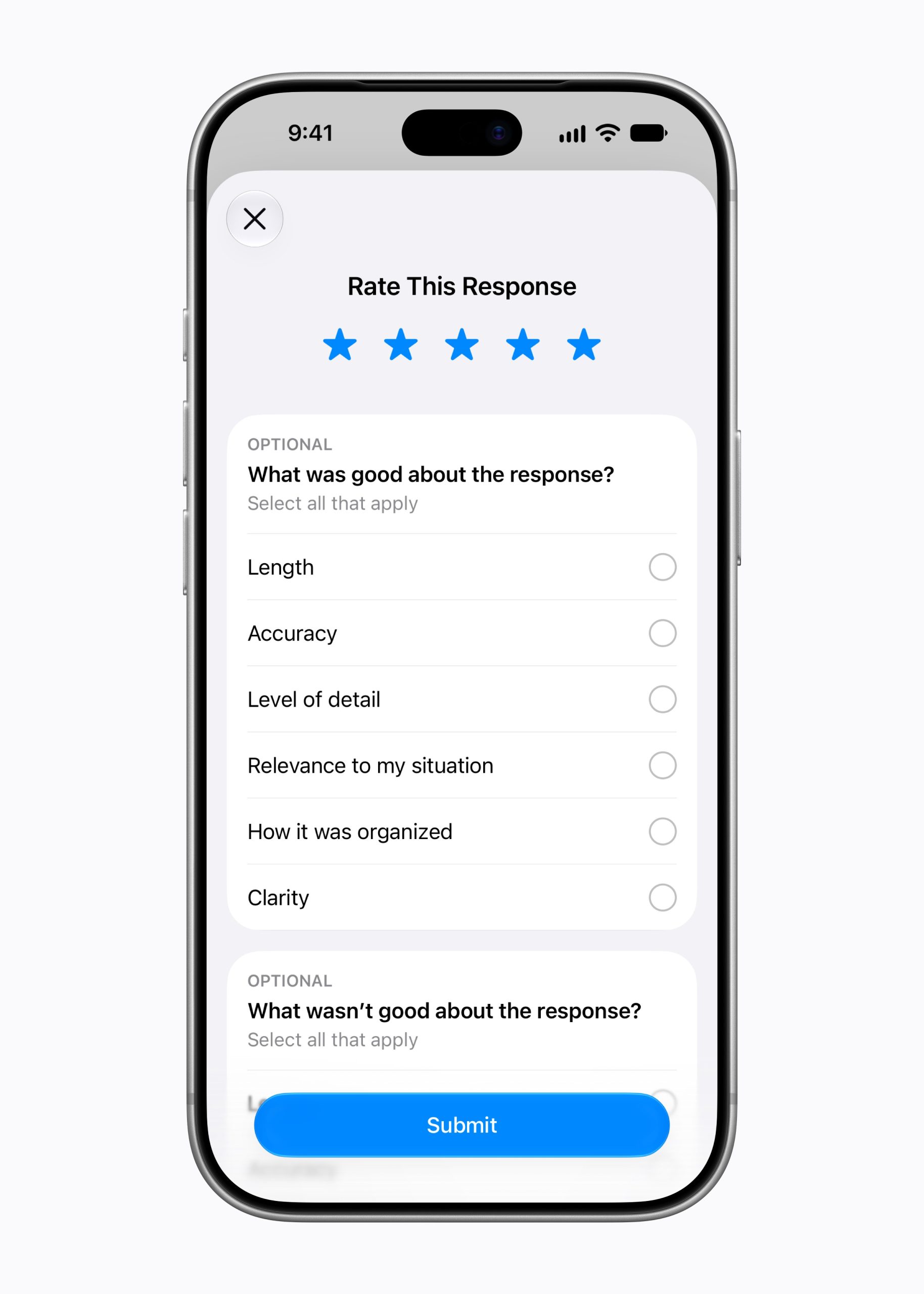
Users can rate responses and complete occasional surveys about their experience, and all questions undergo processing designed to remove identifying information before reaching OpenEvidence, which deletes question-and-response data within 24 hours. Apple says study data will not be used to train AI models, and participants control whether they share HealthKit metrics or survey responses.
"Patients and clinicians are both turning to AI, but the tools they use are being built and tested in separate worlds," said Robert M. Wachter, M.D., UCSF's professor and chair of the Department of Medicine. "When patients and doctors draw on versions of the same trustworthy tools, patients arrive prepared, conversations improve, and next steps happen seamlessly. Connecting these tools, and rigorously studying what works, is how we'll get there."
Apple is keen to stress that health tools powered by large language models can give incomplete or unclear answers, and the app includes safeguards that are meant to detect certain concerning questions and direct users toward a healthcare provider or other resources. The study isn't intended to diagnose or treat conditions, or replace advice from medical professionals.


The study is open to up to 200,000 eligible U.S. residents aged 21 and older with an Apple Intelligence-enabled iPhone running iOS 26 or later. If you're eligible and interested, download the Apple Health AI Study App from the App Store to learn more.
This article, "Apple Seeks 200,000 People for AI Health Study" first appeared on MacRumors.com

Discuss this article in our forums
  •  

Apple TV App to Get Video Podcasts Section Today

Apple on Monday will add a video podcasts section to the Apple TV app, bringing it to more than 1 billion devices that have the app, reports The New York Times. The new video podcasts section will likely arrive in iOS 27.3 beta 2 for developer testing.

"We want podcasts to be available wherever people want to enjoy them — the small screens, big screens," VP of services, Oliver Schusser, told NYT. "It's really about discovery and helping the creators to reach a new audience. We didn't approach this in a way that would financially benefit us." Apple also plans to increase the number of video podcasts on its regular Podcasts app, according to the publication.
Related Roundup: Apple TV
Buyer's Guide: Apple TV (Buy Now)

This article, "Apple TV App to Get Video Podcasts Section Today" first appeared on MacRumors.com

Discuss this article in our forums
  •  

Apple Launches Two Products Today

Apple is releasing two new products today, Friday, November 13: the all-new Apple HomeView and the fourth-generation Apple TV 4K, both of which have been available to pre-order since mid-October.

  • Apple HomeView: Apple's new smart home display, powered by Apple Intelligence with Siri AI, for entertainment and managing the home. Available in tabletop and wall-mounted models, it can recognize up to six users by face, each with a personalized Home Screen. The HomeView is priced at $299.

  • Apple TV 4K: adds Siri AI, the A19 chip, an updated Siri Remote with Find My, and support for four-speaker surround sound with HomePod mini 2. The Apple TV 4K comes with 128GB of storage and is priced at $299.
Both products were announced on October 13 alongside the HomePod mini 2, which launched October 30.

As things stand, HomeView is not sold in the European Union because Siri AI is currently unavailable on iOS in the region due to regulatory constraints. Apple has said it is "working constructively with the EU in an attempt to find a path forward," but has provided no timeline for EU availability.
This article, "Apple Launches Two Products Today" first appeared on MacRumors.com

Discuss this article in our forums

  •  

Rumored Apple Smart Glasses Mentioned in Supplier's Earnings Briefing

Apple's rumored smart glasses and AirPods with cameras may have been referenced by Chinese manufacturing equipment supplier Quick Intelligent Equipment, according to a Securities Times report on the company's quarterly earnings briefing. The company claimed it has been involved in "Apple's AI glasses and new smart earphones projects," which could boost demand for its machine vision inspection equipment.

Apple is reportedly targeting a late 2027 launch for its first smart glasses, expected to help answer questions about the wearer's surroundings and translate languages. Apple is also reportedly developing AirPods with cameras, set to arrive alongside the 20th-anniversary iPhone.
This article, "Rumored Apple Smart Glasses Mentioned in Supplier's Earnings Briefing" first appeared on MacRumors.com

Discuss this article in our forums
  •  

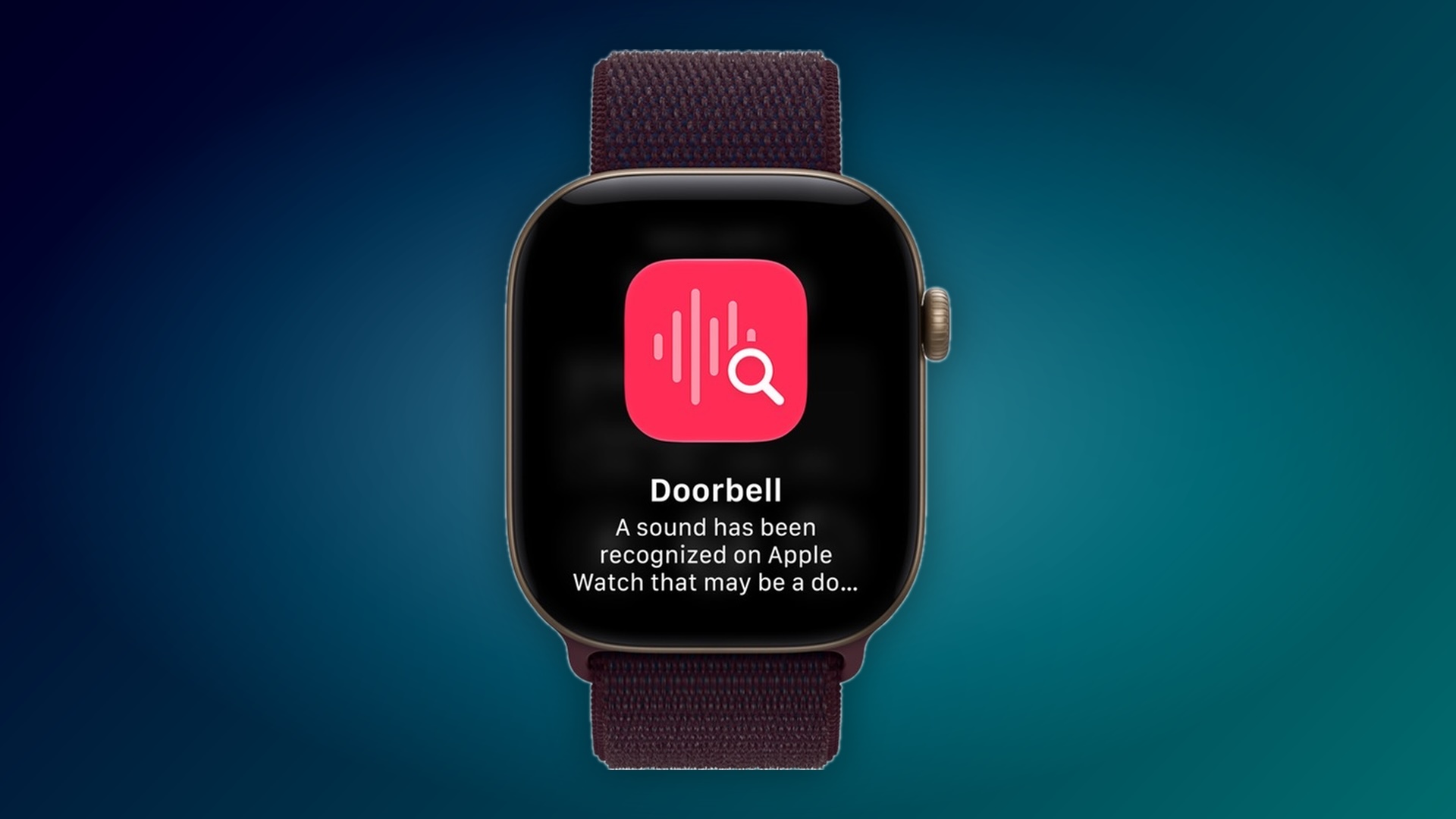
Make Apple Watch Listen for Sounds Like the Doorbell

One of Apple's accessibility features on iPhone can listen for important sounds around you, such as a doorbell, siren or alarm, and it sends you a notification when it hears one. The feature has been extended to Apple's new Apple Watch Series 12 and Apple Watch Ultra 4 models, so the alert reaches your wrist even when your iPhone isn't with you.


It's especially useful for people who are deaf or hard of hearing, but it has everyday uses too. If you wear noise-cancelling headphones while working and don't want to miss the doorbell – if you're expecting a delivery, for example – your Apple Watch can alert you.

Sounds Your Apple Watch Can Detect


Sound Recognition can detect the following 15 sounds. Any you switch on in the iPhone's Sounds list are also detected by your Apple Watch when "Detect using Apple Watch" is enabled:

  • Fire Alarm

  • Siren

  • Smoke Alarm

  • Cat

  • Dog

  • Appliances

  • Car Horn

  • Doorbell

  • Door Knock

  • Glass Breaking

  • Kettle

  • Water Running

  • Baby Crying

  • Coughing

  • Shouting

If a sound isn't recognized automatically, you can also teach your iPhone a Custom Alarm or Custom Appliance or Doorbell from the same Sounds list.

What You'll Need


You'll need an Apple Watch Series 12 or Ultra 4 paired with an iPhone 11 or later, or an iPhone SE (2nd generation or later), running iOS 27. If you already use Sound Recognition on your iPhone, it turns on automatically for your Apple Watch, so you may not need to do anything. Either way, here's how to set it up:

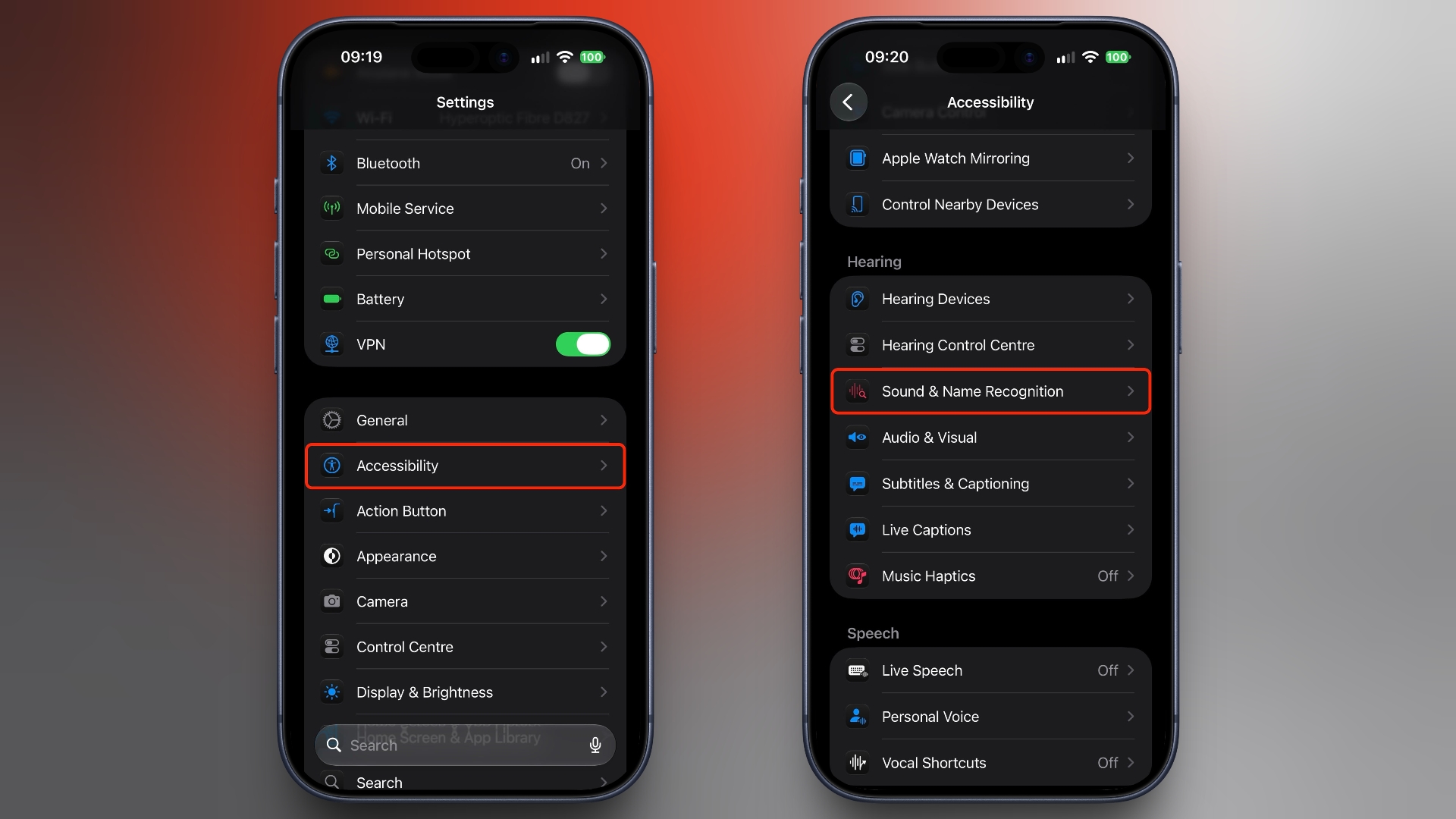
  1. Open the Settings app on your iPhone and tap Accessibility.

  2. In the "Hearing" section, tap Sound & Name Recognition.
    settings
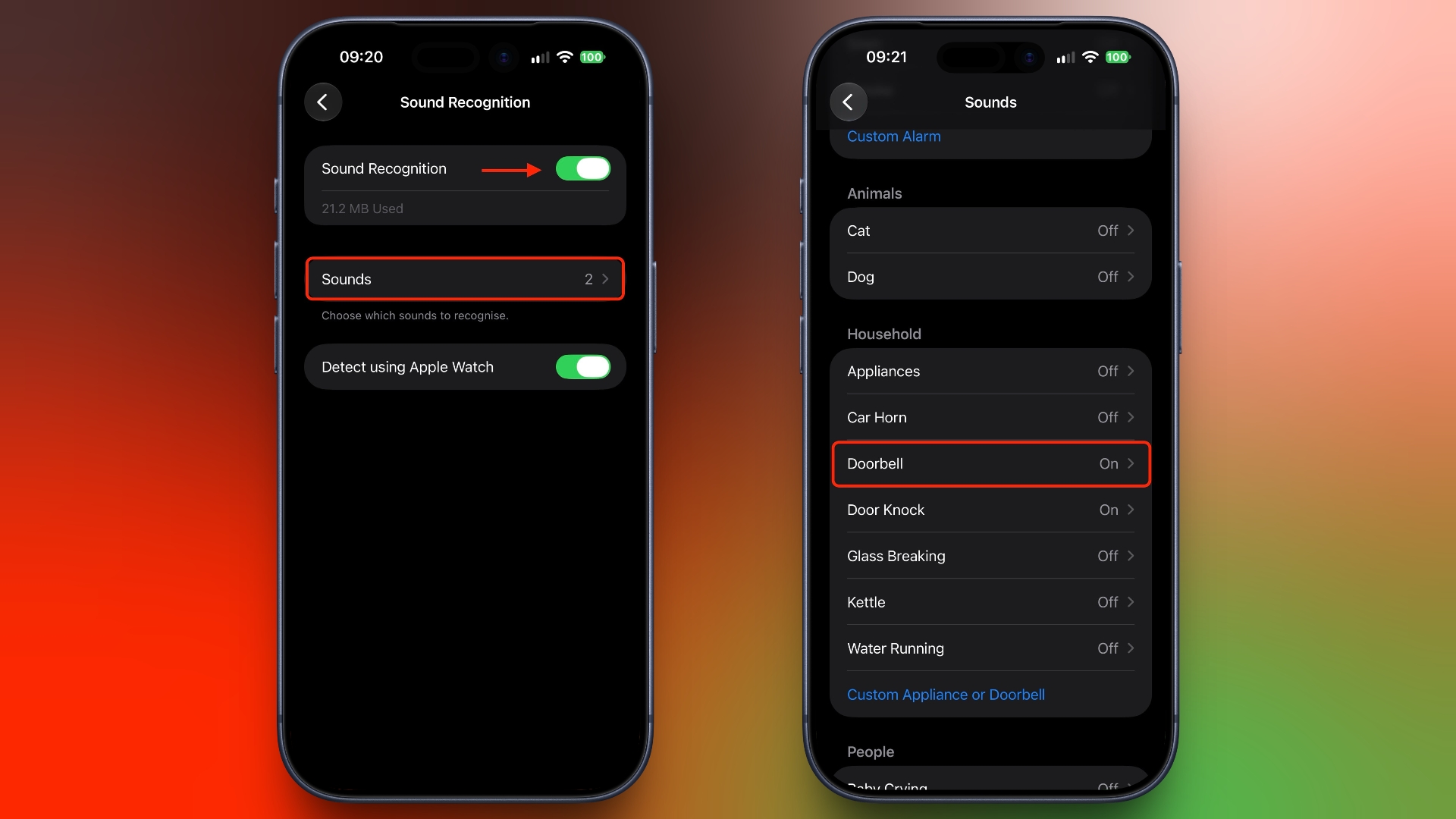
  3. Tap Sound Recognition and turn on the Sound Recognition toggle, then turn on Detect using Apple Watch.
  4. Tap Sounds and turn on the sounds you want to hear about, such as Doorbell. You can also choose a specific alert tone for each sound.
    settings
Apple says Sound Recognition is processed on your Apple Watch and iPhone and doesn't record or store audio. It shouldn't be treated as a safety system, though. You shouldn't rely on it in situations where you may be harmed or injured, in high-risk or emergency situations, or for navigation, per Apple's guidelines.
Related Forum: Apple Watch

This article, "Make Apple Watch Listen for Sounds Like the Doorbell" first appeared on MacRumors.com

Discuss this article in our forums

  •  

Disable Touch on MacBook Pro PROLED XDR and When Using Sidecar

Apple has long rejected the idea of a touchscreen Mac, so moving ahead with one was always going to be a major shift in the company's thinking. In 2010, Steve Jobs argued that "touch surfaces don't want to be vertical," citing the arm fatigue that comes from repeatedly reaching up to a screen.

Some would call this sacrilege...

More than a decade later, in 2021, Apple's then-hardware engineering chief John Ternus remarked that the Mac was made exclusively for indirect input and that Apple saw no compelling reason to change its approach.

"We make the world's best touch computer on an iPad. It's totally optimized for that. And the Mac is totally optimized for indirect input. We haven't really felt a reason to change that," Ternus said in an interview with Joanna Stern.

Touch Comes to the Mac


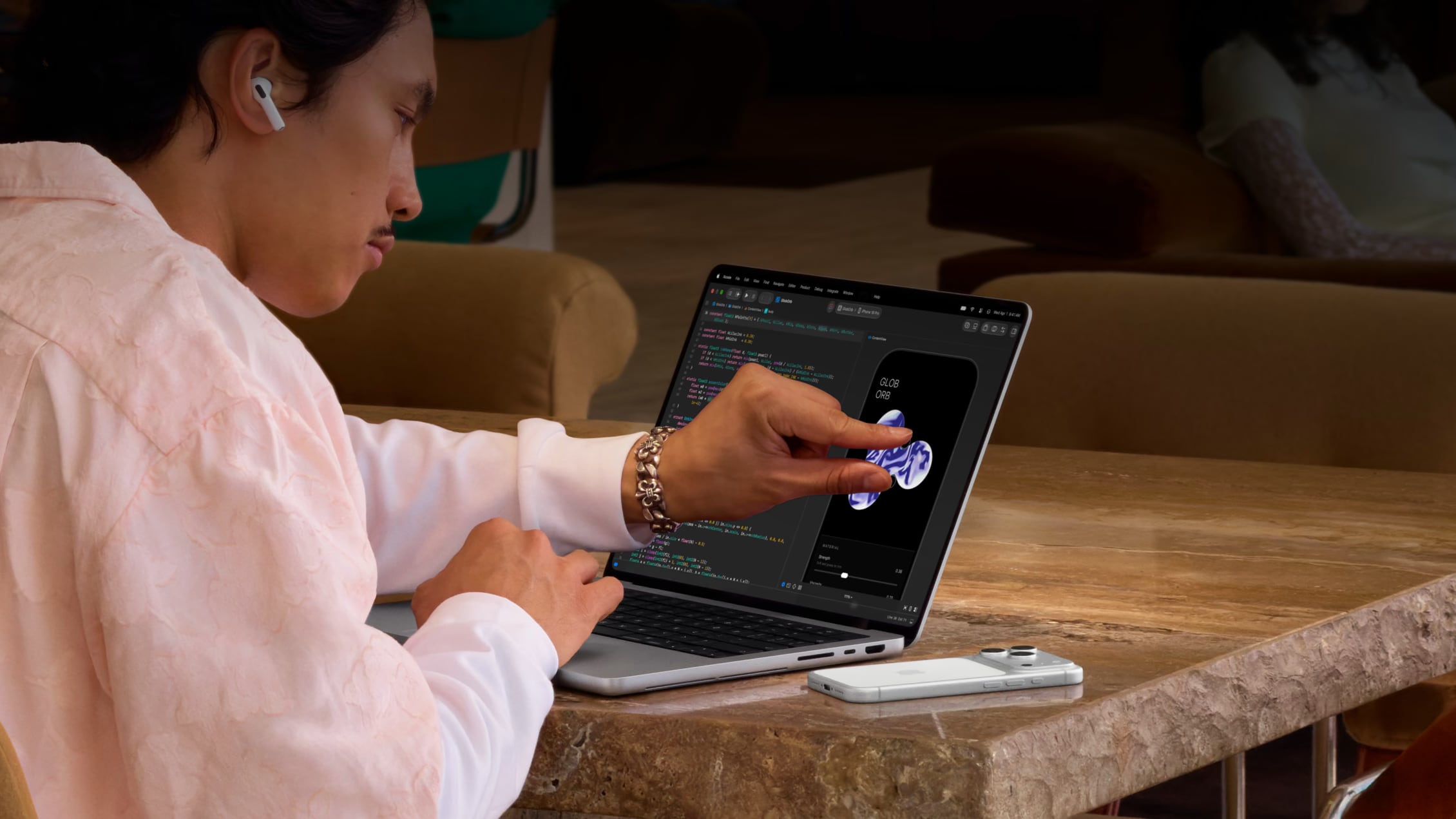
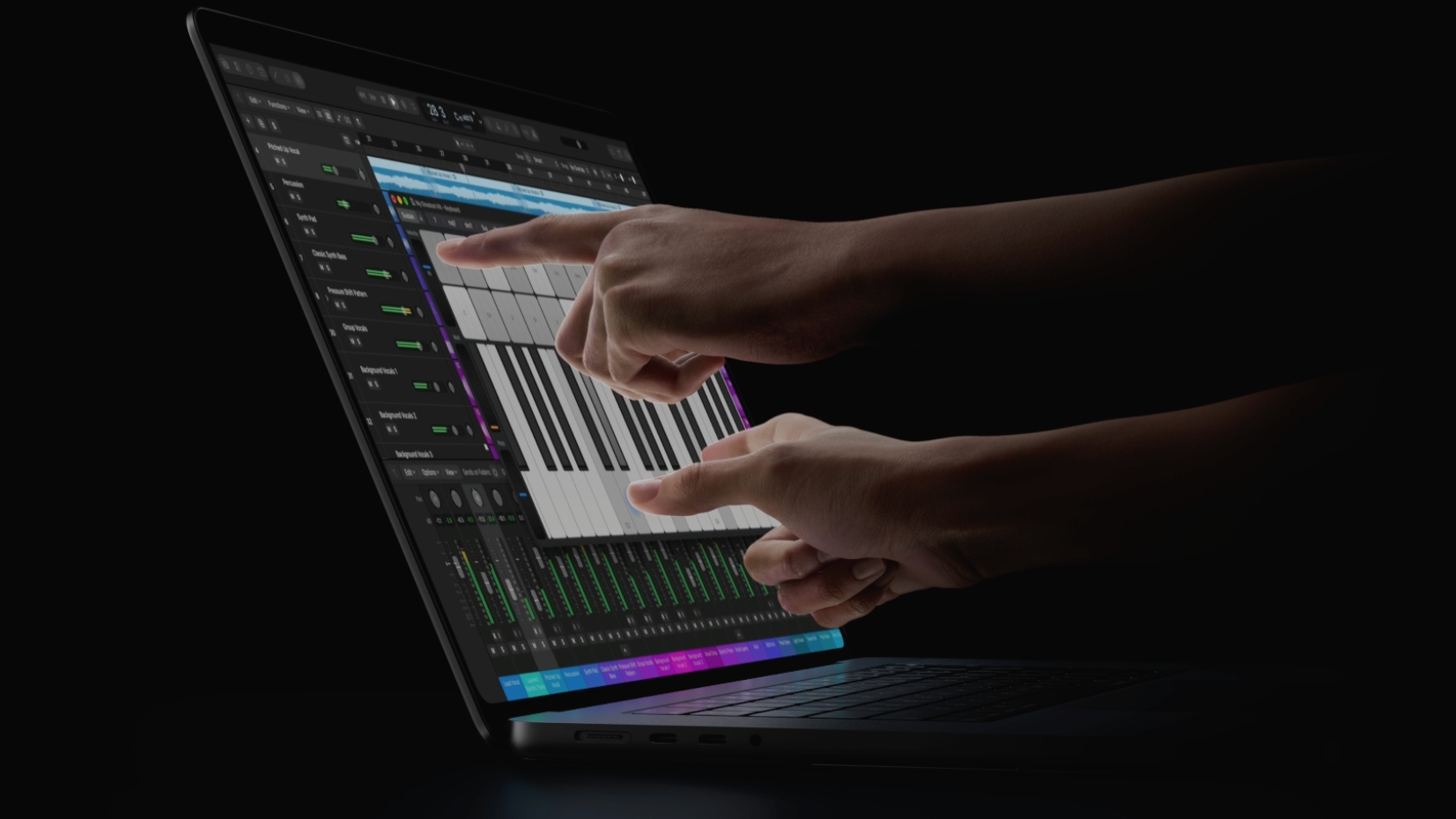
Fast forward to 2026, and Apple has had a change of heart. The new MacBook Pro with PROLED XDR is the first Mac to adopt touchscreen technology. Many younger people who grew up with smartphones and tablets expect to interact with their computers the same way they do with their mobile devices, and that expectation appears to have twisted Apple's arm (no pun intended).

Of course, just because the new MacBook Pro models have a touchscreen doesn't mean you have to use it. If you forget it's even there, you can turn off the function and pretend it doesn't exist. If you use Sidecar with an iPad on another Mac, you can turn off touch in the same way.

Turn Off Touch on MacBook Pro and Sidecar


The steps are the same whether you want to disable the MacBook Pro's touchscreen or touch input in Sidecar:

  1. Click the Apple logo in the top-left corner of the menu bar and choose System Settings....

  2. Select Accessibility in the sidebar.

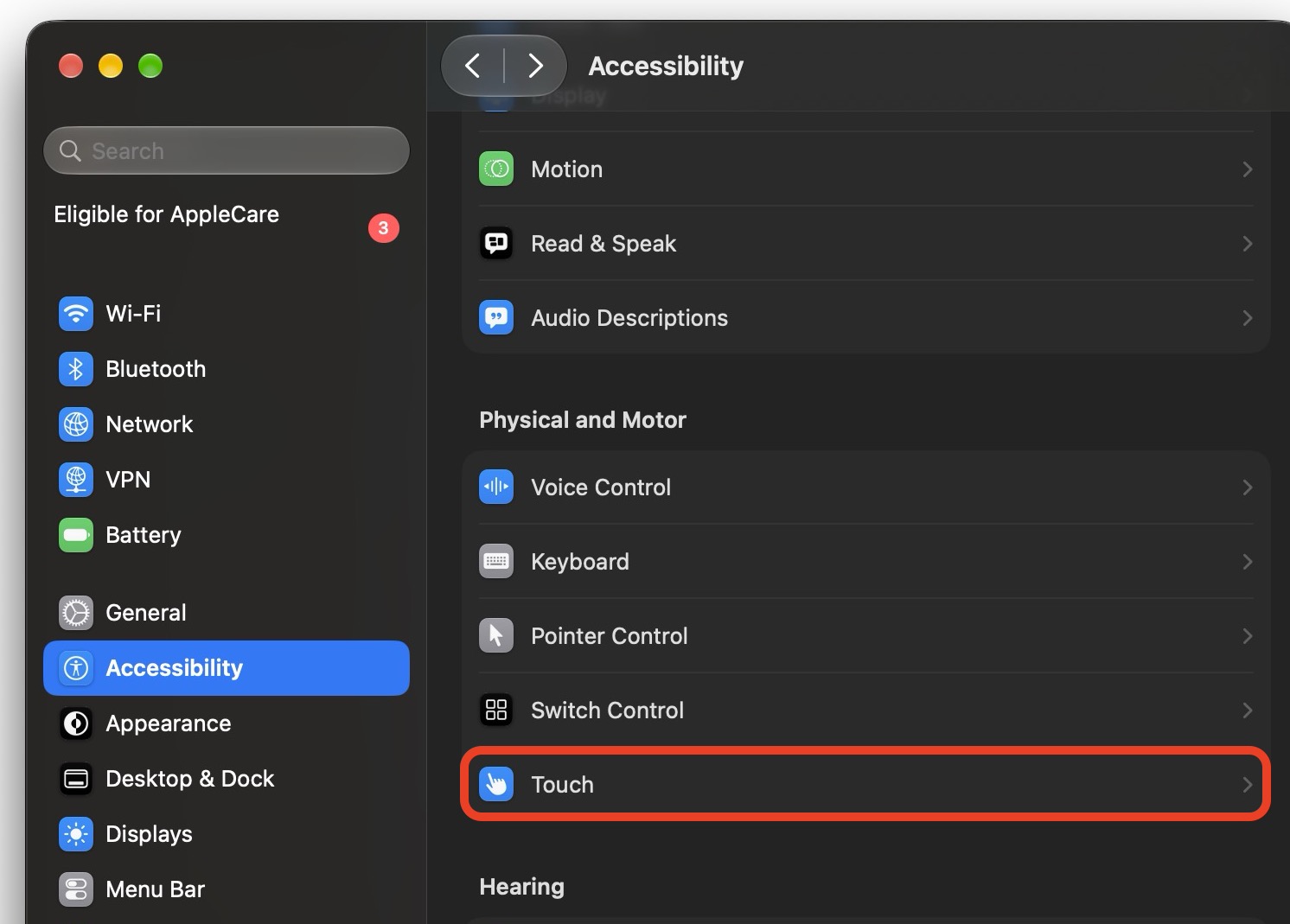
  3. Under "Physical and Motor," click Touch.
    settings
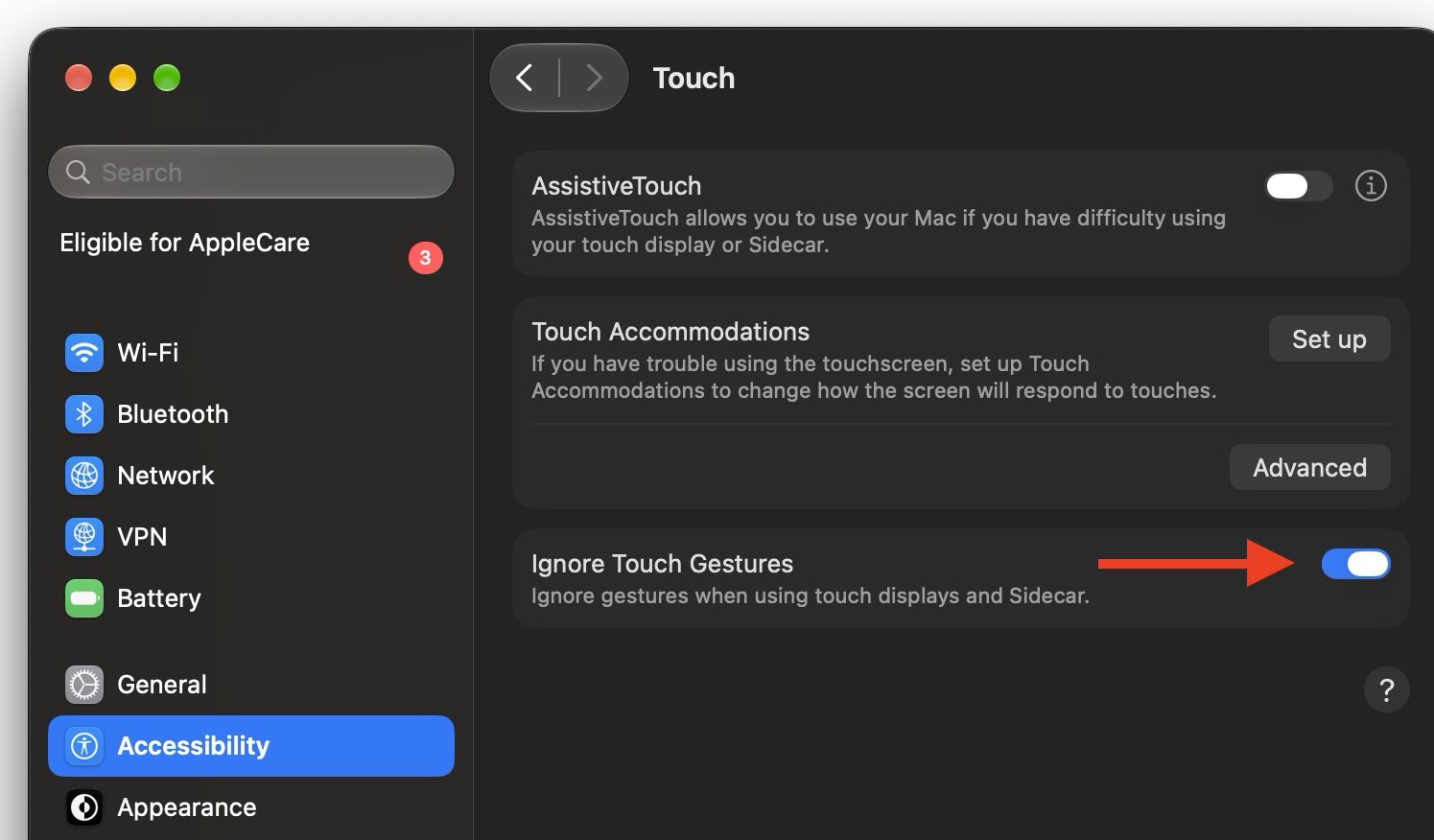
  4. Toggle on the switch next to Ignore Touch Gestures.
    settings
That's all there is to it. Your Mac will now ignore touch input, and since the setting covers Sidecar too, an iPad you use as a second display will ignore touches as well. If you ever want touch back, return to the same screen and toggle off Ignore Touch Gestures.

Touch Friendly, Not Touch First


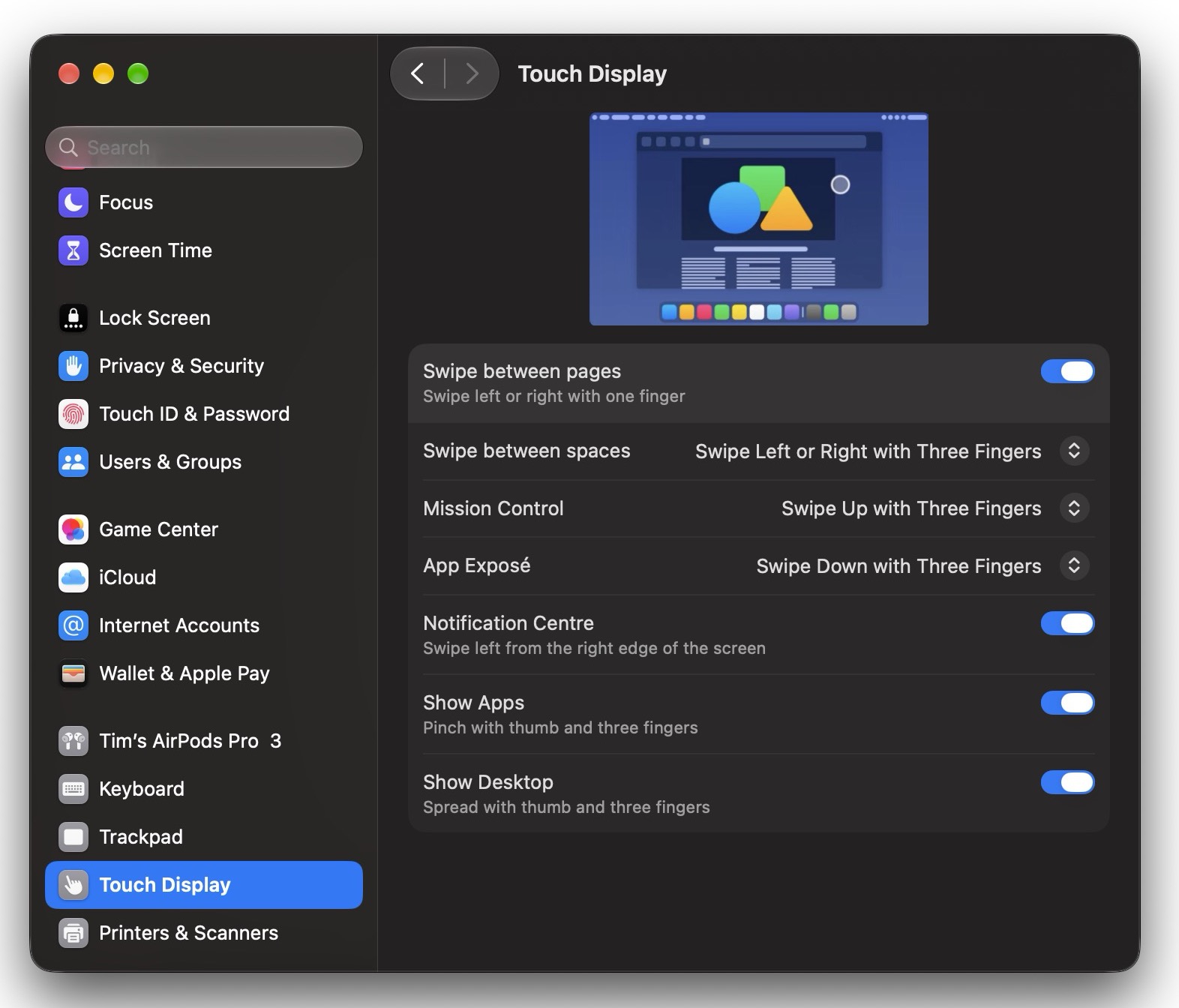
If some gestures prove useful but others keep being triggered by accident, you can adjust them individually instead of disabling touch altogether. In System Settings, select Touch Display in the sidebar, where each gesture can be switched off, and Swipe between spaces, Mission Control, and App Exposé also have pop-up menus for changing how the gesture is performed.

settings
Don't overlook the fact that the Accessibility ➝ Touch screen (where "Ignore Touch Gestures" lives) offers further customization options. Touch Accommodations changes how the screen responds to taps, swipes, and touch-and-hold input. AssistiveTouch can also be found on this settings menu if you want alternative ways to control the screen, and the Accessibility ➝ Zoom menu includes an option to zoom using the touch display or Sidecar.


Whatever you think about touch on a Mac, one group with a genuine reason to leave it on is app developers. Xcode's iOS Simulator responds to direct touch, so you can test your app's taps, swipes, and pinches right on the screen instead of approximating them with a trackpad and keyboard modifiers.
Related Roundup: MacBook Pro
Tag: Sidecar
Buyer's Guide: MacBook Pro (Buy Now)
Related Forum: MacBook Pro

This article, "Disable Touch on MacBook Pro PROLED XDR and When Using Sidecar" first appeared on MacRumors.com

Discuss this article in our forums
  •  

Apple Maps Could Factor Parking Into Your Arrival Time

Apple may be working on a way for Maps arrival estimates that account for parking as well as the walk to your destination, according to findings shared by code explorer pdfu. A new "TimeToPark" flag in the iOS 27.3 beta apparently allows the system to measure time spent near a destination before parking, plus walking time afterwards.

The measurements use background location and motion data, with results saved per trip and grouped by weekday and hour. However, pdfu says the feature can only be enabled on internal installations, and no Maps feature uses the data yet. In other words, watch this space – parking-aware ETAs could yet become a thing.
This article, "Apple Maps Could Factor Parking Into Your Arrival Time" first appeared on MacRumors.com

Discuss this article in our forums
  •  

Waze Now Alerts Drivers to Nearby Cyclists Using Garmin LiveTrack

Waze and Garmin have announced the launch of real-time cycling alerts for drivers to help create a safer environment on the road.

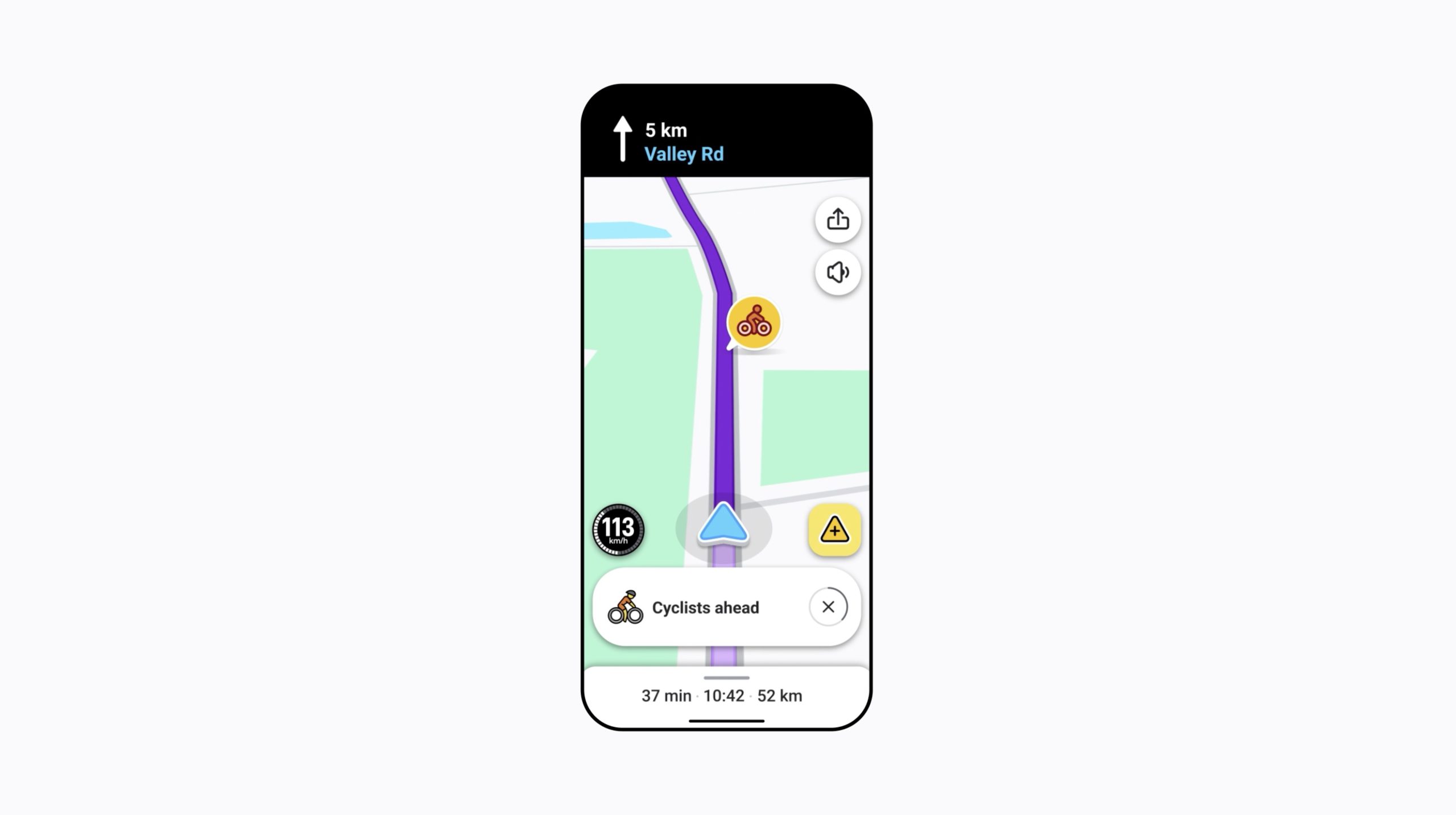
Waze cycling alerts
Going forward, when cyclists turn on Garmin LiveTrack on their Garmin Edge bike computer or Garmin smartwatch, they can choose to show up in Waze as a real-time moving icon.

Drivers will also see a notification when a cyclist is nearby, so they can slow down, stay aware, and share the road.

The feature is completely opt-in, and Waze and Garmin say it is designed with privacy in mind. Drivers only see a temporary alert that a cyclist is nearby, and a cyclist's name, identity, or exact route is never shared in the app. Alerts also automatically turn off the moment a cyclist ends their ride on the Garmin device.

Cycling alerts powered by Garmin LiveTrack are rolling out now globally to Waze on iOS and Android.
Tags: Garmin, Waze

This article, "Waze Now Alerts Drivers to Nearby Cyclists Using Garmin LiveTrack" first appeared on MacRumors.com

Discuss this article in our forums
  •  

iPhone 20 Pro: Ten Big Changes That Could Redefine Apple's Flagship

In 2017, Apple celebrated the iPhone's 10th birthday with the iPhone X, the biggest redesign in the product's history. For the device's 20th anniversary, all the rumors indicate that the company is preparing another landmark redesign.


The commemorative "iPhone 20" model isn't expected until September 2027, but leaks have been piling up for months. According to Bloomberg's Mark Gurman, Apple is already deep into its development, and the picture forming across multiple reports is of an iPhone that looks like a single, uninterrupted slab of glass. Here's what we're expecting:

  • A quad-curved, all-glass design: The display glass reportedly curves away on all four sides, concealing the metal frame during normal use. Apple is said to be working with Samsung on an "equal-depth quad-curved" display to achieve the effect.

  • Advanced OLED technology: Apple was reportedly planning a brighter, thinner Samsung OLED panel using Color Filter on Encapsulation (COE) for the anniversary iPhone, but a more recent report suggests the technology has slipped: UBI Research does not expect COE on Apple's Pro iPhones until 2029, casting doubt on its inclusion in the 2027 model.

  • Under-display Face ID and camera: Apple is reportedly continuing to test hardware that would eliminate the final visible cutout from the front of the device. Apple already debuted an under-display camera on the iPhone Duo's inner screen, but reviewers criticized its image quality. Whether an improved version will be ready for the iPhone 20's rumored fall 2027 launch remains uncertain.

  • Solid-state buttons: Apple is said to be testing haptic replacements for the Side, Volume, Action, and Camera Control buttons. The buttons could be integrated directly into the device's frame, with no actual physical movement when pressed, yet retaining a tactile responsiveness.

  • Apple modem in the United States: Apple is developing modems that it hopes will outperform Qualcomm's on speed and AI functionality; its third-generation modem, due in 2027, is the one expected to finally exceed Qualcomm's. The C1 and C1X are used in the iPhone 16e and iPhone Air, and the C2 now powers the iPhone 18 Pro and iPhone Duo. Only the U.S. iPhone 18 Pro Max still uses a Qualcomm modem.

  • Custom Apple image sensor: Apple is said to be developing its own stacked image sensor to replace the Sony sensors it has traditionally used for the iPhone. Apple has reportedly already developed a working prototype. The sensor is said to use LOFIC technology, which would let each pixel store varying amounts of light and potentially reach up to 20 stops of dynamic range.

  • A 2-nanometer A21 chip: The 20th anniversary models are expected to feature a second-generation 2-nanometer chip. Following the A20 Pro in this year's iPhone 18 Pro models, the anniversary models would likely be powered by the A21 Pro.

  • Silicon anode battery: Apple is reportedly exploring a new battery technology that uses a silicon anode capable of storing more lithium ions per gram, potentially delivering longer battery life without increasing the physical size of the battery.

  • Mobile high bandwidth memory: Apple is rumored to be evaluating vertically stacked DRAM technology to improve memory bandwidth and boost on-device AI performance.

  • Two sizes: The two anniversary models are expected to be slightly larger than the iPhone 18 Pro and iPhone 18 Pro Max, with Digital Chat Station claiming 6.41-inch and 6.96-inch displays, the larger of which would likely be marketed as a 7-inch panel.

With all that said, we're still ahead of a rumored fall 2027 launch, and Apple's plans shift constantly behind closed doors, plus features this ambitious have a habit of slipping a year or two. Under-display Face ID in particular has been "two years away" for about five years now.

Still, taken together, the leaks describe the most dramatic iPhone rethink since 2017. If even half of the features make it to the shipped device, the iPhone 20 should be worth holding out for. For everything we know so far, check out our dedicated guide.

This article, "iPhone 20 Pro: Ten Big Changes That Could Redefine Apple's Flagship" first appeared on MacRumors.com

Discuss this article in our forums
  •  
❌