
❌

Normale Ansicht

The MacRumors Show: What's Next for iPhone Duo?

On this week's episode of The MacRumors Show, we discuss the iPhone Duo's new Face Unlock feature and all of the latest rumors about Apple's next-generation foldable iPhone.

Subscribe to The MacRumors Show YouTube channel for more videos

Apple this week added "Unlock with Front Camera" to the existing ‌iPhone Duo‌ in iOS 27.3 beta 2. The optional feature allows users to unlock the phone with facial recognition when it is closed, providing an alternative to the side-mounted Touch ID sensor. It does not offer Face ID's depth-sensing authentication, and ‌Touch ID‌ remains necessary for Apple Pay and accessing saved passwords.

The addition makes unlocking more convenient when fingerprint recognition is impractical, such as with wet hands, but introduces a distinction between unlocking the phone and authenticating sensitive actions. The same beta adds "Close to Lock," allowing users to lock the device when folding it shut instead of transferring their app to the outer display.


‌Face ID‌ remains one of the biggest questions surrounding the next ‌iPhone Duo‌. Bloomberg's Mark Gurman says Apple has developed second-generation prototypes with ‌Face ID‌ beneath the outer display, but subsequently warned that the company is running out of time to finalize the feature. It could instead arrive with the third generation.

Meanwhile, the leaker known as "Digital Chat Station" claims current engineering units retain Touch ID, a 7.6-inch inner display, and a 5.4-inch outer display. ‌Face ID‌ limited to the outside would also leave a practical question about authentication when the phone is unfolded, potentially giving Apple a reason to retain fingerprint recognition alongside facial authentication.

The second-generation ‌iPhone Duo‌ is expected to launch in the fall of 2027. Its development reportedly received formal approval earlier this year, and Apple was already said to be testing it with iOS 28 in June.

Apple's longer-term goals reportedly include a thinner and lighter design, a dedicated telephoto camera, and Action button functionality. Gurman previously predicted that smaller components and computational processing could enable ‌Face ID‌ and a telephoto camera by the third generation.

Gurman says a third-generation model could arrive as early as 2028 with slightly larger inner and outer displays. He separately discussed a potential inner screen of around 7.9 to 8.1 inches for a future model, rather than a separate larger "Max" version. A bigger chassis could provide more room for additional hardware, but would also raise questions about added weight.

The leaker known as "Fixed Focus Digital" has linked improvements in the touchscreen MacBook Pro's hinge to work on the second- and third-generation ‌iPhone Duo‌. Reliability remains part of the discussion following reports of cracked displays on the current model.

For the controls, Apple could restore the missing Action button's functionality without adding another physical button. According to the leaker known as "Instant Digital," iPhones launching from the second half of 2027 could combine the controls, using a single press to open the camera and a long press for a customizable action.

The MacRumors Show has its own YouTube channel, so make sure you're subscribed to keep up with new episodes and clips.

You can also listen to ‌The MacRumors Show‌ on Apple Podcasts, Spotify, Overcast, or other podcast apps. You can also copy our RSS feed directly into your player.


If you haven't already listened to the previous episode of The MacRumors Show, catch up to hear our discussion about Apple's new HomeView and Apple TV 4K, including their hardware, everyday usefulness, and experiences with Siri AI.

Subscribe to ‌The MacRumors Show‌ for new episodes every week, where we discuss some of the topical news breaking here on MacRumors, often joined by familiar guests such as Tyler Stalman, Michael Fisher, Kayci Lacob, Kevin Nether, John Gruber, Mark Gurman, Jon Prosser, Luke Miani, Matthew Cassinelli, Brian Tong, Quinn Nelson, Jared Nelson, Eli Hodapp, Mike Bell, Sara Dietschy, iJustine, Jon Rettinger, Andru Edwards, Arnold Kim, Ben Sullins, Marcus Kane, Christopher Lawley, Frank McShan, David Lewis, Sam Kohl, Federico Viticci, Thomas Frank, Jonathan Morrison, Ross Young, Ian Zelbo, and Rene Ritchie.

‌The MacRumors Show‌ is on X @MacRumorsShow, so be sure to give us a follow to keep up with the podcast. You can also email us at podcast@macrumors.com or head over to The MacRumors Show forum thread. Remember to rate and review the podcast, and let us know what subjects and guests you would like to see in the future.
Related Roundup: iPhone Duo
Buyer's Guide: iPhone Duo (Buy Now)
Related Forum: iPhone

This article, "The MacRumors Show: What's Next for iPhone Duo?" first appeared on MacRumors.com

Discuss this article in our forums

  •  

Microsoft to Retire 'To Do' Apps Next Year

Microsoft will retire its "To Do" apps on June 30, 2027, ending support for its task manager on iPhone, iPad, Mac, Windows, Android, and the web.


In its retirement announcement, Microsoft directs work and school account users to Planner. Personal Microsoft accounts cannot access Planner, including those with Microsoft 365 Personal or Family subscriptions, leaving those users to find another task management app entirely.

Switching to Planner will not transfer users' existing To Do tasks and lists. Those tasks will remain available within Planner until June 30, 2027, but users will lose access to them there after that date. Microsoft plans to provide an export option before To Do retires, although it has not explained what the export will include or whether other apps will be able to import it.

Mac users moving to Planner will also lose the option of a dedicated desktop app. Planner is available through a browser or Microsoft Teams, and Microsoft has no plans to release a native Mac or Windows app to replace To Do. Neither option offers the same ability to manage tasks offline as the existing desktop apps.

To Do grew out of "Wunderlist," the popular task manager whose developer, 6Wunderkinder, Microsoft acquired in 2015. Wunderlist's appeal at the time was its combination of simplicity, shared lists, and synced support across platforms. Microsoft introduced To Do in April 2017 as Wunderlist's intended successor, built by the same team.

Initially available as a preview for iPhone, Android, Windows, and the web, it added a My Day view that suggested tasks to focus on. Microsoft said it would keep Wunderlist running until its key features were available in the new app. A native Mac app followed in June 2019, bringing offline access, shared lists, flagged Outlook emails, and a compact window for viewing tasks alongside other apps.

Wunderlist was discontinued in May 2020, completing the earlier transition to To Do. Microsoft now plans to begin rolling out an updated My tasks experience in Planner in December 2026.
This article, "Microsoft to Retire 'To Do' Apps Next Year" first appeared on MacRumors.com

Discuss this article in our forums
  •  

First Look at iPhone Air 2 and iPhone 18 Revealed By Dummy Models

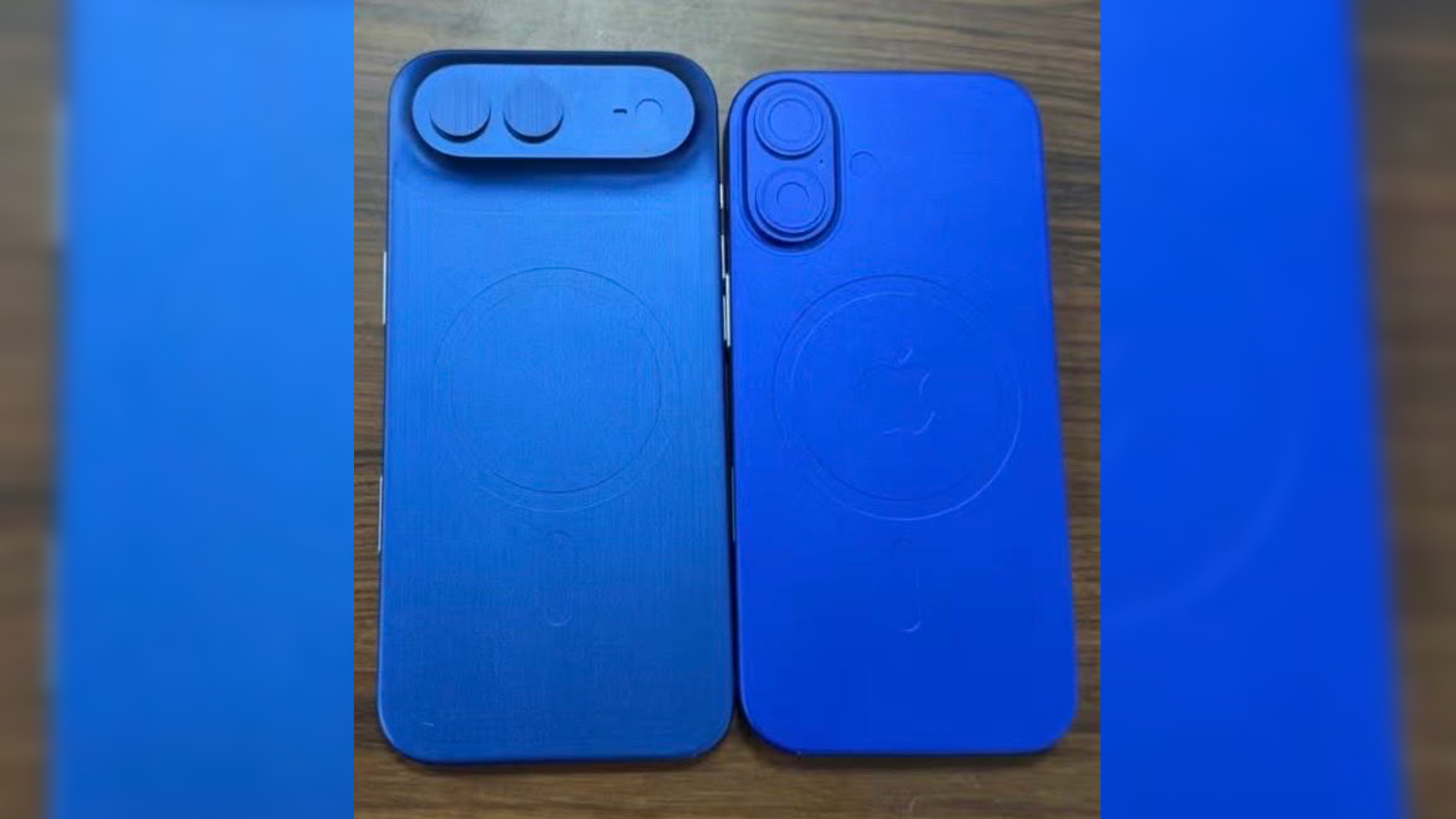
New images of dummy models offer an early look at the purported designs of the iPhone Air 2 and iPhone 18, showing a new dual rear camera arrangement for the Air and a largely unchanged appearance for the standard model.


In a new post on X, leaker Sonny Dickson highlights the ‌iPhone Air‌'s move from one rear camera to two as the biggest change. The standard ‌iPhone 18‌, he says, retains a design similar to the iPhone 17. A second image shows the fronts of the mockups.

The ‌iPhone Air‌ 2 mockup places both lenses horizontally toward the left side of its raised camera plateau, with the microphone and flash to their right. The plateau continues to stretch across most of the device's width. By comparison, the standard ‌iPhone 18‌ dummy has two vertically stacked lenses within a smaller, pill-shaped camera bump.

First look at the iPhone 18 Air and iPhone 18 dummy units. The biggest change is the iPhone 18 Air, which now features two rear cameras instead of one, while the standard iPhone 18 retains a design similar to the iPhone 17. pic.twitter.com/MdOVuwPlm3

— Sonny Dickson (@SonnyDickson) November 20, 2026


Dummy models are nonfunctional replicas typically produced using leaked dimensions and design information from Apple's supply chain. Accessory manufacturers use them to develop and test cases before the actual devices are available, allowing products to be ready around launch. This preparation makes dummy models a recurring source of early design previews, particularly for camera layouts, button placement, and overall proportions.

The second rear camera has been a consistent ‌iPhone Air‌ 2 rumor for more than a year. The Information reported in November 2025 that Apple was considering the addition as part of a redesign, with subsequent reports continuing to point to a dual-camera system.

The first-generation ‌iPhone Air‌ has a single 48-megapixel Fusion camera. Analyst Jeff Pu later predicted that its successor would gain a 48-megapixel Ultra Wide camera, adding a wider field of view to the device's photography capabilities.

Beyond the additional camera, Pu expects the next ‌iPhone Air‌ to feature an A20 Pro chip, a slightly smaller Dynamic Island, Apple's C2 modem, and an N2 wireless networking chip, while retaining a 6.5-inch display and 12GB of RAM. The Information previously reported that Apple was working on a larger battery, reduced weight, and vapor chamber cooling for the second-generation model.

The standard ‌iPhone 18‌ is expected to adopt the A20 chip and C2 modem, and could also gain a smaller ‌Dynamic Island‌ like the iPhone 18 Pro. Ming-Chi Kuo expects 9GB of memory, up from the ‌iPhone 17‌'s 8GB, while Pu predicts 12GB.

Both devices are expected to launch around March 2027, alongside the iPhone 18e.
Related Roundups: iPhone 18, iPhone Air
Buyer's Guide: iPhone Air (Caution)
Related Forum: iPhone

This article, "First Look at iPhone Air 2 and iPhone 18 Revealed By Dummy Models" first appeared on MacRumors.com

Discuss this article in our forums

  •  

UK Loses Secrecy Fight Over Apple 'Backdoor' Order

Apple's challenge to a UK government demand for access to encrypted customer data can now be heard largely in public, after a tribunal rejected the Home Office's attempt to keep the order secret, according to the Financial Times.


The Investigatory Powers Tribunal today ruled that the British government had failed to demonstrate that confirming the demand would damage national security. The decision requires the Home Office to acknowledge that it served Apple with a technical capability notice (TCN), which is an order that can compel companies to make customer data accessible to UK security services, even when it is encrypted.

The government's position relied on its policy of neither confirming nor denying such notices. However, the tribunal found that disclosures to the media, including the Financial Times, and discussions with U.S. officials had already departed significantly from that policy.

In its judgment, the tribunal said the combined effect was that anyone following the dispute already knew Apple had received a TCN. It described the suggestion that official acknowledgment would threaten national security or give a malicious actor fresh information as "fanciful."

The ruling means that much of the legal action brought by Apple, alongside a separate challenge from Privacy International and Liberty, can proceed in open court.

Apple filed its latest legal challenge in July, following a second TCN. The Home Office had previously agreed to withdraw an earlier demand covering UK and U.S. customers after a dispute with the American government. The replacement notice is believed to focus on UK users specifically.

The dispute led Apple to stop offering Advanced Data Protection to new users in the UK in February 2025. The iCloud feature provides end-to-end encryption for additional categories of data, including device backups, photos, and notes, meaning Apple does not hold the keys needed to decrypt them.

UK users who had not already enabled ADP can no longer turn it on. Apple says it cannot switch the feature off on their behalf, so it can remain active on accounts where users previously enabled it and have not turned it off. The company said affected users will be given a period to disable ADP themselves to continue using ‌iCloud‌, but a deadline has still not been provided.

Without ADP, those additional categories of ‌iCloud‌ data use standard protection, under which Apple holds the encryption keys and can provide data in response to valid legal demands. iMessage and FaceTime remain end-to-end encrypted, as do categories protected by default, such as passwords and Health data.

The tribunal will now be able to hear much of the arguments over the government's encryption demands in public, with the legality of those demands still to be decided. Privacy International lists the substantive hearing for its separate challenge as scheduled for December 2026.
This article, "UK Loses Secrecy Fight Over Apple 'Backdoor' Order" first appeared on MacRumors.com

Discuss this article in our forums
  •  

Apple Music Radio Now Reaches Over 50 Million Monthly Listeners

Apple Music Radio now attracts more than 50 million unique listeners per month, ‌Apple Music‌'s global creative director Zane Lowe revealed in a new interview.


Speaking to Billboard, Lowe said the audience is expanding rapidly, 11 years after the service debuted as "Beats 1."

Lowe arrived from BBC Radio 1 and said he expected his existing relationships, combined with Apple's resources and Jimmy Iovine's backing, to generate interest. But with the station yet to establish itself, "it was kind of crickets."

Booking difficulties helped steer Apple's programming toward less established performers. Billie Eilish, Khalid, and Bryson Tiller were among the artists it supported as their careers began. This year, the network has broadcast music by more than 6,500 artists, over half of whom Lowe described as new or emerging. Lowe also disclosed that some recorded interviews have never been released because the artists subsequently approached him with concerns.

The full interview with Lowe is available on YouTube as part of Billboard's On the Record series. An edited transcript of the interview is also available.
This article, "Apple Music Radio Now Reaches Over 50 Million Monthly Listeners" first appeared on MacRumors.com

Discuss this article in our forums

  •  

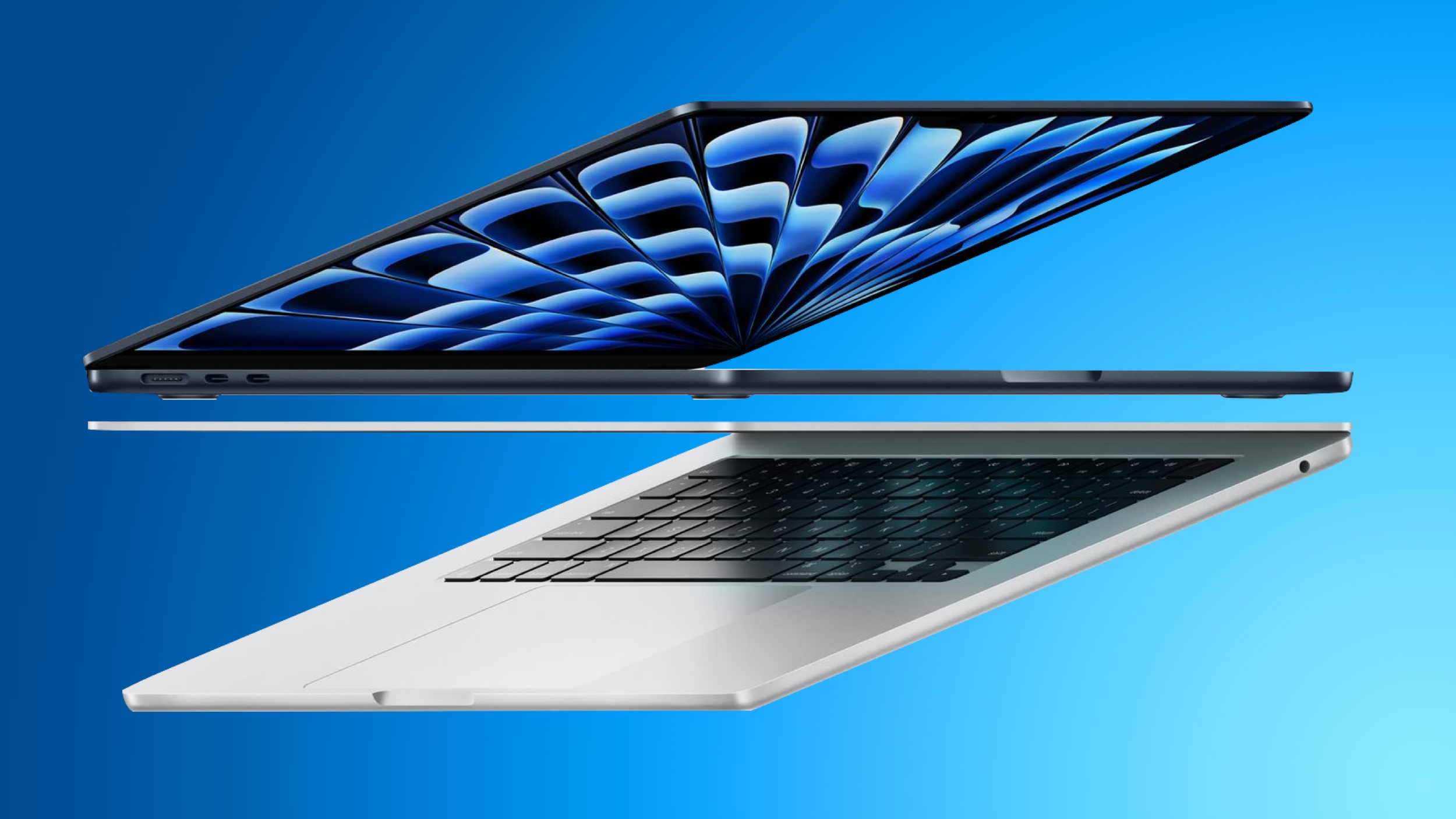
Future Macs Could Get Brighter, Longer-Lasting OLED Displays in 2030

LG Display is developing a new way to make OLED screens with higher brightness, longer lifespans, and lower power consumption for future Macs, according to The Elec.


The technology, called "FLiPP," is reportedly being developed for potential use in Apple's MacBook Air and iMac in 2030. LG unveiled it in August, but the latest report identifies the Apple products it could eventually reach.

‌OLED‌ screens contain tiny pixels that produce their own light. LG's new process reduces the empty space between them, allowing more of the screen's surface to light up. LG says manufacturers could use that improvement to make screens 60% brighter, last 2.4 times as long, or consume 13% less power than ‌OLED‌ screens made using the conventional process.

Producing the displays could also become cheaper. FLiPP replaces the thin metal sheets normally used to arrange pixels, allowing LG to make more screens from each sheet of glass and waste less material.

Bloomberg's Mark Gurman said last month that Apple was still testing OLED displays for the ‌MacBook Air‌ and ‌iMac‌. However, The Elec also today reported that Apple could delay or cancel its ‌OLED‌ ‌iMac‌ because of costs and demand concerns, potentially affecting LG's plans.
Related Roundups: iMac, MacBook Air
Related Forums: iMac, MacBook Air

This article, "Future Macs Could Get Brighter, Longer-Lasting OLED Displays in 2030" first appeared on MacRumors.com

Discuss this article in our forums

  •  

Apple Faces 'Planned Obsolescence' Trial Over iPhone Repairs

Apple will face trial in France in June 2027 over allegations that it restricted independent iPhone repairs, French advocacy group Halte à l'Obsolescence Programmée (HOP) this week announced.


The case follows HOP's December 2022 complaint about parts pairing, which electronically links components to a specific iPhone. The group says that Apple's restrictions caused replacement screens, batteries, and cameras to malfunction when repairs were performed outside its approved channels, even when genuine Apple parts were used.

According to HOP's press materials, the complaint covers 24 iPhone models and practices between November 2021 and July 2024. Although HOP describes the case as involving planned obsolescence, the specific offense being prosecuted is obstructing repair and refurbishment under French consumer law.

Apple denied the allegations in a statement to Le Monde, calling them baseless. It also highlighted restrictions it has lifted, including allowing True Tone to work with third-party replacement displays.

Since the complaint was initiated, Apple has expanded support for used genuine parts, initially for iPhone 15 models and newer. Apple says parts pairing protects privacy, security, and safety. HOP acknowledges the changes, but says their effectiveness needs to be assessed over time.

A scheduling hearing is set for February 25, 2027, with several days of arguments expected in June.
This article, "Apple Faces 'Planned Obsolescence' Trial Over iPhone Repairs" first appeared on MacRumors.com

Discuss this article in our forums
  •  

Apple May Cancel OLED iMac

Apple is considering delaying or scrapping its planned iMac with an OLED display amid concerns about high panel costs and weaker-than-expected demand for ‌OLED‌ devices, according to The Elec.


Citing industry sources, the Korean publication says Apple is discussing changes to the ‌OLED‌ ‌iMac‌'s development schedule with Samsung Display. The company could put the project on hold altogether, although one industry official said the talks are currently focused on delaying it while Apple determines demand.

Previous reports pointed to a launch in 2029 or 2030. Apple has now reportedly asked LCD suppliers, including BOE, to develop panels for a new ‌iMac‌ expected around 2029, suggesting it could stick with LCD technology through the period originally planned for the ‌OLED‌ upgrade.

Cost is said to be the biggest obstacle. Apple sells fewer iMacs than other products like iPhones or MacBooks, making expensive ‌OLED‌ panels harder to justify without raising the computer's price. Rising memory costs are reportedly adding to the expense of bringing ‌OLED‌ to more of Apple's products.

Weak ‌OLED‌ iPad Pro demand is reportedly another factor. The 2024 models introduced brighter tandem ‌OLED‌ displays, but higher prices appear to have discouraged many buyers. By October that year, Apple had reportedly cut its shipments from as many as 10 million units to 6.7 million.

Samsung Display and LG Display are forecast to ship a combined 4.9 million ‌iPad Pro‌ ‌OLED‌ panels in 2026, down approximately 18% from six million in 2025. Samsung's shipments are expected to fall from 2.1 million to 1.5 million panels, while LG's are projected to drop from 3.9 million to 3.4 million.

The Elec suggests the review may also reflect Apple's change in leadership. Since John Ternus became CEO in September, Apple has reportedly been reassessing whether the benefits of expensive ‌OLED‌ panels justify their cost.

Apple purportedly first approached display suppliers about the ‌OLED‌ ‌iMac‌ in 2025, seeking a 24-inch panel with 600 nits of brightness and a pixel density of 218 pixels per inch.

Samsung Display is believed to have been developing a panel at roughly 220 pixels per inch for the device on its existing large-format quantum dot ‌OLED‌ production lines. The design uses five light-emitting layers to improve brightness and lifespan, and Samsung had planned to send Apple samples in the second half of 2026.

LG Display was working on a competing white ‌OLED‌ panel with five light-emitting layers, but development of its panel for the first ‌OLED‌ ‌iMac‌ has reportedly stopped.

Last month, Bloomberg's Mark Gurman said Apple was still testing OLED displays for the ‌iMac‌ and MacBook Air, without specifying when either model would make the switch.
Related Roundup: iMac
Tags: OLED, The Elec
Buyer's Guide: iMac (Buy Now)
Related Forum: iMac

This article, "Apple May Cancel OLED iMac" first appeared on MacRumors.com

Discuss this article in our forums

  •  

iPhone 20 Pro Rumored to Return to Titanium

Apple's rumored "iPhone 20 Pro" could return to titanium as part of a more rounded design, according to the leaker known as "Fixed Focus Digital."


In a new post on Weibo, the leaker said the iPhone 20 Pro will adopt a titanium frame with a more rounded design. A frame made of titanium is reportedly currently in use on prototype devices during early engineering work. They described the design as somewhat similar to the iPhone Air, but substantially more rounded.

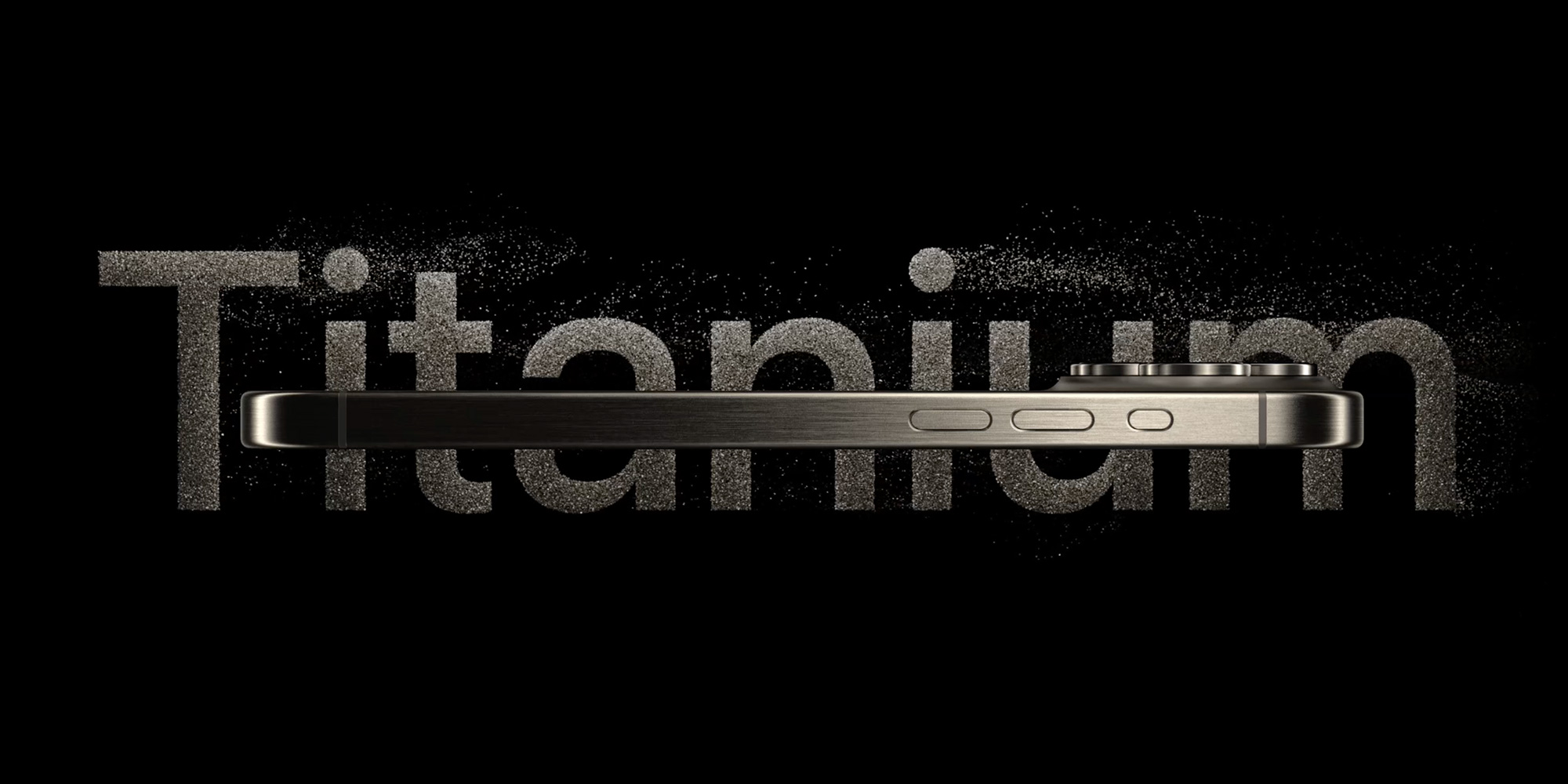
If the claim proves accurate, it would mark a return to titanium for the Pro lineup. Apple used titanium frames for the iPhone 15 Pro and iPhone 16 Pro, before switching to an aluminum unibody design with the iPhone 17 Pro in 2025. Apple highlighted aluminum's thermal conductivity as part of that redesign, which also introduced a vapor chamber to improve sustained performance.

While the change was praised for its improved thermals, light weight, and distinctive design, some users missed the more premium look and feel of titanium, along with its superior resistance to damage. The latest report regards development hardware, so it is still open whether titanium will be used in the finished product, but it seems plausible. The ‌iPhone Air‌ and iPhone Duo continue to use titanium frames.

The leaker's comparison with the ‌iPhone Air‌ builds on earlier claims about how Apple is developing the anniversary models. Earlier this week, Fixed Focus Digital said the devices would use the same glass material as the ‌iPhone Air‌, reshaped with greater curvature along all four sides.

An illustration accompanying that post depicted curved front and rear glass meeting a narrow, polished metal frame. In August, Fixed Focus Digital claimed that Apple had modified iPhone Air manufacturing equipment to produce the more rounded glass components.

That combination of curved glass and a narrow metal frame is consistent with Bloomberg's Mark Gurman's reporting that Apple is planning front and rear glass panels that curve into the sides around a thin metal band. Gurman said an earlier, more ambitious version that replaced even more metal with glass had been abandoned during development.

The latest claim suggests titanium could form that remaining band. Gurman described the planned changes as the biggest overhaul of the Pro line since the iPhone X.

The extent of the curvature may still be under consideration. The leaker "Ice Universe" today claimed that Apple is developing four models with two different designs, including two with flat glass and two with glass that curves along all four edges. Apple has reportedly explored the curved design for three years, reducing the more pronounced curvature of earlier versions.

The curved models are said to have borders measuring around 1mm, with the surrounding glass making them appear almost invisible when viewed head-on. Screen protector samples circulating online offer a physical illustration of that approach, showing rounded corners, shallow curves along all four edges, and very narrow borders.

Alongside the changes to the glass and frame, the displays could grow slightly. The leaker "Digital Chat Station" has claimed that the Pro and Pro Max models will feature 6.41-inch and 6.96-inch screens, respectively, while also describing a four-sided curved design intended to appear borderless.

Separately, Ice Universe suggested that the main camera could gain a sensor with logic circuitry manufactured using a 17-nanometer process, potentially enabling faster readout speeds and improved power efficiency. The device could also lose the Action button and feature the "A21 Pro" chip based on TSMC's enhanced 2nm process (N2P).

Apple's 20th-anniversary iPhone models are expected to launch in the fall of 2027. Leakers have referred to the devices as the "iPhone 20 Pro," but Apple's actual naming plans are unknown.
This article, "iPhone 20 Pro Rumored to Return to Titanium" first appeared on MacRumors.com

Discuss this article in our forums

  •  

Apple Announces 2026 App Store Award Finalists

Apple today revealed the 45 finalists for its 2026 App Store Awards, with nominations spanning its devices, Apple Arcade, and the Cultural Impact category.


"ElevenReader," "(Not Boring) Camera," and "Raylie" are in contention for iPhone App of the Year. On the Mac, the app nominees are clipboard manager "Paste," task manager "Things 3," and writing app "Ulysses," while "Big Walk," "Blue Prince," and "Crimson Desert" are competing for the gaming award. The full list of finalists follows:

iPhone App of the Year


  • ElevenReader: A text-to-speech app with AI-generated narration.

  • (Not Boring) Camera: A customizable camera app inspired by vintage cameras.

  • Raylie: A flight companion that provides personalized guidance during journeys.


iPhone Game of the Year


  • BALL x PIT: A game that puts a twist on brick-breaking mechanics.

  • DAVE THE DIVER: An underwater adventure centered on diving and ocean exploration.

  • Gambonanza: A chess-inspired game that changes the traditional rules.


iPad App of the Year


  • Cosmos: A visual discovery app for collecting inspiration in mood boards.

  • Kiddopia: A collection of educational games and activities for young children.

  • Mockup: A design tool for planning app and website interfaces.


‌iPad‌ Game of the Year


Mac App of the Year


  • Paste: A clipboard manager for keeping track of copied content.

  • Things 3: A task manager for organizing to-do lists.

  • Ulysses: A writing app with tools for formatting documents.


Mac Game of the Year


  • Big Walk: A multiplayer adventure focused on solving puzzles with friends.

  • Blue Prince: A mystery game set inside an unusual mansion.

  • Crimson Desert: A fantasy adventure set in a world shaped by war.


‌Apple Arcade‌ Game of the Year


Apple Vision Pro App of the Year


  • Adobe Premiere: A video editor with a workspace designed for spatial computing.

  • MLB: A baseball streaming app offering a view behind home plate.

  • Museas: An art-viewing app that places virtual galleries in users' surroundings.


‌Apple Vision Pro‌ Game of the Year


  • Cueva de las Manos: A puzzle game built around manipulating light and shadows.

  • Ping Pong Club: A spatial table tennis game.

  • Spatial Ops: A first-person combat game that incorporates players' physical surroundings.


Apple Watch App of the Year


  • Bevel: A fitness app that interprets health data to offer guidance.

  • Moonlitt: A tracker for moon phases and lunar events.

  • StressWatch: A health app for monitoring estimated stress levels.


Apple TV App of the Year


  • Case Solved: The London Files: A murder mystery game featuring logic puzzles and noir themes.

  • Letterboxd: A movie discovery app featuring recommendations from friends and critics.

  • Pocket Casts: A podcast player adapted for listening through a television.


Cultural Impact Apps


  • Brilliant: An educational app covering mathematics and science.

  • chilli: An app for participating in environmental political campaigns.

  • Hearing Buddy: A speech transcription app for deaf and hard-of-hearing users.

  • Karrot: A local marketplace for buying and selling within neighborhoods.

  • setlog: A social camera app focused on sharing everyday experiences with friends.

  • Unedo: A Spanish-learning app that uses games and stories.


Cultural Impact Games


  • and Roger: A narrative game exploring a difficult personal experience.

  • Consume Me: A game that examines experiences with eating disorders.

  • PancitoMerge: A game inspired by Mexican food traditions.

  • Sago Mini Jinja's Garden: A gardening-themed game designed for family play.

  • Spilled!: An environmental cleanup game set on polluted waters.

  • Tiny Bookshop: A bookshop game with an emphasis on community.


Apple will announce the 2026 ‌App Store‌ Award winners in the coming weeks.
This article, "Apple Announces 2026 App Store Award Finalists" first appeared on MacRumors.com

Discuss this article in our forums
  •  

iPhone Duo 2 Likely to Retain Touch ID as Face ID Remains Uncertain

Apple's second-generation iPhone Duo will retain its existing display sizes and side-mounted fingerprint sensor, according to the leaker known as "Digital Chat Station."


In a new post on Weibo, the leaker said information about the ‌iPhone Duo‌ 2 remains limited, but engineering units continue to feature a 7.6-inch inner display, a 5.4-inch outer display, and a fingerprint sensor on the side, with no clear sign of Face ID being added to the device. Those details carry over the screen sizes and Touch ID arrangement of the first-generation model.

Digital Chat Station also questioned ‌Face ID‌'s space requirements and practicality if limited to the outer display, which faces away from the user when unfolded. Users might need to switch to ‌Touch ID‌ when using the inner screen, or turn the device around to authenticate with ‌Face ID‌, creating what the leaker suggested would be a disjointed experience.

The comments fit an emerging picture of a relatively modest second-generation device, with more substantial changes potentially arriving with the ‌iPhone Duo‌ 3. Bloomberg's Mark Gurman said on Sunday that Apple has developed ‌iPhone Duo‌ 2 prototypes with ‌Face ID‌ on the outer display, but is running out of time to finalize the feature, meaning it could slip to the third generation.

Apple this week introduced a more limited Face Unlock option for the existing ‌iPhone Duo‌ in iOS 27.3 beta 2. Called "Unlock with Front Camera," the feature uses the standard outer camera to unlock the device when closed. It does not provide the depth-sensing authentication of ‌Face ID‌, cannot authorize Apple Pay purchases or autofill passwords, and still requires ‌Touch ID‌ or a passcode when the device is unfolded.

With the ‌iPhone Duo‌ establishing an entirely new design, a follow-up version focused on small refinements would be entirely in line with Apple's usual practices for second-generation products. A restrained update would also come as Apple's biggest iPhone design changes in 2027 are expected to center on its 20th anniversary models, including displays that curve around all four edges. The second-generation ‌iPhone Duo‌ is expected to launch in the fall of 2027.
Related Roundup: iPhone Duo
Buyer's Guide: iPhone Duo (Buy Now)
Related Forum: iPhone

This article, "iPhone Duo 2 Likely to Retain Touch ID as Face ID Remains Uncertain" first appeared on MacRumors.com

Discuss this article in our forums
  •  

Apple Reportedly Developing Two Designs for 20th Anniversary iPhone

Apple is currently developing four models with two different designs for the iPhone's 20th anniversary, according to the leaker known as "Ice Universe."


In a new post on Weibo, the leaker outlined the two designs. Two are said to feature flat glass covers and two have glass that curves along all four edges.

One plausible explanation for this is that Apple is developing two sizes (Pro and Pro Max models) with alternative designs, potentially retaining the flatter versions as fallbacks for the more ambitious curved design, rather than planning to launch four models. Another explanation is that the models with flat front glass are standard "iPhone 20" models set to launch after the iPhone 20 Pro.

The curved versions reportedly have bezels measuring around 1mm, but the shape of the surrounding glass makes them almost invisible when viewed head-on, creating an almost borderless appearance. Ice Universe suggested the effect would be particularly striking in person.

Apple has apparently been prototyping the four-sided curved glass design for three years, making several revisions during that time. The design choice is said to remain under consideration, with the earliest versions featuring substantially more pronounced curves that were later reduced.

The report is plausible since it echoes Bloomberg's Mark Gurman's report from August, which said that Apple had scrapped an earlier, more ambitious anniversary design that used even more glass in place of metal. Gurman said the design planned for 2027 still features curved front and rear glass separated by a thin metal band. Both reports suggest Apple has moderated elements of its original design.

The latest claims follow a series of design details about the rumored "iPhone 20 Pro" that have emerged in recent days. Screen protector samples circulating online show rounded edges with curves along all four sides and very narrow display borders. According to Ice Universe, the screen protectors seen in recent days reflects an early version with greater curvature.

Earlier this week, the leaker "Fixed Focus Digital" said the devices would use the same glass material as the iPhone Air, but with greater curvature along all four sides. An accompanying illustration depicted rounded front and rear glass meeting a narrow, polished metal frame.

Ice Universe added that industry sources are enthusiastic about the curved glass design, with some expressing greater anticipation for the anniversary model than for a foldable iPhone.

Apple's 20th-anniversary iPhone models are expected to launch in the fall of 2027. While leakers have referred to the devices as the "iPhone 20 Pro," Apple's naming plans remain unclear.

This article, "Apple Reportedly Developing Two Designs for 20th Anniversary iPhone" first appeared on MacRumors.com

Discuss this article in our forums
  •  

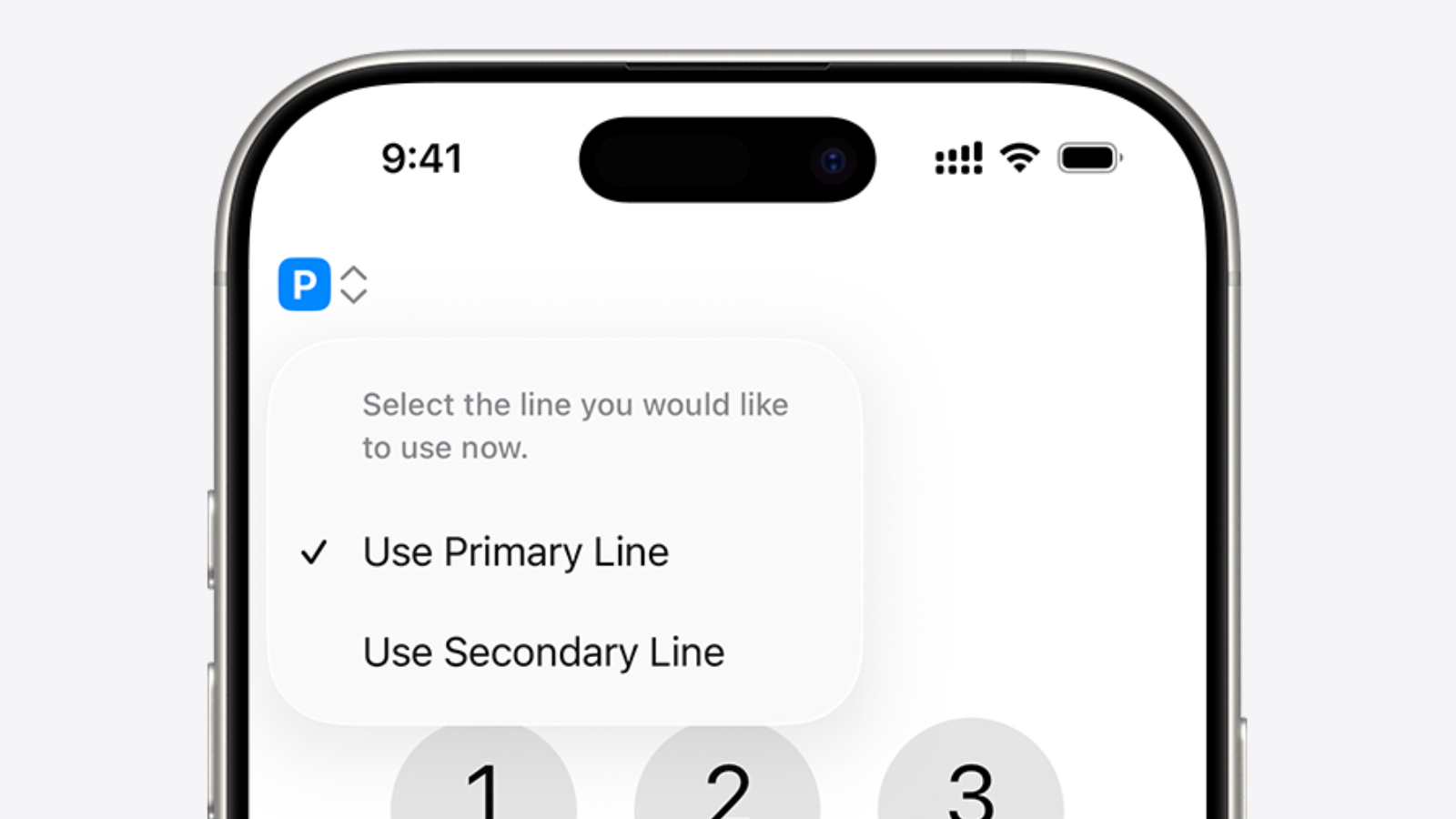
Apple Moves Ahead With Better Dual SIM Support for Apps

Apple is moving ahead with changes that could make it easier to use separate work and personal numbers in third-party iPhone calling and contact apps, after advancing a request to the development stage this week.


The request was submitted by developer Airelec Clima on August 9 and would let these apps use more of the information iOS already keeps about a user's two cellular lines.

Today, third-party apps lack a supported way to read the names users give their cellular lines, such as "Work" and "Personal," or read and change the preferred line saved for each contact in iOS. The proposed changes would make that information available to eligible apps.

For example, someone could use a third-party contact app to choose their work number for calling a colleague. Apple's Contacts and Phone apps would then share that preference. The third-party app could also display the user's familiar "Work" and "Personal" labels, making it easier to tell the two numbers apart.

The developer also wants apps to be able to tell which line was used for a call in call history, where that information is available. This could let an alternative calling app show whether an incoming call came through the user's work or personal number.

The request does not seek access to sensitive SIM identifiers or subscription credentials. The developer says apps would only need the line's label and an identifier that tells one cellular service apart from another.

The request was made through Apple's EU interoperability process, which lets developers ask for access to iPhone and iPad features used by Apple's own apps or hardware. Apple operates the process to help meet its obligations under the EU's Digital Markets Act (DMA).

The law requires Apple to give third parties access to the same operating system features available to its own services and devices, so competing products can work as seamlessly with the platform. Although this request falls under the EU process, the resulting changes could be made available more widely.

Apple has now moved the request to "Phase III," which means the company is now developing and releasing a solution, following an assessment and project planning. It is not yet known exactly how or when Apple will address the request or whether all three features will be delivered.
This article, "Apple Moves Ahead With Better Dual SIM Support for Apps" first appeared on MacRumors.com

Discuss this article in our forums
  •  

Former Apple Chairman Plans to Sell $32 Million in Apple Stock

Apple's former chairman Arthur Levinson plans to sell 90,000 Apple shares worth approximately $31.8 million, according to a new filing with the U.S. Securities and Exchange Commission.


The shares are held in Levinson's trust and were originally acquired in February 2001, more than 25 years ago. The filing lists November 16 as the expected sale date, but does not confirm whether the transaction was completed.

Apple stock traded at around 35 cents per share on a split-adjusted basis at the time. At that price, the shares being offered for sale would have cost approximately $31,500, compared with their value of nearly $32 million in the filing, which is roughly a thousandfold increase.

The proposed sale comes shortly after a change in Levinson's role at Apple. He joined the board in 2000 and served as chairman from 2011 until September, when Tim Cook became executive chairman and John Ternus took over as CEO. Levinson remains on the board as lead independent director.

The transaction sees one of Apple's longest-serving board members sell a multimillion-dollar holding dating back to before the iPod's launch. The filing gives no reason for the sale or details of his total remaining stake.
Tag: AAPL

This article, "Former Apple Chairman Plans to Sell $32 Million in Apple Stock" first appeared on MacRumors.com

Discuss this article in our forums

  •  

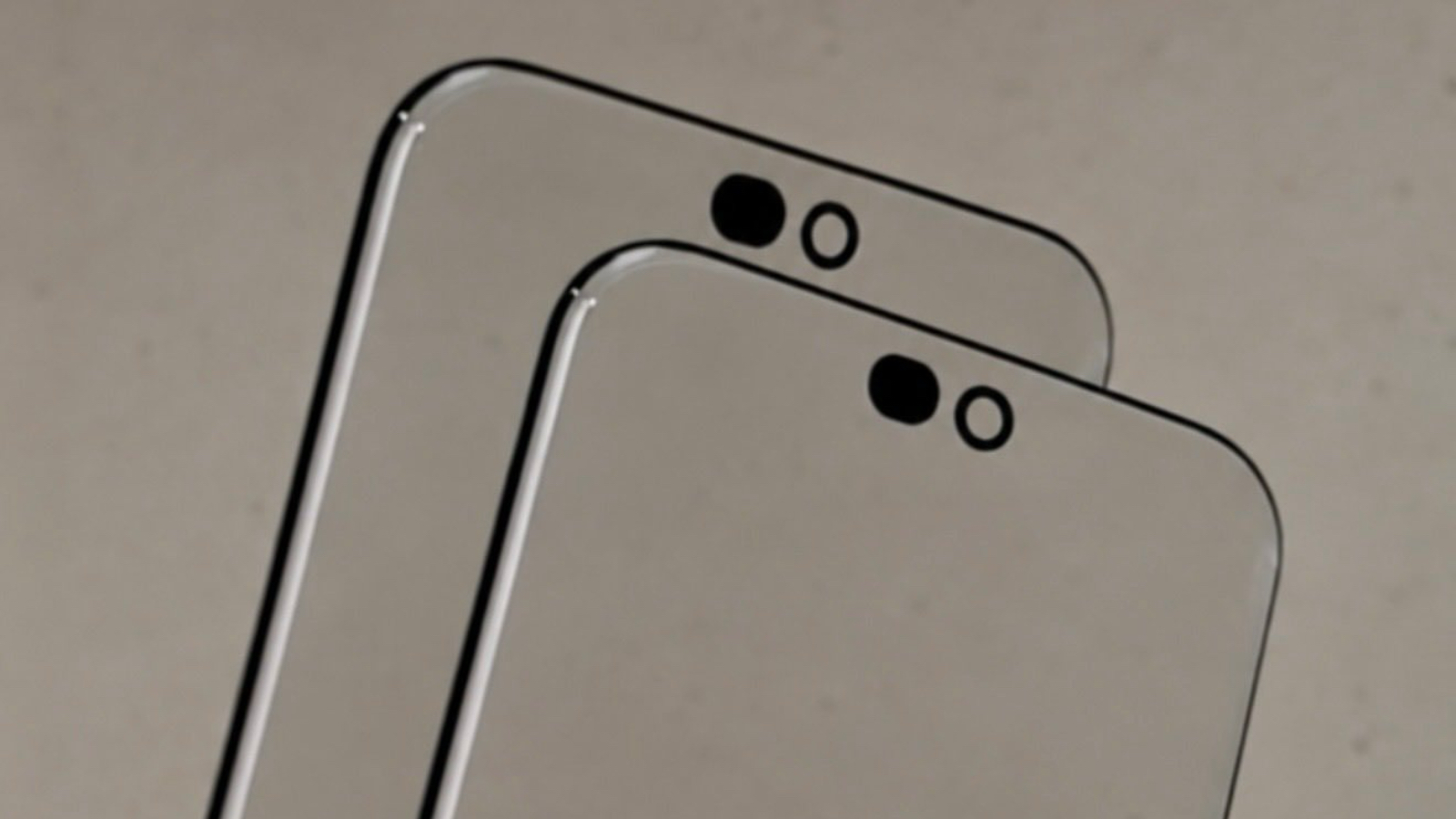
iPhone 20 Pro Screen Protectors Show Rumored Curved Design

Screen protector samples circulating online offer an early look at how Apple's rumored iPhone 20 Pro redesign could look, with rounded edges that could help create the appearance of a nearly borderless display.


Sharing a video of the purported screen protector on X yesterday, the leaker known as "Ice Universe" described next year's anticipated iPhone redesign as a "milestone." In a follow-up post on Weibo today, Ice Universe added, in translation, that "the era of easy screen protector application is coming to an end. The era of a comfortable grip is approaching."

The glass illustrates several elements repeatedly described in rumors about the anniversary iPhone, including shallow curves along all four edges, rounded corners, and an extremely narrow border.

The Apple iPhone 20 Pro is going to feature a milestone design - let's take a look first https://t.co/n8uNrZgh0S

— Ice Universe (@UniverseIce) November 16, 2026


The post follows a separate handheld video shared by Ice Universe on November 14, with text identifying it as an approved "3D quad-curved cover glass" sample. Similar glass pieces have been circulating since early October on Weibo and X. On October 7, Weibo blogger "体验more" shared photographs of samples in two sizes, suggesting that they looked like concept designs based on leaked information.

The screen protectors likely represent early manufacturing tests based on rumors, rather than parts made to Apple's actual specifications. Experimental pieces allow manufacturers to explore new manufacturing techniques ahead of having access to the finished device's dimensions.

The samples also show a Dynamic Island that appears comparable to the narrower version introduced on the iPhone 18 Pro. That would suggest no further substantial reduction for the anniversary model, in line with display analyst Ross Young's prediction that the smaller ‌Dynamic Island‌ would remain through 2027.

The glass offers a physical depiction of the design direction described in earlier rumors. Ice Universe previously suggested that the anniversary iPhone would use shallow curves alongside optical refraction and other visual effects to make the display borders less visible.

That shape could also complicate screen protector designs. A protector covering the curved edges would need to follow their contours closely, making its fit dependent on the final glass geometry. Ice Universe's latest comments point to that potential tradeoff between a more rounded feel and the convenience of applying a flat protector.

The footage arrives amid an increasingly detailed picture of the 20th anniversary iPhone. Yesterday, the leaker "Fixed Focus Digital" claimed that the models would use glass similar to the iPhone Air, but with greater curvature on all four sides. Apple's 20th-anniversary iPhone models are expected in the fall of 2027, although the "iPhone 20 Pro" name remains speculative.
This article, "iPhone 20 Pro Screen Protectors Show Rumored Curved Design" first appeared on MacRumors.com

Discuss this article in our forums
  •  

Apple Names 'Baby, This Is Keke Palmer' Podcast of the Year

Apple today named "Baby, this is Keke Palmer" its 2026 Show of the Year, recognizing the interview podcast for its quality and cultural impact.

Produced by Wondery and executive produced by Palmer, the show features guests including Oprah Winfrey and Anderson .Paak. Apple said it consistently ranks among the platform's top video and comedy podcasts. Last year's award went to "The Rest Is History," hosted by historians Tom Holland and Dominic Sandbrook.
This article, "Apple Names 'Baby, This Is Keke Palmer' Podcast of the Year" first appeared on MacRumors.com

Discuss this article in our forums
  •  

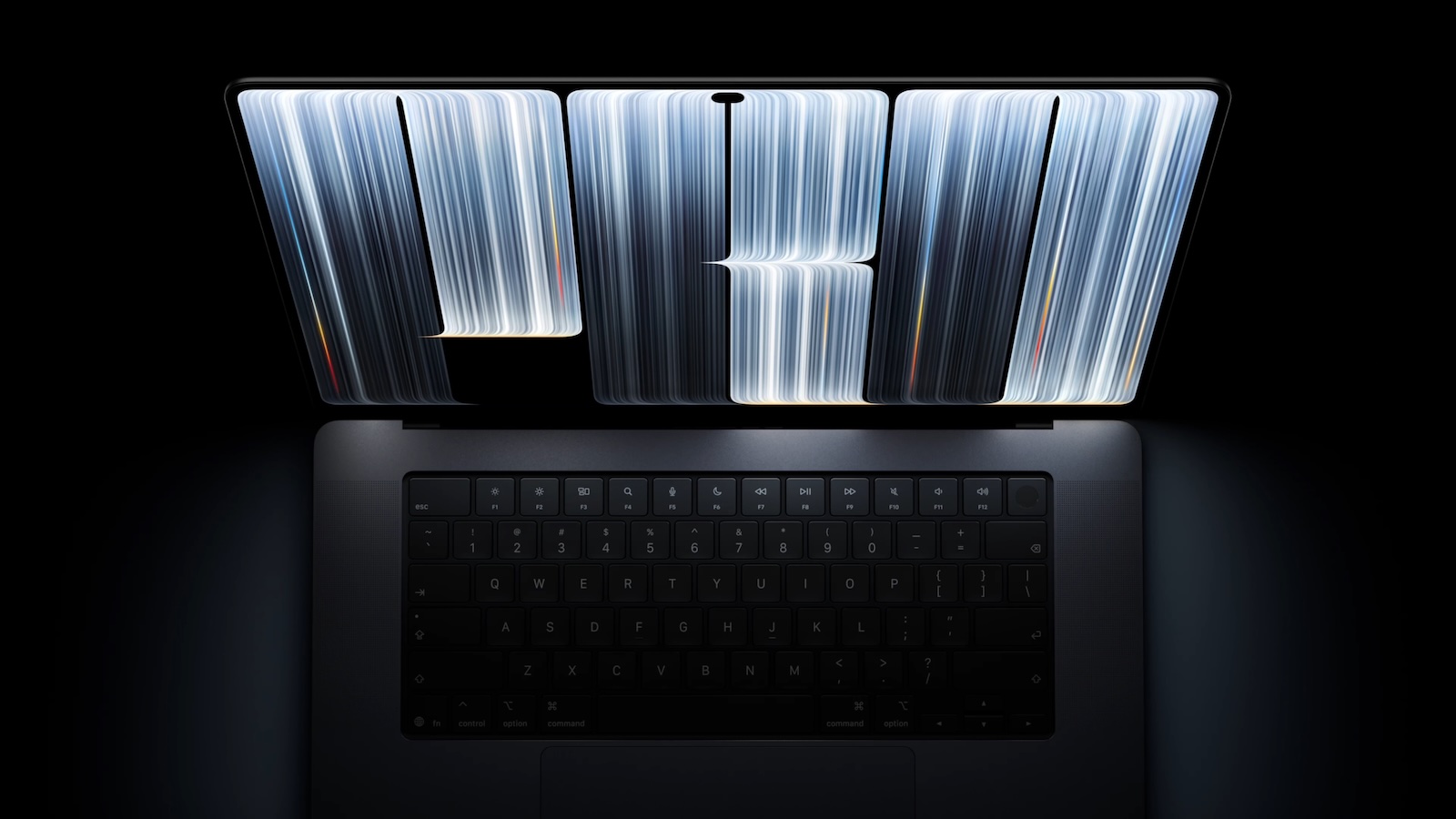
Some OLED MacBook Pro Owners Report Eye Strain and Dizziness

Some owners of Apple's new MacBook Pro with PROLED XDR display say they experience eye strain, headaches, and dizziness when using the laptop, with affected users pointing to the screen's brightness-control system as a possible explanation.


A significant number of complaints have appeared on Reddit, X, and the MacRumors forums since the new models launched earlier this month. The discussions on MacRumors include a dedicated PWM thread, a separate owner poll, and comments in the reviews and display-details threads.

On X, one user said trying the PROLED ‌MacBook Pro‌ in an Apple Store for around 30 minutes left them with a severe headache. The user said they had previously struggled with OLED screens before finding newer implementations tolerable, and called for an option to change the Mac's dimming behavior.

A Reddit user described how reading text, especially against a black background, brought on dizziness and nausea. They said their ‌OLED‌ iPad Pro did not produce the same symptoms. In the main MacRumors forum thread, a 16-inch PROLED owner reported a headache and mild nausea that began to ease after switching back to a mini-LED ‌MacBook Pro‌. Another member, posting in the separate poll thread, said they were returning their PROLED laptop for similar reasons after previously having no difficulty with ‌OLED‌ devices.

The suspected issue is pulse width modulation (PWM). An ‌OLED‌ screen produces light through its individual pixels. With PWM dimming, the display changes the time spent at brighter and darker levels during a rapidly repeating cycle. Spending less time at the brighter level reduces the average amount of light reaching the viewer, making the screen look dimmer.

Those fluctuations can occur too quickly to look like an obvious flashing screen, but some people report discomfort with displays that use them. PWM frequency describes how often the brightness cycle repeats. It is different from refresh rate, which is how often the displayed image updates, so a 120Hz ProMotion specification does not tell you the screen's PWM frequency.

Notebookcheck's testing of the 14-inch PROLED ‌MacBook Pro‌ recorded 240Hz flickering whenever brightness was set to 99% or lower, with a measured amplitude of 56%. In other words, the light output fluctuated 240 times per second, and the amplitude describes the size of those fluctuations. The publication warned that sensitive users could experience eye strain or headaches due to the specification.

Mini-LED ‌MacBook Pro‌ displays also use brightness modulation, but Notebookcheck measured a much higher frequency of 14,880Hz on the 14-inch M4 Pro model. Such rapid fluctuations are generally less likely to cause discomfort for PWM-sensitive users.

Apple already provides a Display Pulse Smoothing accessibility option on supported iPhones. The setting offers another way to dim the ‌OLED‌ screen at low brightness, although Apple cautions that it can affect display performance under some conditions. macOS does not offer an equivalent control, but Apple could add one in the future.

The OLED MacBook Pro models start at $2,899 for the 14-inch version and $3,399 for the 16-inch version. Apple continues to sell the mini-LED models alongside them.
Related Roundup: MacBook Pro
Tag: OLED
Buyer's Guide: MacBook Pro (Buy Now)
Related Forum: MacBook Pro

This article, "Some OLED MacBook Pro Owners Report Eye Strain and Dizziness" first appeared on MacRumors.com

Discuss this article in our forums

  •  

Apple Pushes Back Against Canada's Plan to Access User Data

Apple is urging Canada to change a proposed law that it says could weaken the privacy and security protections built into its products.


The legislation, Bill C-22, is intended to help police and intelligence agencies obtain digital information during investigations. According to Bloomberg, Apple, Google, and Meta are lobbying for changes as Canadian senators review the bill.

At the center of the dispute is whether companies could be forced to change how their services work to help authorities access user data. The bill would allow the government to require companies to build tools for that purpose, with approval from Canada's Intelligence Commissioner.

It could also require certain providers to keep records about users' connections for up to six months. This metadata would exclude the contents of messages, browsing history, and social media activities.

Lawmakers have already added safeguards. For example, a company could only be required to unlock encrypted data if it supplied the encryption and already has the information needed to unlock it. The bill also says companies cannot be forced to introduce certain security weaknesses into their services.

Apple says those changes do not fully address its concerns. The company welcomed the government's revisions, but told Bloomberg that the bill would still undermine its ability to protect users' data. Apple previously warned that the legislation could let authorities demand backdoors.

Meta, Signal, and Tailscale representatives are scheduled to appear before a Senate committee today. The bill has not yet become law.
Tag: Canada

This article, "Apple Pushes Back Against Canada's Plan to Access User Data" first appeared on MacRumors.com

Discuss this article in our forums
  •  

'Slow Horses' to Hit 10-Season Milestone With Apple TV Renewal

Apple has renewed its popular British spy drama "Slow Horses" for ninth and tenth seasons, extending its considerable lead as Apple TV's longest-running original series by season, according to Deadline.


Six seasons of Slow Horses have already been released, with seasons seven and eight already confirmed before the latest renewal. The order for seasons nine and ten extends its lead as the ‌Apple TV‌ original with the most seasons commissioned.

The commitment puts "Slow Horses" well ahead of other established Apple originals. "For All Mankind," which debuted when the service launched in 2019, will finish with season six.

"Slow Horses" has also maintained an exceptional critical reception, with all six seasons holding critics' scores of 95% or higher on Rotten Tomatoes. Seasons two and four have perfect 100% ratings, while the latest season holds 98%.

The news answers recent uncertainty about the show's future. Cast member Olivia Cooke had suggested just days earlier that season eight could mark its conclusion.

The television series is catching up with the book series it is based on that began 16 years ago. Author Mick Herron has published nine main "Slough House" novels since the first one debuted in 2010, with gaps of between one and three years between installments. The latest, "Clown Town," arrived in 2025, three years after "Bad Actors."

Those two books provide the material for seasons seven and eight, raising the possibility that seasons nine and ten could move beyond the published novels. Apple has not confirmed that direction, with a spokesperson telling Deadline that story details for the additional seasons would follow.

Produced by See-Saw Films, "Slow Horses" centers on an outpost of MI5 where agents are sent after damaging their professional reputations. Gary Oldman plays their boss, "Jackson Lamb," alongside a cast that includes Jack Lowden, Kristin Scott Thomas, Jonathan Pryce, and Cooke. The first six seasons are available to stream now on ‌Apple TV‌.
Related Roundup: Apple TV
Buyer's Guide: Apple TV (Buy Now)

This article, "'Slow Horses' to Hit 10-Season Milestone With Apple TV Renewal" first appeared on MacRumors.com

Discuss this article in our forums

  •  

'iPhone 20 Pro' Rumored to Be Based on iPhone Air

Next year's "iPhone 20 Pro" models will use the same glass design as the iPhone Air, but with more pronounced curvature along all four sides, according to the leaker known as "Fixed Focus Digital."


In a new post on Weibo, the leaker said the device would use the same glass material as the ‌iPhone Air‌, adjusted to have greater curvature and produce a four-sided curved effect. The accompanying hashtag refers specifically to an "iPhone 20 Pro" with a four-sided curved, "all-glass" design.

An illustration shared with the post depicts rounded front and rear glass meeting a narrow, polished, gold-colored metallic frame. Physical side buttons, antenna lines, and a protruding rear camera assembly remain visible.

Taken together with earlier rumors and the post's accompanying illustration, the repeated comparisons suggest a design somewhere between the iPhone X and ‌iPhone Air‌. The ‌iPhone Air‌ provides a reference for the slim profile and a more modern iPhone design, while the more pronounced glass curvature recalls the rounded edges of the iPhone X. Both feature a polished frame.

The latest claim builds on Fixed Focus Digital's previous report that Apple had modified ‌iPhone Air‌ manufacturing equipment to produce more rounded glass components for the 20th anniversary models. The leaker said the changes had helped reduce manufacturing costs, while substantially improving thinness and heat dissipation.

In a still-earlier report, the same leaker also claimed that a supply chain facility had completed renovations ahead of "iPhone 20" production, with manufacturing quality expected to be roughly comparable to the first-generation ‌iPhone Air‌. The ‌iPhone Air‌ features Ceramic Shield 2 on the front and Ceramic Shield on the back.

The broader design picture aligns with Bloomberg's Mark Gurman's reporting that Apple's anniversary Pro models will feature glass that curves into the sides from both the front and rear, with a thin metal band between the two panels. Gurman has also described thinner display bezels and curved glass around all corners and edges, in what he expects to be the biggest overhaul of the Pro line since the iPhone X.

Apple's 20th-anniversary iPhone models are expected to launch in the fall of 2027. While leakers have variably referred to the device as the "iPhone 20 Pro," Apple's naming plans remain unclear. It seems plausible that the company could skip the iPhone 19 name to emphasize the anniversary, similar to its introduction of the iPhone X in 2017.
Related Roundup: iPhone Air
Buyer's Guide: iPhone Air (Neutral)

This article, "'iPhone 20 Pro' Rumored to Be Based on iPhone Air" first appeared on MacRumors.com

Discuss this article in our forums

  •  
❌