
❌

Normale Ansicht

Future Macs Could Get Brighter, Longer-Lasting OLED Displays in 2030

LG Display is developing a new way to make OLED screens with higher brightness, longer lifespans, and lower power consumption for future Macs, according to The Elec.
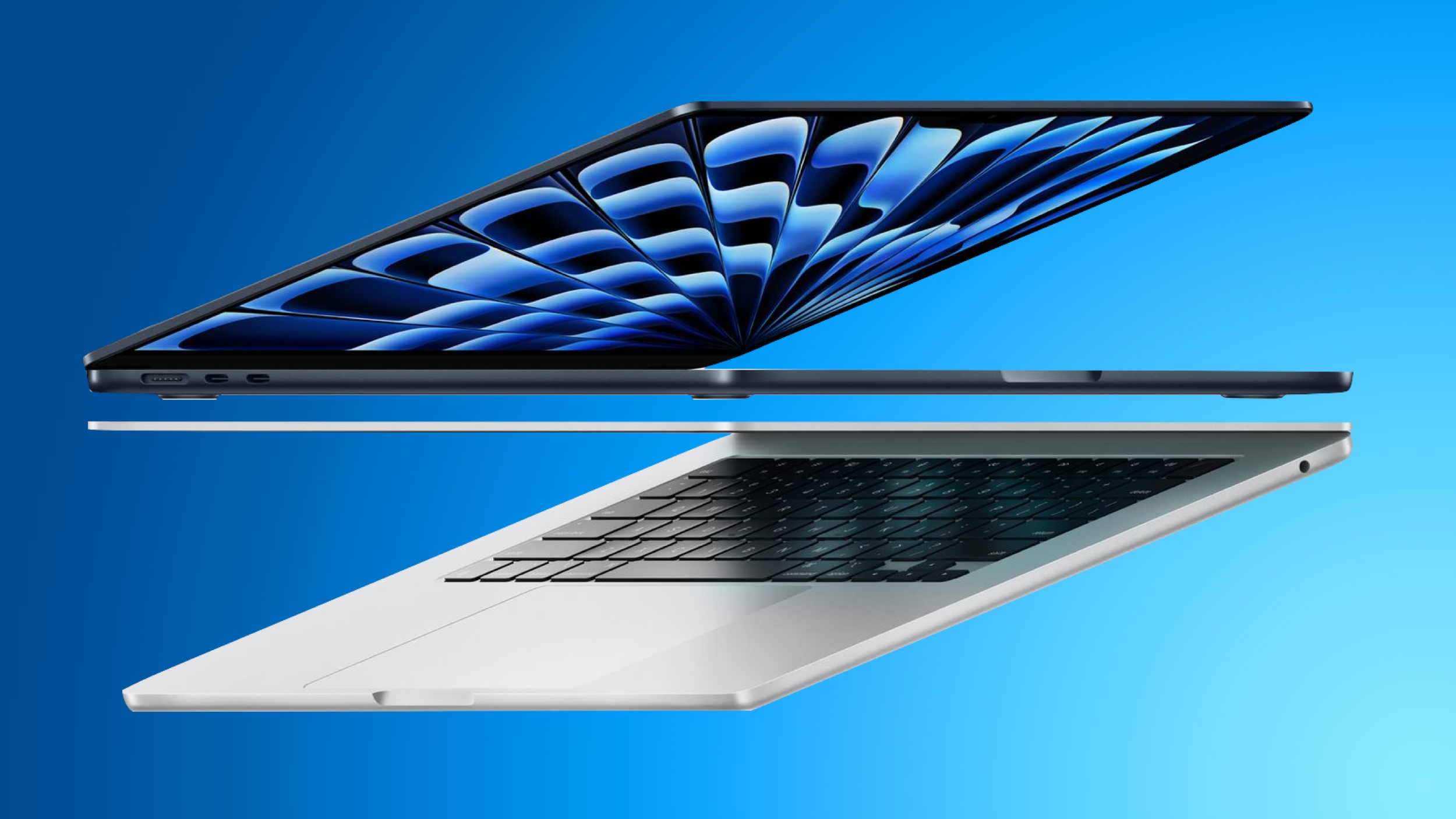

The technology, called "FLiPP," is reportedly being developed for potential use in Apple's MacBook Air and iMac in 2030. LG unveiled it in August, but the latest report identifies the Apple products it could eventually reach.

‌OLED‌ screens contain tiny pixels that produce their own light. LG's new process reduces the empty space between them, allowing more of the screen's surface to light up. LG says manufacturers could use that improvement to make screens 60% brighter, last 2.4 times as long, or consume 13% less power than ‌OLED‌ screens made using the conventional process.

Producing the displays could also become cheaper. FLiPP replaces the thin metal sheets normally used to arrange pixels, allowing LG to make more screens from each sheet of glass and waste less material.

Bloomberg's Mark Gurman said last month that Apple was still testing OLED displays for the ‌MacBook Air‌ and ‌iMac‌. However, The Elec also today reported that Apple could delay or cancel its ‌OLED‌ ‌iMac‌ because of costs and demand concerns, potentially affecting LG's plans.
Related Roundups: iMac, MacBook Air
Related Forums: iMac, MacBook Air

This article, "Future Macs Could Get Brighter, Longer-Lasting OLED Displays in 2030" first appeared on MacRumors.com

Discuss this article in our forums

  •  

Apple May Cancel OLED iMac

Apple is considering delaying or scrapping its planned iMac with an OLED display amid concerns about high panel costs and weaker-than-expected demand for ‌OLED‌ devices, according to The Elec.


Citing industry sources, the Korean publication says Apple is discussing changes to the ‌OLED‌ ‌iMac‌'s development schedule with Samsung Display. The company could put the project on hold altogether, although one industry official said the talks are currently focused on delaying it while Apple determines demand.

Previous reports pointed to a launch in 2029 or 2030. Apple has now reportedly asked LCD suppliers, including BOE, to develop panels for a new ‌iMac‌ expected around 2029, suggesting it could stick with LCD technology through the period originally planned for the ‌OLED‌ upgrade.

Cost is said to be the biggest obstacle. Apple sells fewer iMacs than other products like iPhones or MacBooks, making expensive ‌OLED‌ panels harder to justify without raising the computer's price. Rising memory costs are reportedly adding to the expense of bringing ‌OLED‌ to more of Apple's products.

Weak ‌OLED‌ iPad Pro demand is reportedly another factor. The 2024 models introduced brighter tandem ‌OLED‌ displays, but higher prices appear to have discouraged many buyers. By October that year, Apple had reportedly cut its shipments from as many as 10 million units to 6.7 million.

Samsung Display and LG Display are forecast to ship a combined 4.9 million ‌iPad Pro‌ ‌OLED‌ panels in 2026, down approximately 18% from six million in 2025. Samsung's shipments are expected to fall from 2.1 million to 1.5 million panels, while LG's are projected to drop from 3.9 million to 3.4 million.

The Elec suggests the review may also reflect Apple's change in leadership. Since John Ternus became CEO in September, Apple has reportedly been reassessing whether the benefits of expensive ‌OLED‌ panels justify their cost.

Apple purportedly first approached display suppliers about the ‌OLED‌ ‌iMac‌ in 2025, seeking a 24-inch panel with 600 nits of brightness and a pixel density of 218 pixels per inch.

Samsung Display is believed to have been developing a panel at roughly 220 pixels per inch for the device on its existing large-format quantum dot ‌OLED‌ production lines. The design uses five light-emitting layers to improve brightness and lifespan, and Samsung had planned to send Apple samples in the second half of 2026.

LG Display was working on a competing white ‌OLED‌ panel with five light-emitting layers, but development of its panel for the first ‌OLED‌ ‌iMac‌ has reportedly stopped.

Last month, Bloomberg's Mark Gurman said Apple was still testing OLED displays for the ‌iMac‌ and MacBook Air, without specifying when either model would make the switch.
Related Roundup: iMac
Tags: OLED, The Elec
Buyer's Guide: iMac (Buy Now)
Related Forum: iMac

This article, "Apple May Cancel OLED iMac" first appeared on MacRumors.com

Discuss this article in our forums
  •  

OLED iPad Mini, M6 iMac, and New MacBook Pros Available From Today

From today, Apple's new iPad mini with an OLED display, M6 iMac, and its latest MacBook Pro models are available to buy from Apple's online store and in the Apple Store app, with the first pre-orders also arriving to customers today and both devices reaching Apple Store locations and Apple Authorized Resellers.


OLED iPad Mini


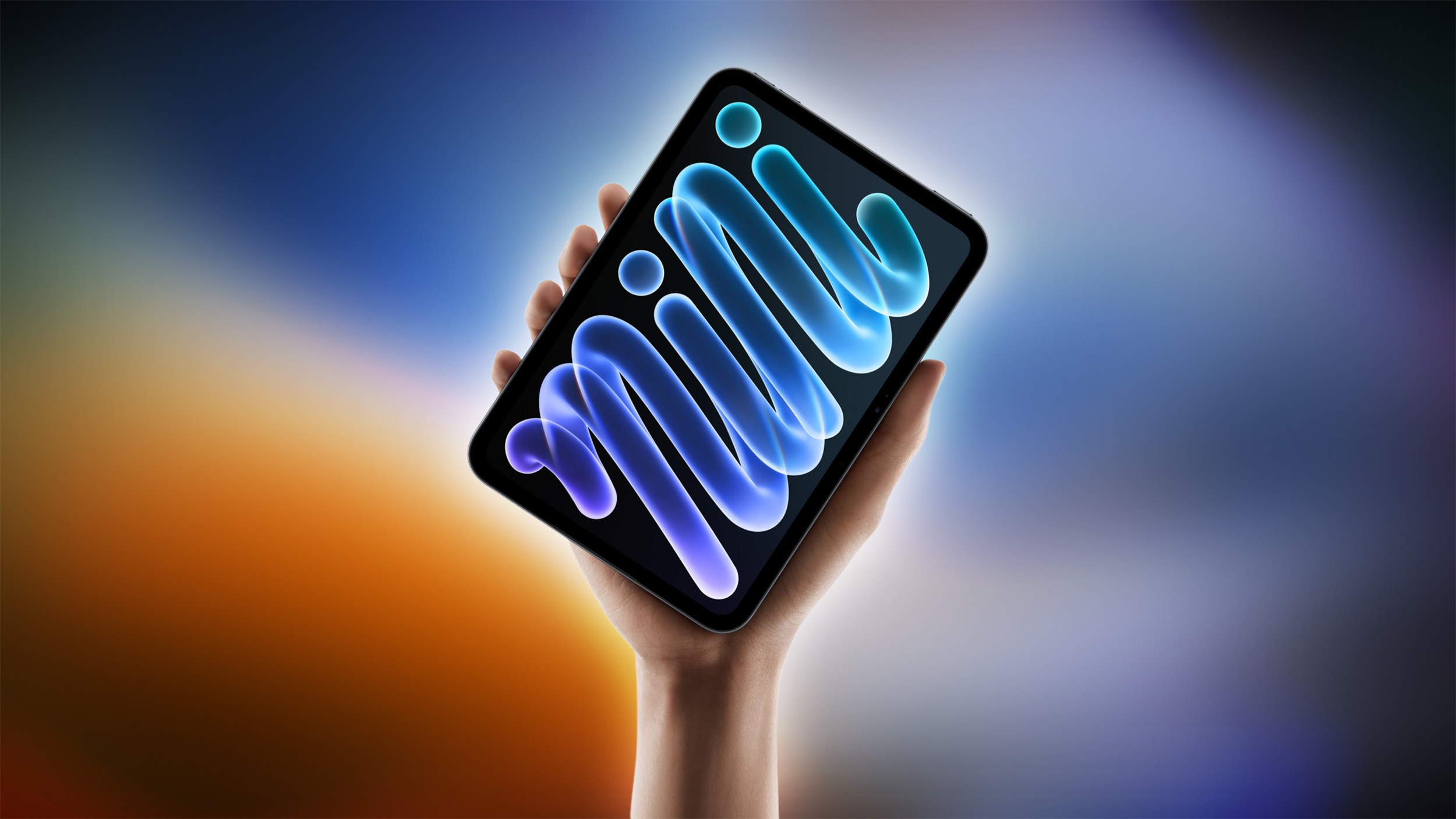
The eighth-generation iPad mini is Apple's smallest tablet with an OLED display. The 8.5-inch Super Retina XDR display offers up to 1,200 nits of peak brightness, a 2,000,000:1 contrast ratio, and a 1-nit minimum brightness, with a nano-texture glass option on 256GB and 512GB models for the first time.

The device is powered by Apple's A20 Pro chip and the N1 wireless chip, enabling Wi-Fi 7 and Bluetooth 6. At 5.4mm thin and 255 grams, it's the lightest iPad Apple has made. It's also the first iPad with an IP67 water and dust resistance rating, aided by a new Acoustic Display that produces sound through the screen itself, so there are no speaker holes in the enclosure.

A 12MP Center Stage front camera is now located on the landscape side for video calls, and the device supports Apple Pencil Pro and Apple Pencil (USB-C). The display is limited to a 60Hz refresh rate with no ProMotion, which has been the main point of criticism in early reviews.

In the United States, the new iPad mini starts at $699 for the 128GB Wi-Fi model. The 256GB and 512GB configurations are priced at $799 and $999, with nano-texture glass adding $100 on those models, while Wi-Fi + Cellular models start at $849. Education pricing starts at $649.

M6 iMac


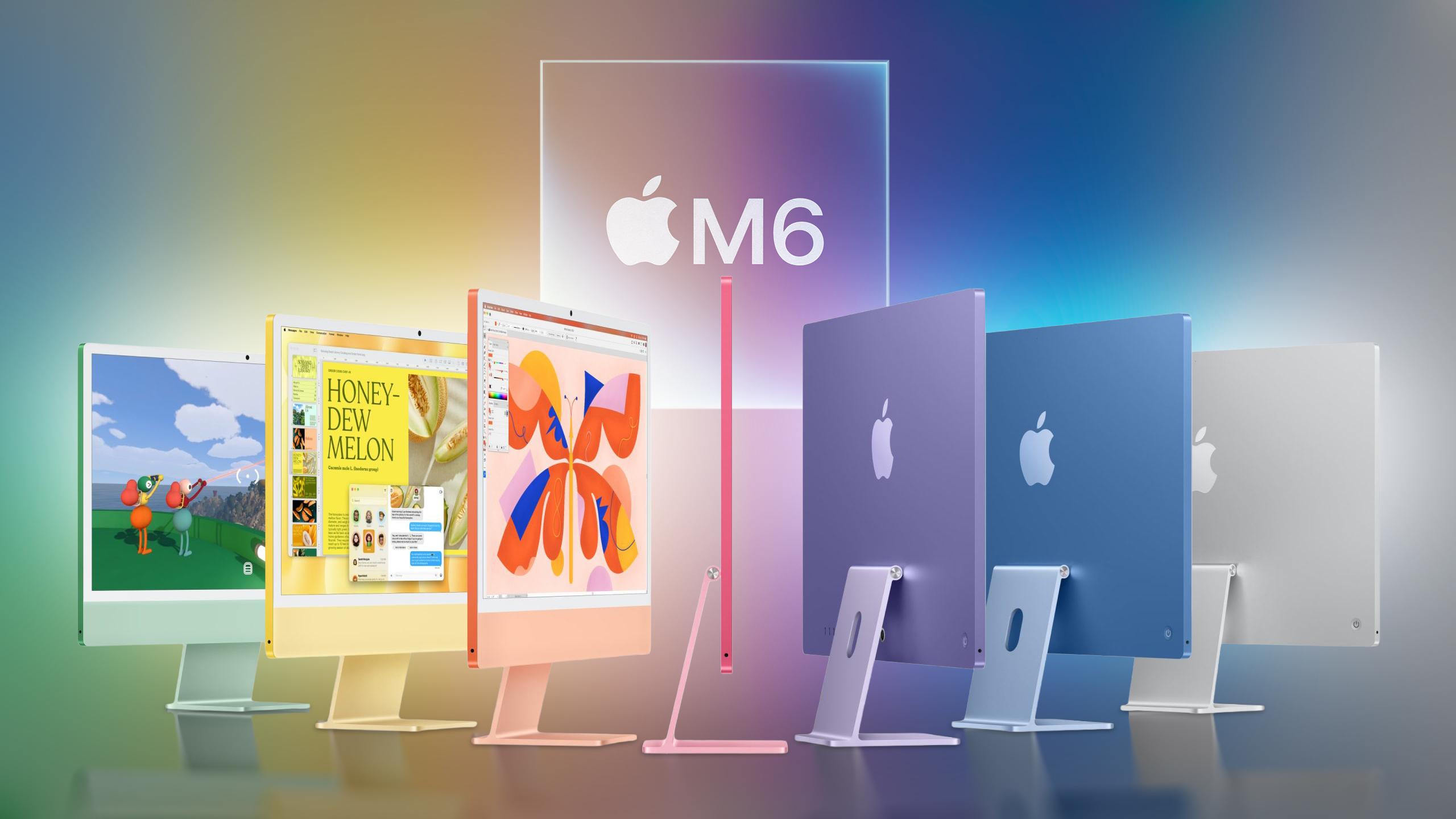
Meanwhile, the new iMac is the first update to Apple's all-in-one since the M4 model. The M6 chip brings up to a 12-core CPU and 12-core GPU, with Apple claiming up to 2x faster graphics than the previous generation, alongside Wi-Fi 7, Bluetooth 6, and an optional 2.5 Gigabit Ethernet port on the power adapter.

The iMac with M6 starts at $1,499 for the model with a 10-core CPU and 10-core GPU, while the version with a 12-core CPU and 12-core GPU starts at $1,699. Education pricing starts at $1,449.

Latest MacBook Pro Models


Also launching today are the new MacBook Pro models. The 14-inch MacBook Pro with M6 starts at $1,999 and features a 12-core CPU and 12-core GPU, alongside Wi-Fi 7 and Bluetooth 6 via Apple's N1 wireless chip.

The new 14-inch and 16-inch MacBook Pro models with touchscreen PROLED XDR displays are also available, starting at $2,899 and $3,399, respectively. Powered by M5 Pro or M5 Max chips, the touchscreen models replace the notch with a Dynamic Island and offer up to 2,000 nits of peak brightness for both SDR and HDR content.

Apple's online checkout system indicates many configurations of the 14-inch and 16-inch touchscreen MacBook Pro models in Space Black and Silver currently ship in 2-3 weeks, so anyone who wants one as soon as possible is likely to have more luck visiting their local Apple Store, where at least some base configurations are typically in stock.

For a full rundown of everything new, see our iPad mini, iMac, and MacBook Pro roundups.
Related Roundups: iMac, iPad mini, MacBook Pro
Tag: OLED
Related Forums: iMac, iPad, MacBook Pro

This article, "OLED iPad Mini, M6 iMac, and New MacBook Pros Available From Today" first appeared on MacRumors.com

Discuss this article in our forums
  •  

Apple's First Touchscreen Mac is Now Arriving to Customers

It's Friday, November 6 in Australia and New Zealand, which means customers who preordered a PROLED touchscreen MacBook Pro, OLED iPad mini, M6 ‌MacBook Pro‌, or M6 iMac are now starting to receive their devices.


People will soon be sharing photos and first impressions of the new products on the MacRumors forums, Reddit, Instagram, and other platforms, giving us a first look at what real-world users think of the ‌OLED‌ upgrade for the ‌iPad mini‌ and the PROLED and touchscreen update for the ‌MacBook Pro‌.

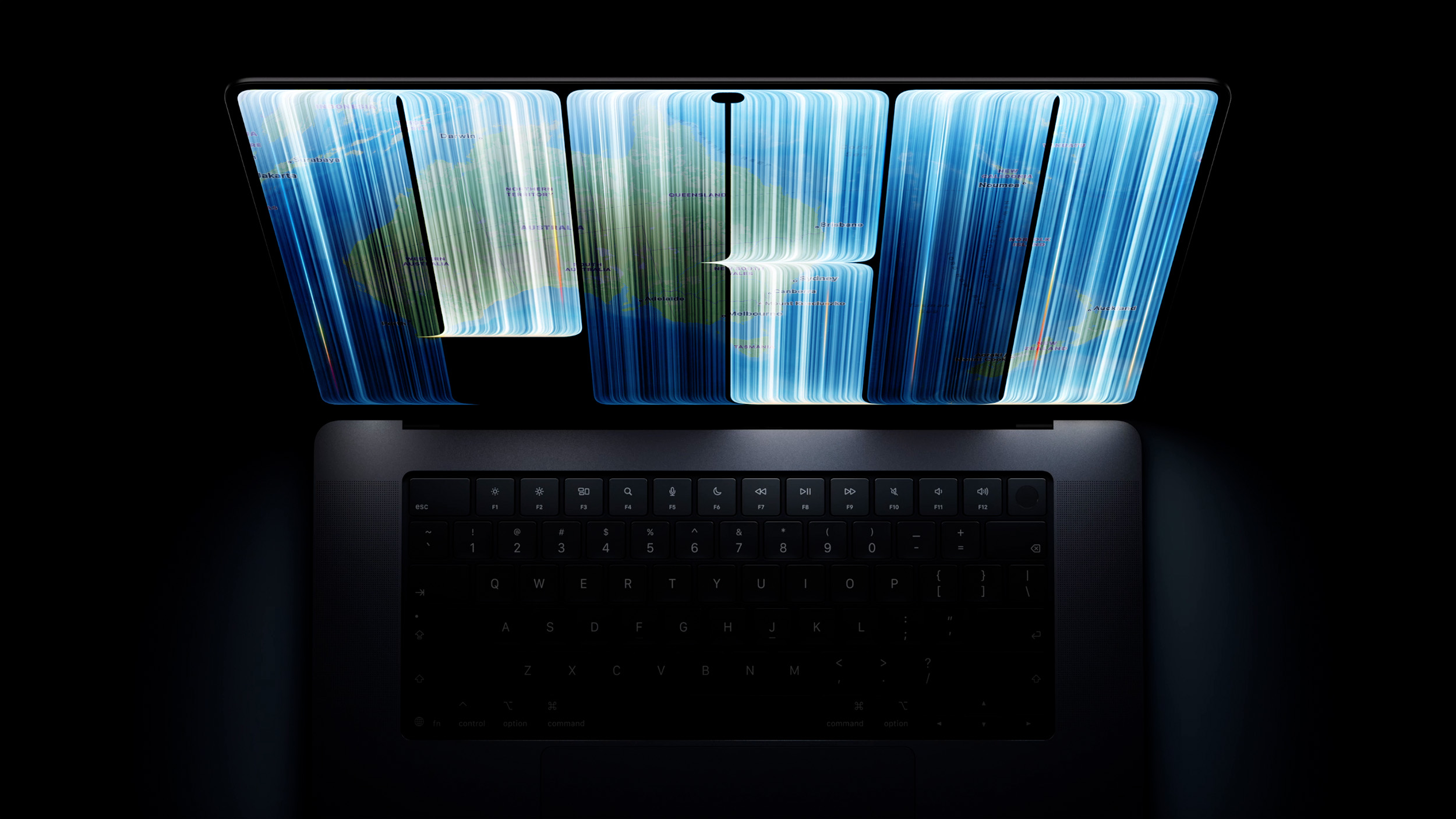
Apple's new high-end ‌MacBook Pro‌ models come with M5 Pro or M5 Max, and the major change is the display. It's touch-enabled and is the first Mac with an ‌OLED‌ display. The design has been updated, so the new machines are thinner and lighter than the mini-LED models, which Apple is still selling. Apple also brought back the glowing Apple logo, and replaced the notch with a Dynamic Island. Pricing on the PROLED ‌MacBook Pro‌ starts at $2,899 for the 14-inch model and $3,399 for the 16-inch model.

The ‌OLED‌ ‌iPad mini‌ is Apple's first smaller-screened iPad to get ‌OLED‌, and it's also the most affordable ‌OLED‌ ‌iPad‌. It's almost a millimeter thinner than the prior version and has an Acoustic Display that does away with speaker holes. Without them, the enclosure is sealed, making it the first ‌iPad‌ with a water and dust resistance rating (IP67). It uses Apple's A20 Pro chip. The ‌OLED‌ ‌iPad mini‌ starts at $699.

The 14-inch entry-level ‌MacBook Pro‌ and 24-inch ‌iMac‌ got little in the way of updates beyond an M6 chip. The ‌MacBook Pro‌ is priced starting at $1,999, and the ‌iMac‌ starts at $1,499.

Australia is the first country where customers can buy one of the new products in an Apple retail location. Online orders of the PROLED ‌MacBook Pro‌ don't ship until late November or early December, so it's possible in-store stock will be limited. The ‌OLED‌ ‌iPad mini‌, 14-inch ‌MacBook Pro‌, and ‌iMac‌ should be readily available.

After Australia and New Zealand, sales and deliveries of the new Macs and ‌iPad mini‌ will begin in Asia, the Middle East, Europe, and finally, North America.
Related Roundups: iMac, iPad mini, MacBook Pro
Related Forums: iMac, iPad, MacBook Pro

This article, "Apple's First Touchscreen Mac is Now Arriving to Customers" first appeared on MacRumors.com

Discuss this article in our forums
  •  
❌