❌

Normale Ansicht

Empfangen — 20. November 2026 ⏭ MacRumors: Mac News and Rumors - All Stories

WhatsApp Raises Group Chat Limit to 1,500 Members

WhatsApp is allowing group chats to have up to 1,500 members on iPhone and Android, up from the previous limit of 1,024 participants, according to WABetaInfo.

The increase means group chat admins have room for another 476 people in a single conversation. The jump should make it easier for schools, clubs, and other large organizations to communicate with their members, rather than having to split them across separate chats.

There's no setting to enable the new higher limit, as existing groups will gain the extra capacity automatically as the change reaches their accounts. The higher limit also applies to individual group chats within WhatsApp Communities, which bring related groups together under a shared hub.

WhatsApp has yet to officially announced the change, and its Help Center still lists the maximum group size as 1,024 members. Even so, the rollout is already reaching some users running the latest versions of WhatsApp for iOS and Android.

WhatsApp doubled its group size limit from 512 to 1,024 members in November 2022, alongside the global rollout of Communities and its in-chat polls feature.
This article, "WhatsApp Raises Group Chat Limit to 1,500 Members" first appeared on MacRumors.com

Discuss this article in our forums
  •  
Empfangen — 18. November 2026 ⏭ MacRumors: Mac News and Rumors - All Stories

WhatsApp's iCloud Backup Alternative Rolls Out to Beta Users on iPhone

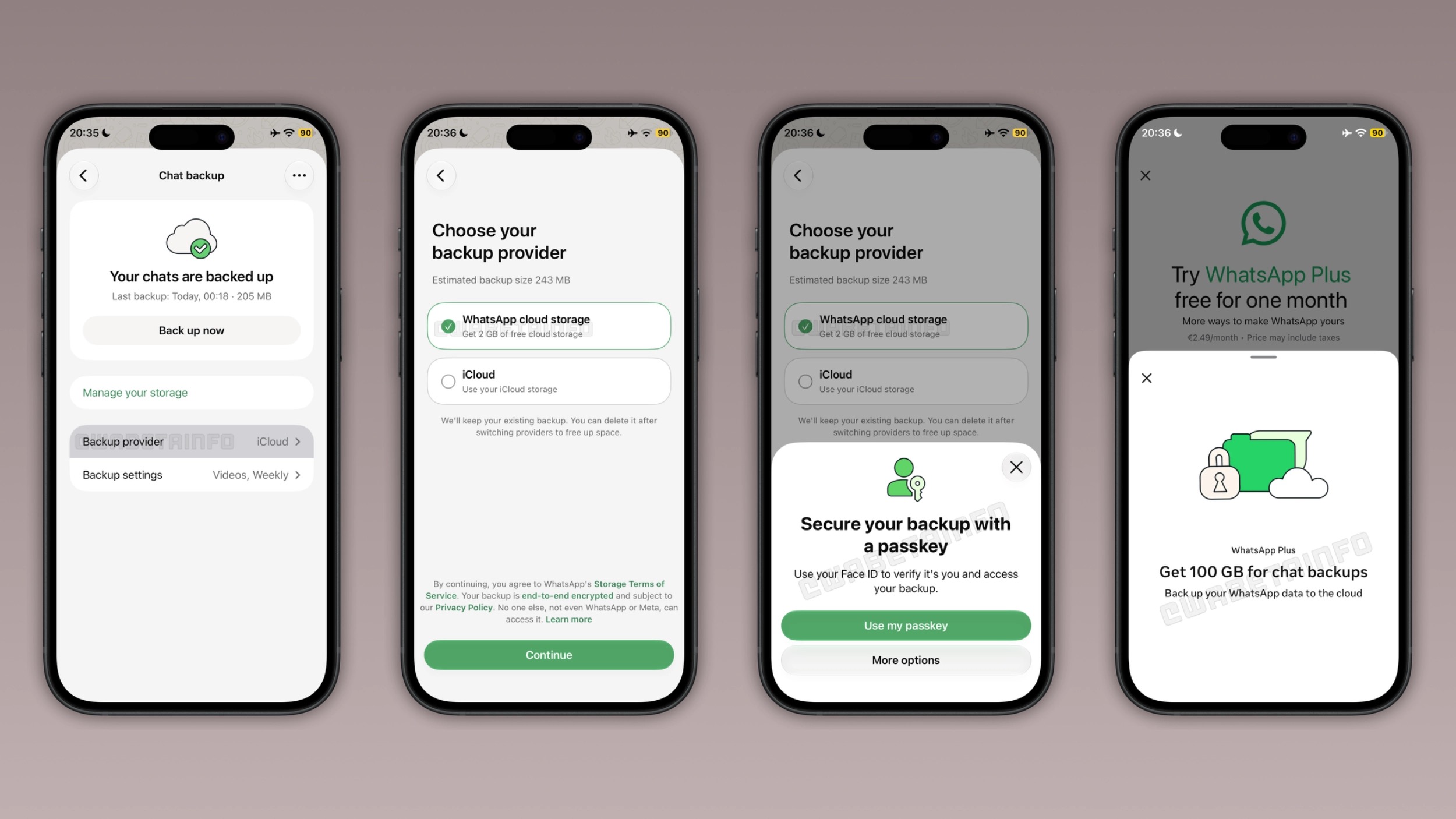
WhatsApp is rolling out its first-party cloud backup service to some users on the beta version of the app for iOS, reports WABetaInfo.

WhatsApp cloud backup options in iOS beta (image: WABetaInfo)

The option is said to be appearing to some users on WhatsApp beta version 26.45.10.71, currently in TestFlight, providing users with an alternative to iCloud chat backup for the first time.

Code began appearing in beta versions of the app in July that suggested users would eventually be able to pick their preferred backup destination directly from the app's chat backup settings. iCloud remains the default, but the WhatsApp backup option differs in that it is fully end-to-end encrypted, and dedicated to chat backups only.

Under the plan, WhatsApp reportedly includes 2GB of free storage on its own end-to-end encrypted servers, and includes 100GB of storage to users on WhatsApp Plus, its paid subscription service costing $2.49 per month. With a Meta One subscription, users can receive up to 4TB depending on the plan they choose. WhatsApp already offers the backup option to users on Android.

WhatsApp has not announced when the feature will be available to everyone, but its availability in the beta suggests it could roll out more broadly in the coming weeks.
This article, "WhatsApp's iCloud Backup Alternative Rolls Out to Beta Users on iPhone" first appeared on MacRumors.com

Discuss this article in our forums
  •  

MacPaw's Moonlock Cybersecurity App Launches for iPhone

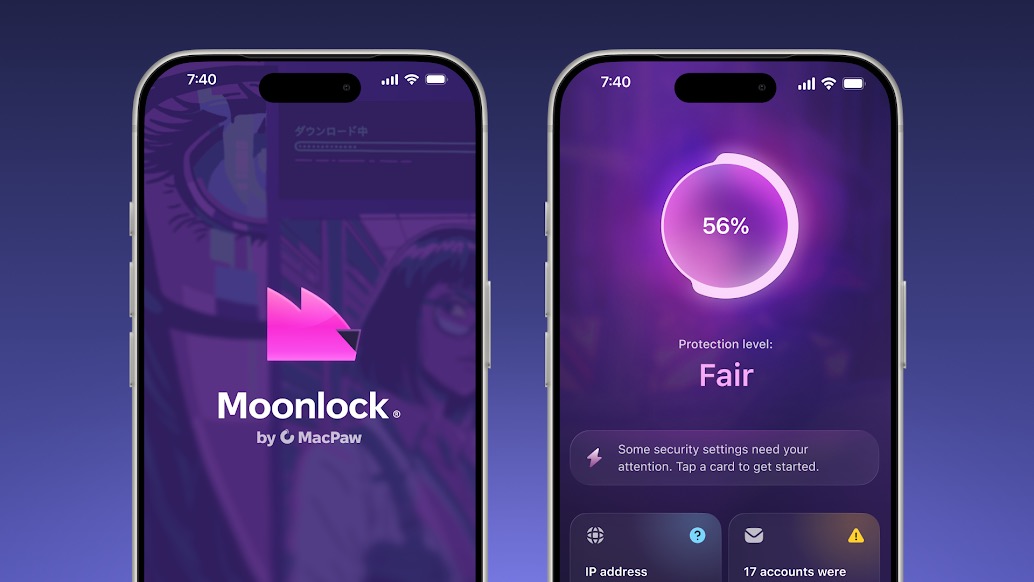
MacPaw today launched its Moonlock cybersecurity app for the iPhone, bringing the company's consumer-focused security features to mobile for the first time.


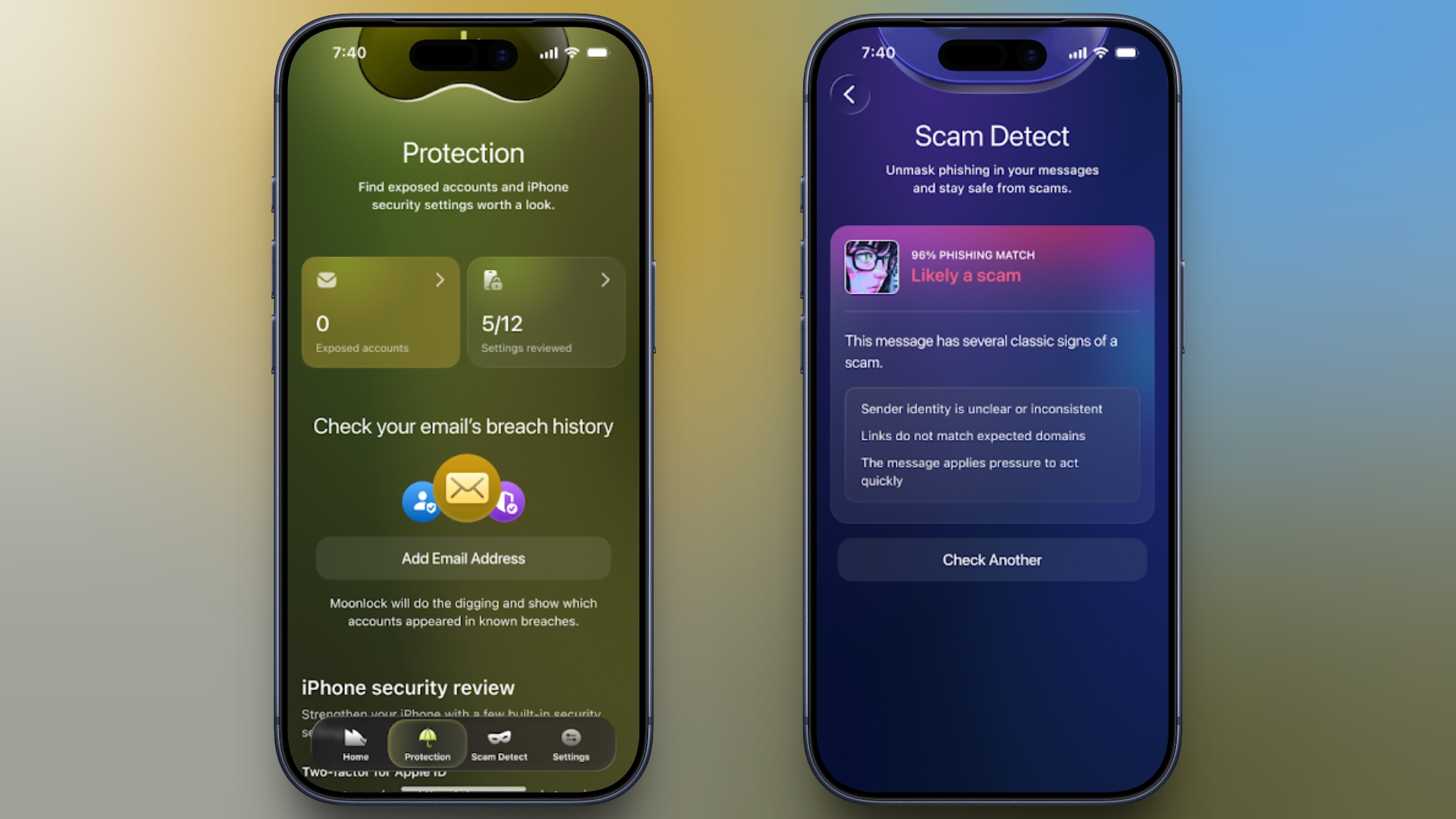
Moonlock is designed to help iPhone users recognize and avoid phishing scams and other online threats, according to the company. For example, one of its key features is Scam Detect, which can check suspicious messages and their contents – like screenshots, links, and QR codes – for signs of phishing.

Users just paste, scan, or share the content directly with Scam Detect, and the Moonlock app will analyze it and provide an assessment explaining why it may be suspicious.

Moonlock includes a number of other security features specific to the iPhone. Safe SMS is an opt-in feature that automatically filters out scam texts, with a record of what was caught and why. Meanwhile, Security Score provides a score from 0 to 100 that reflects the iPhone's security setup, and gives users recommendations on how they can improve it.

With Email Breach History, users can check whether their email address has turned up in a data breach. If so, the feature can reveal the source of the breach, when and what was exposed, and then walk the user through the steps required to secure each affected account.

Moonlock also includes a number of device and network checks, and the app aims to help users review things like their Wi-Fi security, passcode protection, iOS updates, and more, with checklists of recommended one-time actions and step-by-step instructions.

"When we launched Moonlock, our goal was to make cybersecurity something anyone could understand and use. But so much of what people do today, from banking to everyday conversations, happens on their phones. Bringing Moonlock to iPhone felt like the natural next step. We want to help people spot a scam before they tap, see where their security stands, and know exactly what to do next," said Oleg Stukalenko, head of product management at Moonlock by MacPaw.
Moonlock is available to download from the App Store or via Setapp, MacPaw's third-party app marketplace.

Moonlock is offered based on a customizable monthly plan with different rates depending on the number of devices covered. For example, a single-device plan costs $13.50 per month, with yearly billing working out at $4.50 per month. Each plan also has a one-time purchase option. With a Setapp subscription, Moonlock is included for both Mac and iPhone, so no separate iPhone purchase or additional account is required.
This article, "MacPaw's Moonlock Cybersecurity App Launches for iPhone" first appeared on MacRumors.com

Discuss this article in our forums
  •  

Apple Rolls Out All-New Maps Experience Across India

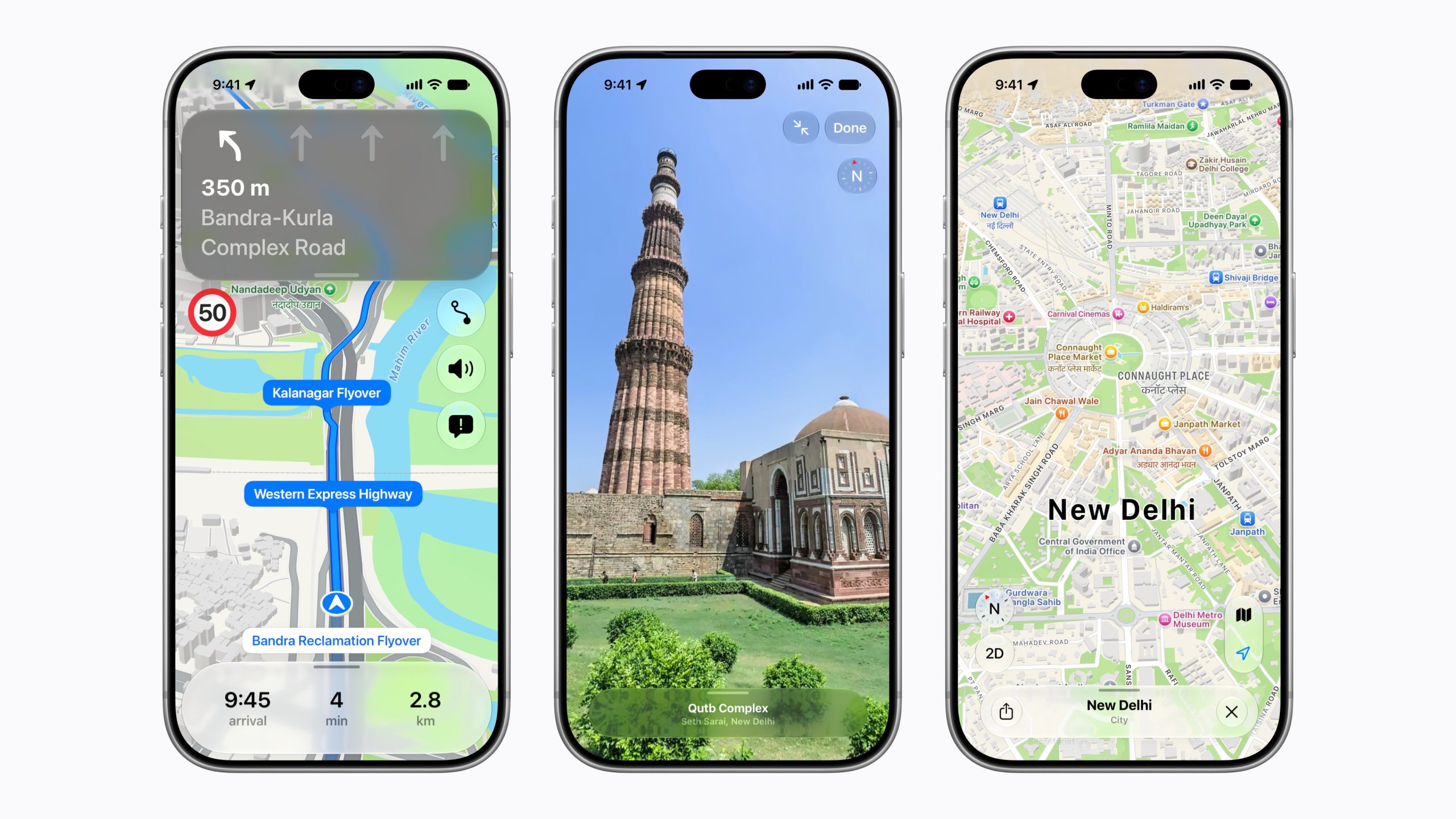
Apple today announced the rollout of an all-new Apple Maps experience in India, bringing the company's redesigned map to the country for the first time. The update offers faster and more accurate navigation, more detailed views of roads, buildings, parks, and shopping centers, and over 300 three-dimensional landmarks.


Notably, the new enhanced map includes features built specifically for India. For example, Natural Language Guidance, which gives directions in conversational phrases such as "At the next traffic light, turn left," has been enhanced with real-world details like pillars and other points of interest. The idea is for Maps to be able to guide users along roads that have no names with directions like "Turn right after the petrol pump."

Elsewhere, dual-language labels show place names in both English and the local language of a region, just like the country's road signs. Alongside English and Hindi, Apple Maps has added support for Bengali, Gujarati, Kannada, Malayalam, Marathi, Tamil, Telugu, Punjabi, Odia, and Urdu.

The rollout also brings Look Around to India for the first time, giving users anywhere in the world interactive street-level imagery with high-resolution 3D photography. It also adds AR Walking Directions, which overlay step-by-step guidance onto the real world when users raise their iPhone.

Other features now available in India include lane guidance, multi-stop routing for up to 15 stops with routes that sync from Mac and iPad to iPhone, Share ETA, cycling directions with elevation details, and electric vehicle routing that can plan trips around charging stops. Users can also report accidents, hazards, and speed checks hands-free by telling Siri AI.

Lastly, transit riders in Ahmedabad, Bengaluru, Chennai, Delhi, Hyderabad, Kolkata, Mumbai, and Pune (as well as on Indian Railways) can use Apple Maps to plan journeys, find nearby stations, and get notifications when it's time to get off at their stop.
"Apple Maps is the best way to explore and navigate the world, and we are excited to bring an enhanced Maps experience to even more users with today's rollout of the new map in India," said Max Muller, Apple's VP of Apple Maps. "The new map offers some of our users' favourite features like Look Around and AR Walking Directions, but we've also designed the map for India's specific navigation needs, including enhanced Natural Language Guidance and customized dual-language labels, making it easier than ever for users to find the places they love and get to where they're going."
The redesigned Apple Maps first launched in the United States in 2018 and has expanded to more countries in the years since, but India has remained a notable gap, despite Apple opening a Maps-focused development center in Hyderabad back in 2016. Turn-by-turn navigation only arrived in the country in 2019.

The new Apple Maps experience is available to users in India starting today. Apple says dual-language labels and the enhanced Natural Language Guidance require iOS 27.2, iPadOS 27.2, watchOS 27.2, or macOS 27.2 or later.
This article, "Apple Rolls Out All-New Maps Experience Across India" first appeared on MacRumors.com

Discuss this article in our forums
  •  

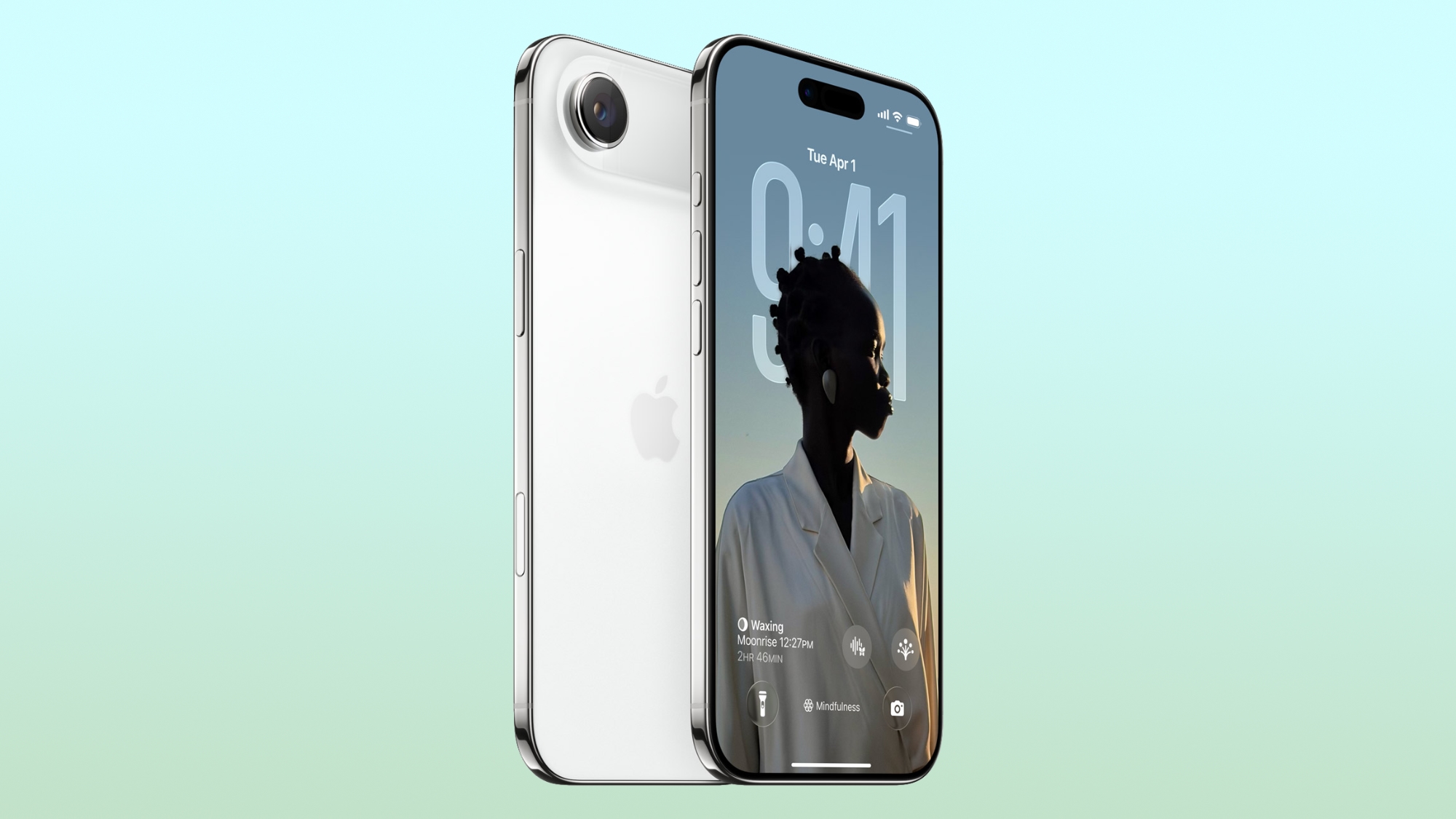
iPhone Air 2 Reportedly Sticks With Same Display

Apple's upcoming iPhone Air 2 will keep the same display specifications as its predecessor so the company can use existing OLED panel inventory, according to Korean publication ETNews. Citing industry sources, the report says new panel orders are expected to be minimal, with Samsung Display the sole supplier for the second-gen model.

The report contrasts with earlier expectations that Apple would adopt Samsung's thinner, brighter display technology used in the iPhone Duo for the iPhone Air 2, although the ETNews report doesn't even mention the rumored upgrade. Samsung reportedly plans to begin panel production in January, ahead of an expected March 2027 launch.
Related Roundup: iPhone Air
Buyer's Guide: iPhone Air (Caution)

This article, "iPhone Air 2 Reportedly Sticks With Same Display" first appeared on MacRumors.com

Discuss this article in our forums
  •  

iPhone 18 and iPhone Air 2 Display Production to Begin Soon Ahead of Expected March Launch

Apple's display suppliers are preparing to begin mass production of OLED panels for the upcoming iPhone Air 2 and iPhone 18, according to a report from Korea's ETNews.


The devices will mark Apple's first spring releases next year as part of the company's new split-launch strategy for its flagship smartphones. Apple already debuted the iPhone 18 Pro models and iPhone Duo in September. The iPhone 18e, Apple's more affordable option, is also expected to launch in the spring.

The report claims Samsung Display and LG Display appear to be aligning their production plans for an expected March 2027 launch schedule. The two companies are expected to start mass production in late December and early January, with Samsung said to be the sole supplier for the iPhone Air 2. Apple is also said to have existing OLED panel inventory that it can use for the Air 2.

Apple will reportedly continue to prioritize production of iPhone 18 Pro and iPhone Duo models through the end of the year, with the latter device already seeing improved shipment times edge into December from the original January 2027 forecast.

The standard iPhone and Air models typically account for more than 30% of total iPhone lineup sales, with the standard model outselling the Air, according to the report.

As for upgrades, the iPhone 18 is rumored to get an A20 chip built on Apple's 2nm process, either 9GB or 12GB of RAM depending on the rumor source, a smaller Dynamic Island, and Apple's C2 modem.

The iPhone Air 2 is expected to gain a second rear camera, with an Ultra Wide lens in addition to the Wide lens. Apple is also likely to increase the battery life of the ultra-slim device, reduce the size of the Dynamic Island, and adopt Apple's 2nm A20 chip for speed and efficiency improvements. The Air 2 is also likely to get the C2 modem.

For everything we know about the next-generation devices, see our dedicated iPhone 18 and iPhone Air roundups.
Related Roundups: iPhone 18, iPhone Air
Buyer's Guide: iPhone Air (Caution)
Related Forum: iPhone

This article, "iPhone 18 and iPhone Air 2 Display Production to Begin Soon Ahead of Expected March Launch" first appeared on MacRumors.com

Discuss this article in our forums

  •  
Empfangen — 17. November 2026 ⏭ MacRumors: Mac News and Rumors - All Stories

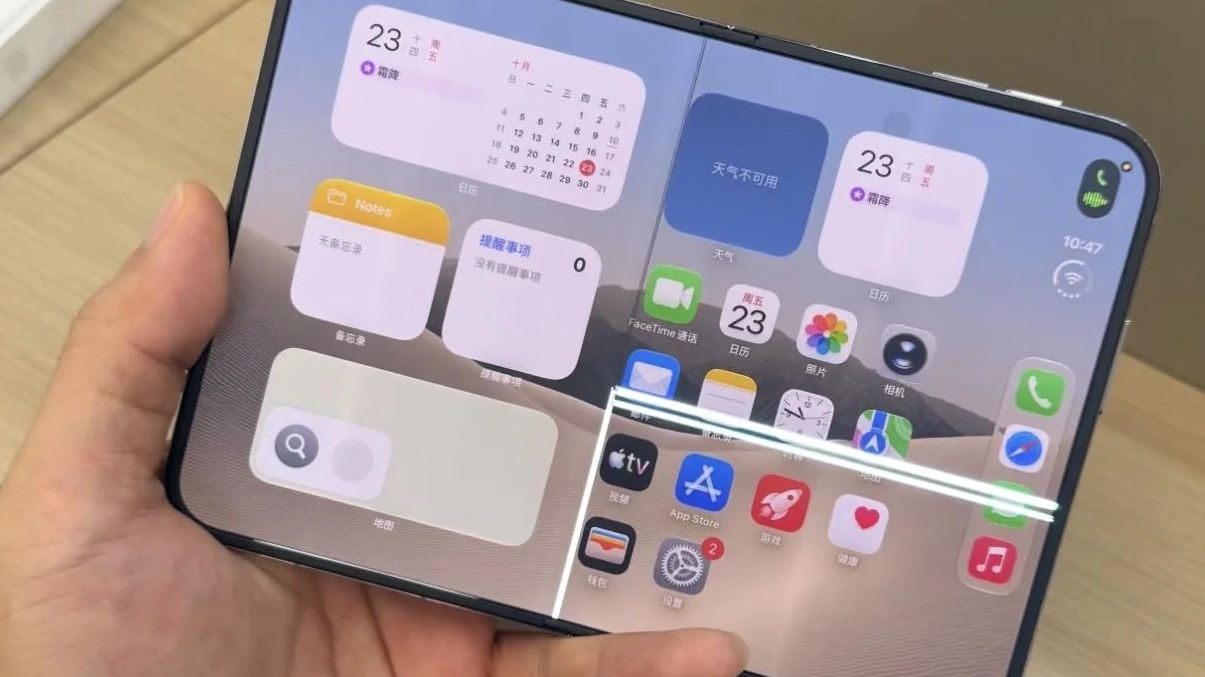
Apple Accused of Silencing iPhone Duo Supplier Over 'Crackgate' Issue

Apple allegedly pressured a component supplier to withdraw a public statement distancing itself from the display cracking issue affecting some iPhone Duo units, according to The Elec.


The allegation surrounds the little-known Fine M-Tec, which reportedly supplies internal metal plates supporting the iPhone Duo's folding screen. Last month, the Korean-based supplier published a statement denying that defects in its components were responsible for the reported display failures.

The Elec reports that Fine M-Tec posted "Our official position on the customer's new product quality issue" on its website on October 26. The statement read: "The quality issues that are known to have occurred in some products recently are not caused by quality defects in the parts we supply." Fine M-Tec said it published the statement to counter accusations associated with suspected short sellers. It also warned of possible legal action against those spreading unsubstantiated claims.

This statement, which did not outright name Apple or the iPhone Duo, appeared shortly after the first cases of hinge-related screen damage on Apple's first foldable began to emerge online.

By November 4, however, the statement had disappeared from Fine M-Tec's website. Shortly afterwards, Korean publication DealSite reported that its industry sources suggested the supplier had been pressured by Apple to remove it.

In an editorial published Tuesday, The Elec journalist Kim Geon said a Fine M-Tec representative had since contacted him requesting the removal of his earlier article about the withdrawn statement. According to the representative's account, Apple had objected to the supplier publicly denying responsibility for the failures.

Apple has acknowledged display cracking affecting a small number of iPhone Duo units and offered replacements, but the company hasn't offered a technical explanation for what is causing the issue. Meanwhile, Apple has not publicly commented on the allegation that it pressured a supplier into silence.
Related Roundup: iPhone Duo
Buyer's Guide: iPhone Duo (Buy Now)
Related Forum: iPhone

This article, "Apple Accused of Silencing iPhone Duo Supplier Over 'Crackgate' Issue" first appeared on MacRumors.com

Discuss this article in our forums
  •  

iPhone Users Targeted in Major Website Security Breach

Hackers used some of the world's most popular websites to distribute malware designed to steal cryptocurrency and exploit vulnerabilities in iPhones and iPads this week, according to a new security investigation.


Reuters reports that websites associated with 178 organizations were affected by the attack on Monday, November 16, including the likes of Zoom, BBC, CNN, HSBC, Salesforce, and IKEA.

A vulnerability was reportedly exploited in Optimizely, a third-party platform that companies use to test and customize their websites. Hackers managed to insert malicious JavaScript into Optimizely's customer projects, allowing them to distribute the malware through legitimate websites without directly compromising their infrastructure.

Security researcher Scott Helme discovered the attack. Helme found that the malicious scripts could replace legitimate cryptocurrency wallet addresses with ones controlled by the attackers, as well as intercept payment card details, steal browser cookies, and take screenshots.

The code was especially targeted at iPhone and iPad users. Visitors could be served one of two exploit kits – Coruna and DarkSword – through a hidden webpage element, depending on their device's software version. Coruna reportedly targeted devices running iOS 13 through iOS 17, while DarkSword targeted iOS 18. Researchers also found code targeting iOS 26, but this appeared to be limited to identifying devices' characteristics.

The attack potentially allowed malicious code to execute simply by visiting an affected website – users did not need to download an app or interact with a suspicious link. That said, it's still unclear whether any iPhones or iPads were successfully compromised.

Optimizely told BleepingComputer that attackers managed to exploit a vulnerability in its account signup process, causing websites using the platform to load malware. The flaw has since been patched, the malicious code has been removed, and affected customers have been notified, according to the company.

As always, all Apple users are advised to keep their devices up-to-date with the latest available software, but that particularly applies to anyone who visited any of the affected websites during Monday's attack.
This article, "iPhone Users Targeted in Major Website Security Breach" first appeared on MacRumors.com

Discuss this article in our forums

  •  

Apple Tests Bringing Back a Softer Side of Liquid Glass

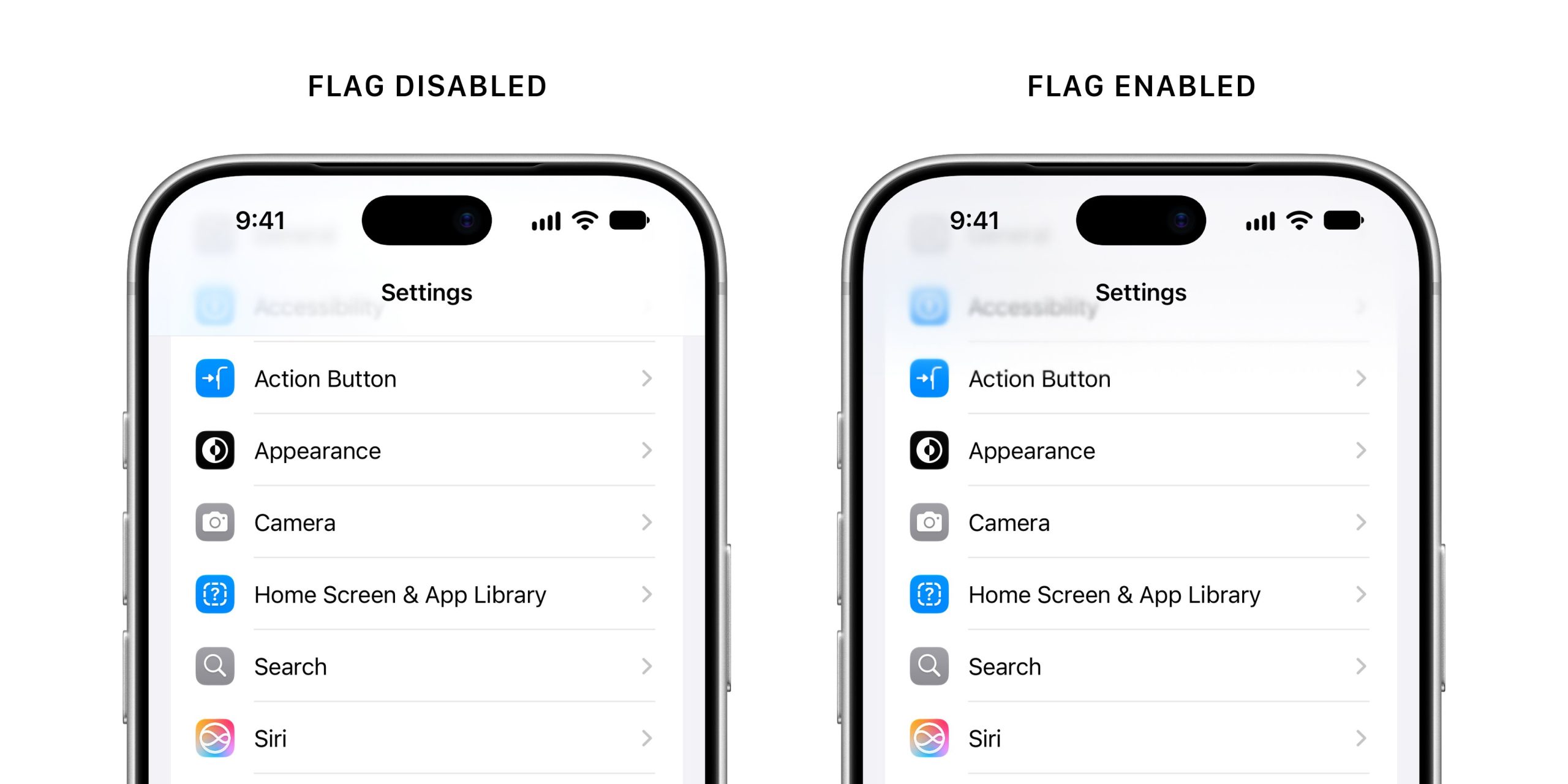
Apple is testing a softer appearance for iPhone navigation bars that would bring back part of the look used in iOS 26, according to a new finding shared by pdfu on X (Twitter).

The gradual fade nav bar effect is disabled by default in iOS 27.3 beta 2

The change affects how content fades out as it scrolls beneath the bar at the top of an app, so that text and other elements disappear into a gentler blur, rather than meeting a more sharply defined boundary.

In the side-by-side comparison above, shared by pdfu, the difference is shown with the test feature switched off – the navigation bar has a distinct lower edge separating it from the list below. With the feature enabled (as shown on the right), the boundary is replaced by a softer, more gradual transition.

According to pdfu, the effect is designed to appear when Liquid Glass tint is set to 25 percent or lower, and it only applies to navigation bars that use the default style. The gentler fade is currently disabled behind an internal feature flag in the latest iOS 27.3 developer beta, so it's not at a stage where users can simply turn on the change via Settings.

Apple reworked Liquid Glass in iOS 27 with changes aimed at improving readability, including a more uniform background behind content at the top of apps. It also replaced the earlier Clear and Tinted presets with a continuous transparency slider, offering users finer control over the Liquid Glass appearance.

Whether Apple will bring back the softer look for navigation bars or make it an optional setting in a future update remains to be seen.
Tag: pdfu

This article, "Apple Tests Bringing Back a Softer Side of Liquid Glass" first appeared on MacRumors.com

Discuss this article in our forums
  •  

Apple Close to Rare Long-Term Memory Deal With Samsung

Apple is close to signing a long-term supply agreement with Samsung for DRAM chips, according to Korea's Maeil Business Newspaper. The deal would reportedly run for four to five years from the first half of 2027, setting a minimum supply volume, with prices finalized later based on market conditions.

Apple usually favors short-term contracts and squeezes suppliers on price, so this is quite a shift for Apple, though it recently signed a similar deal with SK hynix on supplier-favorable terms as the worsening memory shortage pushes up component costs amid the AI data center buildout.
Tag: Samsung

This article, "Apple Close to Rare Long-Term Memory Deal With Samsung" first appeared on MacRumors.com

Discuss this article in our forums
  •  
Empfangen — 16. November 2026 ⏭ MacRumors: Mac News and Rumors - All Stories

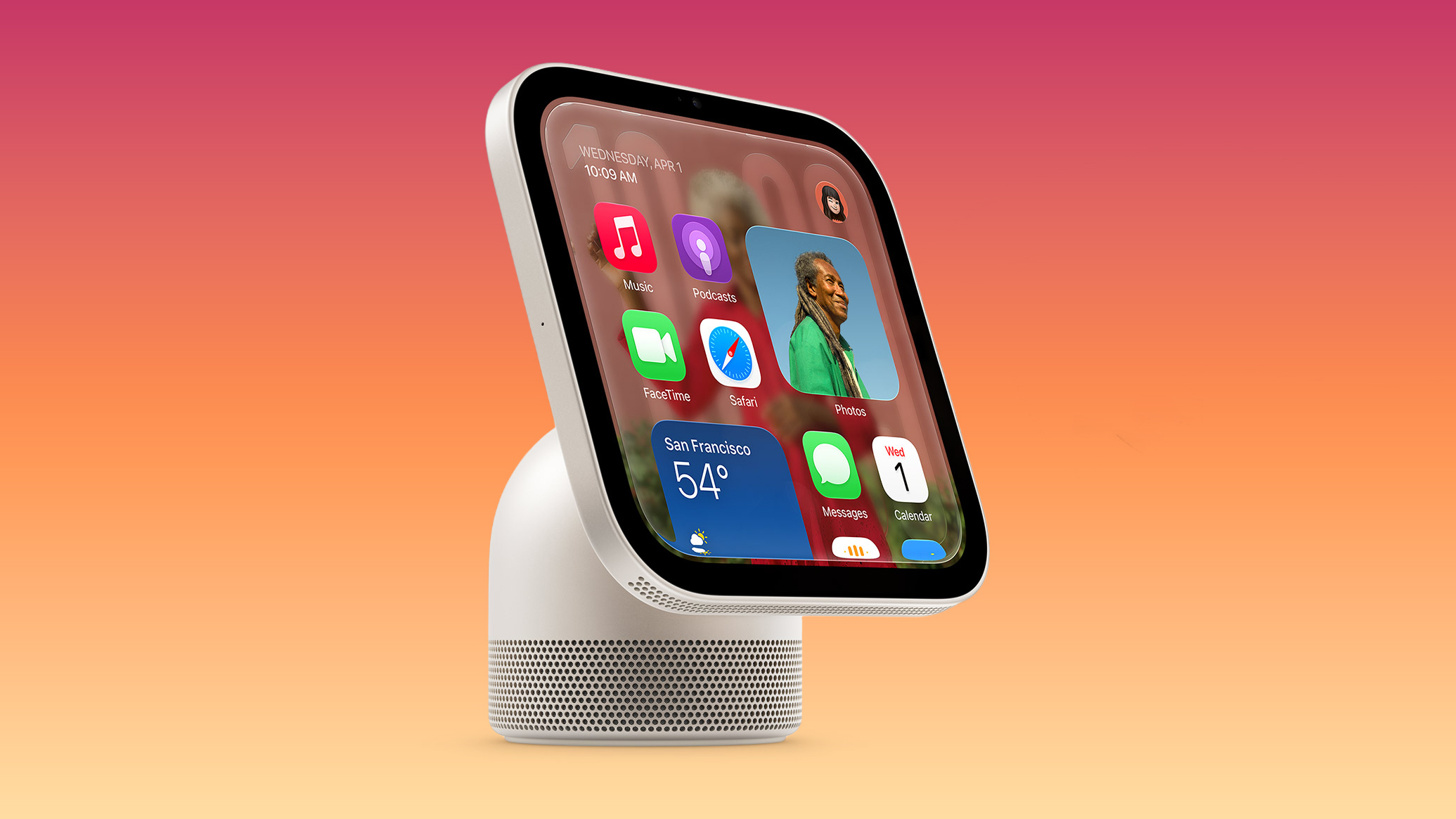
Apple's New HomeView Smart Home Hub Has Issues, Say Owners

Just days after the HomeView's launch, some owners are reporting problems with Siri, timers, and music playback on Apple's new smart home hub, based on multiple MacRumors forum threads.


In the longest discussion, which now spans over one hundred posts, several people say their HomeView refuses to set timers or alarms, and instead claims that a software update is required – even though the device reports that it is up to date. In another thread, one poster said an AppleCare senior advisor told them other owners had reported the same problem, and that cold-rebooting their paired iPhone cleared it.

Other owners describe Siri taking minutes to respond or repeatedly announcing that it is "downloading Siri." Elsewhere, in two separate threads, owners report music commands failing outright or being carried out on their iPhone instead of the HomeView, even when the device shows Siri listening on screen. That's not all, either. Some owners with multiple units say commands meant for one room play in another, for no apparent reason.

Let's not overstate the case, though. Not everyone is seeing problems with HomeView. Several people have reported their units working as expected, and some say that any issues cleared after rebooting the HomeView, their iPhone, or both.

Apple has already said a software update coming next month will fix a separate issue in which Siri AI claims not to have a camera and won't let recognized users unlock doors and garages by voice. Apple already released a software update that addresses several vulnerabilities, including issues with AirPlay, Messages, and Bluetooth.

However, those are other issues, and it remains to be seen whether said update will fix the timer and music problems described by several owners in the MacRumors forums. Let us know in the comments of your own experience with HomeView.
Related Roundup: Apple HomeView
Buyer's Guide: HomeView (Buy Now)

This article, "Apple's New HomeView Smart Home Hub Has Issues, Say Owners" first appeared on MacRumors.com

Discuss this article in our forums
  •  

iPhone 20 Pro Rumored to Feature New 17nm Camera Sensor

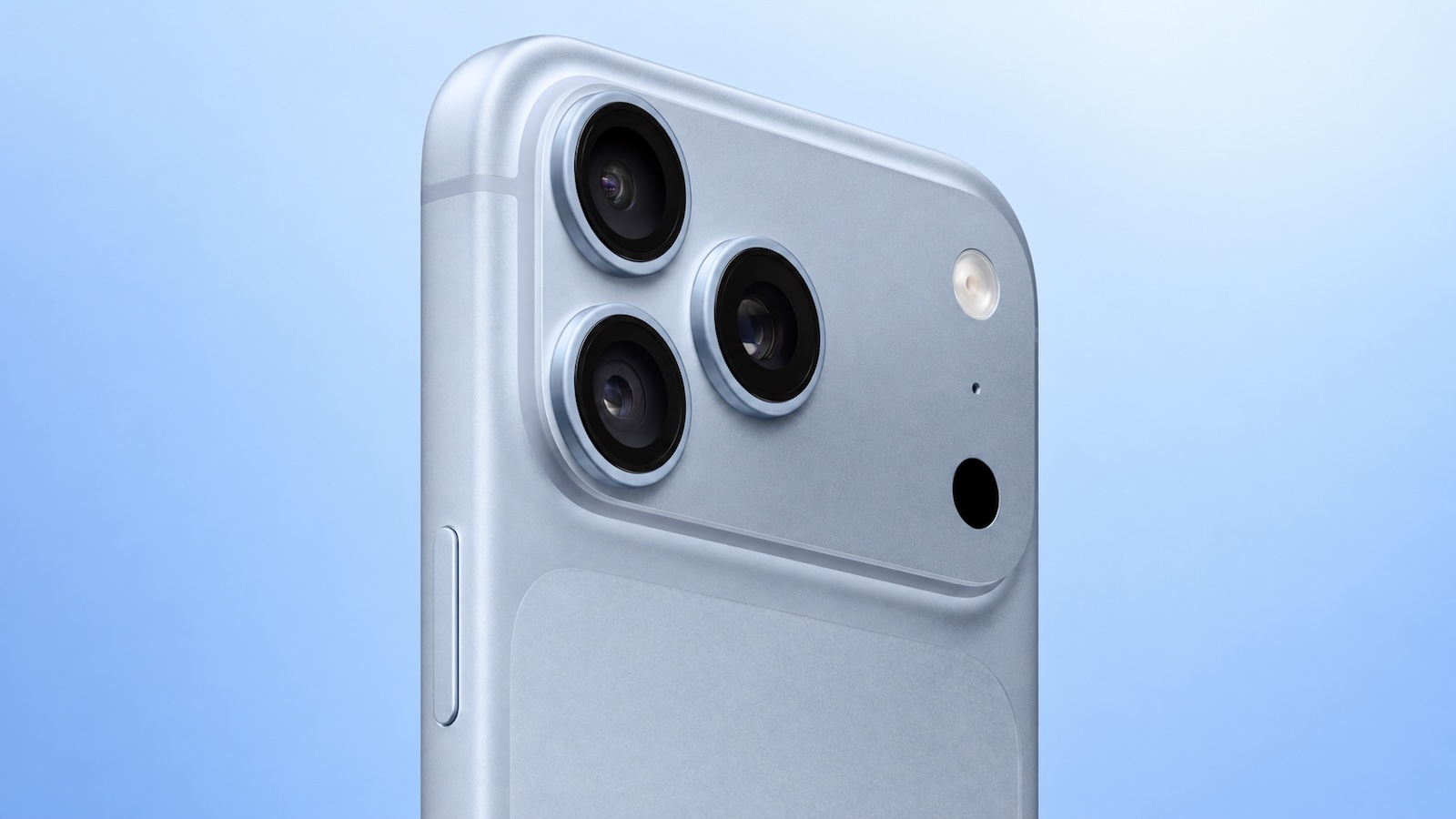
Next year's iPhone 20 Pro could feature a main camera sensor with logic circuitry manufactured using a new 17-nanometer process, according to Weibo-based leaker Ice Universe.


Modern stacked camera sensors separate their light-sensitive pixels from the logic circuitry responsible for reading out and processing image data. A more advanced manufacturing process for the logic layer could potentially enable faster readout speeds, improved power efficiency, and more sophisticated image processing.

The leaker provided no further details about the sensor, which would reportedly debut in Apple's 20th-anniversary iPhone in 2027. Apple is expected to skip the "iPhone 19" moniker next year, just like it did with the iPhone 9 prior to the release of the iPhone X in 2017 to celebrate the 10th anniversary of the original iPhone.

Interestingly, Samsung has already been developing a 17nm Low Power Value (17LPV) process specifically for CMOS image sensor signal processing circuitry, according to a 2024 Omdia report.

Apple is also working with Samsung to produce advanced image sensors at its Austin, Texas facility. Previous reports suggest the partnership involves a three-layer stacked sensor design, but there's currently no clear link between that project and the claimed 17nm component.

Separately, Apple is rumored to be developing its own image sensor incorporating LOFIC technology, which could substantially improve dynamic range and preserve more detail in highlights and shadows. Again though, it's not clear whether the latest claim relates to that sensor.

Apple is rumoured to be a developing a radical new design for its second commemorative iPhone, featuring a new quad-curved OLED display that wraps around the edges of the device, and a screen with potentially no cutouts at all. Apple is expected to debut the device in or around September 2027.
This article, "iPhone 20 Pro Rumored to Feature New 17nm Camera Sensor" first appeared on MacRumors.com

Discuss this article in our forums
  •  

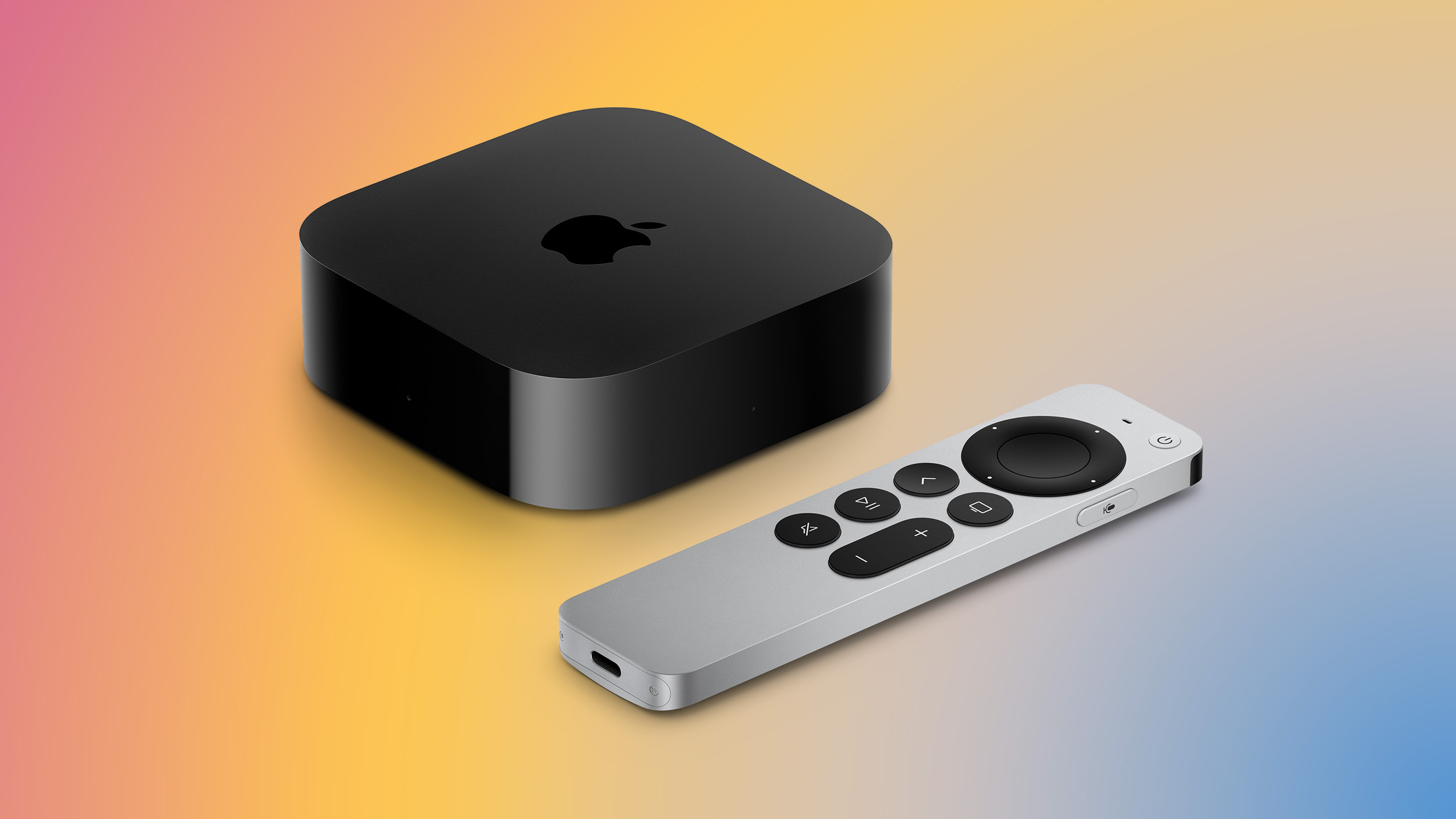
New Apple TV 4K's A19 Chip Has One Core Switched Off

Apple's new Apple TV 4K uses an A19 chip with one efficiency core disabled, according to system diagnostic data shared by code explorer pdfu. That suggests a five-core CPU with two performance cores and three efficiency cores, compared with the six-core CPU in the iPhone 17.

The reported maximum clock speeds are 4.26GHz for performance cores and 2.592GHz for efficiency cores, with a five-core GPU reaching 1.47GHz. (These are maximum frequencies, not measurements of sustained performance.) Apple is likely using binned chips, where the disabled core is defective. The company used a similar configuration in the 2022 Apple TV 4K, whose A15 chip also had one CPU core disabled.
Related Roundup: Apple TV
Tag: pdfu
Buyer's Guide: Apple TV (Buy Now)

This article, "New Apple TV 4K's A19 Chip Has One Core Switched Off" first appeared on MacRumors.com

Discuss this article in our forums
  •  

Apple Seeks 200,000 People for AI Health Study

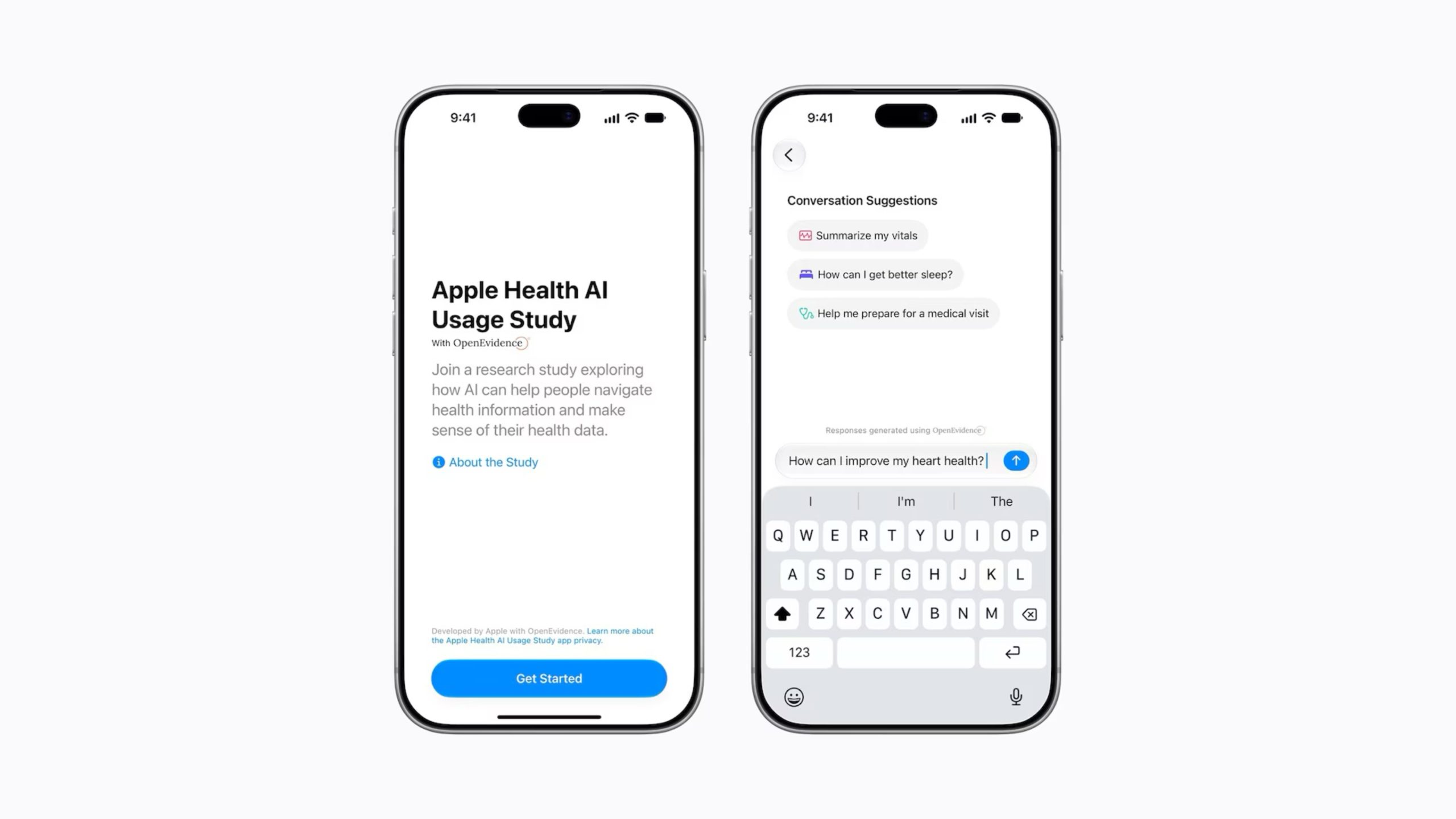
Apple on Sunday announced the launch of an Apple Health AI Usage Study that gives participants access to a dedicated iPhone app that answers everyday health questions using medical research and, optionally, their own Health app data.


Conducted in collaboration with clinical AI company OpenEvidence, the U.S.-only study will examine how people understand and evaluate AI-generated health information, what makes them trust it, and whether it can help them prepare for appointments with their doctors.
"At Apple, we believe responsible innovation starts with scientific rigor and clinical grounding. Health is deeply personal, and conducting a dedicated research study is the most thoughtful way to understand how people engage with, comprehend, and evaluate health AI in everyday life," said Sumbul Desai, M.D., Apple's vice president of Health and Fitness. "Insights from this study will help advance the broader scientific conversation and ensure that as technology evolves, we continue building trusted tools that genuinely support people wherever they are on their health journey."
The app combines OpenEvidence's technology with an Apple-designed research experience, where responses include links to peer-reviewed clinical sources, with information drawn from publications like The New England Journal of Medicine, JAMA, and Nature. Apple says the app presents complex medical information in approachable language.


Participants can choose to share data such as their resting heart rate, activity, sleep, and lab results through HealthKit. The idea is for it to allow researchers to explore whether incorporating personal health information makes answers more relevant and easier to understand. Apple says the app can also help users put Health data in context, understand symptoms or conditions, and build personalized exercise or meal plans.

Users can rate responses and complete occasional surveys about their experience, and all questions undergo processing designed to remove identifying information before reaching OpenEvidence, which deletes question-and-response data within 24 hours. Apple says study data will not be used to train AI models, and participants control whether they share HealthKit metrics or survey responses.
"Patients and clinicians are both turning to AI, but the tools they use are being built and tested in separate worlds," said Robert M. Wachter, M.D., UCSF's professor and chair of the Department of Medicine. "When patients and doctors draw on versions of the same trustworthy tools, patients arrive prepared, conversations improve, and next steps happen seamlessly. Connecting these tools, and rigorously studying what works, is how we'll get there."
Apple is keen to stress that health tools powered by large language models can give incomplete or unclear answers, and the app includes safeguards that are meant to detect certain concerning questions and direct users toward a healthcare provider or other resources. The study isn't intended to diagnose or treat conditions, or replace advice from medical professionals.


The study is open to up to 200,000 eligible U.S. residents aged 21 and older with an Apple Intelligence-enabled iPhone running iOS 26 or later. If you're eligible and interested, download the Apple Health AI Study App from the App Store to learn more.
This article, "Apple Seeks 200,000 People for AI Health Study" first appeared on MacRumors.com

Discuss this article in our forums
  •  

Apple TV App to Get Video Podcasts Section Today

Apple on Monday will add a video podcasts section to the Apple TV app, bringing it to more than 1 billion devices that have the app, reports The New York Times. The new video podcasts section will likely arrive in iOS 27.3 beta 2 for developer testing.

"We want podcasts to be available wherever people want to enjoy them — the small screens, big screens," VP of services, Oliver Schusser, told NYT. "It's really about discovery and helping the creators to reach a new audience. We didn't approach this in a way that would financially benefit us." Apple also plans to increase the number of video podcasts on its regular Podcasts app, according to the publication.
Related Roundup: Apple TV
Buyer's Guide: Apple TV (Buy Now)

This article, "Apple TV App to Get Video Podcasts Section Today" first appeared on MacRumors.com

Discuss this article in our forums
  •  
Empfangen — 13. November 2026 ⏭ MacRumors: Mac News and Rumors - All Stories

Apple Launches Two Products Today

Apple is releasing two new products today, Friday, November 13: the all-new Apple HomeView and the fourth-generation Apple TV 4K, both of which have been available to pre-order since mid-October.

  • Apple HomeView: Apple's new smart home display, powered by Apple Intelligence with Siri AI, for entertainment and managing the home. Available in tabletop and wall-mounted models, it can recognize up to six users by face, each with a personalized Home Screen. The HomeView is priced at $299.

  • Apple TV 4K: adds Siri AI, the A19 chip, an updated Siri Remote with Find My, and support for four-speaker surround sound with HomePod mini 2. The Apple TV 4K comes with 128GB of storage and is priced at $299.
Both products were announced on October 13 alongside the HomePod mini 2, which launched October 30.

As things stand, HomeView is not sold in the European Union because Siri AI is currently unavailable on iOS in the region due to regulatory constraints. Apple has said it is "working constructively with the EU in an attempt to find a path forward," but has provided no timeline for EU availability.
This article, "Apple Launches Two Products Today" first appeared on MacRumors.com

Discuss this article in our forums
  •  
Empfangen — 11. November 2026 ⏭ MacRumors: Mac News and Rumors - All Stories

Rumored Apple Smart Glasses Mentioned in Supplier's Earnings Briefing

Apple's rumored smart glasses and AirPods with cameras may have been referenced by Chinese manufacturing equipment supplier Quick Intelligent Equipment, according to a Securities Times report on the company's quarterly earnings briefing. The company claimed it has been involved in "Apple's AI glasses and new smart earphones projects," which could boost demand for its machine vision inspection equipment.

Apple is reportedly targeting a late 2027 launch for its first smart glasses, expected to help answer questions about the wearer's surroundings and translate languages. Apple is also reportedly developing AirPods with cameras, set to arrive alongside the 20th-anniversary iPhone.
This article, "Rumored Apple Smart Glasses Mentioned in Supplier's Earnings Briefing" first appeared on MacRumors.com

Discuss this article in our forums
  •  

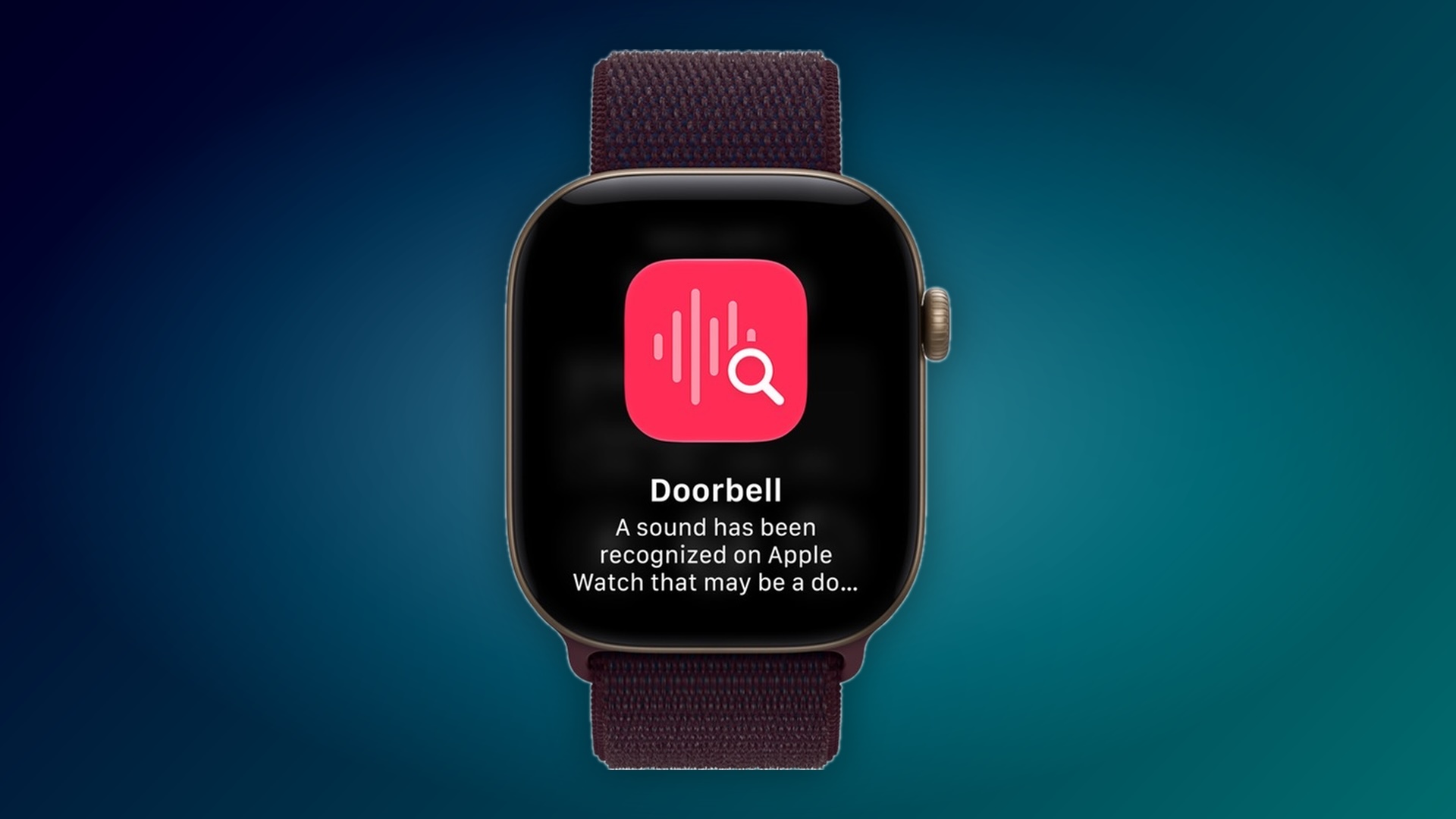
Make Apple Watch Listen for Sounds Like the Doorbell

One of Apple's accessibility features on iPhone can listen for important sounds around you, such as a doorbell, siren or alarm, and it sends you a notification when it hears one. The feature has been extended to Apple's new Apple Watch Series 12 and Apple Watch Ultra 4 models, so the alert reaches your wrist even when your iPhone isn't with you.


It's especially useful for people who are deaf or hard of hearing, but it has everyday uses too. If you wear noise-cancelling headphones while working and don't want to miss the doorbell – if you're expecting a delivery, for example – your Apple Watch can alert you.

Sounds Your Apple Watch Can Detect


Sound Recognition can detect the following 15 sounds. Any you switch on in the iPhone's Sounds list are also detected by your Apple Watch when "Detect using Apple Watch" is enabled:

  • Fire Alarm

  • Siren

  • Smoke Alarm

  • Cat

  • Dog

  • Appliances

  • Car Horn

  • Doorbell

  • Door Knock

  • Glass Breaking

  • Kettle

  • Water Running

  • Baby Crying

  • Coughing

  • Shouting

If a sound isn't recognized automatically, you can also teach your iPhone a Custom Alarm or Custom Appliance or Doorbell from the same Sounds list.

What You'll Need


You'll need an Apple Watch Series 12 or Ultra 4 paired with an iPhone 11 or later, or an iPhone SE (2nd generation or later), running iOS 27. If you already use Sound Recognition on your iPhone, it turns on automatically for your Apple Watch, so you may not need to do anything. Either way, here's how to set it up:

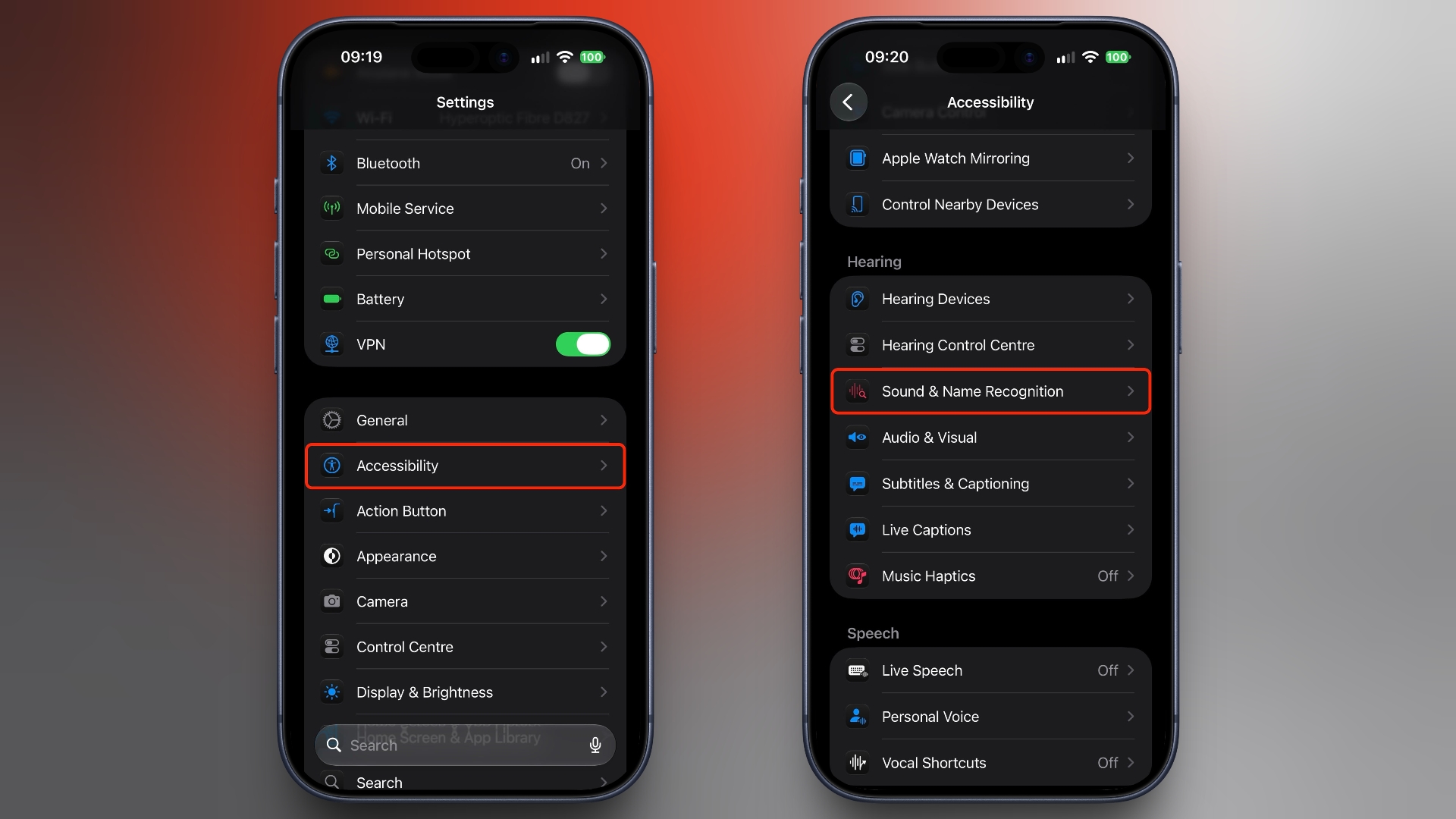
  1. Open the Settings app on your iPhone and tap Accessibility.

  2. In the "Hearing" section, tap Sound & Name Recognition.
    settings
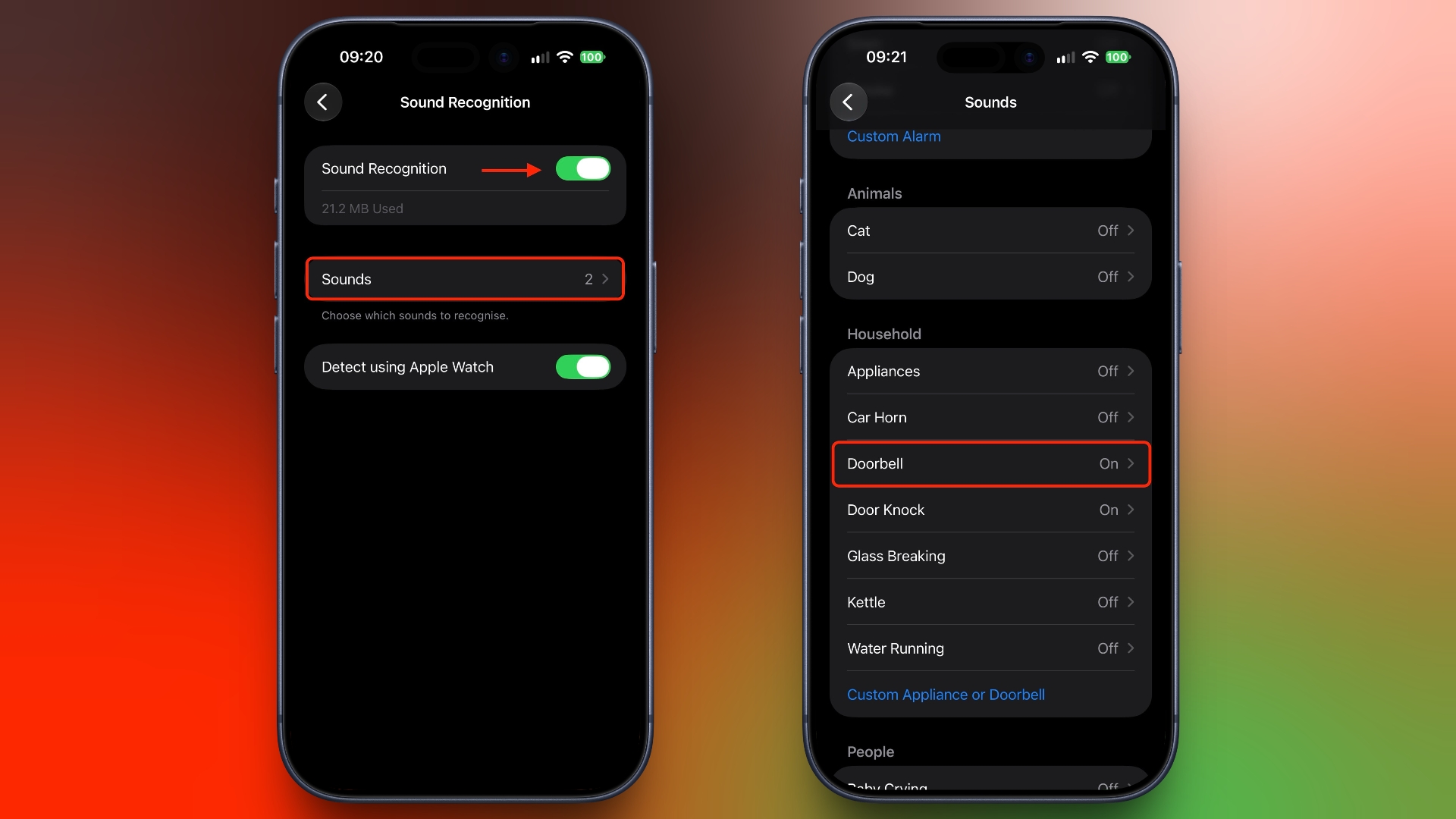
  3. Tap Sound Recognition and turn on the Sound Recognition toggle, then turn on Detect using Apple Watch.
  4. Tap Sounds and turn on the sounds you want to hear about, such as Doorbell. You can also choose a specific alert tone for each sound.
    settings
Apple says Sound Recognition is processed on your Apple Watch and iPhone and doesn't record or store audio. It shouldn't be treated as a safety system, though. You shouldn't rely on it in situations where you may be harmed or injured, in high-risk or emergency situations, or for navigation, per Apple's guidelines.
Related Forum: Apple Watch

This article, "Make Apple Watch Listen for Sounds Like the Doorbell" first appeared on MacRumors.com

Discuss this article in our forums
  •  
Empfangen — 10. November 2026 ⏭ MacRumors: Mac News and Rumors - All Stories

Disable Touch on MacBook Pro PROLED XDR and When Using Sidecar

Apple has long rejected the idea of a touchscreen Mac, so moving ahead with one was always going to be a major shift in the company's thinking. In 2010, Steve Jobs argued that "touch surfaces don't want to be vertical," citing the arm fatigue that comes from repeatedly reaching up to a screen.

Some would call this sacrilege...

More than a decade later, in 2021, Apple's then-hardware engineering chief John Ternus remarked that the Mac was made exclusively for indirect input and that Apple saw no compelling reason to change its approach.

"We make the world's best touch computer on an iPad. It's totally optimized for that. And the Mac is totally optimized for indirect input. We haven't really felt a reason to change that," Ternus said in an interview with Joanna Stern.

Touch Comes to the Mac


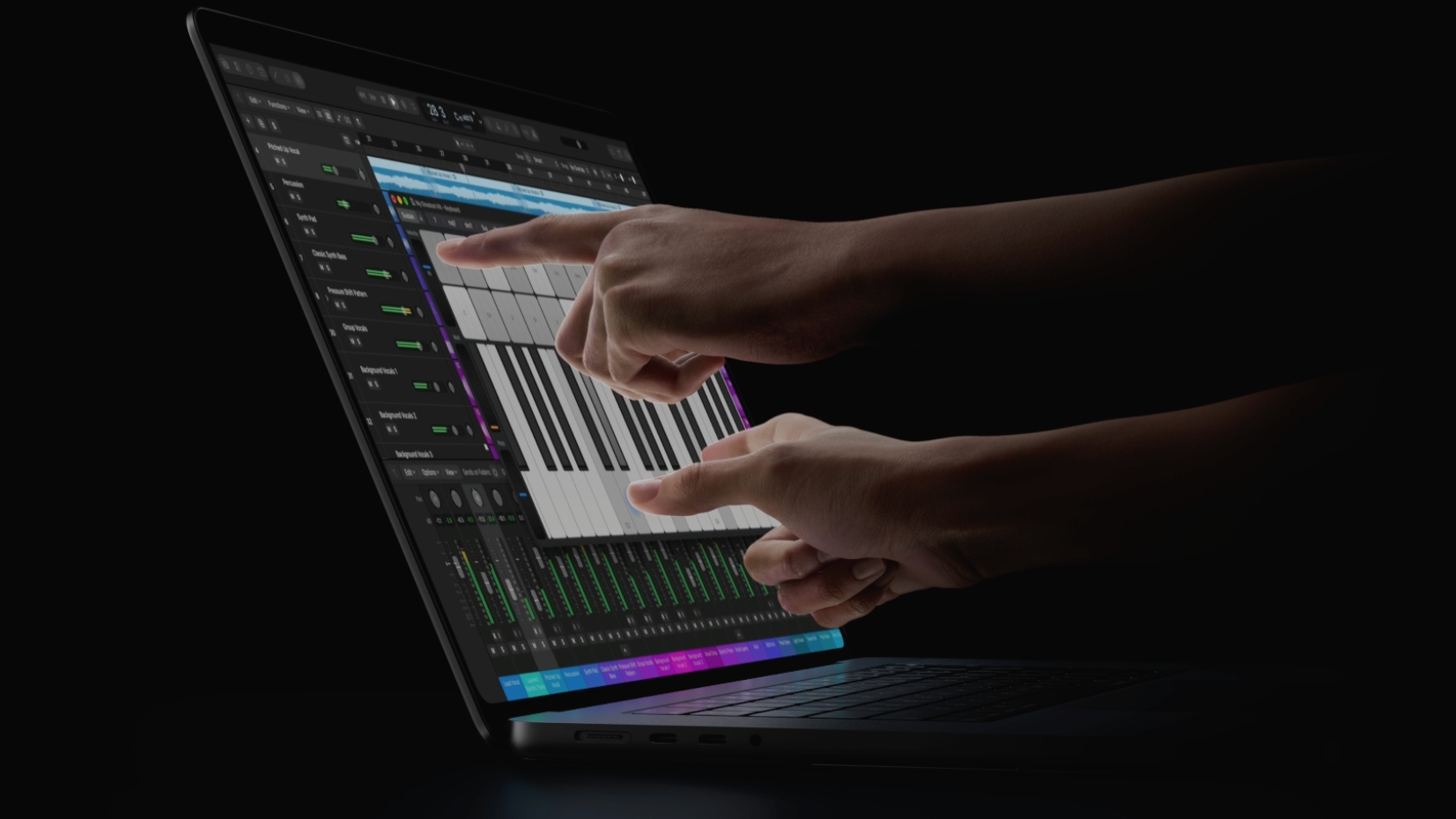
Fast forward to 2026, and Apple has had a change of heart. The new MacBook Pro with PROLED XDR is the first Mac to adopt touchscreen technology. Many younger people who grew up with smartphones and tablets expect to interact with their computers the same way they do with their mobile devices, and that expectation appears to have twisted Apple's arm (no pun intended).

Of course, just because the new MacBook Pro models have a touchscreen doesn't mean you have to use it. If you forget it's even there, you can turn off the function and pretend it doesn't exist. If you use Sidecar with an iPad on another Mac, you can turn off touch in the same way.

Turn Off Touch on MacBook Pro and Sidecar


The steps are the same whether you want to disable the MacBook Pro's touchscreen or touch input in Sidecar:

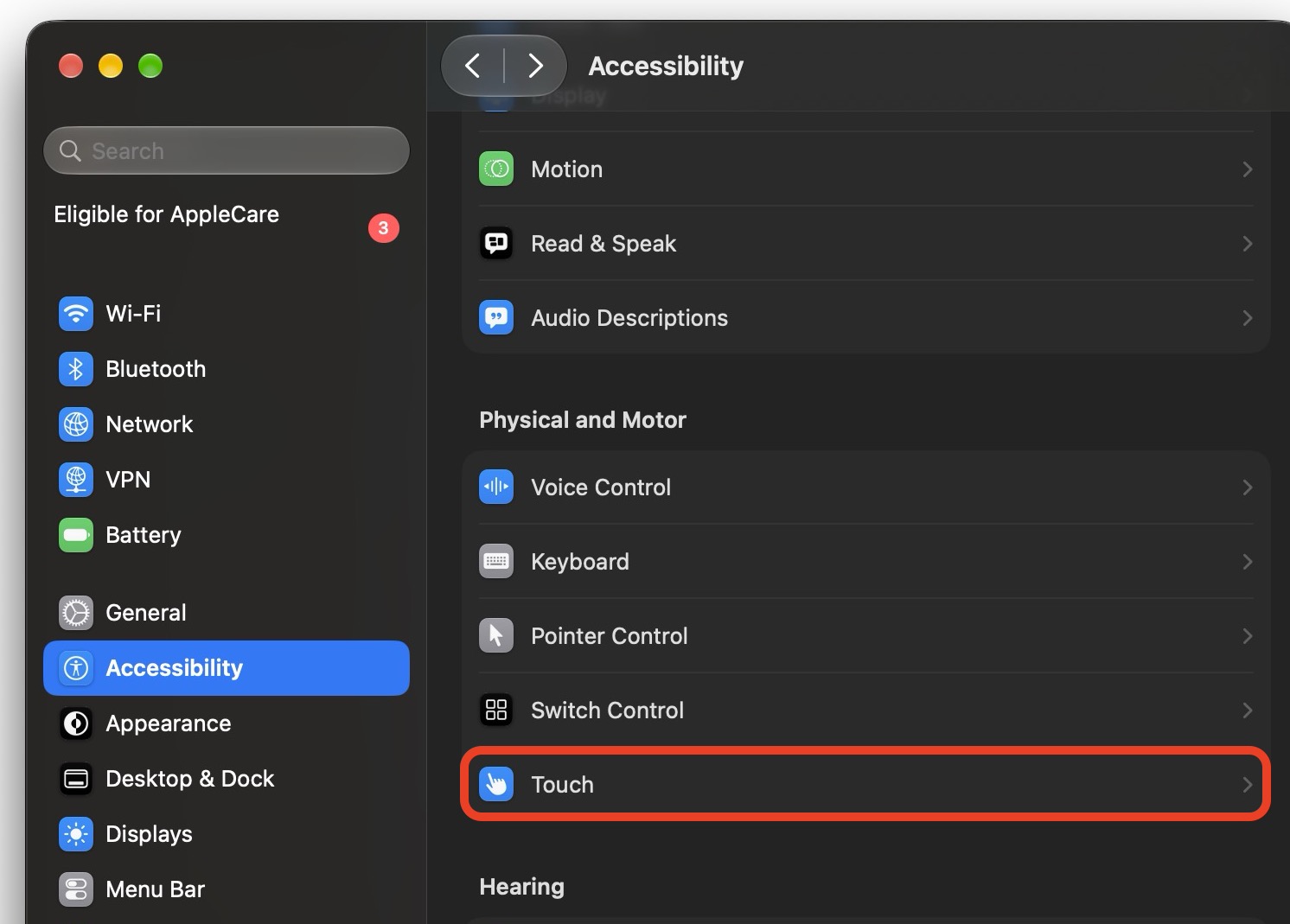
  1. Click the Apple logo in the top-left corner of the menu bar and choose System Settings....

  2. Select Accessibility in the sidebar.

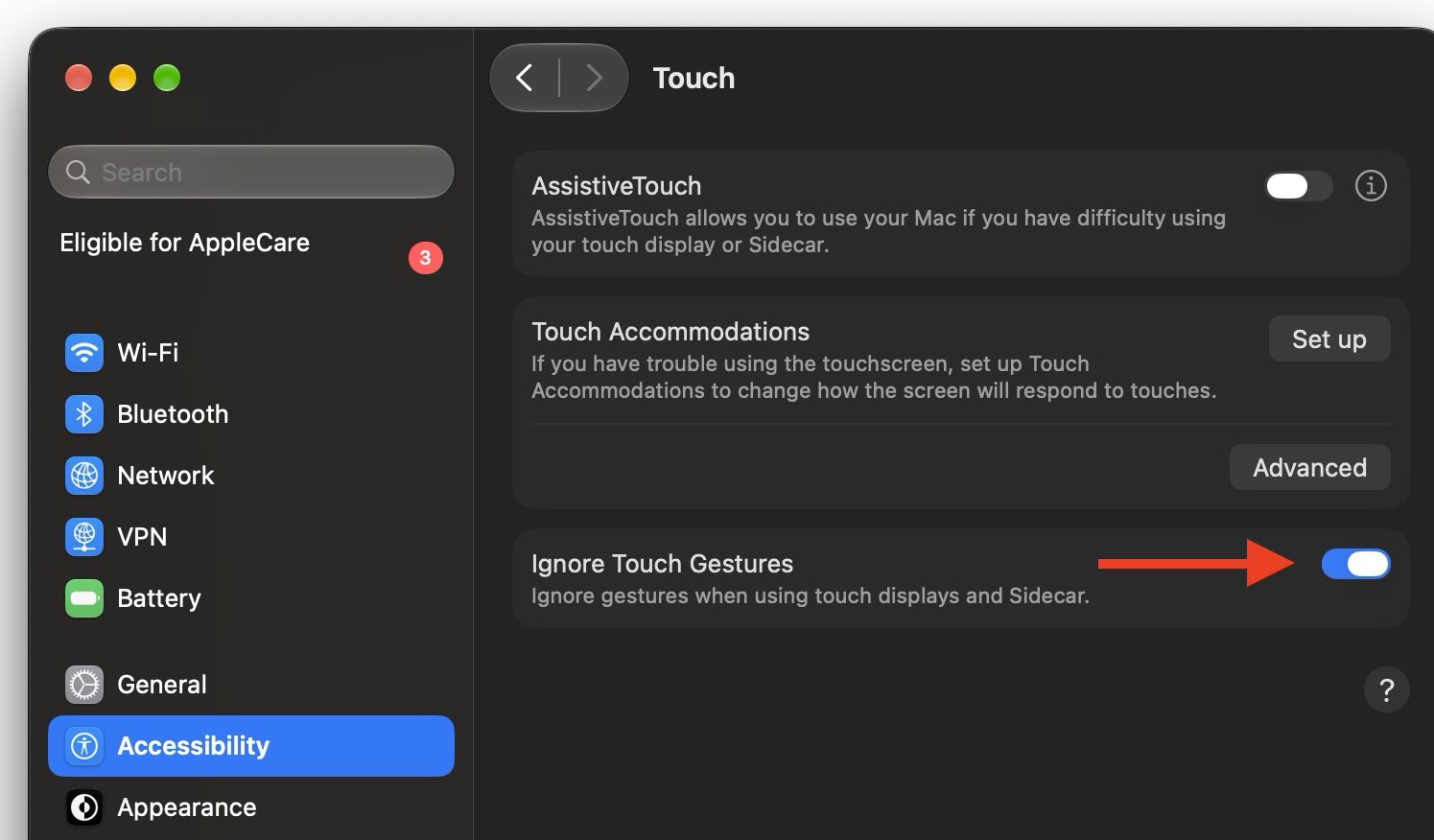
  3. Under "Physical and Motor," click Touch.
    settings
  4. Toggle on the switch next to Ignore Touch Gestures.
    settings
That's all there is to it. Your Mac will now ignore touch input, and since the setting covers Sidecar too, an iPad you use as a second display will ignore touches as well. If you ever want touch back, return to the same screen and toggle off Ignore Touch Gestures.

Touch Friendly, Not Touch First


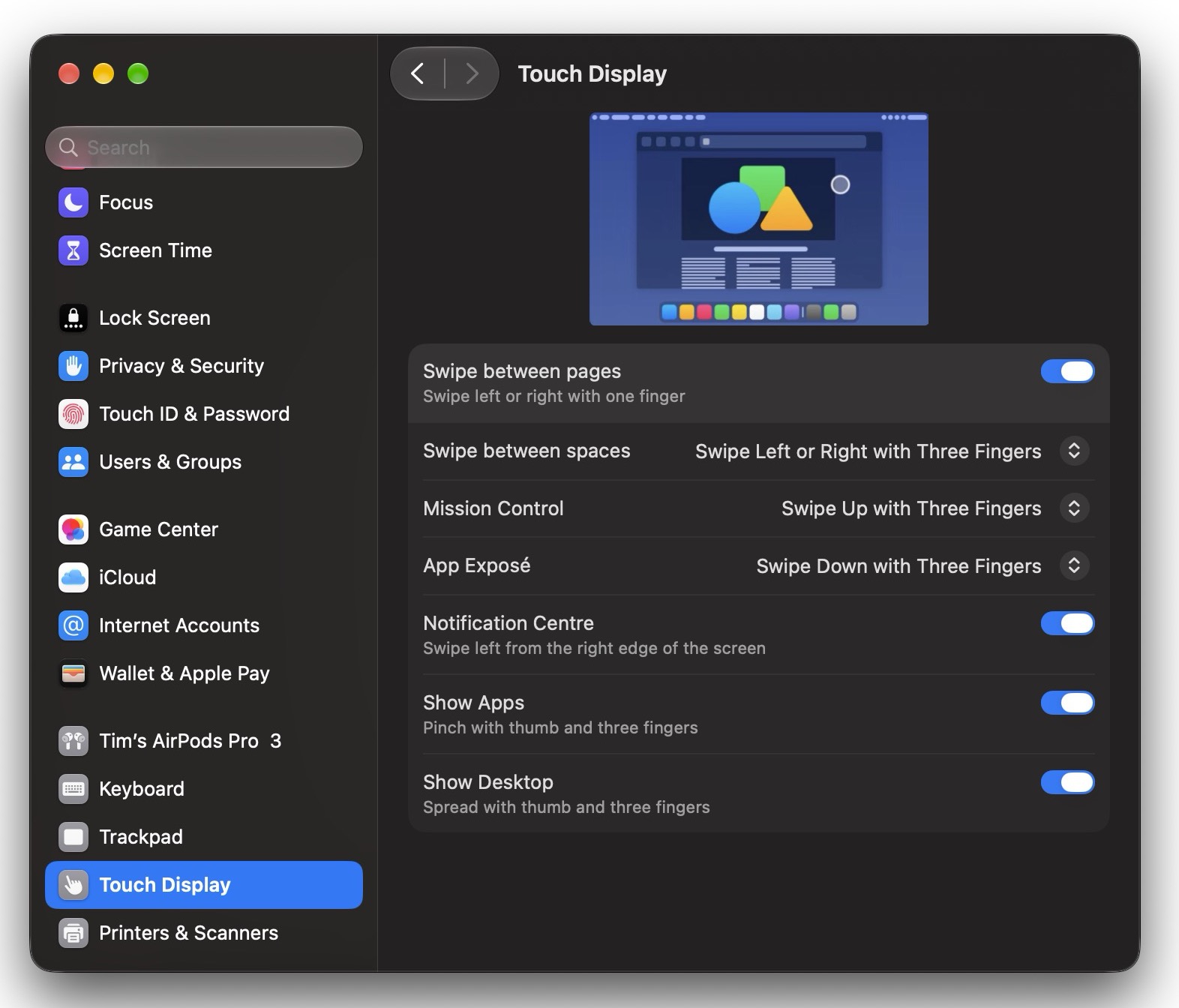
If some gestures prove useful but others keep being triggered by accident, you can adjust them individually instead of disabling touch altogether. In System Settings, select Touch Display in the sidebar, where each gesture can be switched off, and Swipe between spaces, Mission Control, and App Exposé also have pop-up menus for changing how the gesture is performed.

settings
Don't overlook the fact that the Accessibility ➝ Touch screen (where "Ignore Touch Gestures" lives) offers further customization options. Touch Accommodations changes how the screen responds to taps, swipes, and touch-and-hold input. AssistiveTouch can also be found on this settings menu if you want alternative ways to control the screen, and the Accessibility ➝ Zoom menu includes an option to zoom using the touch display or Sidecar.


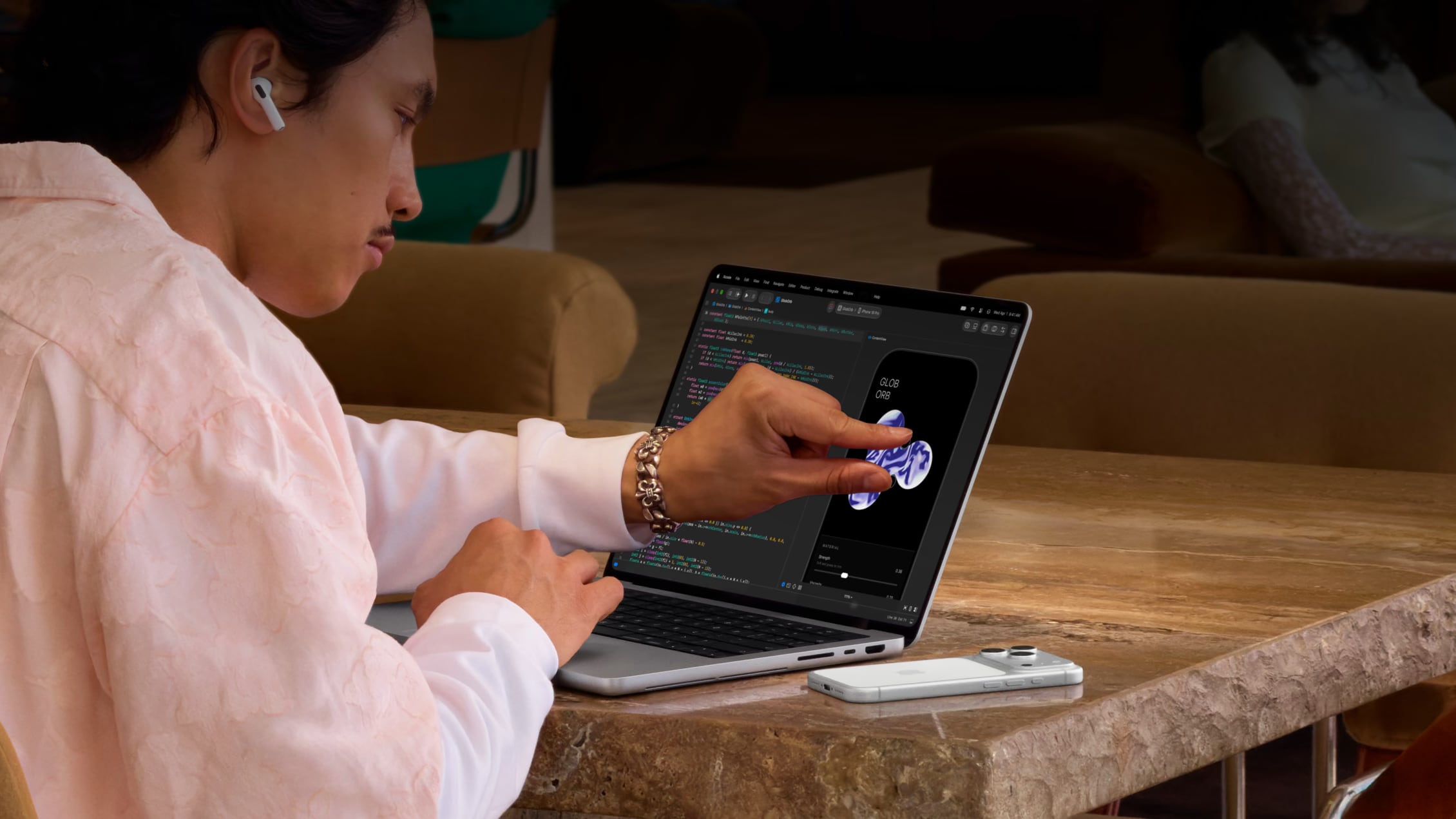
Whatever you think about touch on a Mac, one group with a genuine reason to leave it on is app developers. Xcode's iOS Simulator responds to direct touch, so you can test your app's taps, swipes, and pinches right on the screen instead of approximating them with a trackpad and keyboard modifiers.
Related Roundup: MacBook Pro
Tag: Sidecar
Buyer's Guide: MacBook Pro (Buy Now)
Related Forum: MacBook Pro

This article, "Disable Touch on MacBook Pro PROLED XDR and When Using Sidecar" first appeared on MacRumors.com

Discuss this article in our forums

  •  

Apple Maps Could Factor Parking Into Your Arrival Time

Apple may be working on a way for Maps arrival estimates that account for parking as well as the walk to your destination, according to findings shared by code explorer pdfu. A new "TimeToPark" flag in the iOS 27.3 beta apparently allows the system to measure time spent near a destination before parking, plus walking time afterwards.

The measurements use background location and motion data, with results saved per trip and grouped by weekday and hour. However, pdfu says the feature can only be enabled on internal installations, and no Maps feature uses the data yet. In other words, watch this space – parking-aware ETAs could yet become a thing.
This article, "Apple Maps Could Factor Parking Into Your Arrival Time" first appeared on MacRumors.com

Discuss this article in our forums
  •  
❌