❌

Lese-Ansicht

Singapore Saved Apple $2.7 Billion in Taxes This Year

Apple paid more income tax in Ireland than in Singapore in fiscal 2026, but it saved more in Singapore.


Apple's annual report shows that the company paid $4.96 billion in cash income taxes in Ireland and $3.25 billion in Singapore. Against the 21% U.S. federal corporate tax rate, Singapore lowered Apple's tax expense by $2.67 billion, about $100 million more than Ireland did.

Singapore's lower tax rate and incentives would have saved Apple $5.49 billion before other taxes and adjustments. A $2.51 billion top-up tax erased nearly half of that initial saving. Singapore introduced the tax to bring the effective tax rate for qualifying large multinationals up to 15%.

Fiscal 2026 was the first year Apple disclosed these figures by country in its annual report under new U.S. accounting rules. Apple reported a combined figure for its foreign subsidiaries in fiscal 2025 and 2024, so those years offer no direct comparison between Singapore and Ireland.

The Financial Times estimated that Apple booked up to $50 billion in pretax profit in Singapore in 2026. Apple's Singapore subsidiaries reported nearly $40 billion a year earlier.

Apple can earn a profit in one country even when the customer is in another. Its Singapore business sells products and services to other Apple companies overseas, so it can earn part of the profit before a product reaches the customer. In Ireland, an Apple subsidiary handles sales in several markets. Profits those businesses earn can qualify for lower taxes under local rules.
This article, "Singapore Saved Apple $2.7 Billion in Taxes This Year" first appeared on MacRumors.com

Discuss this article in our forums

  •  

Leaker Envisions a Shorter iPhone With a New iOS Layout

A future iPhone could keep its current width while becoming shorter, with iOS preserving room for content by moving some controls into the status bar, in a theory shared by the Weibo leaker known as "Instant Digital."


Instant Digital imagines Apple shortening a non-folding iPhone once its display has only a single camera cutout or the front-facing camera moves entirely beneath the screen. Taking roughly a status bar's worth of height off the display would bring its aspect ratio from around 19.5:9 to closer to 18:9, apparently making the phone easier to hold and use with one hand.

Controls that currently sit below the status bar could share a row with the time and system indicators. Instant Digital's idea is that combining the two rows would let the shorter display show the same amount of information. The leaker described the layout and proportions as personal speculation.

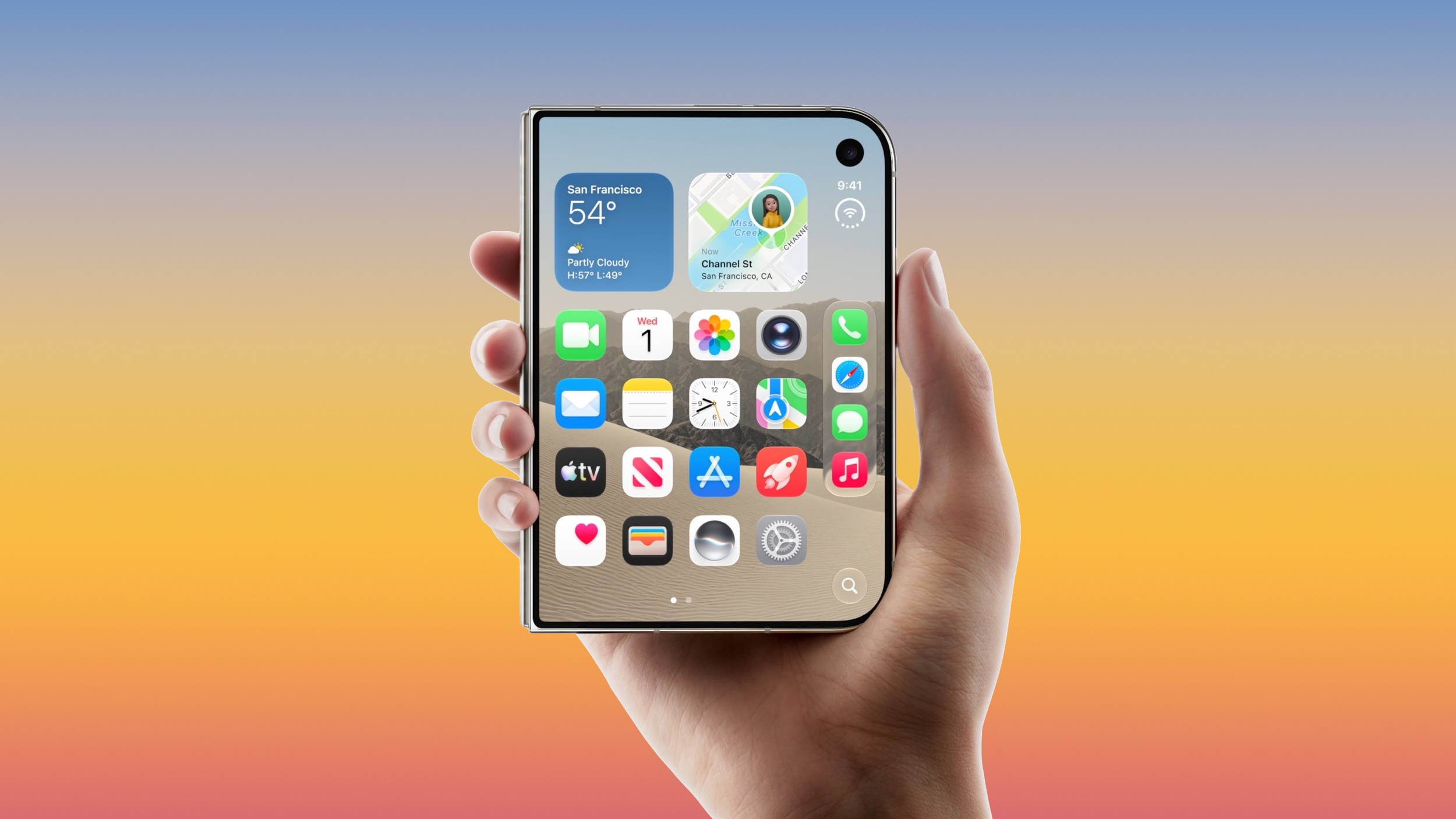
Apple has already changed how iOS uses the space at the top of the screen with the iPhone 18 Pro and iPhone Duo. The ‌iPhone 18 Pro‌'s smaller Dynamic Island supports up to three simultaneous Live Activities, up from two on earlier models. On the ‌iPhone Duo‌, iOS fits a compact status bar into the corner and positions the Dynamic Island vertically along the side of the outer display.

The timing of a cutout-free display on the iPhone remains uncertain. The leaker "Digital Chat Station" has said Apple is testing under-display camera technology and has described an intermediate design with a visible hole for the front-facing camera, similar to the ‌iPhone Duo‌.

In a follow-up post on Weibo, another user said they expect iPhones to retain a camera cutout and a 19.5:9 aspect ratio in both 2027 and 2028. Instant Digital replied that some sources say the cutout could disappear in 2028. Display analyst Ross Young has separately said he expects the 2028 iPhone Pro models to retain a centered camera cutout.

In a separate post, Instant Digital said they had a growing hunch that iOS would change substantially after the 20th-anniversary iPhone launches in 2027. They expect changes to how users interact with the software as well as how it looks.

Bloomberg's Mark Gurman reported that the anniversary iPhone will have curved glass and thinner bezels in the biggest overhaul to the Pro line since the iPhone X. Digital Chat Station has also said Apple was testing a roughly 7-inch display for the largest anniversary model with the same aspect ratio as the iPhone 17 Pro Max.

The iPhone X offers a precedent for a hardware redesign changing how people use iOS. When Apple removed the Home button in 2017, iOS 11 introduced swipe-up navigation on the iPhone X.
This article, "Leaker Envisions a Shorter iPhone With a New iOS Layout" first appeared on MacRumors.com

Discuss this article in our forums

  •  

iPhone 18e Could Feature Bigger Display and Battery

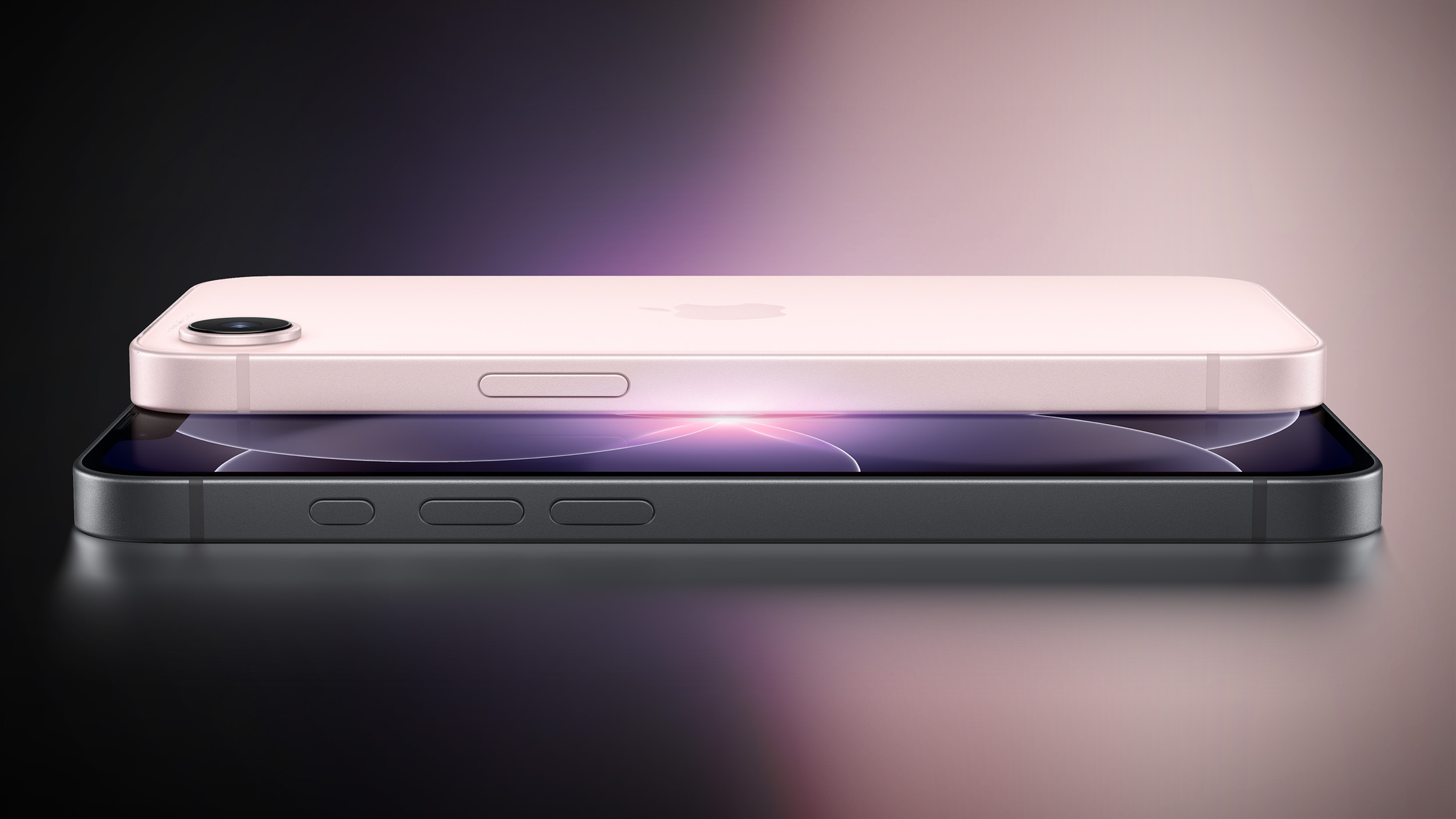
Apple's standard iPhone 18 and the lower-cost iPhone 18e will both feature 6.3-inch displays and use the same battery, according to the leaker known as "Fixed Focus Digital."


In a new post on Weibo, the leaker shared an annotated, side-by-side diagram of the phones' purported internals, labeled "Taycan" for the ‌iPhone 18‌ and "Nevera" for the iPhone 18e. Fixed Focus Digital said the diagram was already circulating online and broadly matched what their sources had told them. They pointed to the battery as an example of the interchangeable parts they had previously described.

The diagram's annotations list a 4,430 mAh battery for both models. That would be an increase of about 21% from 3,671 mAh for the standard ‌iPhone 18‌ and about 11% from 4,005 mAh for the iPhone 18e. The notes attribute the extra room in the standard model to changes to the bottom speaker and haptic engine. The diagram also shows two rear cameras on the standard ‌iPhone 18‌, including an Ultra Wide camera, and a single rear camera on the iPhone 18e, just like previous models.

A 6.3-inch display would be a noticeable step up from the 6.1-inch screen on the iPhone 17e. Fellow Weibo leaker "Digital Chat Station" previously claimed the iPhone 18e would retain a 6.12-inch OLED display at 60Hz, along with a single 48-megapixel rear camera and a potential upgrade to the front-facing camera. The same source expects the standard iPhone 18 to retain its 6.3-inch display with a refresh rate of up to 120Hz, along with a larger battery.

In an earlier post, Fixed Focus Digital said a new chip was the only iPhone 18e upgrade they could confirm at the time and suggested the two models would share some manufacturing processes.

Digital Chat Station expects the iPhone 18e to contain Apple's 2nm A20 chip, up from the 3nm A19 in the ‌iPhone 17e‌. Analyst Ming-Chi Kuo has said Apple's lower-end spring 2027 iPhones will pair the A20 chip with 9GB of RAM, up from 8GB. Both models are also rumored to get Apple's C2 modem, which would replace the Snapdragon X80 in the iPhone 17 and the C1X in the ‌iPhone 17e‌.

The iPhone 18e is expected to launch in spring 2027 alongside the standard ‌iPhone 18‌ and second-generation iPhone Air. The ‌iPhone 17e‌ launched at $599 with 256GB of storage, and it is unclear if it will get a price increase like other iPhone models.
Related Roundups: iPhone 17e, iPhone 18
Buyer's Guide: iPhone 17e (Caution)
Related Forum: iPhone

This article, "iPhone 18e Could Feature Bigger Display and Battery" first appeared on MacRumors.com

Discuss this article in our forums

  •  

The MacRumors Show: iOS 27.3 Looks Like a Huge Update

Apple's first 27.3 betas bring expanded Siri AI actions, a redesigned Health app, and new Fitness+ features, alongside conversation summaries on the Apple Watch. This week's episode of The MacRumors Show takes a closer look at the updates.

Subscribe to The MacRumors Show YouTube channel for more videos

‌Siri‌ AI gains additional actions across Apple's apps, including unsubscribing from mailing lists, organizing files, and managing Safari tabs. In Weather, ‌Siri‌ can add saved locations and toggle severe weather or next-hour precipitation notifications. The additions extend the assistant's usefulness for everyday tasks, although the full range of supported requests can still be difficult to discover.

A new developer preview also enables more flexible third-party integrations. Developers can supply custom actions and skills that help ‌Siri‌ coordinate multiple steps, improving its handling of more complicated requests. App Store submissions for these integrations are scheduled to open in the spring.

Safari adds vertical tabs and Adaptive Dark Mode, allowing websites without their own dark appearance to adopt one automatically. The iPhone Duo also gains horizontal Reachability and a revised keyboard, making its wider outer display easier to operate with one hand.

Apple Fitness+ gains Gym Strength, which creates personalized four-week plans based on available equipment and workout preferences. Short videos from Fitness+ trainers demonstrate proper form, extending the service beyond workouts that require following an entire video session. The initial beta's equipment selection and scheduling options nevertheless leave room for improvement, particularly for users whose routines vary from week to week.

The redesigned Health app returns with Insights and Longevity sections, turning collected measurements into more accessible guidance and longer-term health assessments. iPhone Duo-style StandBy mode displays bring more customizable clocks, Calendar views, and Weather information to additional iPhones. Apple Music also gains enhanced transitions, concert recommendations, and Selfie Sing karaoke videos.

On the Apple Watch, Live Rewind and Siri Recap introduce new ways to recover and summarize spoken information. Live Rewind provides a transcription of the preceding 15 seconds, while ‌Siri‌ Recap creates detailed conversation summaries that can be useful for meeting notes. Time- and location-based scheduling provides more control over when ‌Siri‌ Recap operates.

The MacRumors Show has its own YouTube channel, so make sure you're subscribed to keep up with new episodes and clips.

You can also listen to ‌The MacRumors Show‌ on Apple Podcasts, Spotify, Overcast, or other podcast apps. You can also copy our RSS feed directly into your player.


If you haven't already listened to the previous episode of The MacRumors Show, catch up to hear our discussion about Apple's newly announced OLED MacBook Pro, the iPad mini with A20 Pro, and M6 versions of the iMac and entry-level 14-inch ‌MacBook Pro‌.

Subscribe to ‌The MacRumors Show‌ for new episodes every week, where we discuss some of the topical news breaking here on MacRumors, often joined by familiar guests such as Tyler Stalman, Michael Fisher, Kayci Lacob, Kevin Nether, John Gruber, Mark Gurman, Jon Prosser, Luke Miani, Matthew Cassinelli, Brian Tong, Quinn Nelson, Jared Nelson, Eli Hodapp, Mike Bell, Sara Dietschy, iJustine, Jon Rettinger, Andru Edwards, Arnold Kim, Ben Sullins, Marcus Kane, Christopher Lawley, Frank McShan, David Lewis, Sam Kohl, Federico Viticci, Thomas Frank, Jonathan Morrison, Ross Young, Ian Zelbo, and Rene Ritchie.

‌The MacRumors Show‌ is on X @MacRumorsShow, so be sure to give us a follow to keep up with the podcast. You can also email us at podcast@macrumors.com or head over to The MacRumors Show forum thread. Remember to rate and review the podcast, and let us know what subjects and guests you would like to see in the future.
Related Roundups: iOS 27, iPadOS 27
Related Forum: iOS 27

This article, "The MacRumors Show: iOS 27.3 Looks Like a Huge Update" first appeared on MacRumors.com

Discuss this article in our forums

  •  

Apple Rumored to Drop the iPhone's Action Button Next Year

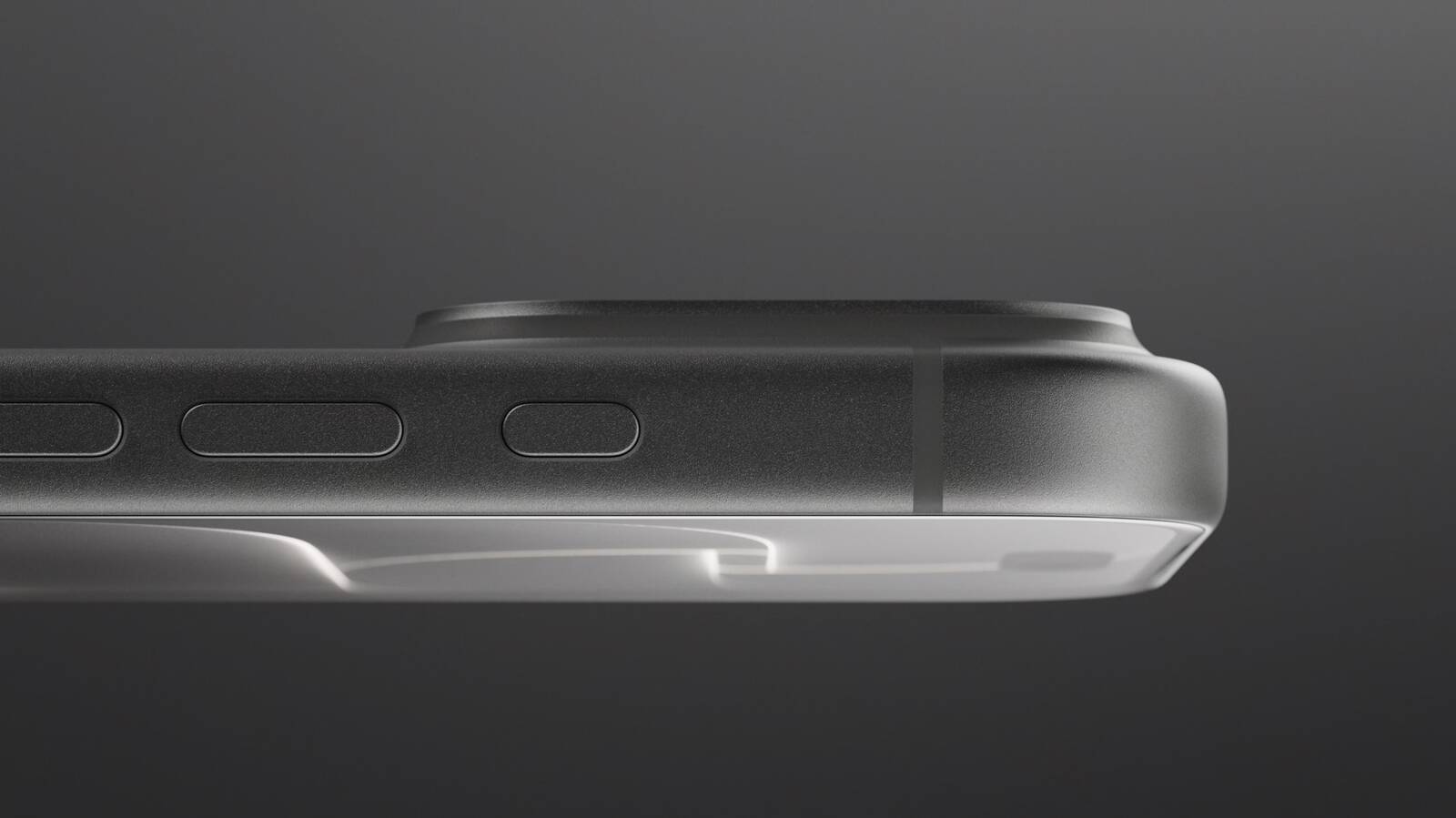
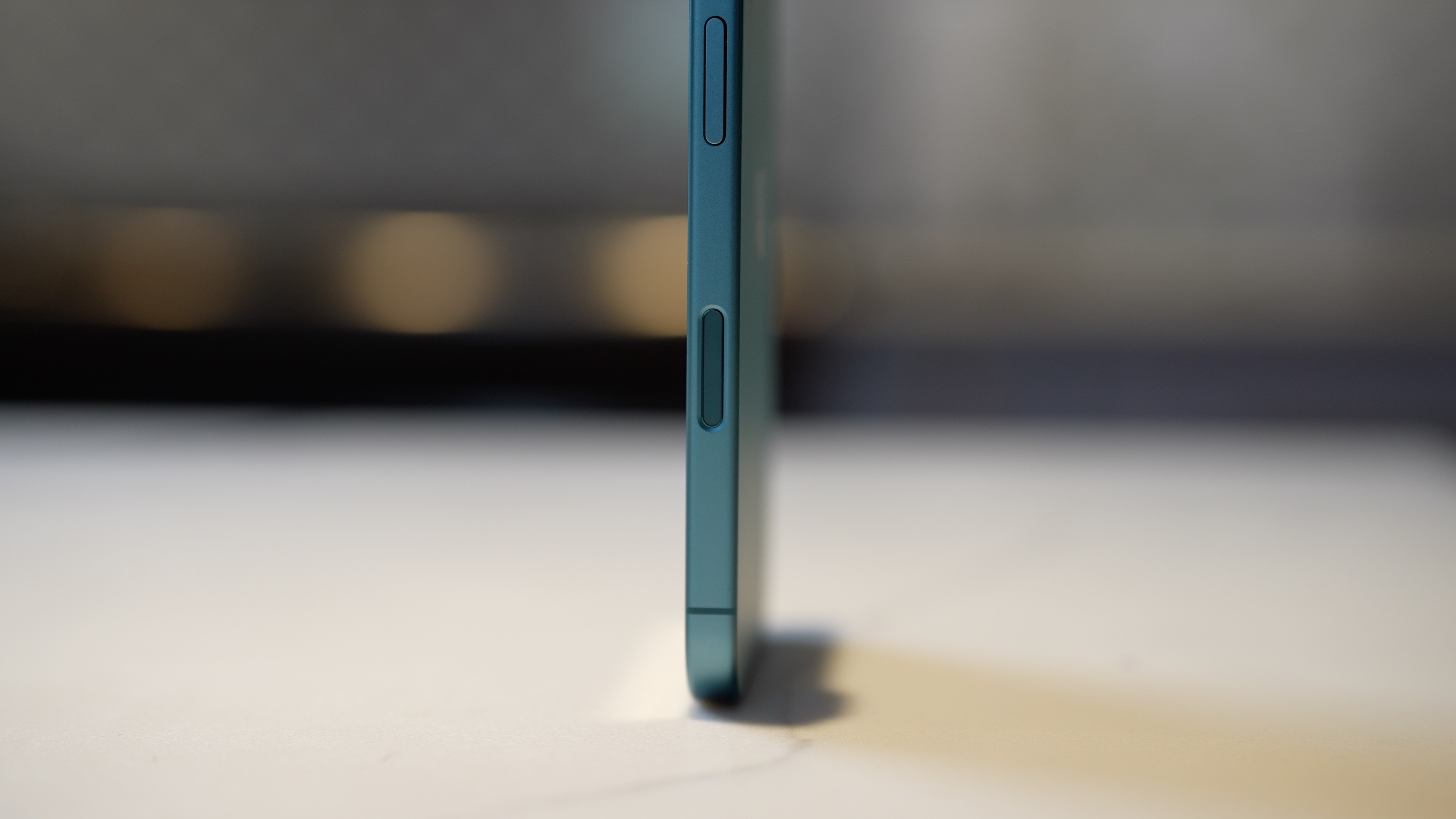
Apple plans to merge the iPhone's Action button with the Camera Control starting next year, according to the leaker known as "Instant Digital."


In a new post on Weibo, the leaker claimed that a single press of the combined button would open the camera, while a long press would trigger the function assigned to the Action button. They explicitly clarified that the dedicated Action button would disappear, while the Camera Control button would remain.

The proposed arrangement seems plausible given how the two features already work. The Action button predates the Camera Control and requires a long press to activate its assigned function, while a single press of the Camera Control opens the camera. Combining them in the way described would therefore preserve both familiar interactions, with the customizable action simply moving to a different location on the device.

A long press of Camera Control currently opens Visual Intelligence, but that feature has since been integrated directly into the Camera app as Siri mode in iOS 27. That integration could give Apple room to reassign the gesture while keeping Visual Intelligence accessible through the Camera app.


It is notable that the iPhone Duo also lacks an Action button, despite retaining Camera Control. Its omission provides a precedent for an iPhone without the separate control and could hint at a broader change in the future.

The Camera Control received a mixed reception when it debuted on the iPhone 16, with some reviewers criticizing its usefulness, complexity, and ergonomics, making further refinement seem plausible. Combining it with the Action button could give the control a clearer sense of purpose. Removing a separate button could also simplify manufacturing and reduce the potential for users to confuse the Action button with the adjacent volume buttons.

Apple was previously rumored to be working on a simplified Camera Control design for the iPhone 18 lineup, but that change did not materialize. Instant Digital claimed Apple would remove the capacitive sensing layer and rely on pressure sensing to reduce costs while retaining its functions.

The ‌iPhone 16‌'s Camera Control button.


The latest rumor raises the possibility that a redesign is still in development, potentially as part of a broader rethink that incorporates the Action button's functionality, although it remains unclear whether the two claims describe related plans.

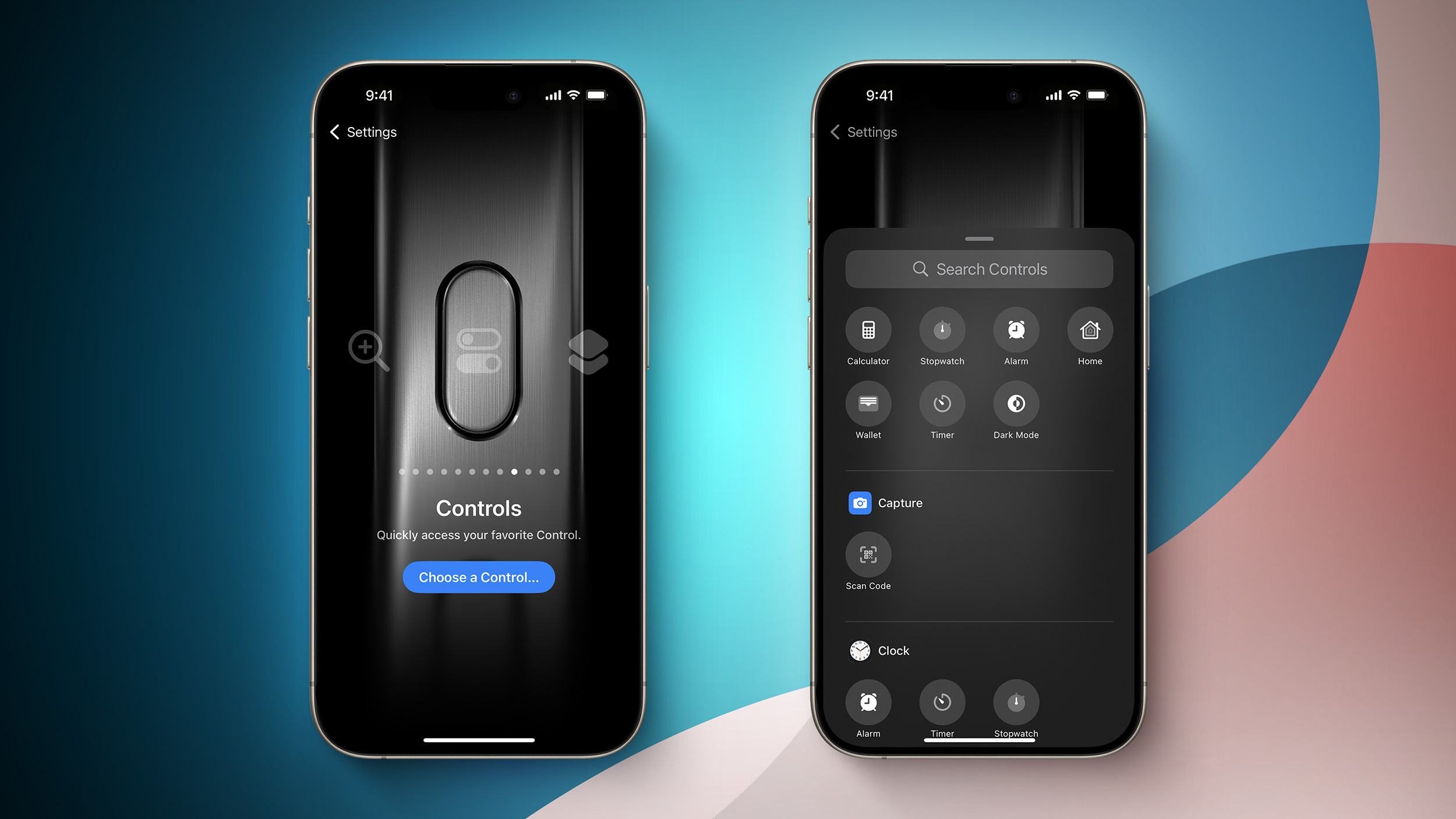
Apple introduced the Action button on the iPhone 15 Pro in 2023 as a replacement for the longstanding Ring/Silent switch. It can be assigned to functions such as Silent mode, Focus, the flashlight, Shortcuts, and more. The rumored combined control would retain a dedicated way to trigger those actions while reducing the number of physical buttons.

Instant Digital said that the change will take place starting with new iPhone models released in the second half of 2027. The claimed timing would presumably coincide with the launch of Apple's 20th-anniversary iPhone models in the fall of next year. Apple's naming plans remain unclear, so the devices could be called the "iPhone 19 Pro," "iPhone 20 Pro," or something else.
This article, "Apple Rumored to Drop the iPhone's Action Button Next Year" first appeared on MacRumors.com

Discuss this article in our forums

  •  

Apple Music Classical Updated With New Icon and Refreshed Design

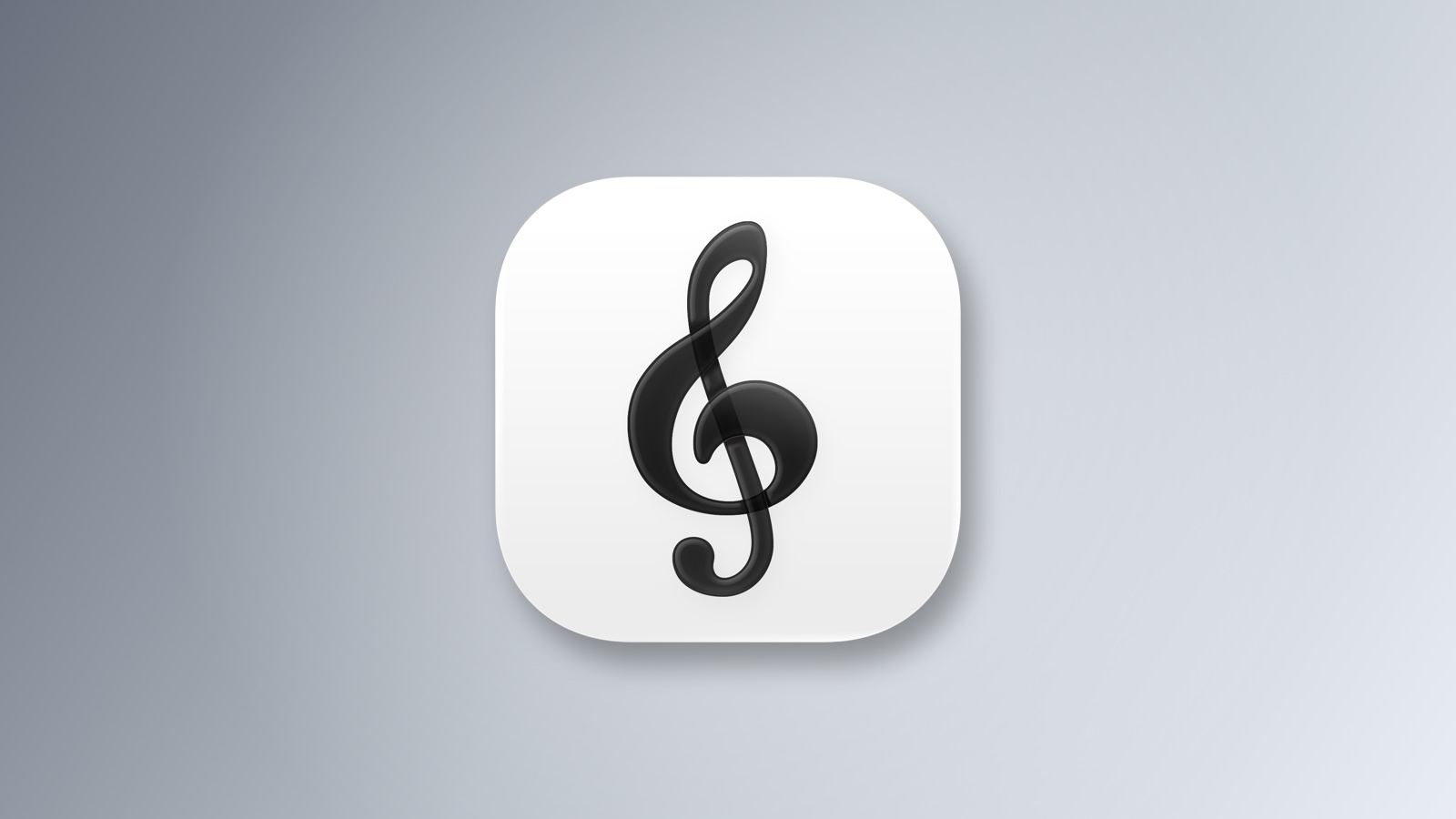
Apple today released Apple Music Classical version 4.1, with a new black-and-white app icon and an updated interface.


The redesigned icon retains the app's treble clef, but now rendered in shaded black against a white background. The change brings ‌Apple Music‌ Classical in line with ‌Apple Music‌'s new visual identity, which Apple introduced last month, replacing its familiar red branding with a monochrome appearance.

The new version of the app also features blue accents for selected tabs, playback buttons, and links, instead of the previous red ones. Apple has not detailed the visual changes in its release notes, which state only that the update contains "stability and performance enhancements."

‌Apple Music‌ Classical is included with ‌Apple Music‌ subscriptions at no additional cost. The app offers search tailored to classical recordings, composer biographies, album booklets, time-synced listening guides, and curated stations.

Version 4.1 is available now on the App Store for the iPhone and iPad, requiring iOS 18 or iPadOS 18 or later.
This article, "Apple Music Classical Updated With New Icon and Refreshed Design" first appeared on MacRumors.com

Discuss this article in our forums

  •  

iPad Mini vs. iPad Air Buyer's Guide: Now Just $50 Apart

Apple refreshed both the iPad mini and iPad Air this year, but the choice is now less straightforward and there is just a $50 price difference between them, so which should you choose?
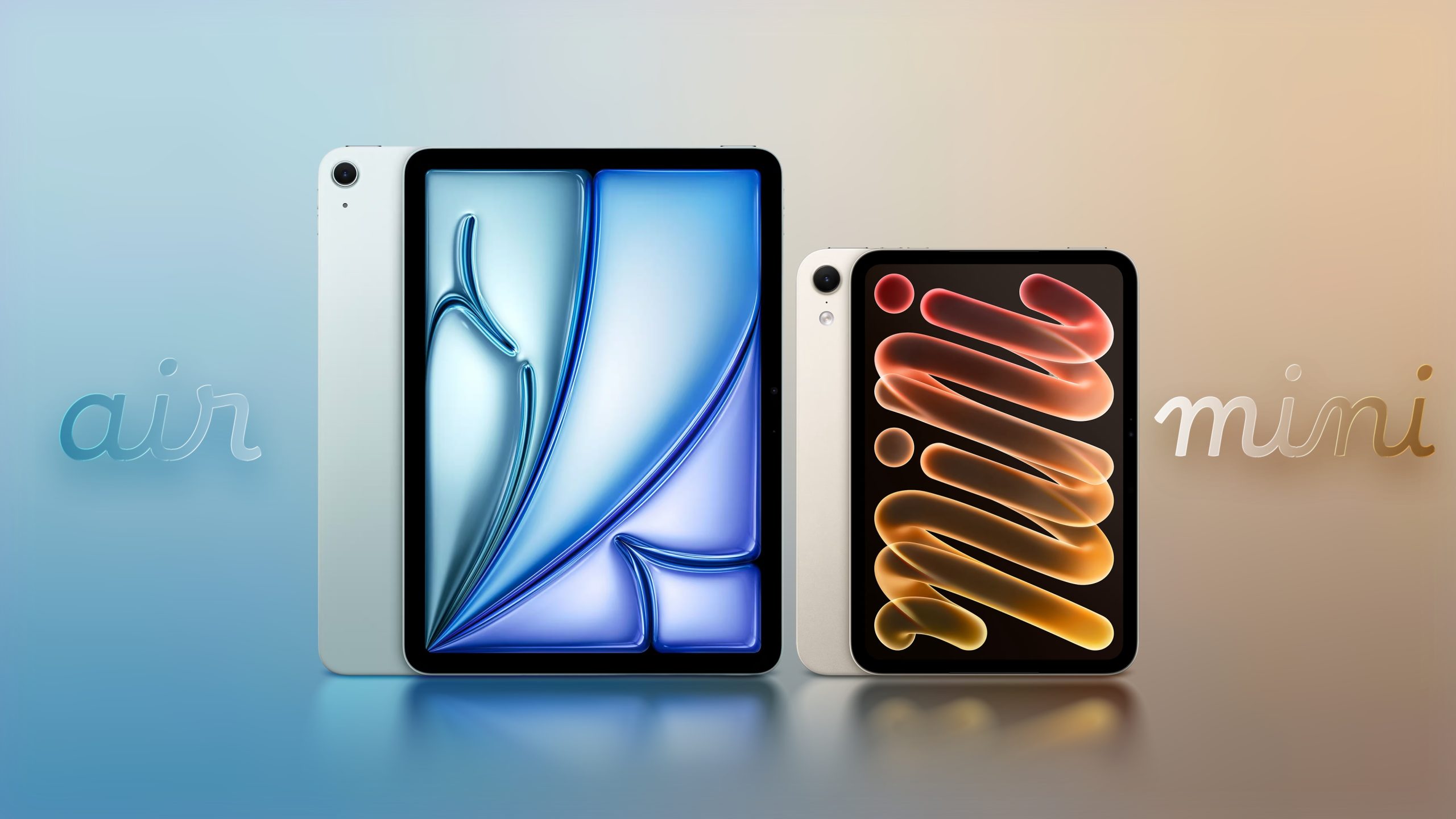

The eighth-generation ‌iPad Air‌ arrived in March with the M4 chip, 12GB of unified memory, Apple's N1 wireless chip, and the C1X modem on cellular models. It remains available in 11-inch and 13-inch sizes. Following Apple's June price increases, the two size options now start at $749 and $949, respectively.

In October, Apple announced the eighth-generation ‌iPad mini‌, introducing a larger 8.5-inch display with OLED technology, a thinner and lighter design, the A20 chip, an optional nano-texture finish, a landscape front camera, and more. The changes give Apple's smallest tablet several advantages over the ‌iPad Air‌, even as the Air retains a larger screen and support for Apple's Magic Keyboard.

Both devices offer Touch ID in the top button, Apple Pencil Pro and ‌Apple Pencil‌ (USB-C) support, ‌Apple Pencil‌ hover, landscape 12MP Center Stage front cameras with ƒ/2.0 apertures, Apple's N1 wireless chip, Wi-Fi 7, Bluetooth 6, Thread networking technology, and USB-C ports with transfer speeds of up to 10Gb/s. The new ‌iPad mini‌ also features 12GB of unified memory, matching the Air. Advertised battery life is the same, with up to 10 hours of web browsing over Wi-Fi or watching video, or up to nine hours of web browsing over cellular. Despite the ‌iPad mini‌'s move to ‌OLED‌, neither model offers ProMotion.

Our guide helps to answer the question of how to decide which of these two iPads is best for you.


‌iPad mini‌ (eighth generation, 2026) ‌iPad Air‌ (eighth generation, 2026)
8.5-inch display 11-inch or 13-inch display
2316-by-1512 resolution 11-inch: 2360-by-1640 resolution
13-inch: 2732-by-2048 resolution
326 ppi 264 ppi
Super Retina XDR ‌OLED‌ display with 2,000,000:1 contrast ratio Liquid Retina display with LED backlighting and IPS technology
600 nits maximum SDR and full-screen HDR brightness; 1,200 nits peak HDR brightness and 1 nit minimum brightness 11-inch: 500 nits maximum SDR brightness
13-inch: 600 nits maximum SDR brightness
Optional nano-texture display glass on 256GB and 512GB models for an additional $100, supplied with a polishing cloth
A20 Pro chip M4 chip
128GB and 256GB: 5-core CPU with 2 super cores and 3 efficiency cores
512GB: 6-core CPU with 2 super cores and 4 efficiency cores
8-core CPU with 3 performance cores and 5 efficiency cores
7-core GPU with dedicated Neural Accelerators 9-core GPU
128GB and 256GB: 16-core Neural Engine
512GB: Dual 16-core Neural Engine, totaling 32 cores
16-core Neural Engine
115.2 GB/s memory bandwidth 120 GB/s memory bandwidth
Volume buttons on top Volume buttons on right side
Acoustic Display audio system with display-coupled woofers and concealed tweeters Landscape stereo speakers
IP67 water and dust resistance, rated for a maximum depth of 1 meter for up to 30 minutes
Adaptive True Tone rear flash
Apple C2 modem (cellular models) Apple C1X modem (cellular models)
U.S. cellular model (A3596) supports LTE band 106 U.S. cellular models (A3460) and (A3462) do not support LTE band 106
UMTS/HSPA/HSPA+ cellular support UMTS/HSPA/HSPA+/DC-HSDPA cellular support
Supports one external display at up to 4K resolution at 60Hz, with extended external display mode Supports one external display at up to 6K resolution at 60Hz, with extended external display mode
Compatible with Bluetooth keyboards Smart Connector for compatible keyboard accessories, including Apple's Magic Keyboard
18.9Wh battery 11-inch: 28.93Wh battery
13-inch: 36.59Wh battery
Fast charging up to 50% in around 30 minutes with a 35W or higher USB-C power adapter
128GB, 256GB, or 512GB of storage 128GB, 256GB, 512GB, or 1TB of storage
Available in Midnight and Starlight Available in Space Gray, Starlight, Purple, and Blue
Starts at $699 (Wi-Fi) or $849 (Wi-Fi + Cellular) 11-inch: Starts at $749 (Wi-Fi) or $899 (Wi-Fi + Cellular)
13-inch: Starts at $949 (Wi-Fi) or $1,099 (Wi-Fi + Cellular)


Beyond their features, the physical differences between the two devices are substantial. The ‌iPad mini‌ is thinner and weighs almost half as much as the 11-inch ‌iPad Air‌, making it easier to hold for extended periods and carry in a small bag. The ‌iPad Air‌'s larger dimensions accommodate a more spacious display, but even the smaller model represents a noticeable step up in size and weight:


‌iPad mini‌ 11-inch ‌iPad Air‌ 13-inch ‌iPad Air‌
Height 7.69 inches (195.3 mm) 9.74 inches (247.6 mm) 11.04 inches (280.6 mm)
Width 5.22 inches (132.6 mm) 7.02 inches (178.5 mm) 8.46 inches (214.9 mm)
Thickness 0.21 inch (5.4 mm) 0.24 inch (6.1 mm) 0.24 inch (6.1 mm)
Weight (Wi-Fi) 0.56 pound (255 grams) 1.02 pounds (464 grams) 1.36 pounds (616 grams)
Weight (Wi-Fi + Cellular) 0.58 pound (263 grams) 1.03 pounds (465 grams) 1.36 pounds (617 grams)


The latest ‌iPad mini‌ changes the balance between these two devices. The ‌iPad Air‌ retains the core design introduced in 2020, while the ‌iPad mini‌ has just received a substantial redesign with an ‌OLED‌ display, a thinner and lighter enclosure, and several features unavailable on the Air. With the mini also costing $50 less, the current ‌iPad Air‌ is harder to recommend unless you specifically need its larger workspace and keyboard support and cannot wait for its successor.

For most buyers looking for a handheld tablet to complement a laptop or desktop computer, the ‌iPad mini‌ is now the more compelling choice. Its portability advantage is substantial: the Wi-Fi model weighs 255 grams, compared with 464 grams for the 11-inch Air, and its smaller footprint makes it much easier to hold and carry. Combined with its ‌OLED‌ display, water and dust resistance, and fast charging, this makes it particularly well suited to reading, watching videos, playing handheld games, and taking notes on the go.

The ‌iPad Air‌ remains the better choice for productivity. Even the 11-inch model provides considerably more screen space for documents, drawing, and working across multiple apps. Support for Apple's Magic Keyboard makes the ‌iPad Air‌ a much more practical potential laptop replacement. The ‌iPad mini‌ has ample processing power for many of the same tasks and supports Bluetooth keyboards, but its smaller display and lack of an equivalent integrated keyboard accessory make it less suitable as a productivity device.

These are meaningful reasons to choose the ‌iPad Air‌ if you need a tablet immediately. The 11-inch model's $50 premium buys a larger workspace and keyboard support, although the Magic Keyboard costs extra and whether the combination can replace your laptop depends on your apps and workflows being supported by iPadOS. Its older design does not diminish that clear utility, but buying one now means accepting an LCD display and missing several of the ‌iPad mini‌'s newer features.

The 13-inch ‌iPad Air‌ provides the clearest distinction from the ‌iPad mini‌, with substantially more room for side-by-side documents, drawing, and multitasking. Its $250 premium over the base ‌iPad mini‌ is worth considering if you regularly need that added display area, although its larger dimensions and weight make it much less convenient for handheld use. The 11-inch Air offers a more portable balance for switching between tablet and keyboard use, but neither approaches the ‌iPad mini‌'s ease of carrying and holding.

For prospective ‌iPad Air‌ buyers who do not need a new device immediately, we recommend waiting. A new ‌iPad Air‌ with an ‌OLED‌ display is expected in the first half of 2027. This would address one of the current ‌iPad Air‌'s most significant disadvantages compared with the ‌iPad mini‌, likely along with other new features to bring it up to par. With the ‌iPad mini‌ newly refreshed and a consequential ‌iPad Air‌ update expected in the not-too-distant future, postponing a nonessential ‌iPad Air‌ purchase is the more sensible choice.
Related Roundups: iPad Air , iPad mini
Related Forum: iPad

This article, "iPad Mini vs. iPad Air Buyer's Guide: Now Just $50 Apart" first appeared on MacRumors.com

Discuss this article in our forums

  •  

See Apple's Touchscreen MacBook Pro in Action

Apple enlisted British musician Labrinth to create a new song during an overnight livestream, demonstrating the new touchscreen MacBook Pro and Logic Pro at Apple Tower Theatre in downtown Los Angeles.


The session, titled "Labrinth Live on Mac," is now available to watch as a replay lasting almost four hours. It started on November 4 at 8 p.m. Pacific, or 11 p.m. Eastern, with Labrinth tasked with creating a song from scratch. He can be seen reaching onto the ‌MacBook Pro‌'s display to manipulate Logic Pro's mixer controls, with a multitrack arrangement visible onscreen. Viewers were invited to submit questions as he worked, and the finished song is due for release on Apple Music next week.

Apple initially teased the collaboration on TikTok with a white box bearing Labrinth's name and instructions to leave it unopened until November 4.

Music production was among the uses Apple demonstrated when it unveiled the new MacBook Pro last week. Logic Pro includes an onscreen keyboard, chord pads, and drum pads that musicians can play by touch, including playing multiple notes at once.

Labrinth is a singer, songwriter, and producer known for solo releases including "Jealous" and "Earthquake," as well as his music for HBO's "Euphoria." He also forms the group LSD with Sia and Diplo.

The ‌MacBook Pro‌ with PROLED XDR Display features a tandem OLED touchscreen and M5 Pro or M5 Max chips in 14-inch and 16-inch sizes. The machines launch on Friday, November 6, with U.S. prices starting at $2,899 for the 14-inch model and $3,399 for the 16-inch model.
Related Roundup: MacBook Pro
Buyer's Guide: MacBook Pro (Buy Now)
Related Forum: MacBook Pro

This article, "See Apple's Touchscreen MacBook Pro in Action" first appeared on MacRumors.com

Discuss this article in our forums

  •  
❌