
❌

Lese-Ansicht

Future Macs Could Get Brighter, Longer-Lasting OLED Displays in 2030

LG Display is developing a new way to make OLED screens with higher brightness, longer lifespans, and lower power consumption for future Macs, according to The Elec.
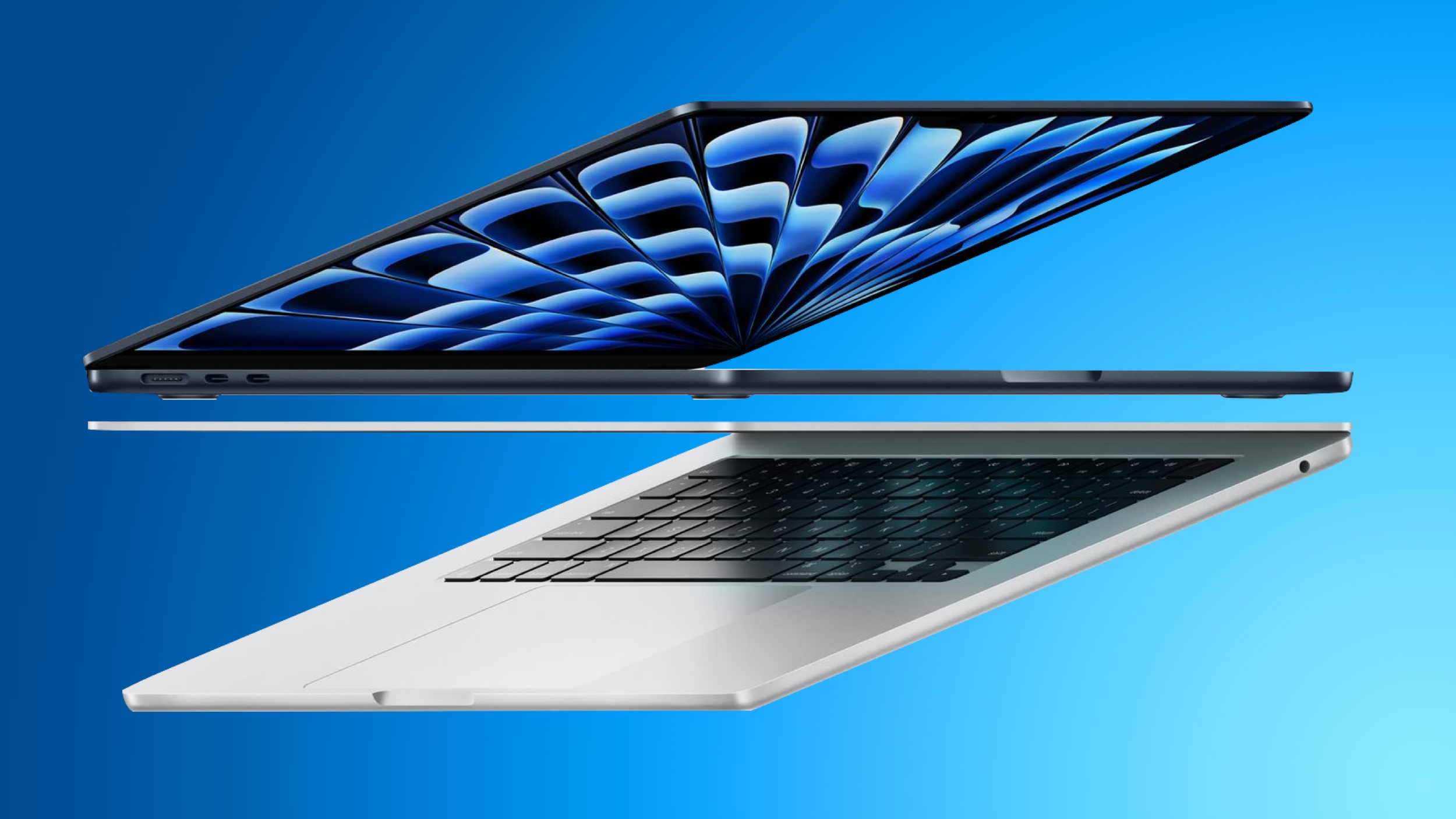

The technology, called "FLiPP," is reportedly being developed for potential use in Apple's MacBook Air and iMac in 2030. LG unveiled it in August, but the latest report identifies the Apple products it could eventually reach.

‌OLED‌ screens contain tiny pixels that produce their own light. LG's new process reduces the empty space between them, allowing more of the screen's surface to light up. LG says manufacturers could use that improvement to make screens 60% brighter, last 2.4 times as long, or consume 13% less power than ‌OLED‌ screens made using the conventional process.

Producing the displays could also become cheaper. FLiPP replaces the thin metal sheets normally used to arrange pixels, allowing LG to make more screens from each sheet of glass and waste less material.

Bloomberg's Mark Gurman said last month that Apple was still testing OLED displays for the ‌MacBook Air‌ and ‌iMac‌. However, The Elec also today reported that Apple could delay or cancel its ‌OLED‌ ‌iMac‌ because of costs and demand concerns, potentially affecting LG's plans.
Related Roundups: iMac, MacBook Air
Related Forums: iMac, MacBook Air

This article, "Future Macs Could Get Brighter, Longer-Lasting OLED Displays in 2030" first appeared on MacRumors.com

Discuss this article in our forums

  •  

Apple May Cancel OLED iMac

Apple is considering delaying or scrapping its planned iMac with an OLED display amid concerns about high panel costs and weaker-than-expected demand for ‌OLED‌ devices, according to The Elec.


Citing industry sources, the Korean publication says Apple is discussing changes to the ‌OLED‌ ‌iMac‌'s development schedule with Samsung Display. The company could put the project on hold altogether, although one industry official said the talks are currently focused on delaying it while Apple determines demand.

Previous reports pointed to a launch in 2029 or 2030. Apple has now reportedly asked LCD suppliers, including BOE, to develop panels for a new ‌iMac‌ expected around 2029, suggesting it could stick with LCD technology through the period originally planned for the ‌OLED‌ upgrade.

Cost is said to be the biggest obstacle. Apple sells fewer iMacs than other products like iPhones or MacBooks, making expensive ‌OLED‌ panels harder to justify without raising the computer's price. Rising memory costs are reportedly adding to the expense of bringing ‌OLED‌ to more of Apple's products.

Weak ‌OLED‌ iPad Pro demand is reportedly another factor. The 2024 models introduced brighter tandem ‌OLED‌ displays, but higher prices appear to have discouraged many buyers. By October that year, Apple had reportedly cut its shipments from as many as 10 million units to 6.7 million.

Samsung Display and LG Display are forecast to ship a combined 4.9 million ‌iPad Pro‌ ‌OLED‌ panels in 2026, down approximately 18% from six million in 2025. Samsung's shipments are expected to fall from 2.1 million to 1.5 million panels, while LG's are projected to drop from 3.9 million to 3.4 million.

The Elec suggests the review may also reflect Apple's change in leadership. Since John Ternus became CEO in September, Apple has reportedly been reassessing whether the benefits of expensive ‌OLED‌ panels justify their cost.

Apple purportedly first approached display suppliers about the ‌OLED‌ ‌iMac‌ in 2025, seeking a 24-inch panel with 600 nits of brightness and a pixel density of 218 pixels per inch.

Samsung Display is believed to have been developing a panel at roughly 220 pixels per inch for the device on its existing large-format quantum dot ‌OLED‌ production lines. The design uses five light-emitting layers to improve brightness and lifespan, and Samsung had planned to send Apple samples in the second half of 2026.

LG Display was working on a competing white ‌OLED‌ panel with five light-emitting layers, but development of its panel for the first ‌OLED‌ ‌iMac‌ has reportedly stopped.

Last month, Bloomberg's Mark Gurman said Apple was still testing OLED displays for the ‌iMac‌ and MacBook Air, without specifying when either model would make the switch.
Related Roundup: iMac
Tags: OLED, The Elec
Buyer's Guide: iMac (Buy Now)
Related Forum: iMac

This article, "Apple May Cancel OLED iMac" first appeared on MacRumors.com

Discuss this article in our forums
  •  

Apple Accused of Silencing iPhone Duo Supplier Over 'Crackgate' Issue

Apple allegedly pressured a component supplier to withdraw a public statement distancing itself from the display cracking issue affecting some iPhone Duo units, according to The Elec.


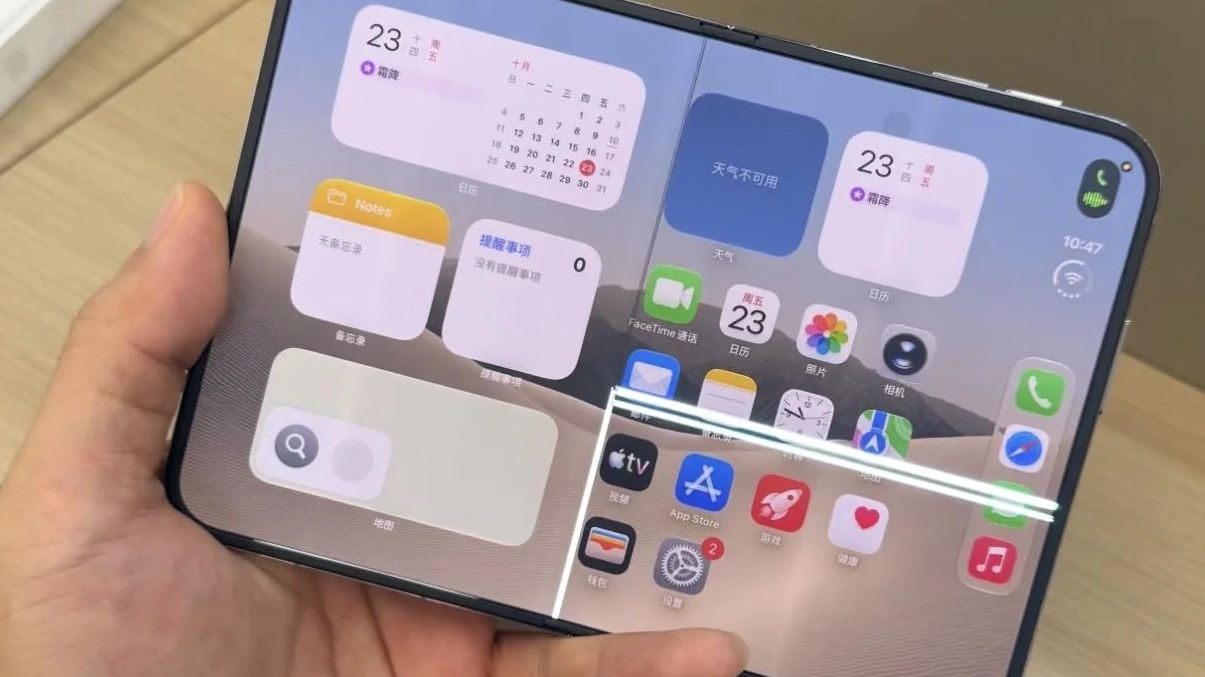
The allegation surrounds the little-known Fine M-Tec, which reportedly supplies internal metal plates supporting the iPhone Duo's folding screen. Last month, the Korean-based supplier published a statement denying that defects in its components were responsible for the reported display failures.

The Elec reports that Fine M-Tec posted "Our official position on the customer's new product quality issue" on its website on October 26. The statement read: "The quality issues that are known to have occurred in some products recently are not caused by quality defects in the parts we supply." Fine M-Tec said it published the statement to counter accusations associated with suspected short sellers. It also warned of possible legal action against those spreading unsubstantiated claims.

This statement, which did not outright name Apple or the iPhone Duo, appeared shortly after the first cases of hinge-related screen damage on Apple's first foldable began to emerge online.

By November 4, however, the statement had disappeared from Fine M-Tec's website. Shortly afterwards, Korean publication DealSite reported that its industry sources suggested the supplier had been pressured by Apple to remove it.

In an editorial published Tuesday, The Elec journalist Kim Geon said a Fine M-Tec representative had since contacted him requesting the removal of his earlier article about the withdrawn statement. According to the representative's account, Apple had objected to the supplier publicly denying responsibility for the failures.

Apple has acknowledged display cracking affecting a small number of iPhone Duo units and offered replacements, but the company hasn't offered a technical explanation for what is causing the issue. Meanwhile, Apple has not publicly commented on the allegation that it pressured a supplier into silence.
Related Roundup: iPhone Duo
Buyer's Guide: iPhone Duo (Buy Now)
Related Forum: iPhone

This article, "Apple Accused of Silencing iPhone Duo Supplier Over 'Crackgate' Issue" first appeared on MacRumors.com

Discuss this article in our forums

  •  
❌