❌

Lese-Ansicht

Apple Says HomeView Software Update Coming Next Month With Siri Fix

In her HomeView review shared in a free edition of her New Things newsletter today, tech journalist Joanna Stern said Siri AI once told her "I don't have a camera to see you," even though the device has a camera. Apple confirmed to Stern that it plans to release a software update in December with a fix for this issue.
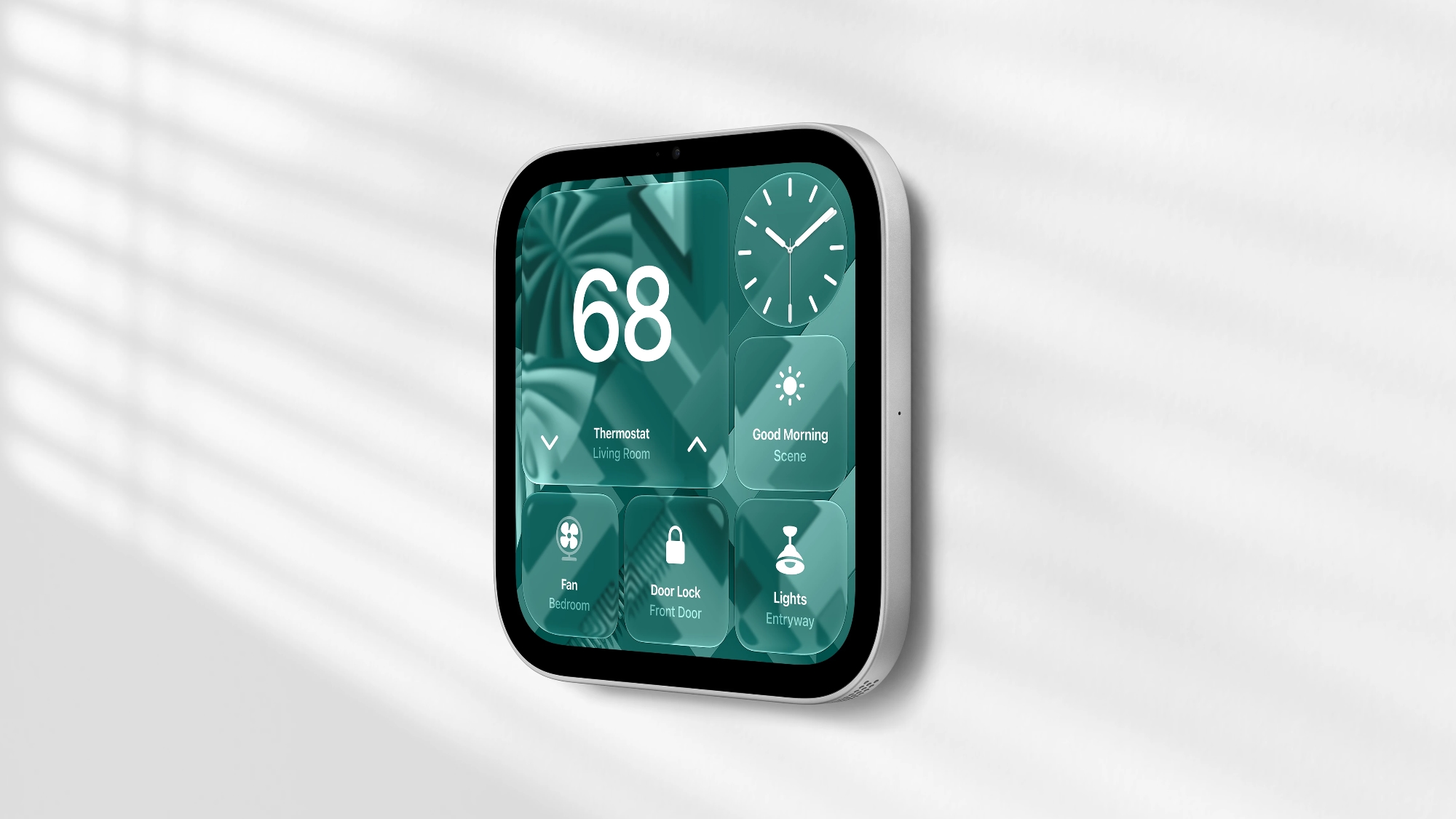

Siri AI also refused to open Stern's garage door or unlock her front door, even though the HomeView recognized her. Apple told her that the software update coming next month will enable this functionality. In the meantime, you can unlock door locks and garage doors by opening the Home app on the HomeView and tapping on-screen controls.


"Today users recognized by HomeView can unlock security accessories, including door locks and garage doors, directly on their HomeView screen," an Apple spokesperson told Stern. "With a software update next month, this will extend to Siri AI, giving users more ways to manage security accessories once they've been recognized."

HomeView launches this Friday, with U.S. pricing starting at $299. We also shared our own hands-on review video with our own impressions.
Related Roundup: Apple HomeView
Tags: Siri, Siri AI
Buyer's Guide: HomeView (Buy Now)

This article, "Apple Says HomeView Software Update Coming Next Month With Siri Fix" first appeared on MacRumors.com

Discuss this article in our forums
  •  

Apple Chip Supplier TSMC Approves $1 Billion AI Investment

Apple chip supplier TSMC has announced board approval to invest up to $1 billion in AI companies OpenAI and Anthropic. The decision allows TSMC to buy up to $500 million of shares in each company. The board also authorized up to $500 million to create a company that will invest in semiconductor businesses and the wider industry.
TSMC manufactures Apple's custom chips, while OpenAI and Anthropic are developing processors of their own. The investments deepen TSMC's ties with companies that compete with Apple for its most advanced manufacturing capacity, as well as in the AI space more broadly. OpenAI is rumored to be working on hardware to rival Apple directly.
This article, "Apple Chip Supplier TSMC Approves $1 Billion AI Investment" first appeared on MacRumors.com

Discuss this article in our forums

  •  

Apple Continues to Say Some AI Features Will Have Fees for Extra Usage

Apple continues to advise customers that certain Apple Intelligence features that rely on its server-side Private Cloud Compute system have daily usage limits, with expanded access to such features to be "available for a fee in the future."


Apple has repeatedly mentioned these upcoming fees in press releases over the past several months, but it has yet to provide any specific details about timing or pricing. The company did confirm that expanded access to the features will eventually be included with select iCloud+ plans, rather than something available for a standalone fee.

Extra server-side usage for a fee will be available for Siri AI, Image Playground, the Extend and Reframe options in the Photos app, shortcuts created with natural language in the Shortcuts app, and more. Apple says daily limits may vary by feature, request complexity, system demand, system policies, and other unspecified factors.

Here are the current iCloud+ plans and prices in the U.S.:

  • 50GB: $0.99/month

  • 200GB: $2.99/month

  • 2TB: $9.99/month

  • 6TB: $29.99/month

  • 12TB: $59.99/month

It is unclear if these prices will increase once the expanded AI access is included.

Apple having said that extra usage will be included with "most" iCloud+ plans seemingly rules out the 50GB plan for $0.99 per month receiving this benefit at a minimum.

Logic Pro


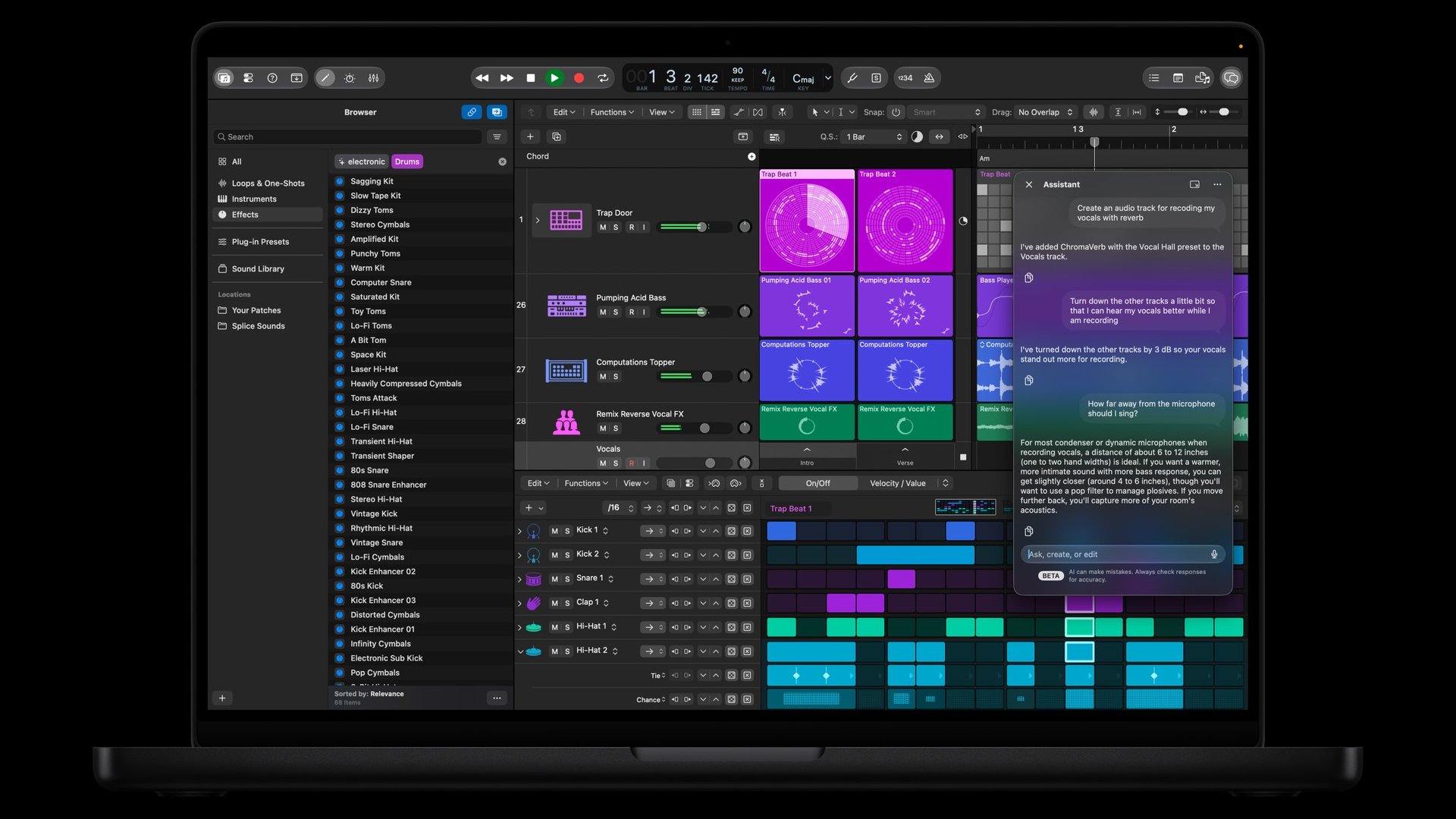
Apple last week updated Logic Pro for Mac with a new intelligent assistant feature that can help creators "navigate production workflows, start a new song, set up a vocal track from a single prompt, or refine an active project."


The intelligent assistant has a monthly usage limit, with expanded usage packs available to users with an active Apple Creator Studio subscription in the United States, Canada, Brazil, France, Germany, India, Mexico, and the United Kingdom. In the U.S., the usage pack is currently priced at $49.99 and valid for one year.

To purchase additional usage, choose Logic Pro from the macOS menu bar, choose Intelligence Features, choose Show Usage, then choose Buy More Usage.

In a support document, Apple says some intelligence features in Apple Creator Studio apps are powered by "third-party providers." For the Logic Pro assistant, it says the feature is "powered by Google Gemini," so it appears it is not considered to be part of Apple Intelligence and thereby extra usage will not be included in iCloud+ plans.
This article, "Apple Continues to Say Some AI Features Will Have Fees for Extra Usage" first appeared on MacRumors.com

Discuss this article in our forums

  •  

Siri Is Getting a Better Memory

Apple is building a personal memory system that could help Siri retain information about users' lives, based on new code findings shared by code explorer pdfu.


In Apple's iOS 27.3 beta release, the system includes a "memory graph" that's designed to organize information about relationships, places, routines, health, workouts, and what motivates users or holds them back, according to the findings. It also identifies "memory atoms" for facts, opinions, intentions, and events, including details about the people, places, times, and topics involved.

According to pdfu, the graph uses two kinds of processes to gather info. One turns structured data into insights – like reading the name fields in a user's own contact card. The other uses an on-device AI model or Private Cloud Compute to extract insights by querying sources including Siri conversations, messages, photos, and health data.

Apparently, only one of these AI-driven processes is present so far: pdfu believes it's designed to identify motivations, barriers, and resources using a set of 60 built-in questions, including questions about routines that might interfere with adequate sleep.

From what's been uncovered so far, it's still an unfinished system – pdfu says there's no process that creates memory atoms yet, for example. In a follow-up explanation, the code sleuth also distinguished the graph from a separate store for explicit memories. The latter store has space for records in Apple's search system, but nothing writes the records yet.

Both systems reportedly use Apple's version of the Kuzu graph database. Apple acquired Kuzu in 2025, but its plans for the technology were unclear when the acquisition emerged earlier this year.

Siri already offers personal context understanding, allowing the assistant to find information about the user's life in apps like Mail, Messages, and Photos. Nothing that's been uncovered so far tells us when the unfinished memory system will become available or how users will have control over their data.
Tags: pdfu, Siri, Siri AI

This article, "Siri Is Getting a Better Memory" first appeared on MacRumors.com

Discuss this article in our forums

  •  

Apple's Siri Boss May Leave - Here's Who Could Take Over

Mike Rockwell "continues to seriously consider stepping down" as Apple's vice president of Siri engineering and could leave the company altogether next year, according to Bloomberg's Mark Gurman. Gurman described the potential move as a major blow to Apple.


If Rockwell departs or moves to another role, responsibility for Siri would likely fall to one of two people. Amar Subramanya is a Google veteran hired last year to shore up Apple's AI efforts, and Sebastien Marineau, a deputy to software chief Craig Federighi, leads the teams integrating AI into iOS. Marineau is said to be seen by some inside Apple as a possible eventual successor to Federighi himself, and as someone "more all-in on the AI revolution."

As for Rockwell, he created the Vision Pro, before being put in charge of Siri's turnaround, but only after "an embarrassing two-year delay," as Gurman puts it. Reports of him weighing an exit from Apple first surfaced in April.

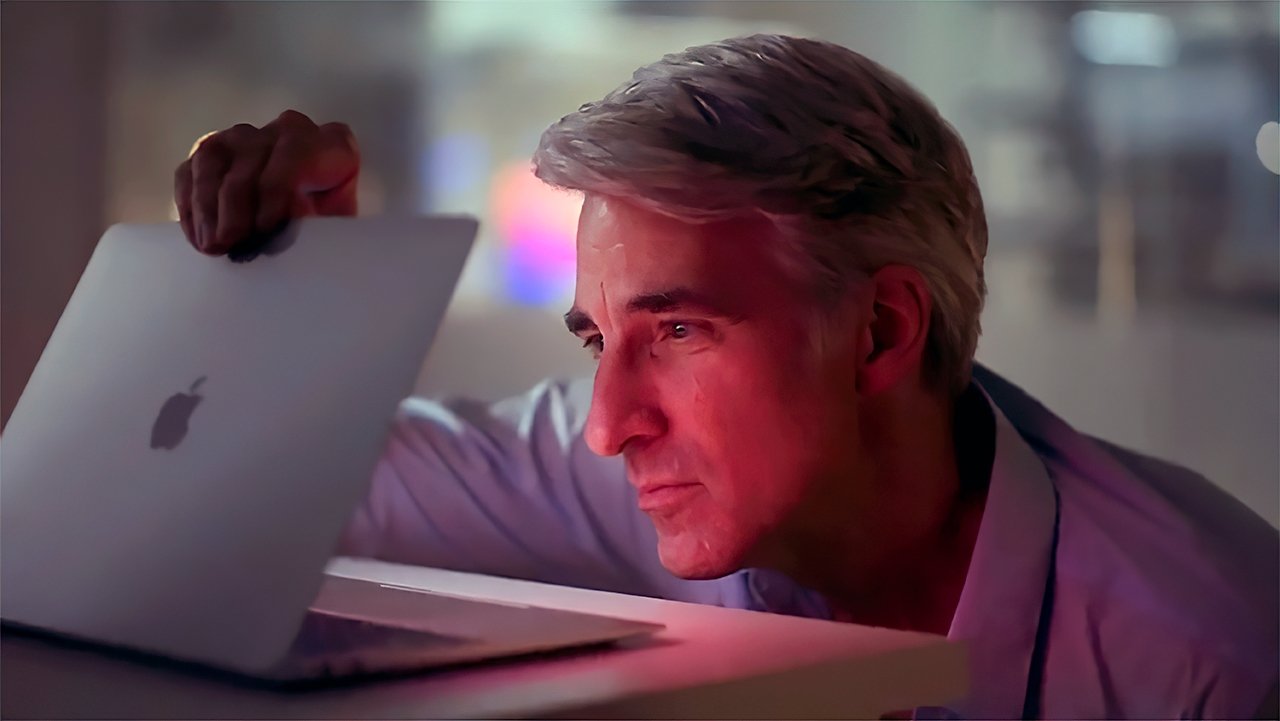
Hair Force One, however, isn't going anywhere, it seems. A succession to Federighi remains "a distant prospect," reckons Gurman. Federighi "maintains a firm grip" on Apple's software engineering organization and "has done little to prioritize succession planning or establish a clear path for a successor," according to his sources. Gurman adds that Federighi, who has led the organization for more than a decade, has given no indication that he is among Apple's senior leaders considering an exit in the coming years.
This article, "Apple's Siri Boss May Leave - Here's Who Could Take Over" first appeared on MacRumors.com

Discuss this article in our forums

  •  

Siri AI Rumored to Become 'More Like an Agent' as Early as Next Year

Siri AI is much more intelligent and personalized compared to classic Siri, but it is still not nearly as advanced as proactive, always-on agents like OpenAI's Dots and Meta's Muse. That may change, though, according to a new rumor.


In his Power On newsletter today, Bloomberg's Mark Gurman said he was told that Apple could make Siri function "more like an agent" as early as next year. However, if this plan moves forward, the exact implementation remains to be seen.

"Dots, Muse and Grok can keep track of goals, determine what needs to happen next and continue pursuing objectives without the user initiating every individual step," said Gurman. "Apple ultimately wants to go in this direction, I'm told, and I believe the company could make Siri more like an agent as early as next year."

Apple's AI ambitions could go beyond making Siri more agentic. In a closed-door meeting in recent weeks, Gurman said that Apple CEO John Ternus told Apple's software engineering chief Craig Federighi that Apple needs to "accelerate" its software roadmap and "move quickly beyond merely making necessary improvements to Siri."
This article, "Siri AI Rumored to Become 'More Like an Agent' as Early as Next Year" first appeared on MacRumors.com

Discuss this article in our forums

  •  

Siri AI Waitlist Now Limited to Times of 'High Demand,' Says Apple

Apple has largely stopped making users join a waitlist to access its Siri AI assistant. According to an updated Apple support document, Siri AI "will begin to download automatically" once users opt in, but the waitlist is now reserved "during time of high demand," and wait times can vary.

The document previously said that enabling the assistant "will add you to a waitlist," as noted by 9to5Mac. The document was updated on November 2, likely following two months of Apple testing server load. Released in September, Siri AI remains in beta across iPhone, iPad, Mac, Apple Watch, and Vision Pro.
Tags: Siri, Siri AI

This article, "Siri AI Waitlist Now Limited to Times of 'High Demand,' Says Apple" first appeared on MacRumors.com

Discuss this article in our forums

  •  

Alt-Text für Bilder automatisch erstellen

Keine bahnbrechende Erkenntnis, aber eventuell ein hilfreicher Gedankenanstoß.

Alle meine iPhoneBlog- und Social-Media-Bilder führen Alt-Text1. Das ist kein großer Aufwand, aber jedes einzelne Mal ein separater Schritt, der sich am iPhone und iPad noch eine Spur aufwendiger gestaltet. Deshalb habe ich ihn automatisiert.

Screenshots und Fotos lege ich für ihre Konvertierung/Komprimierung mit dem Mac in einen „watched folder“ aufs iCloud Drive. OpenAI bekommt über ihre API eine verkleinerte Bildvorschau und erzeugt daraus einen Dateinamen sowie eine kurze Bildbeschreibung, die als „Kommentar“ in der Datei abgespeichdert wird.

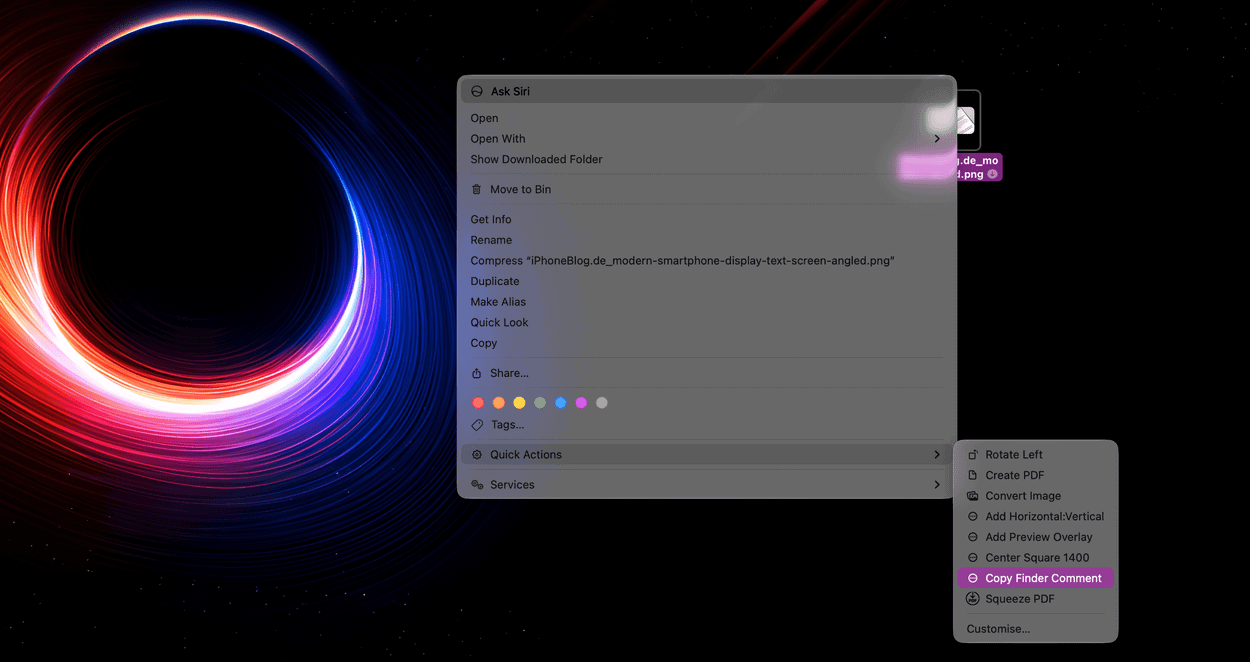
Screenshot of a macOS context menu opened on a desktop with a dark abstract planet-like background with a glowing ring of red, purple, and blue light. The context menu shows options like Open, Move to Bin, Rename, Compress, Duplicate, Copy, Quick Actions, and Services.

Über eine „Copy Finder Comment“-Schnellaktion bekomme ich den Beschreibungstext in die Zwischenablage. Weil ich an dieses Attribut aber nicht über die Files-App auf iOS gelange2, speichert der Workflow den Alt-Text gleichzeitig in eine fortlaufende Markdown-Datei, die über einen externen Ordner direkt in Ulysses auftaucht.

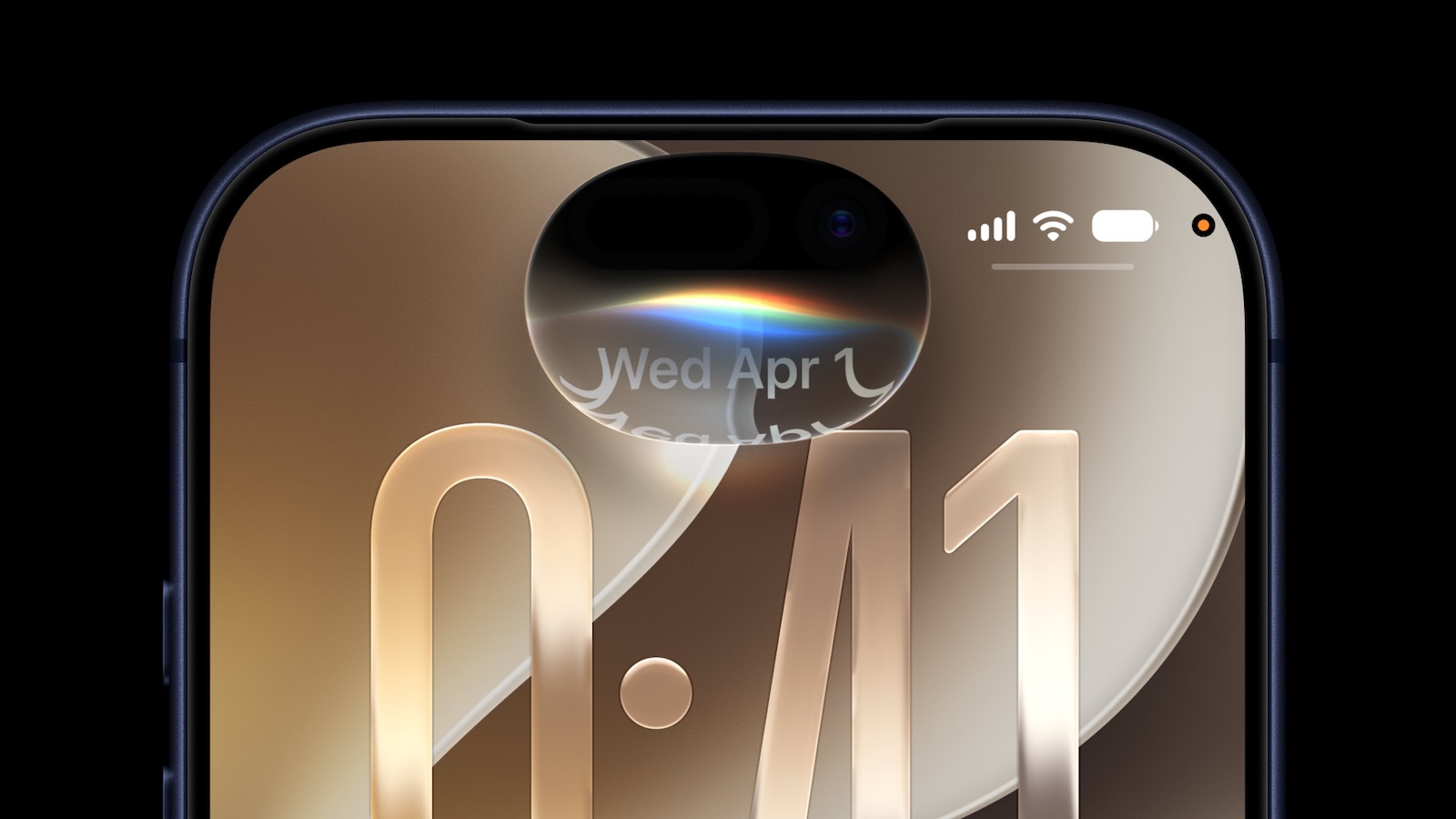
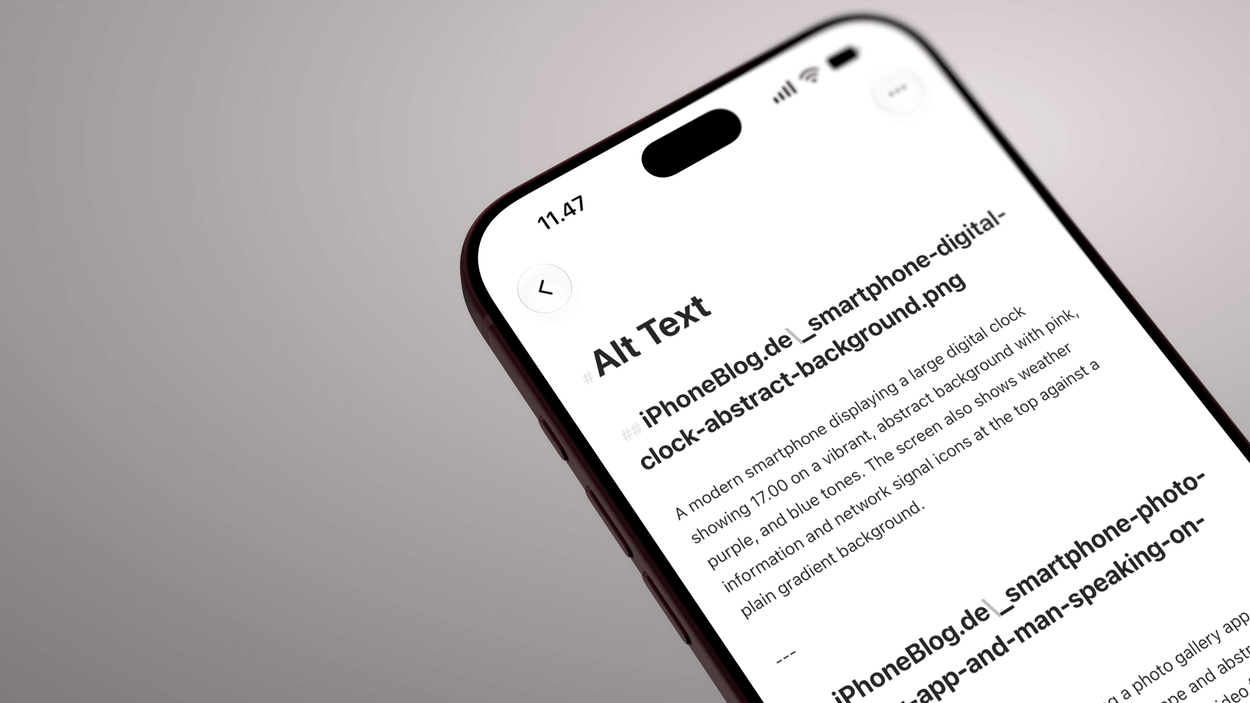
A close-up view of a modern smartphone screen angled diagonally, showing digital clock and network icons at the top against a plain gradient background with text content below it. The phone has a dark frame and slim bezels.
  1. „Because it is the right thing to do.“ ↩
  2. „Don’t get me started!“ ↩
  •  

„Welcome Apple HomeView“

A smart home device with a screen showing a family photo, placed on a wooden table with a glass of water and a plate with two apples nearby. The text 'Introducing Apple HomeView' appears beside the device.

Apple HomeView is not available for sale in the European Union, as Siri AI is currently unavailable in iOS in the EU. Apple is working constructively with the EU in an attempt to find a path forward.

Apple.com/Newsroom | YouTube@Apple

Erster Gedanke: Richtig so! Anstatt den Computer in seinem Funktionsumfang (stark) zusammenzustreichen, bevorzuge ich es, ihn erst gar nicht anzubieten.

Zweiter Gedanke nach dem Lesen von Fußnote 10: Ohne Apple Intelligence und Siri AI funktioniert Apples Heimzentrale gar nicht. Ergibt Sinn!

Dritter Gedanke: Das ist „by design“! Die gewählte Software-Architektur ist ein Verkaufsverbot für die eigene Hardware.

  •  

„Swipe Down for Search or Ask“

Ohne Spracheingabe bestand am iPhone nie die Möglichkeit, Spotlight außerhalb des Home- und Sperrbildschirms aufzurufen. Mit Siri AI geht das jetzt – nur nicht bei uns.

Wenn wir über fehlende Funktionen für iOS 27 in der EU sprechen, fehlt mir insbesondere diese Interaktion.

Spotlight, as you know it, is gone in iOS 27. Swiping down from the middle of the Home Screen now opens Search or Ask, where you can type or speak to Siri. Apple rebuilt the underlying search index at the same time, so returned results are more current.

via MacRumors

Für iPadOS existiert ein solcher Hack; fürs iPhone nicht. Apples Telefon benutzt sich signifikant besser, wenn man Spotlight auch aus geöffneten Apps heraus aufrufen kann.

  •  

Siri AI in der EU

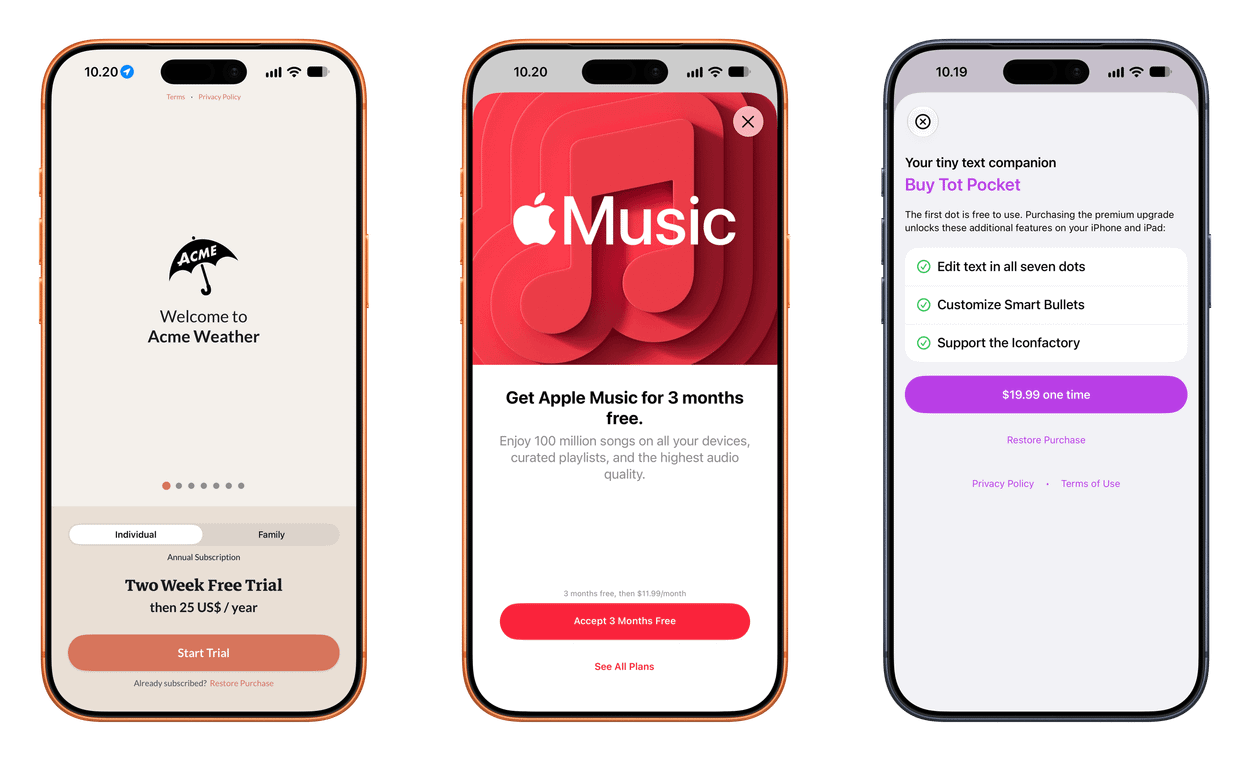
Mit einem US-App-Store-Account zeigt sich Siri AI auch auf iPhones in der EU. So eingeloggt, lassen sich trotzdem noch App-Updates aus dem DE-Store einspielen. Es fehlen jedoch diverse Abo- und Einmalkäufe – wirklich praktikabel ist das also nicht.

This image displays three different iOS application screens featuring subscription and purchase options for Acme Weather, Apple Music, and Tot Pocket.

Oder direkter: Für mich ist das nicht dauerhaft benutzbar und deshalb lediglich ein glorifizierter Testlauf. Am Vorabend von iOS 27 bin ich mit einem externen KI-Abo sowie einer Voice-zu-Text-Tastatur schlicht besser beraten.

Allerdings ist Apples Chatbot derzeit „designed for the masses“ und ich habe keine Zweifel daran, dass er sie so erreicht. Mit den Integrationen in unsere täglich verwendete Software hat der leuchtende Orb größere Ambitionen.

Und ehrlich gesagt: Für Apple ist das genau der richtige Hebel – nur halt noch nicht in der EU.

Mac and Apple Vision Pro users in the EU will be able to access Siri AI when set to a supported language. Siri AI will not be available initially in the EU in iOS, iPadOS, and watchOS. Apple is working hard to find a path forward that preserves its users’ privacy and security.

Apple.com/Newsroom

Dauerhaft tragbar erscheint mir dieser Fork für Europa allerdings nicht: Siri AI strickt iOS grundsätzlich neu – mit fragwürdigen Opt-ins.

Apples integrierte KI ist nicht einfach nur ein Feature, das man nach Belieben an- und wieder ausknipst. Sie stellt iOS fundamental anders auf; auch wenn das heute noch nicht deutlich erkennbar ist.

A close-up view of an iPhone screen displaying the Ask ChatGPT widget interface with an active voice interaction animation.

Ich empfinde es als untragbar, dass der Digital Markets Act konkurrierenden KI-Assistenten einen Zugriff auf dieselben tiefen OS-Funktionen ermöglichen will – insbesondere wenn man ohnehin nur die Wahl zwischen den KI-Modellen anderer Tech-Riesen hat.

Und trotzdem scheint mir Apple derzeit in einer Situation, die Suppe auslöffeln zu müssen – allein schon deshalb, weil die eigene Weiterentwicklung von iOS es erfordert.

  •  

„Why the iPhone is about to get more expensive“

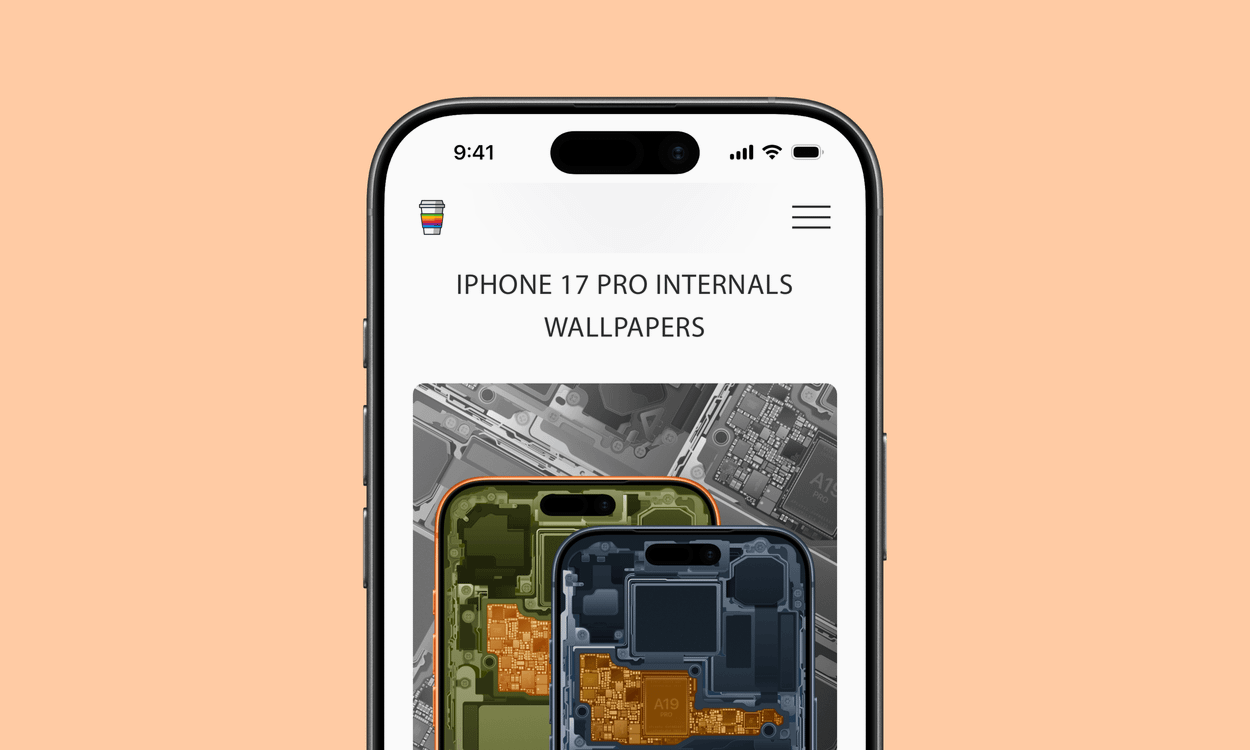
A smartphone screen displays "iPhone 17 Pro Internals Wallpapers" above an image showing the detailed internal components of two smartphones, one with an orange frame and the other with a dark gray frame.

via BasicAppleGuy

In other words, AI isn’t just making electronics cost more. The memory shortage is changing which electronics companies bother making in the first place.

Rani Molla | The Verge

Der Aufhänger des Artikels ist das iPhone – was auch sonst.

Der Artikel selbst reicht allerdings darüber hinaus, hätte aber noch stärker auf die sichtbaren Folgen eingehen sollen – „AI is killing the cheap smartphone“.

But that model breaks when memory prices spike as much as they’re now spiking. The sub-$100 smartphone risks becoming “permanently uneconomical” as a product. And that means that the budget smartphone makers have been forced to pass memory costs onto consumers: smartphones that sold for $50 are now selling for $120 or more. And price-sensitive consumers have responded by simply not buying phones. […]

In India, the sub-$100 smartphone market collapsed 59 percent year-on-year in the first quarter of 2026: surging memory prices resulted in a “forced premiumization” of the Indian smartphone market. But in the poorest markets, such premiumization isn’t a possibility. In 2025, 81 percent of smartphone shipments in Africa were in the sub-$200 category: as smartphone prices surge, many African consumers will simply be priced out of phone ownership entirely.

Apple verzichtete auf Preiserhöhungen seiner Telefone – nicht nur in den letzten Monaten, sondern auch in den letzten Jahren, und griff damit indirekt dem Servicegeschäft unter die Arme.

Es wird interessant, wie viele Kund:innen von neuen Pro-Modellen und noch teureren Falt-Telefonen das wirklich interessiert – insbesondere mit neuen Leasing-Optionen sowie monatlichen Ratenzahlungen über Mobilfunkanbieter.

Relevanter ist sicherlich eine (neue?) Preisgestaltung für das hervorragende Standard-iPhone 17 sowie das nachfolgende Modell, das voraussichtlich aber erst im Frühling 2027 erscheint.

  •  

„Google (Again) Brings a Comedian to a Tech Keynote“

On the plus side, it wasn’t as bad as last year. On the minus side, it was still pretty bad.

M.G. Siegler

I disagree. Trevor Noah war absolut „chill“; Trevor Noah ist nicht das Problem.

Egal ob Apple, Samsung, OpenAI oder Google: Alle produzieren inzwischen lupenreine Infomercials – lediglich unterschiedlich verpackt.

Ob man auf solchen Events oder über Influencer:innen von neuen Produkten erfährt, ist inzwischen austauschbar; eine tatsächlich kritische Auseinandersetzung folgt ohnehin erst viel später.

Ich kann Werbeveranstaltungen mit Celebrities, wie in dieser Woche bei Google, wenig abgewinnen, quäle mich aber andererseits auch nicht durch Live-Coding-Sessions auf OpenAI-Keynotes.

Apples Hochglanz-Spots fehlt inzwischen der Glanz und das Neue aus den Anfangszeiten. Mit schnellen Cuts schätze ich dort jedoch weiterhin die komprimierte Informationsvermittlung.

Eine Rückkehr zu früheren Live-Präsentationen erscheint mir für Apple weiterhin unrealistisch. Sie mögen ihr fehlerfreies Format, auch wenn sie sich die Möglichkeit offenhalten, in einem kleineren Rahmen persönlich auf Bühnen zu treten.

Verklärte Vergangenheit: Die Rufe nach Live-Präsentationen vergessen, wie zäh selbst einige Steve-Jobs-Keynotes waren – insbesondere die Demos. Andererseits fehlt genau dieser Steve Jobs, der selbst eine Werbeveranstaltung zum Samstagabendprogramm machen konnte.

Aber genau wie das Samstagabendprogramm haben auch Tech-Keynotes heute nicht mehr diesen Stellenwert.

  •  

Die 70mai Dash Cam 4K A810 Lite

Kein Autofahrer (mehr), aber eine Dashcam installiert: Genau mein Humor!

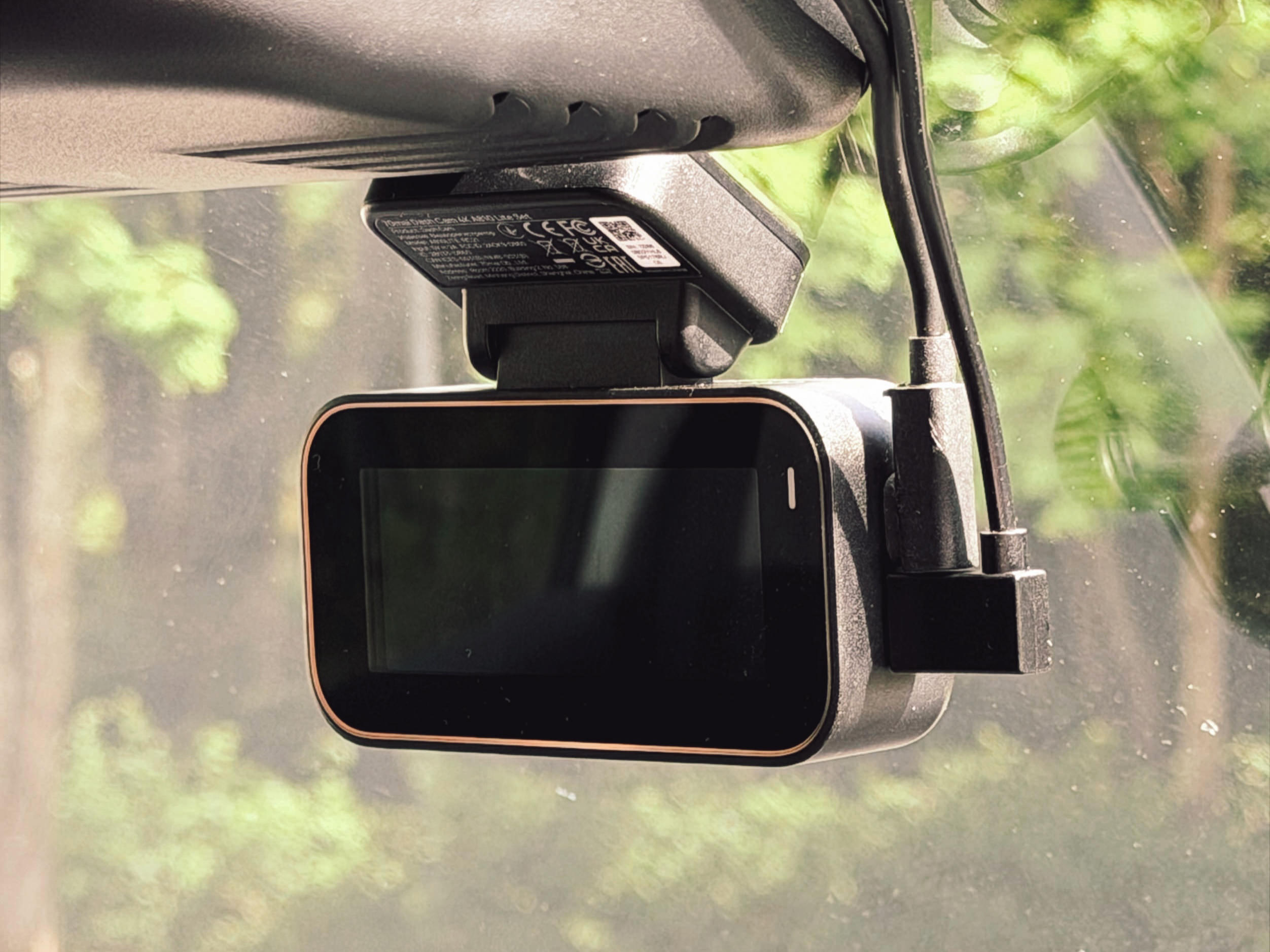
Eine schwarze Dashcam mit kupferfarbenem Rand, die an der Innenseite einer Windschutzscheibe montiert ist, mit angeschlossenem Stromkabel und verschwommenen grünen Bäumen im Hintergrund.

Die A810 Lite (Affiliate-Link) besteht aus einer Front- und Rückkamera. Beide sind über ein Kabel verbunden, das ich erfolgreich durch den Dachhimmel zog. Mit einem langen (Zoll-)Stock und einem zusätzlichen Paar Händen mussten wir lediglich 20 Minuten unter der Verkleidung herumstochern.

Wenn ihr so gar kein Händchen fürs Handwerkliche habt, ist die Installation einer Dashcam der perfekte Ego-Boost: Sie funktioniert eigentlich immer, selbst wenn man sich ungeschickt anstellt.

Die zwei abgeknickten und unterschiedlich großen USB-C-Stecker führen die Kabel auf kurzem Weg von der Kamera unter die besagte Autodecke. Eine solche Port-Positionierung bietet sich an – ist wahrscheinlich ohnehin gängig – aber ich fand’s trotzdem clever.

Strom kommt aus dem Zigarettenanzünder, nee aus der Kfz-Steckdose. Auch dieser Kabelweg war für jemanden, der bislang noch nie in die dafür versteckten Ecken und Abdeckungen von Autos geschaut hat, easy zu erreichen.

So filmt die Kamera nun während der Fahrt fortlaufend nach vorne und hinten. Auf das separate 4G-Modul für eine Parküberwachung habe ich bewusst verzichtet. Eine dauerhafte GPS-Ortung hätte mich interessiert, aber bereits der Name „Hardwire Kit“ schreckte mich ab.

Außerdem filmt keine Kamera in den Innenraum des Fahrzeuges – etwa um zu beweisen, dass ich nach vorne geschaut habe und die Hände am Lenkrad hatte. Nicht praktisch, aber theoretisch könnte man die Rückkamera dafür benutzen, weil sie sich um 360° dreht.

Eingeschobene Info: Ich war ausschließlich an der Technik sowie der App-Verknüpfung einer modernen Dashcam interessiert, weil’s ja durchaus ein verbreitetes Gerät ist. Ich verspreche mir davon keine Vorteile bei der Unfalluntersuchung und hoffe auch niemals damit über Versicherungsansprüche streiten zu müssen. Bin auch kein Anwalt, aber zumindest ist in Finnland die Benutzung solcher Kameras auf öffentlichen Straßen generell erlaubt.

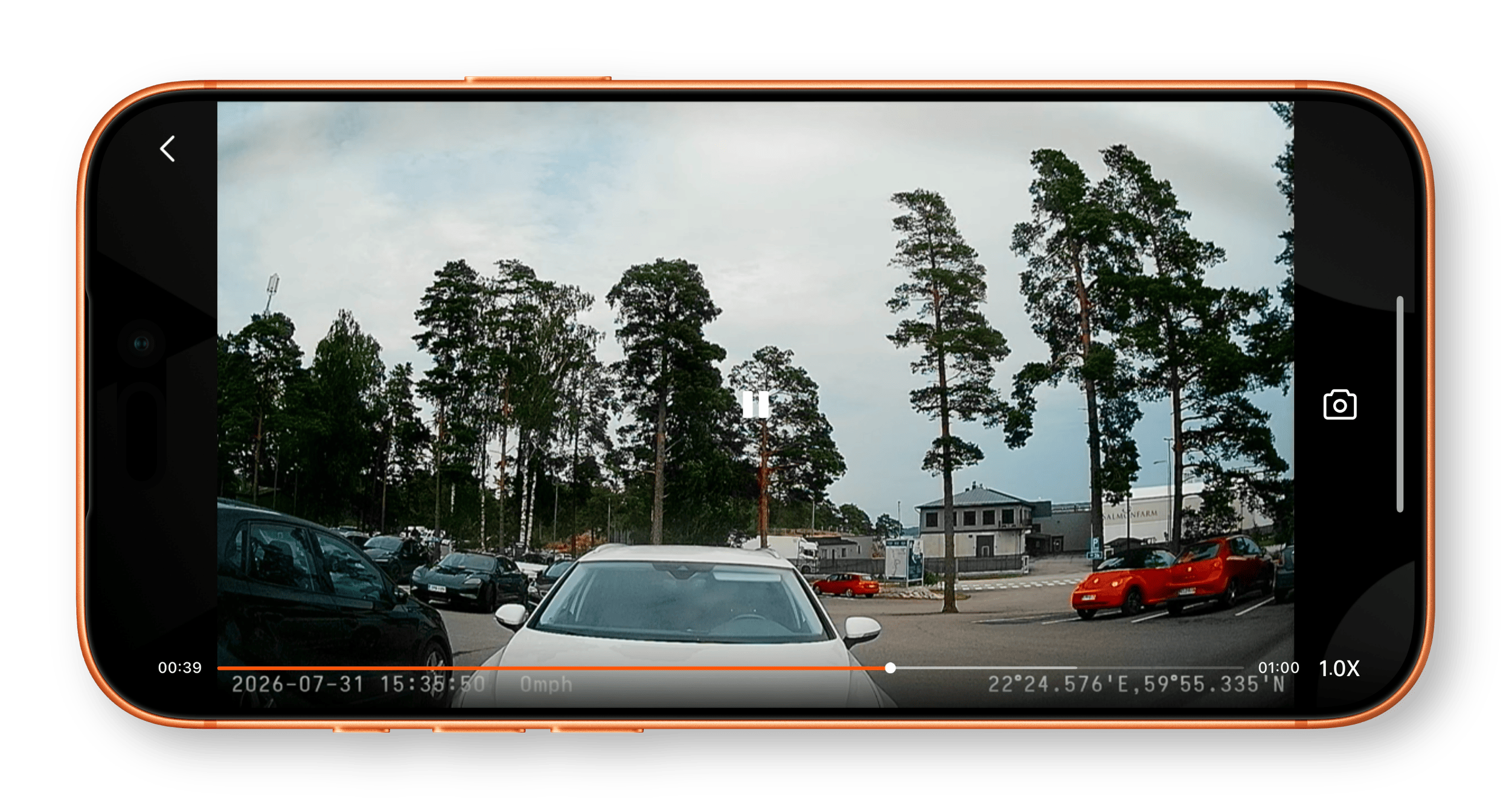
Ein Smartphone-Display zeigt eine Dashcam-Aufnahme eines Parkplatzes mit Autos, Bäumen und einem Gebäude, ergänzt durch Einblendungen von Zeitstempel, Geschwindigkeit und GPS-Daten.

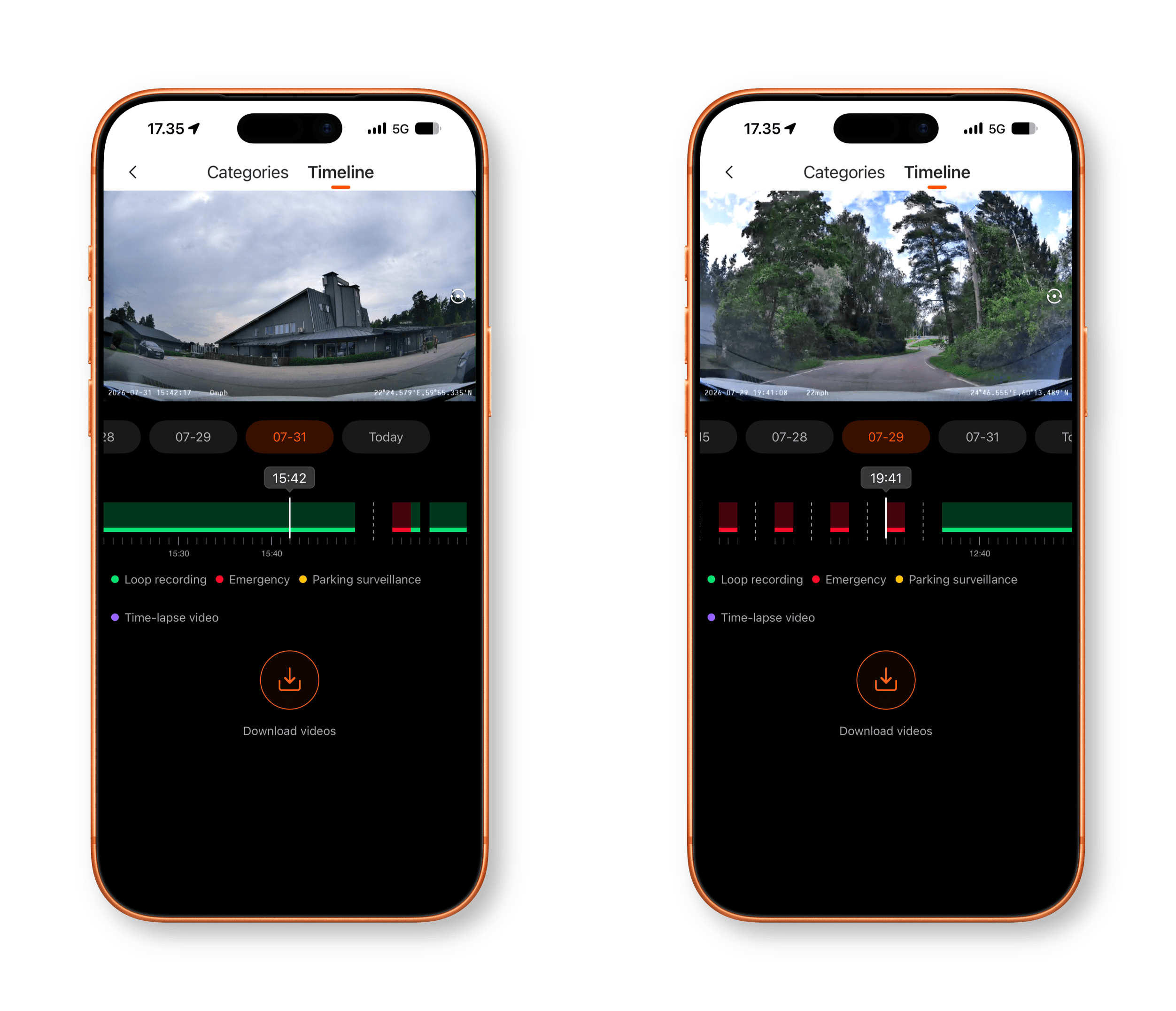
Die Aufzeichnungen sowie eine Live-View sind über die 70mai-App abzurufen. Dazu baut das Telefon eine Wi-Fi-Verbindung auf. Das führt nur dann zu Problemen, wenn bereits eine kabellose CarPlay-Übertragung besteht: Euer iPhone kann nachvollziehbar nicht gleichzeitig in beiden Wi-Fi-Netzen funken.

Bemerkenswert ist, wie schnell und mühelos ich an die festgehaltenen Clips respektive das Live-Bild gelange. Auch die Übertragung der hochauflösenden Aufnahmen ist schnell – verdammt schnell.

Zwei Smartphones zeigen die Benutzeroberfläche einer Dashcam-App. Auf dem Bildschirm ist ein Videoplayer mit einer Zeitleiste zu sehen, die farblich gekennzeichnete Bereiche für Loop-Aufnahmen und Notfallereignisse sowie eine Schaltfläche zum Herunterladen von Videos enthält.

Durch den starken 140°-Weitwinkel wirken Objekte allerdings so viel weiter entfernt, als sie eigentlich sind. Ihr solltet diese zwei Kameras wirklich nie als Einparkhilfe benutzen.

Zugegeben: Das ist auch nicht ihre Aufgabe. Die gestreckte Perspektive zeichnet mit großem Spielraum auf, was vor und hinter eurem Auto passiert. Selbst bei Nacht sind die Aufnahmen zu gebrauchen und insgesamt viel besser, als ich das jemals für 100 EUR erwartet hätte.

Die Marketingversprechen von 4K und HDR sind jedoch als genau das abzuhaken: Marketingversprechen. Ihr knipst hier nicht die schönsten Autobahnabschnitte. Die Clips sind jedoch ausreichend hochauflösend, um die Aufgabe der Kamera zu erfüllen. Alles bleibt leserlich; alles wird deutlich im Bild eingefangen.

Noch sind hier Sommerferien; noch stehen ein paar kleinere Autotouren an. Bei etwas heftigerem Bremsen sind bereits „Notfallaufzeichnungen“ festgehalten worden. Das ist mir jedoch ziemlich egal: Die SD-Karte spielt sich automatisch voll und überschreibt sich danach selbst mit neuen Aufzeichnungen.

Die Kamera ist bemerkenswert klein und verschwindet fast komplett hinter dem Rückspiegel. Nicht näher bezeichnete Familienmitglieder auf dem Beifahrersitz hatten sie zuerst gar nicht bemerkt.

Der „Connection-“ und der „Installation Guide“ geben einen realistischen Blick auf die sehr flotte Kaltstartzeit sowie die kompakte Größe.

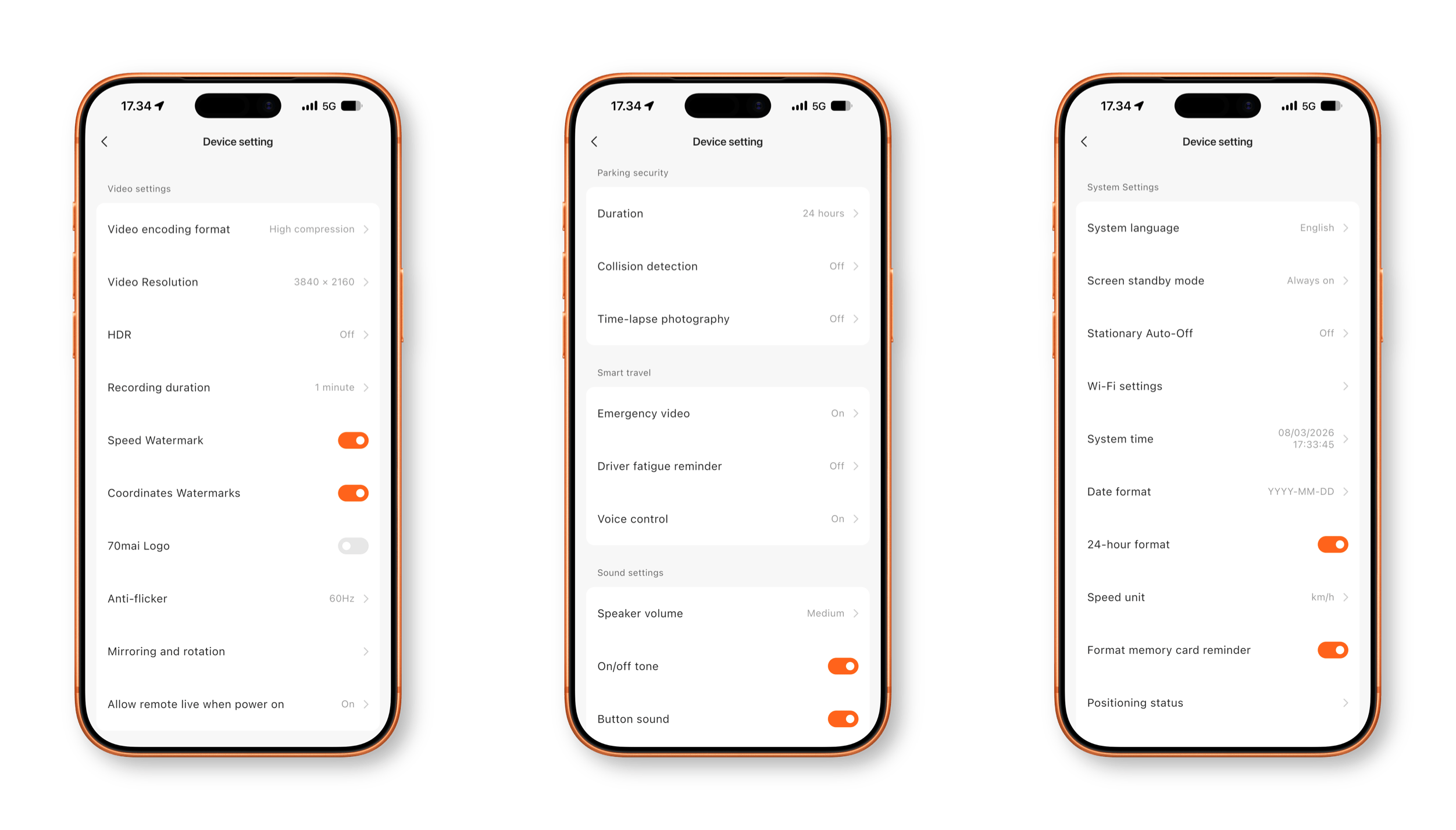
Three mobile app interface screens showing various configuration settings for a camera device, categorized into video, parking security, and system preferences.

Drei App-Oberflächenansichten zeigen verschiedene Konfigurationseinstellungen für ein Kameragerät, unterteilt in Video-, Parküberwachungs- und Systemeinstellungen.

Sprachbefehle funktionieren erstaunlich zuverlässig und ohne Aktivierungswort. „Lock the video“ hält eine der besagten „Notfallaufzeichnungen“ fest und erspart den Griff zu den Knöpfen auf der Unterseite der Kamera.

Für besagte 100 Euro steckt in der A810 Lite überraschend viel Technik, die man nach der Installation vergisst. Diese Unauffälligkeit schätze ich. Die iOS-App ist rudimentär, punktet aber mit flottem Zugriff, der mich äußerst positiv überrascht hat.

  •  

„Who’s Afraid of Chinese Models?“

Open-Weight-KI-Modelle bleiben teuer: Auch nach dem Training kostet jede einzelne Inferenz entsprechenden Rechenaufwand.

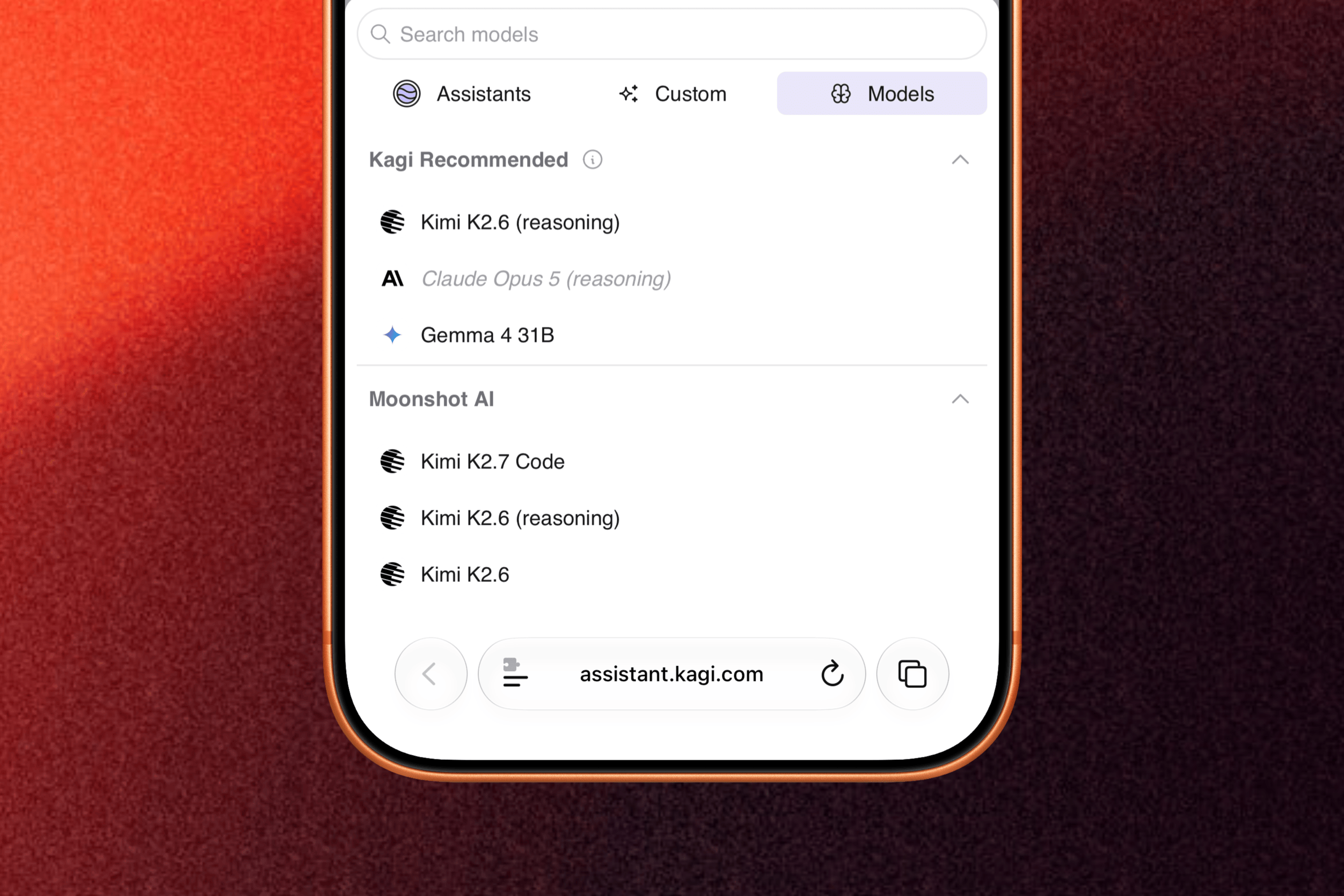
Ein Smartphone-Bildschirm zeigt eine Liste von KI-Modellen innerhalb einer Weboberfläche. Der Tab "Models" ist ausgewählt. Abschnitte umfassen "Kagi Recommended" mit "Kimi K2.6 (reasoning)", "Claude Opus 5 (reasoning)" und "Gemma 4 31B". Darunter befindet sich "Moonshot AI" mit "Kimi K2.7 Code", "Kimi K2.6 (reasoning)" und "Kimi K2.6". Unten zeigt eine Browserleiste die Adresse "assistant.kagi.com".

One of the most common misconceptions undergirding discussion of open weights models is that they are cheaper — free, even. After all, you can just download the weights, and skip the time and expense and capabilities necessary to create your own model. That is, of course, true, but the “free” in this case is a reference to the amount you need to spend on research and development; R&D is a fixed expense that is independent of the revenue you generate. […]

The point in terms of open weight models is that they are not free to serve. Kimi K3 costs $3 per million input tokens, and $15 per million output tokens; that is cheaper than Sol’s $5 per million input tokens and $30 per million output tokens, but that might not even be the right measurement.

Ben Thompson

Die Kosten verschwinden nicht, sie lassen sich aber teilweise aus der Cloud auf bereits verkaufte Hardware verlagern.

Mit intelligentem Routing zwischen unterschiedlichen Modellen haben iPhone-Kund:innen eine solche Rechenleistung bereits gekauft – in Form von Prozessor, Arbeitsspeicher, Speicherplatz und Neural Engine. Nur Strom muss fortlaufend bezahlt werden. Es ist keine kostenlose Intelligenz, sondern eher eine „Prepaid Intelligence“: ein teilweise im Gerätepreis enthaltener „local first, cloud when necessary“-Ansatz.

Offene Modelle verändern die Wettbewerbsbedingungen in einem Markt, den Apple mit seiner Verbindung aus Hardware, Software und Services traditionell erfolgreich besetzt. Die Herausforderung ist die flexible Einbindung leistungsfähiger Modelle in den persönlichen Kontext, ihre Berechtigungen klar zu begrenzen und sie für appübergreifende Funktionen vorzubereiten.

Ironisch: Die vom Digital Markets Act implizierte iOS-Öffnung für konkurrierende KI-Modelle könnte Apples Position im Markt für seine Hardware paradoxerweise stärken – solange iOS die zentrale Orchestrierungsebene bleibt und entscheidet, welches Modell wann, wo und mit welchen Daten zum Einsatz kommt.

Kontrolliert Apple diese Koordinationsschicht jedoch nicht, besteht das Risiko, dass iOS als Betriebssystem austauschbar wird. Allein diese Gefahr würde den Start von Siri AI in der EU dauerhaft verhindern.

  •  
❌