❌

Normale Ansicht

Empfangen — 06. November 2026 ⏭ MacRumors: Mac News and Rumors - All Stories

Control the Glowing Apple Logo on Your New MacBook Pro

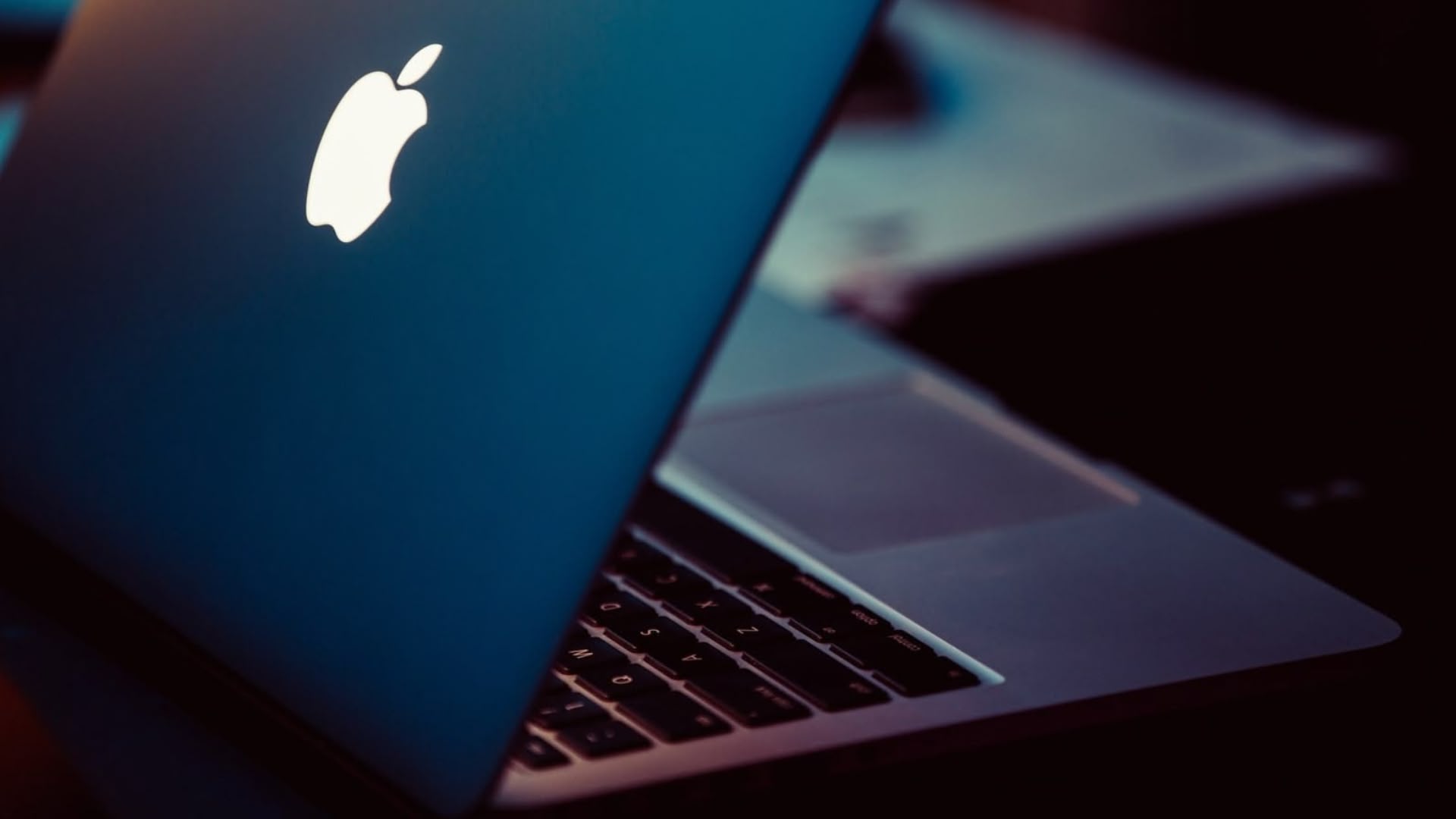
Once a common sight in lecture theaters and coffee shops everywhere, the glowing emblem of an Apple logo featured on the lids of many Mac laptops launched in the early 2000s. In a nice touch, the new 14-inch and 16-inch MacBook Pro models with PROLED XDR displays bring back the much-loved logo. It's lit up whenever the Mac is awake, and it automatically dims or brightens based on your screen's brightness level and the ambient light in the room.

Image credit: MacRumors forum member sniffies

If you'd rather keep the logo dark, Apple has shared a way to turn it off. Unusually though, there's no switch in System Settings. Instead, you need to enter a command in the Terminal app. If that sounds intimidating, don't worry – it's a single line that you can copy and paste. Note that the following command only works on MacBook Pro models with a PROLED XDR display.

  1. Open Terminal on your Mac: it's in the Applications ➝ Utilities folder, or you can search for "Terminal" using Spotlight (Command + Space).

  2. Type or paste the following command, then press Enter:

    sudo defaults write com.apple.CoreBrightness LEBacklightMode -int 0
  3. When prompted, enter your administrator password and press Enter. (Terminal doesn't show the password as you type it.)

After performing the steps, the logo illumination should turn off immediately, no restart required. The change applies to all macOS user accounts on the machine, and it will carry over even if you start up from macOS Recovery. If you later migrate to a new Mac, the setting even transfers across with the rest of your system.

Relight the Apple Logo


Reinstalling macOS turns the illumination back on, but you can also turn it back on yourself at any time by entering the following command in Terminal:

sudo defaults delete com.apple.CoreBrightness LEBacklightMode

Remember to press Enter!
Backstory


The first Mac laptop with a lit-up Apple logo was the third-generation PowerBook G3 launched in 1999. The glowing symbol proved a mainstay through consecutive Apple notebooks for the next 16 years. The only change in that period was that the logo got flipped upright, so that it no longer appeared upside-down to onlookers when someone was sat in public with the lid open.

According to former Apple employee Joe Moreno, the original orientation was deliberate: Apple's design group had found that users kept trying to open their laptops from the wrong end. "Steve Jobs always focused on providing the best possible user experience and believed that it was more important to satisfy the user than the onlooker," Moreno recalled.

Ironically, Jobs later reversed the decision.

"Opening a laptop from the wrong end is a self-correcting problem that only lasts a few seconds," said Moreno. "However, viewing the upside logo is a problem that lasts indefinitely."

The earlier orientation, seen in Sex and the City (Image: HBO/Everett/Rex Features)


In 2015, Apple began nixing the illuminated insignia from its laptops, starting with the ultra-thin 12-inch MacBook, which had a polished metal logo instead, like iPads before it. In 2016, a new generation of MacBook Pro models continued the unlit trend. Apple hasn't launched a Mac laptop with a glowing logo since – until now.
Related Roundup: MacBook Pro
Buyer's Guide: MacBook Pro (Buy Now)
Related Forum: MacBook Pro

This article, "Control the Glowing Apple Logo on Your New MacBook Pro" first appeared on MacRumors.com

Discuss this article in our forums
  •  

OLED iPad Mini, M6 iMac, and New MacBook Pros Available From Today

From today, Apple's new iPad mini with an OLED display, M6 iMac, and its latest MacBook Pro models are available to buy from Apple's online store and in the Apple Store app, with the first pre-orders also arriving to customers today and both devices reaching Apple Store locations and Apple Authorized Resellers.


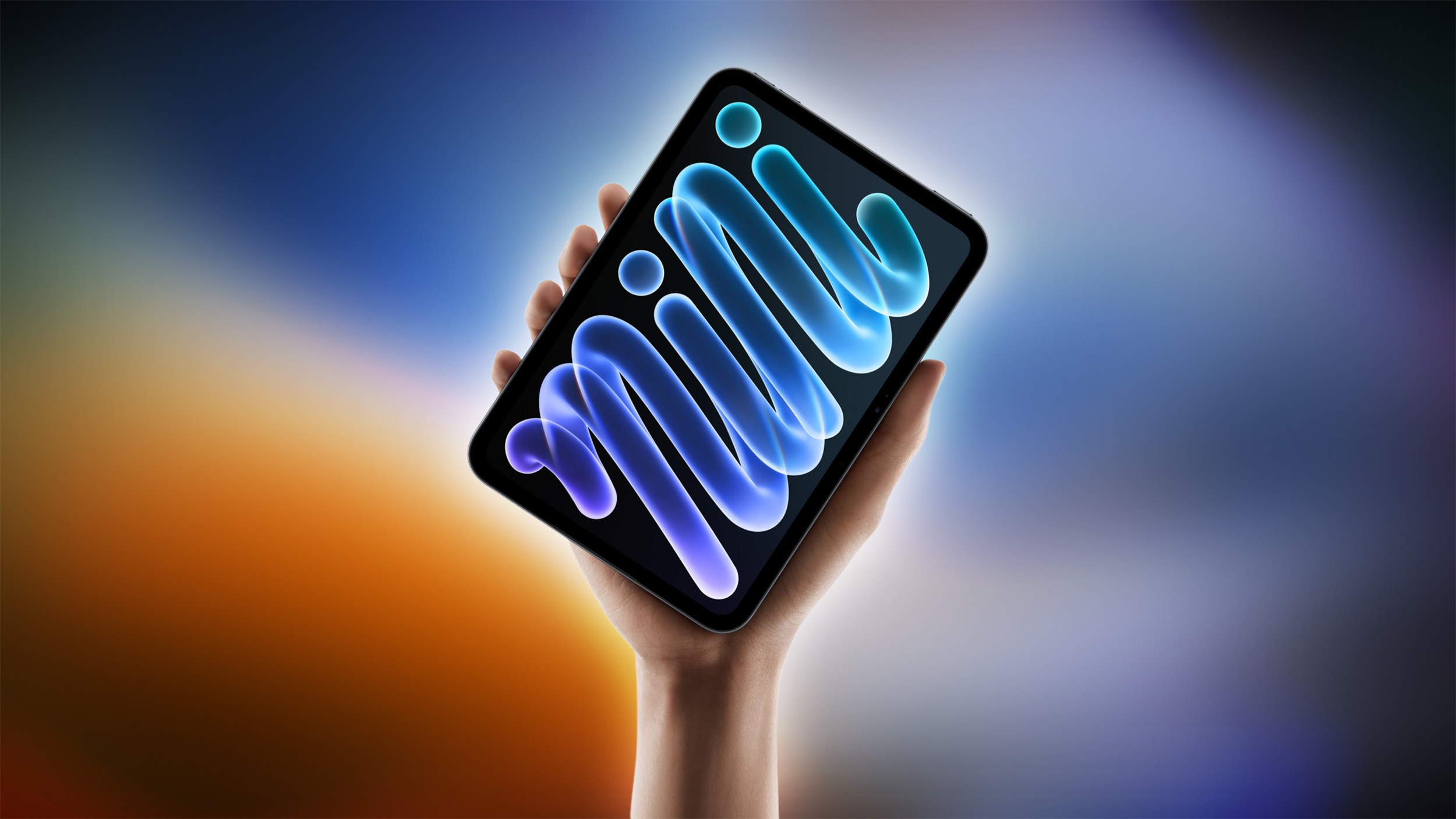
OLED iPad Mini


The eighth-generation iPad mini is Apple's smallest tablet with an OLED display. The 8.5-inch Super Retina XDR display offers up to 1,200 nits of peak brightness, a 2,000,000:1 contrast ratio, and a 1-nit minimum brightness, with a nano-texture glass option on 256GB and 512GB models for the first time.

The device is powered by Apple's A20 Pro chip and the N1 wireless chip, enabling Wi-Fi 7 and Bluetooth 6. At 5.4mm thin and 255 grams, it's the lightest iPad Apple has made. It's also the first iPad with an IP67 water and dust resistance rating, aided by a new Acoustic Display that produces sound through the screen itself, so there are no speaker holes in the enclosure.

A 12MP Center Stage front camera is now located on the landscape side for video calls, and the device supports Apple Pencil Pro and Apple Pencil (USB-C). The display is limited to a 60Hz refresh rate with no ProMotion, which has been the main point of criticism in early reviews.

In the United States, the new iPad mini starts at $699 for the 128GB Wi-Fi model. The 256GB and 512GB configurations are priced at $799 and $999, with nano-texture glass adding $100 on those models, while Wi-Fi + Cellular models start at $849. Education pricing starts at $649.

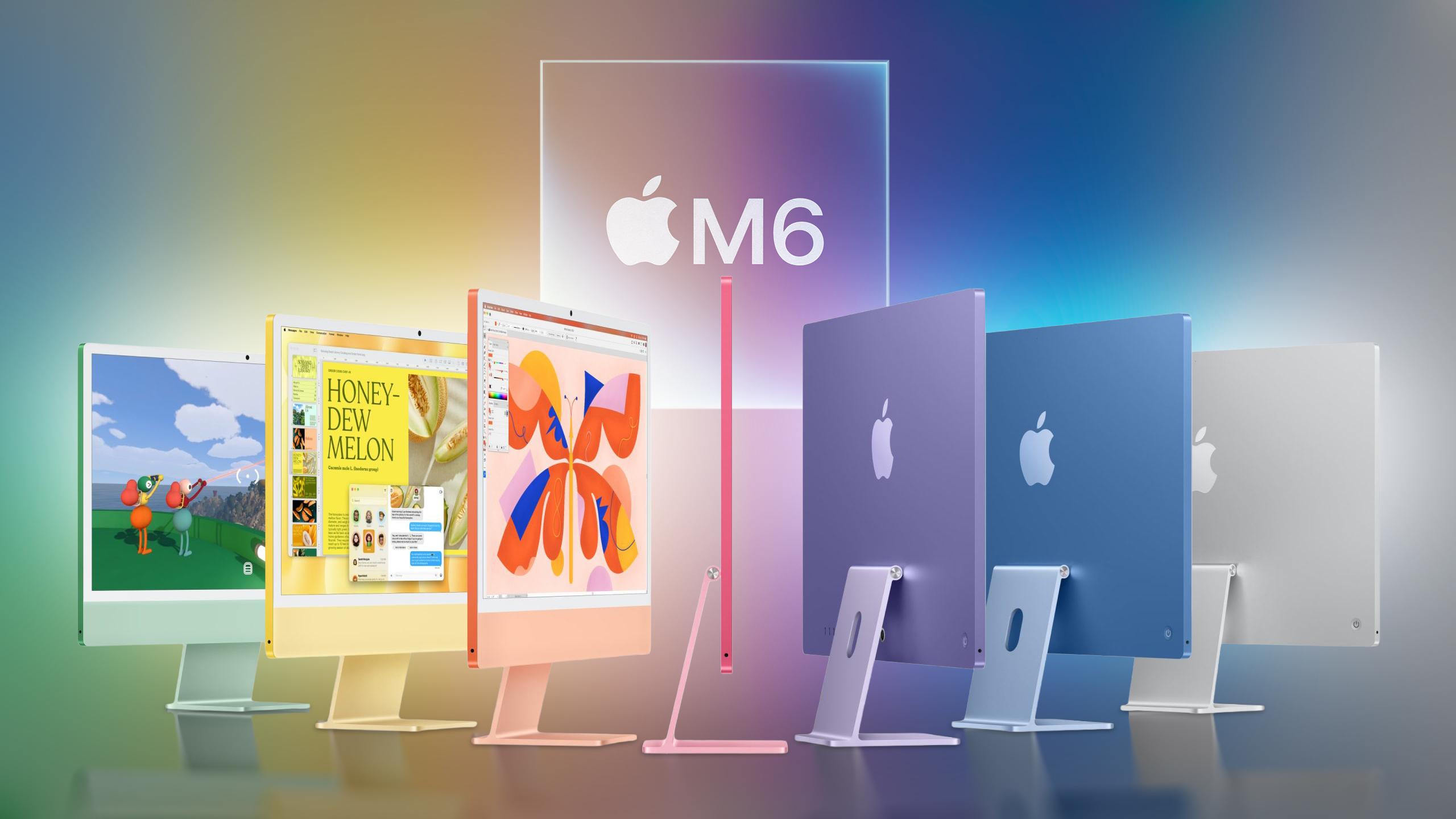
M6 iMac


Meanwhile, the new iMac is the first update to Apple's all-in-one since the M4 model. The M6 chip brings up to a 12-core CPU and 12-core GPU, with Apple claiming up to 2x faster graphics than the previous generation, alongside Wi-Fi 7, Bluetooth 6, and an optional 2.5 Gigabit Ethernet port on the power adapter.

The iMac with M6 starts at $1,499 for the model with a 10-core CPU and 10-core GPU, while the version with a 12-core CPU and 12-core GPU starts at $1,699. Education pricing starts at $1,449.

Latest MacBook Pro Models


Also launching today are the new MacBook Pro models. The 14-inch MacBook Pro with M6 starts at $1,999 and features a 12-core CPU and 12-core GPU, alongside Wi-Fi 7 and Bluetooth 6 via Apple's N1 wireless chip.

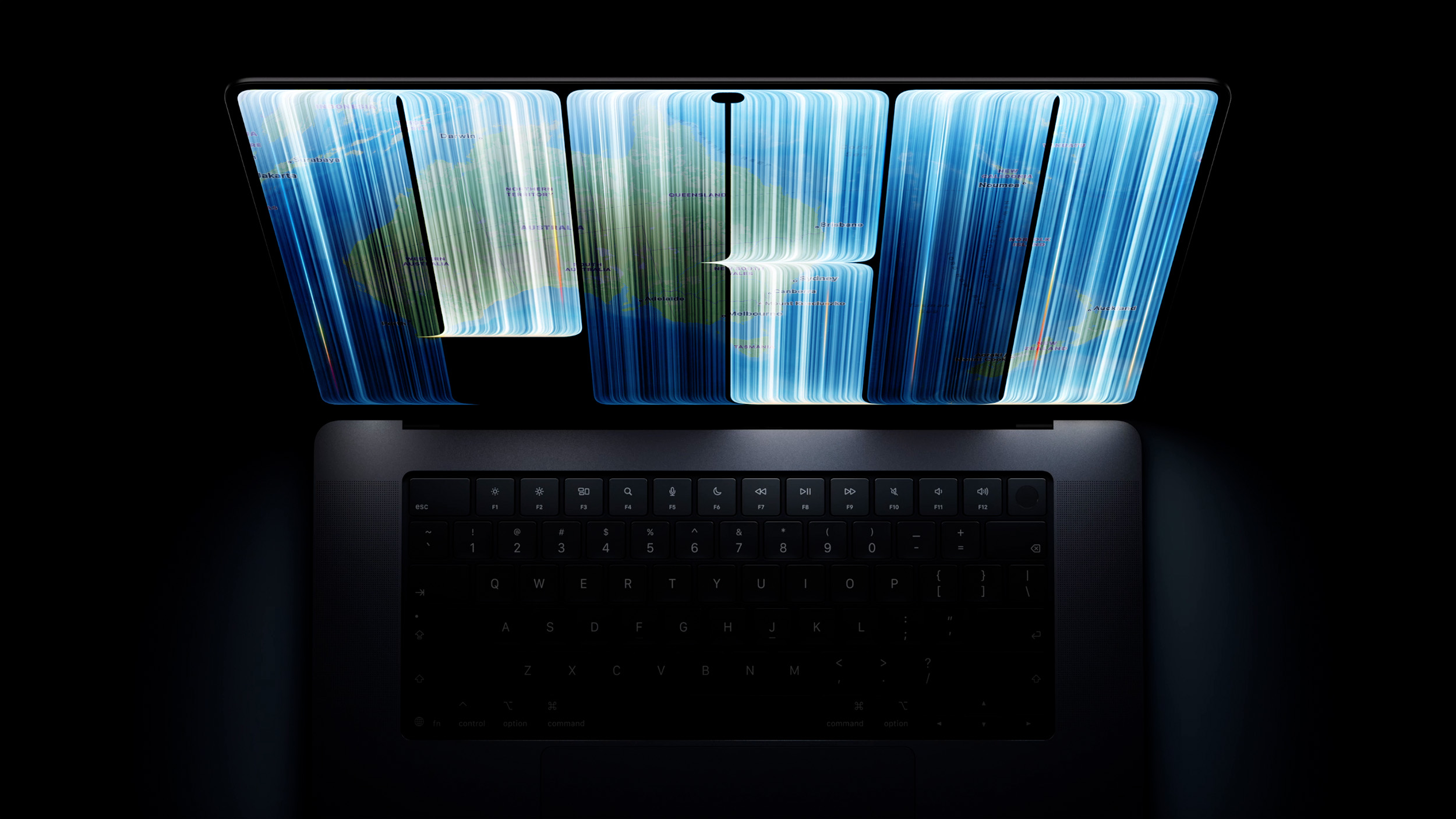
The new 14-inch and 16-inch MacBook Pro models with touchscreen PROLED XDR displays are also available, starting at $2,899 and $3,399, respectively. Powered by M5 Pro or M5 Max chips, the touchscreen models replace the notch with a Dynamic Island and offer up to 2,000 nits of peak brightness for both SDR and HDR content.

Apple's online checkout system indicates many configurations of the 14-inch and 16-inch touchscreen MacBook Pro models in Space Black and Silver currently ship in 2-3 weeks, so anyone who wants one as soon as possible is likely to have more luck visiting their local Apple Store, where at least some base configurations are typically in stock.

For a full rundown of everything new, see our iPad mini, iMac, and MacBook Pro roundups.
Related Roundups: iMac, iPad mini, MacBook Pro
Tag: OLED
Related Forums: iMac, iPad, MacBook Pro

This article, "OLED iPad Mini, M6 iMac, and New MacBook Pros Available From Today" first appeared on MacRumors.com

Discuss this article in our forums
  •  
Empfangen — 05. November 2026 ⏭ MacRumors: Mac News and Rumors - All Stories

Prevent Siri and Search From Accessing Specific iPhone Apps

In iOS 27.2, Apple has a new settings menu that lets you choose which apps Siri, Search, and suggestions can access, all from one list. Here's what's changed and how to use the new menu.


With iOS 27.2, Apple has replaced the old App Access controls with a redesigned Excluded Apps feature that makes it a lot simpler to keep specific apps away from Siri, Search, and suggestions.

It's actually a bigger change than it might sound. Previously, excluding an app in iOS meant opening Settings ➝ Apple Intelligence & Siri ➝ Apps and adjusting each app's toggles individually. This included a switch that let Siri "Learn from this App," and several suggestion options that appeared in Search and widgets.

What was confusing is that some of these switches controlled on-device personalization, rather than access to an app's contents. Moreover, fully keeping an app's content out of search results also required toggling off a separate "Show Content in Search" switch that was buried in each app menu in Settings ➝ Apps.

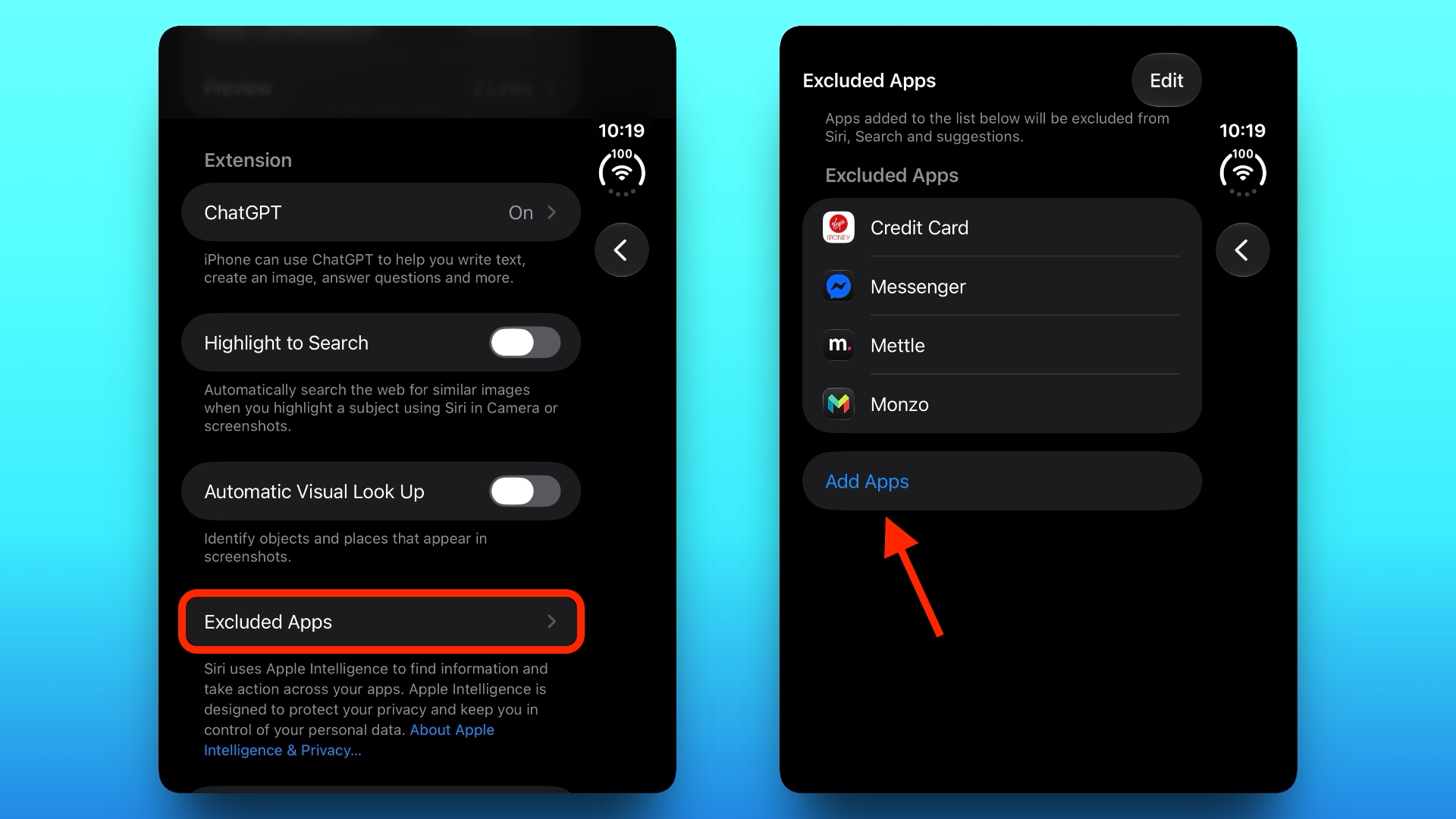
Thankfully, in iOS 27.2, Excluded Apps consolidates all of this into a single multi-select list, where you can add an app once and make it unavailable to Siri, Search, and suggestions. Here's where to find it.

How to Exclude Apps From Siri and Search


  1. Open the Settings app on your iPhone.

  2. Tap Siri.

  3. Tap Excluded Apps.

  4. Tap Add Apps, select the apps you want to exclude, then confirm your selection.


Bear in mind that excluding an app can disable some Siri features for it. For example, the Electronic Freedom Foundation found that excluding Messages stops Siri AI from reading or replying to messages. Also, onscreen awareness – where you invoke Siri and ask it for information about what you're currently looking at – will no longer work in any app you exclude.

Let an App Back Into Siri and Search


To return individual app access to Siri and Search, simply tap the Edit button in the Excluded Apps menu, then tap the minus button next to the app in question and hit the checkmark at the top to confirm.
Tag: Siri

This article, "Prevent Siri and Search From Accessing Specific iPhone Apps" first appeared on MacRumors.com

Discuss this article in our forums
  •  

Siri AI Waitlist Now Limited to Times of 'High Demand,' Says Apple

Apple has largely stopped making users join a waitlist to access its Siri AI assistant. According to an updated Apple support document, Siri AI "will begin to download automatically" once users opt in, but the waitlist is now reserved "during time of high demand," and wait times can vary.

The document previously said that enabling the assistant "will add you to a waitlist," as noted by 9to5Mac. The document was updated on November 2, likely following two months of Apple testing server load. Released in September, Siri AI remains in beta across iPhone, iPad, Mac, Apple Watch, and Vision Pro.
Tags: Siri, Siri AI

This article, "Siri AI Waitlist Now Limited to Times of 'High Demand,' Says Apple" first appeared on MacRumors.com

Discuss this article in our forums
  •  

MacBook Neo Shipments Expected to Double in 2027

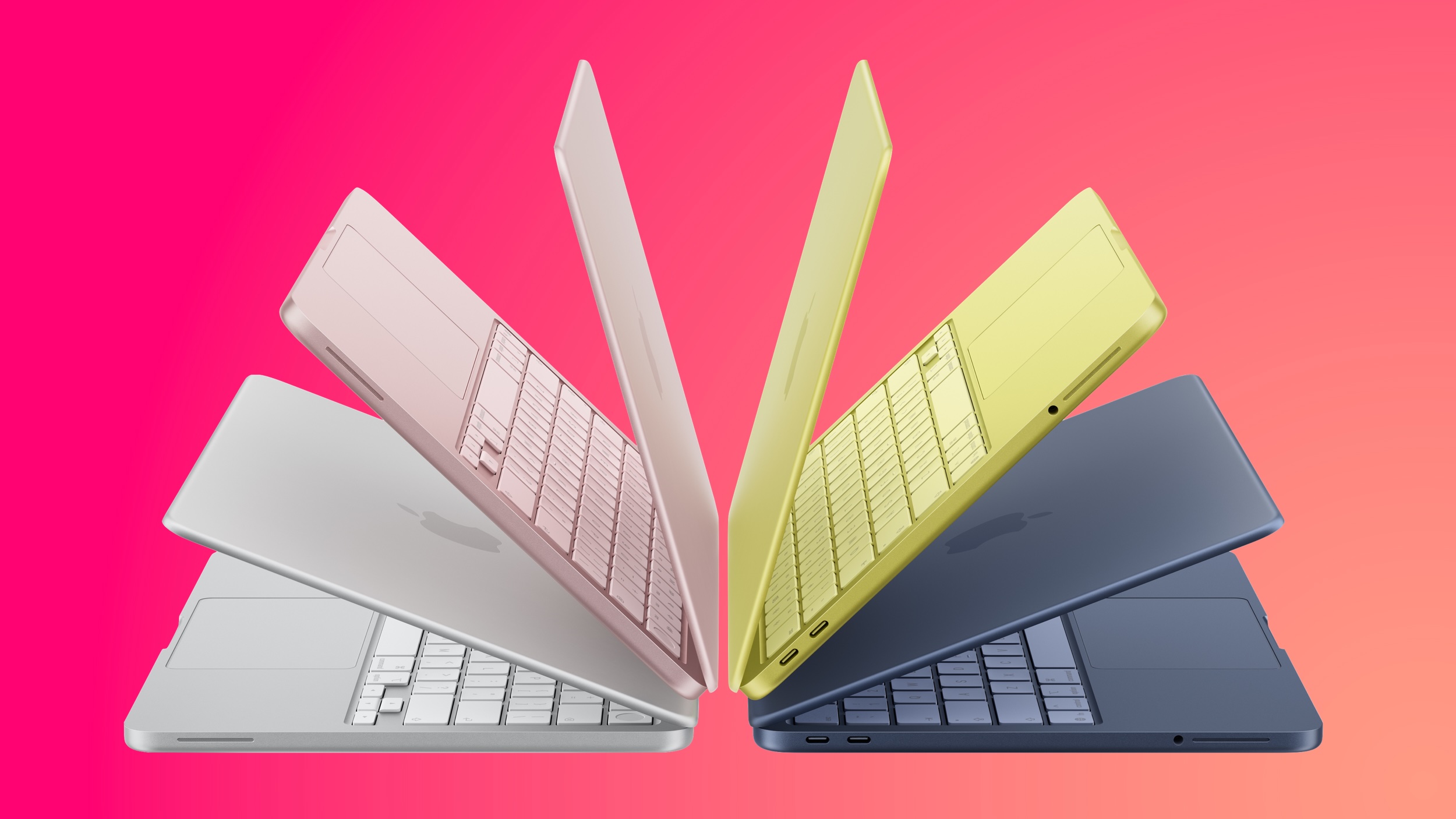
Apple wants suppliers to make 16 million MacBook Neo laptops in 2027, or double the amount expected for this year, according to supply chain sources (via DigiTimes).


Apple released its first MacBook Neo in March 2026, featuring an A18 Pro chip with 8GB of RAM, and coming in Silver, Blush, Citrus, and Indigo colors. The laptop originally started at $599, but Apple raised the price to $699 in June as part of a broader re-pricing of its Mac and iPad lineup. Apple still offers a $100 discount to college students and educational staff.

In September, Bloomberg's Mark Gurman reported that Apple plans to release a second-generation MacBook Neo in 2027 with an A19 Pro chip, 12GB of RAM, and new color options. Today's report doesn't mention a second-generation MacBook Neo, but if Apple decides to refresh the laptop in March – approximately one year since it launched – then the supply chain forecast could still make sense.

During his first earnings call as Apple CEO, John Ternus said the company has sold more Macs in fiscal 2026 than in any previous year. Apple doesn't break out Mac sales by model, but supply chain sources cited in today's report suggest MacBook Neo shipments were the overriding reason for the growth.
Related Roundup: MacBook Neo
Buyer's Guide: MacBook Neo (Neutral)
Related Forum: MacBook Neo

This article, "MacBook Neo Shipments Expected to Double in 2027" first appeared on MacRumors.com

Discuss this article in our forums
  •  

HomeView Code Suggests Future Support for AI Chatbot Apps, Anti-Spoofing Protection

Code discovered in the iOS 27.3 beta suggests Apple is laying the groundwork for chatbot apps on its upcoming HomeView smart home hub, according to the code investigator known as pdfu.


The software HomeView uses to display apps from a connected iPhone or iPad is said to have gained a "Conversational Apps" category in the latest beta. The update also reportedly adds preparations for two-way audio routing, session management, and interruptions, but pdfu notes that it is "still not fully wired up."

Apple hasn't announced chatbot apps for HomeView, and the code doesn't show which apps could use the category or when it could launch, so support for ChatGPT, Claude, or other chatbots is unconfirmed. It's not the first time the possibility has been floated: pdfu suggested on Sunday that chatbot apps might follow based on an unused flag in HomeView's software.

Anti-Spoofing Protection


In a separate finding, pdfu also discovered that HomeView includes anti-spoofing protection. Apparently, after three spoof attempts for a profile, the user must authenticate with an iPhone to see personal data, and the protection is enabled in HomeView software 27.2.

Apple is also said to be working on a lockout cooldown system, similar to what happens when you enter the wrong passcode on an iPhone. A first lockout can be cleared immediately, but a second lockout brings a one-hour wait, a third a four-hour wait, and a fourth (or any further) lockout an eight-hour wait.

pdfu adds that the lockout cooldown periods are still in development, so for now any lockout can be cleared immediately by authenticating with an iPhone. Apple hasn't described either feature in its press materials.

HomeView Launches Next Week


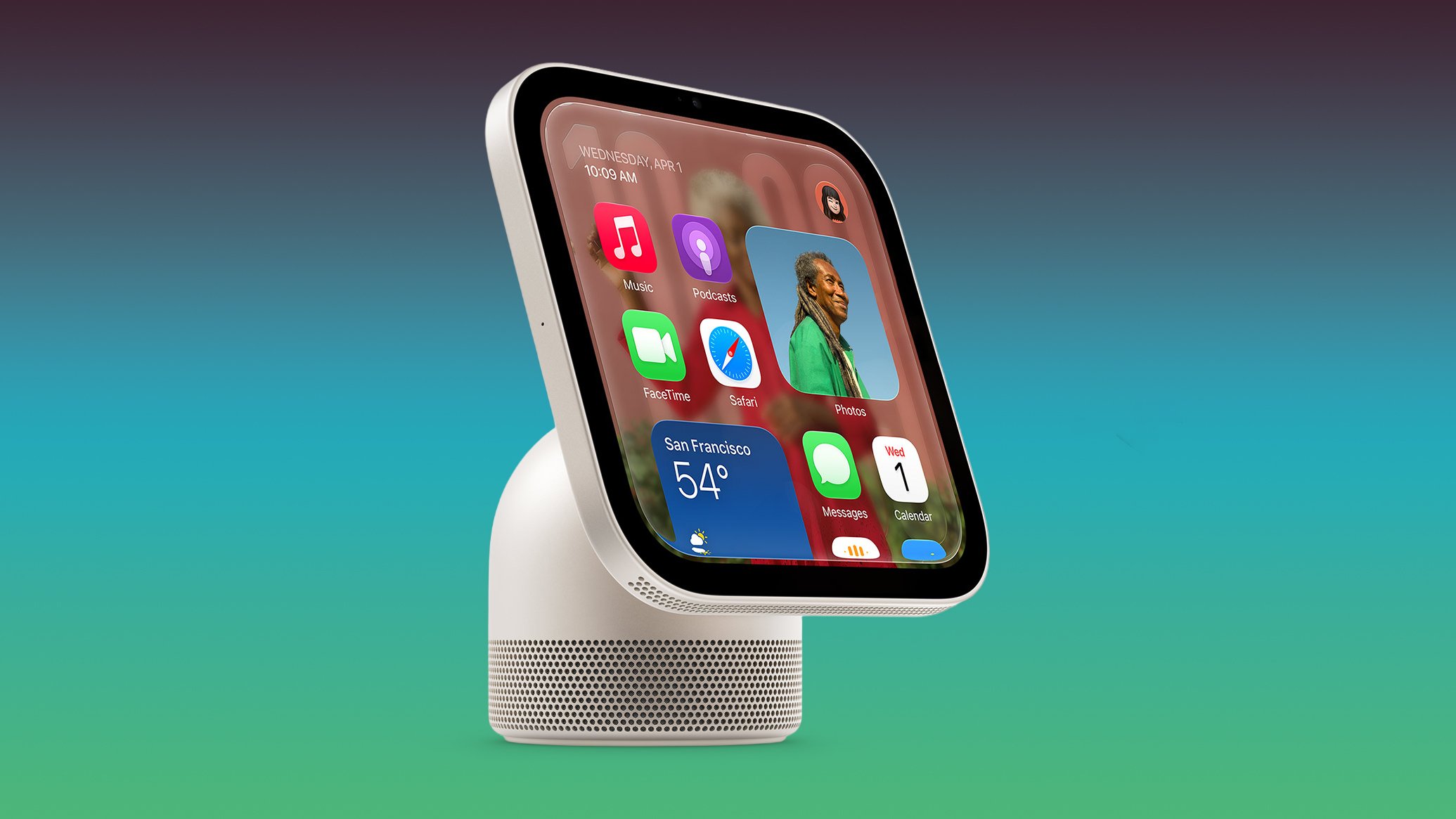
HomeView launches on November 13 for $299, in both desktop and wall-mounted versions. Here's what Apple has announced so far:

  • 7-inch Liquid Retina display, in a tabletop model with a speaker base and a wall-mounted model.

  • Face recognition for up to six users, each with a personal Home Screen with apps and widgets.

  • Siri AI, with conversations that continue in the Siri app on other Apple devices.

  • Personal content from Messages, FaceTime, Calendar, Reminders, and Find My, shown when the enrolled user is recognized and their iPhone or iPad is nearby and recently unlocked.

  • Faces including Photos, Flow, Snoopy, Home Modular, and Home Camera.

  • Apple Music, Podcasts, News, and Apple TV, plus compatible third-party audio and video apps.

  • Handoff from iPhone, and multiroom audio with HomePod, HomePod mini, and AirPlay speakers.

  • FaceTime with Center Stage, Messages by voice or keyboard, and Intercom.

  • Step-by-step recipes from the web with hands-free timers.

  • Smart home controls, including a Home Camera face that shows up to nine live camera feeds.

  • With a supported iCloud+ subscription, recognition of people, pets, packages, and vehicles from compatible cameras.

  • Smoke and carbon monoxide alarm sound detection.

  • Support for Apple Home Collection accessories, other "Works with Apple Home" accessories, and Matter.

HomeView won't have an App Store. However, as we reported last month, it shows CarPlay-style third-party audio and video apps from a connected iPhone or iPad. HomeView isn't on sale in the European Union because Siri AI is currently unavailable in iOS there, and Apple says it is still working with the EU to find a path forward to make it available in the bloc.
Related Roundup: Apple HomeView
Tag: pdfu
Buyer's Guide: HomeView (Buy Now)

This article, "HomeView Code Suggests Future Support for AI Chatbot Apps, Anti-Spoofing Protection" first appeared on MacRumors.com

Discuss this article in our forums
  •  

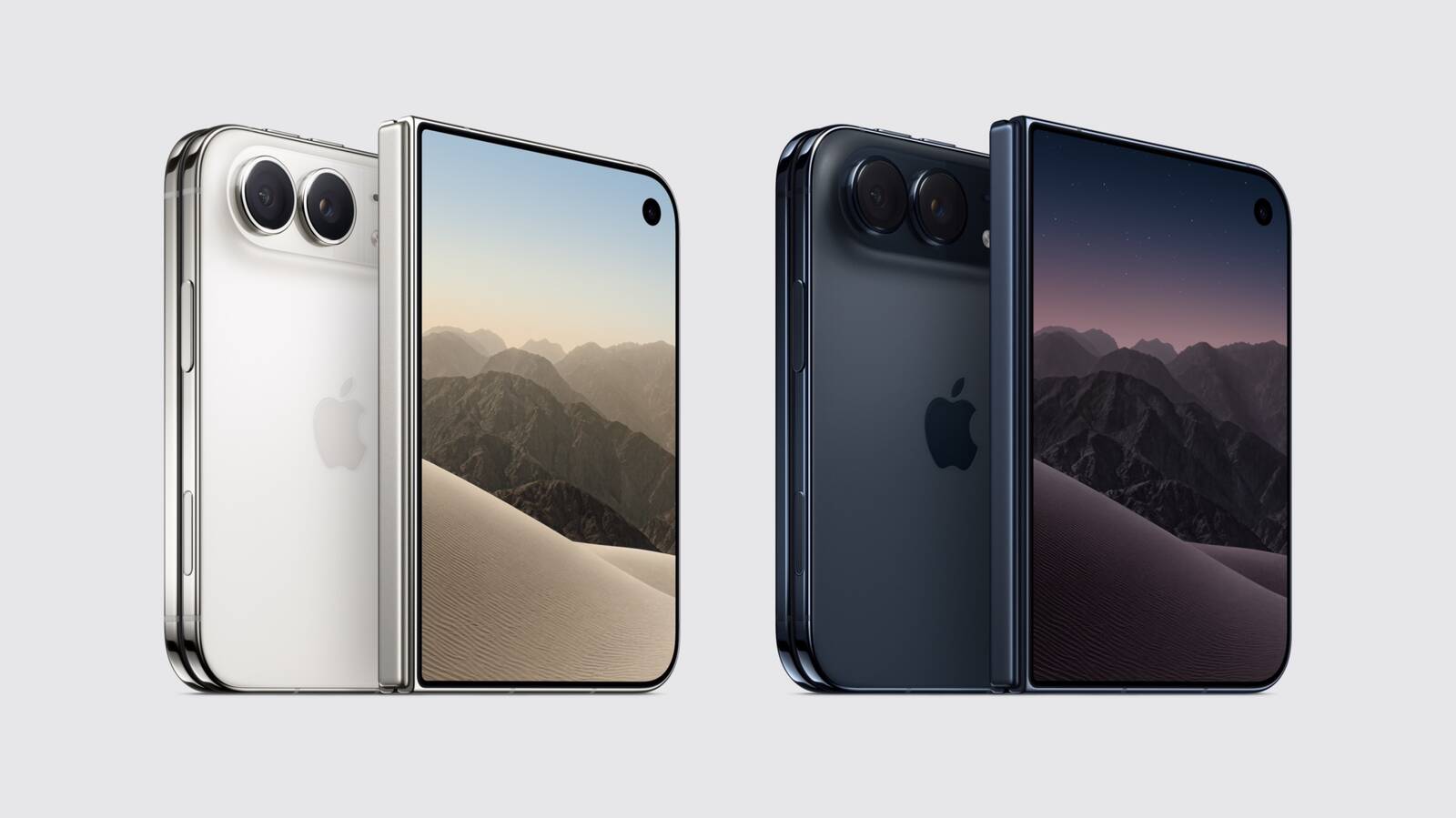
Got an iPhone Duo on Launch Day? Today Could Be Your Last Chance to Return It

If you purchased an iPhone Duo on launch day and are having second thoughts about keeping Apple's first foldable iPhone, today could be your last chance to return it for a full refund.


Apple officially launched the iPhone Duo on Friday, October 23, so the standard 14-day return window for customers who purchased and received the device that day expires on Friday, November 6.

Under Apple's U.S. return policy, customers have 14 calendar days from receiving a product to return it, whether they purchased it online or at an Apple retail store. A similar standard return period applies in the UK and across much of the rest of Europe.

If you bought the iPhone Duo in Canada, then you have slightly longer. Under Apple's Canadian return policy, buyers have 15 calendar days from receiving their device to initiate a return, so if you got your device on launch day then you have until Saturday, November 7 to return it.

UK and EU Online Customers Have More Time to Send It Back


There's an important distinction to note if you're in the UK or the European Union and you purchased your iPhone Duo online. Under consumer protection laws, you have 14 days from receiving the device to notify Apple that you intend to return it. Once you've made that notification, you have a further 14 days to send the device back or arrange a collection.

In other words, if you're a UK or EU customer who received the iPhone Duo on October 23 and you request a return today, then you could have until November 20 to dispatch it. This also applies to devices ordered online and collected at an Apple Store. However, if you actually purchased your device directly at a physical Apple Store – which probably means you waited in a separate line to collections – then you generally need to return it within the initial 14-day window.

Note that the November 6 deadline doesn't apply to everyone who pre-ordered the iPhone Duo. Apple's return period is calculated from when customers received their devices, rather than when they placed their orders, so if your iPhone Duo arrived after launch day, you have more time to return it for a refund – if that's your preference.

What to Know Before Returning Your iPhone Duo


Apple asks customers to return their devices with the original packaging and included accessories. Also, remember to disable Find My for the iPhone Duo before returning the device. Returns can be initiated through Apple's online Order Status page or, in the US, at an Apple retail store.

Keep in mind that these policies apply only to purchases made directly from Apple – if you bought an iPhone Duo through a carrier or third-party retailer, you'll be subject to that seller's return policy.

Lastly, if you signed up for a new cellular plan with the iPhone Duo, returning the device may not automatically cancel that service. Apple advises contacting your carrier about cancellation requirements and any associated fees. Do you plan on returning your iPhone Duo? Let us know in the comments.
Related Roundup: iPhone Duo
Buyer's Guide: iPhone Duo (Buy Now)
Related Forum: iPhone

This article, "Got an iPhone Duo on Launch Day? Today Could Be Your Last Chance to Return It" first appeared on MacRumors.com

Discuss this article in our forums
  •  

Apple Launching Five New Products Tomorrow

Apple is releasing five new products this Friday, November 6, following pre-orders that opened last week, including its first touchscreen MacBook Pro models.

The following new products will be available from tomorrow:


The iPad mini starts at $699, the iMac starts at $1,499, and the M6 MacBook Pro at $1,999. Pricing for the MacBook Pro with OLED touchscreen starts at $2,899 for the 14-inch model and $3,399 for the 16-inch model. All five remain available to pre-order, with shipping dates generally looking good for launch-day delivery. The only exception is the base 14-inch touchscreen MacBook Pro – Space Black ships in 3-4 weeks, while Silver ships in 7-10 business days.
This article, "Apple Launching Five New Products Tomorrow" first appeared on MacRumors.com

Discuss this article in our forums
  •  
❌