
❌

Normale Ansicht

Empfangen — 15. November 2026 ⏭ MacRumors: Mac News and Rumors - All Stories

Apple's Smart Glasses Strategy Hinges on Siri and iPhone Apps

Apple plans to unveil its first smart glasses at WWDC in June 2027 and begin shipping them before the end of the year, according to Bloomberg's Mark Gurman.


In the latest edition of his "Power On" newsletter, Gurman shared new details about the glasses' design, charging system, and Siri features.

Current prototypes of the glasses, internally code-named "N50," are reportedly slightly thinner than Meta's second-generation Ray-Bans. Some test units have oval camera openings integrated into the frame without protruding housings. A front light indicates use or charging, while Apple is experimenting with additional privacy features.

Apple is apparently developing multiple styles and colors, with an emphasis on materials, sensors, and audio quality. Employees have described the sound as "industry-leading," with the glasses supporting music playback, calls, and FaceTime audio.

Testers can also charge the prototype glasses while wearing them. A flat, three-pin magnetic connector, "roughly the size of a Tic Tac," attaches near the end of the left temple arm. Gurman said it remains unclear whether Apple will use this charging system in the shipping product.

The first model will not display augmented reality imagery. Wearers will interact through ‌Siri‌, which will use the cameras to answer questions about their surroundings.

Planned uses include identifying buildings, suggesting meals based on ingredients in a refrigerator, providing directions, and translating signs and conversations. Apple also intends to support calls, messages, iPhone notifications, calendars, standard and visual reminders, music controls, and smart home controls.

To support the glasses, developers will need to let ‌Siri‌ control specific features in their iPhone apps. Apple envisions tasks such as booking restaurant tables, requesting rides, ordering coffee, shopping, and purchasing movie tickets working on the device.

Developers will not need to create separate apps for the glasses. Their software will run on a paired iPhone, with the two devices working together to fulfill requests. Current plans require a recent iPhone model, with no Android support. The paired phone will compensate for the glasses' limited processing power and memory.

Wi-Fi will allow certain functions outside third-party apps to remain available without a nearby iPhone. Gurman suggested audio playback could theoretically continue over Wi-Fi, although the glasses will not function as a fully independent device.

Internal prototypes purportedly run a reduced version of visionOS 28 and contain a processor derived from older Apple Watch chips. Other custom components handle wireless connectivity and process images as the cameras capture them.

Apple began introducing the necessary ‌Siri‌ controls in this month's first iOS 27.3 beta, enabling more precise control of app actions. Originally demonstrated in 2024, the capability has been rebuilt using newer AI models. Apple plans to release support for its own apps in December, followed by third-party support in 2027.

Apple wants developers to prepare those integrations before the glasses arrive and continues to target a WWDC announcement next year. The company sees access to its existing app ecosystem as a major selling point against rival smart glasses.

The device will also overlap with camera-equipped AirPods, which remain scheduled for launch in late 2027 and will also provide ‌Siri‌ with information about the user's surroundings. The glasses should offer longer battery life and accommodate more sensors, with Apple seeing the potential for them to be worn throughout the day.

Work on the glasses started in the early 2020s, and Apple is said to have largely settled on the hardware. The remaining obstacles involve software and AI, which Gurman said are running late and could delay the planned 2027 launch.
Related Roundup: AirPods Pro 3
Buyer's Guide: AirPods Pro (Neutral)
Related Forum: AirPods

This article, "Apple's Smart Glasses Strategy Hinges on Siri and iPhone Apps" first appeared on MacRumors.com

Discuss this article in our forums
  •  
Empfangen — 13. November 2026 ⏭ MacRumors: Mac News and Rumors - All Stories

The MacRumors Show: HomeView and Apple TV 4K First Impressions

On this week's episode of The MacRumors Show, we share first impressions of Apple's new HomeView and Apple TV 4K, including their hardware, everyday usefulness, and experiences with Siri AI.

Subscribe to The MacRumors Show YouTube channel for more videos

Following a week with the HomeView, Apple's new smart home device makes a strong impression with its build quality and sound, but leaves questions about how much it adds to a household already filled with Apple products. Its overlap with existing devices has already prompted some skepticism.

The 7-inch display may feel smaller in person, with its square aspect ratio and thick bezels contributing to an appearance reminiscent of a large Apple Watch. Sound quality from the tabletop model is a highlight, falling between the HomePod mini and full-sized ‌HomePod‌. That also raises questions about the value of the wall-mounted version, which costs the same $299 before mounting accessories but lacks the larger speaker base.

In the kitchen, setting timers, playing music, answering questions, and controlling smart home accessories provide straightforward reasons to use the HomeView. Turning web recipes into clean, step-by-step instructions with ingredient checklists is a particularly useful example of where the software is designed around its setting. Elsewhere in the home, its purpose can be less obvious, especially at a desk already surrounded by screens.


Personalization is another promising part of the experience. The HomeView's face recognition can switch quickly between household members, bringing up the correct person's apps and information even when two people are standing beside one another.

The interface combines familiar elements from Apple's other platforms, but that familiarity also invites questions about whether it feels sufficiently tailored to the home. Messaging and browsing are available, yet typing on a stationary display may be something users do only occasionally. The HomeView has no App Store, instead supporting compatible third-party audio and video apps through a connected iPhone or iPad, just like CarPlay.

Video playback offers some flexibility for watching something at a kitchen counter, bedside, or desk, although widescreen content occupies a small portion of the square display.


The fourth-generation Apple TV 4K provides noticeably faster navigation and animations thanks to the A19 chip. Its built-in microphones make hands-free ‌Siri‌ convenient when the remote is missing, including while TV audio is playing. The updated ‌Siri‌ Remote's speaker also makes finding it around the room easier.

Support for four-speaker ‌HomePod‌ surround sound provides another reason to consider the new ‌Apple TV‌, particularly for users who already own compatible speakers. We weigh up the appeal of expanding an existing ‌HomePod‌ setup against buying a dedicated home theater system, and consider whether these additions justify the ‌Apple TV‌'s new, higher starting price of $299.

‌Siri‌ AI is a major part of both new products, and its expanded capabilities come with familiar frustrations. More complex questions and requests involving personal context can work, but long waits and inconsistent results can interrupt the experience. Our discussion also touches on occasions when simple tasks, such as adding reminders, prove less reliable than expected, despite the assistant's broader abilities.

The MacRumors Show has its own YouTube channel, so make sure you're subscribed to keep up with new episodes and clips.

You can also listen to ‌The MacRumors Show‌ on Apple Podcasts, Spotify, Overcast, or other podcast apps. You can also copy our RSS feed directly into your player.


If you haven't already listened to the previous episode of The MacRumors Show, catch up to hear our discussion about Apple's first 27.3 betas, which bring expanded ‌Siri‌ AI actions, a redesigned Health app, and new Fitness+ features, alongside conversation summaries on the Apple Watch.

Subscribe to ‌The MacRumors Show‌ for new episodes every week, where we discuss some of the topical news breaking here on MacRumors, often joined by familiar guests such as Tyler Stalman, Michael Fisher, Kayci Lacob, Kevin Nether, John Gruber, Mark Gurman, Jon Prosser, Luke Miani, Matthew Cassinelli, Brian Tong, Quinn Nelson, Jared Nelson, Eli Hodapp, Mike Bell, Sara Dietschy, iJustine, Jon Rettinger, Andru Edwards, Arnold Kim, Ben Sullins, Marcus Kane, Christopher Lawley, Frank McShan, David Lewis, Sam Kohl, Federico Viticci, Thomas Frank, Jonathan Morrison, Ross Young, Ian Zelbo, and Rene Ritchie.

‌The MacRumors Show‌ is on X @MacRumorsShow, so be sure to give us a follow to keep up with the podcast. You can also email us at podcast@macrumors.com or head over to The MacRumors Show forum thread. Remember to rate and review the podcast, and let us know what subjects and guests you would like to see in the future.
Related Roundups: Apple TV, Apple HomeView

This article, "The MacRumors Show: HomeView and Apple TV 4K First Impressions" first appeared on MacRumors.com

Discuss this article in our forums
  •  

Apple Meets Thai Officials Over iPhone Spyware Warnings

Apple met with Thai officials earlier this week to discuss spyware warnings received by politicians and other users in the country, Bloomberg reports.


The discussions followed Apple's October 29 threat notifications, which reached users in 99 countries. Apple told Bloomberg that it issued the warnings after identifying activity consistent with mercenary spyware attacks, raising concerns about surveillance of Thai political figures.

After meeting Apple representatives, Thailand's Digital Economy and Society Minister Chaichanok Chidchob said that the alerts alone do not establish that attackers gained access to the recipients' devices. Authorities also had no evidence connecting the attempted intrusions to Pegasus, the surveillance software made by NSO Group.

Thailand was previously the subject of a documented Pegasus campaign. A 2022 investigation by Citizen Lab, working with Thai organizations iLaw and DigitalReach, confirmed infections affecting at least 30 people between October 2020 and November 2021. Those affected included activists, academics, lawyers, and others connected to the country's pro-democracy movement. Apple's warnings to Thai users in November 2021 helped initiate that investigation, with recipients contacting researchers for assistance.

Apple has been issuing threat notifications since 2021, reaching users in more than 150 countries overall. The company says mercenary spyware operations devote substantial resources to targeting particular individuals, often because of their profession or public role.

According to Apple's threat notification guidance, its warnings reflect high confidence that a user has been targeted, although detection cannot provide absolute certainty. Apple withholds details about how it identifies attacks to prevent operators from adapting their techniques, and its notifications do not attribute responsibility to particular attackers or regions.

Recipients are advised to enable Lockdown Mode and obtain specialist help. A genuine warning can also be checked by signing in directly to account.apple.com.
This article, "Apple Meets Thai Officials Over iPhone Spyware Warnings" first appeared on MacRumors.com

Discuss this article in our forums
  •  

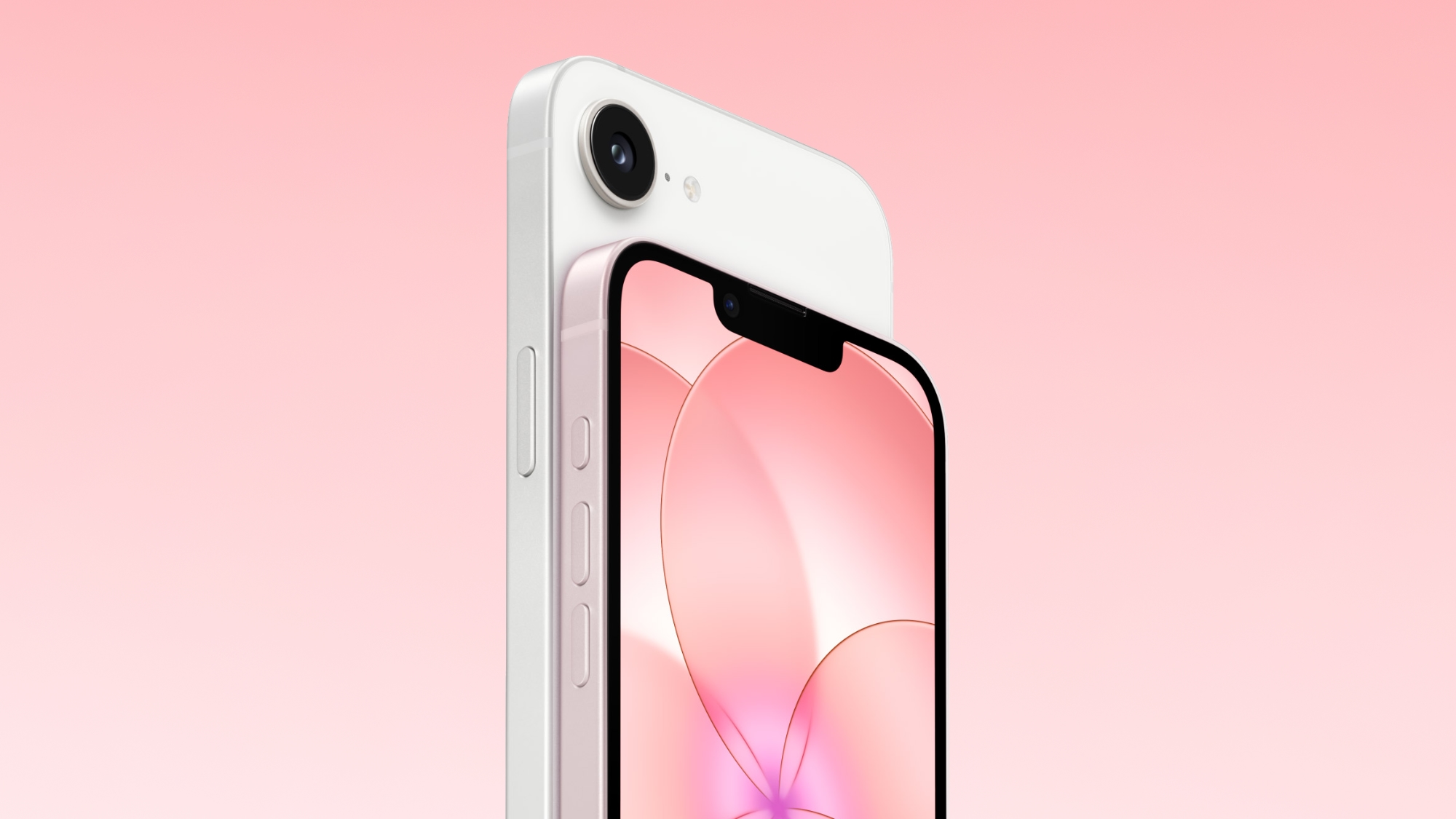
iPhone 18 and 18e Coming in Spring 2027 With A20 Chip

Apple's iPhone 18 and iPhone 18e will launch in spring 2027 with an A20 chip, Bloomberg's Mark Gurman reiterated on the latest episode of his "Power On" podcast. The remarks align with his previous reporting on the launch timing. The iPhone Air 2 is also expected at the same time.
Related Roundups: iPhone 17e, iPhone 18
Buyer's Guide: iPhone 17e (Caution)
Related Forum: iPhone

This article, "iPhone 18 and 18e Coming in Spring 2027 With A20 Chip" first appeared on MacRumors.com

Discuss this article in our forums

  •  

King Charles to Join Elton John's Apple Music Radio Show

King Charles III will join Elton John on Apple Music 1 this Saturday for a special episode of "Rocket Hour" marking 50 years of The King's Trust.


The episode premieres at 9 a.m. GMT on November 14, the King's 78th birthday. Recorded during his October visit to ‌Apple Music‌'s London studios, the conversation covers the musicians and fundraising concerts associated with the charity throughout its history.

Charles and John discuss performances at venues including Wembley Arena and the Royal Albert Hall, as well as artists who received support from the charity early in their careers. Muse, for example, used a grant to buy sound equipment when the band was still called "Rocket Baby Dolls," before eventually returning to raise funds for the organization with a Royal Albert Hall concert in 2018. The episode's music selections also include Raye and Skye Newman.

The recording coincided with the introduction of Apple x King's Trust Creative Labs, an education initiative offering young adults practical experience with creative technology. The program brings together up to 20 participants aged 18 to 30 for workshops exploring potential careers, with the first sessions held in October focusing on music and creative industries.

Apple has supported the charity since 2019, providing technology and coding education resources through its existing programs. The partnership is also developing materials to help educators and young people build their understanding of AI. Charles previously visited Apple's UK headquarters in December 2024, where young people supported by the charity demonstrated coding projects.

The London recording facilities were announced in September alongside Apple Music Hall at Battersea Power Station. The expansion combines new radio studios with a 600-capacity performance venue that can capture concerts in Spatial Audio and produce video for broadcasts.

John has hosted "Rocket Hour" since 2015, using the show to introduce listeners to emerging artists alongside established acts. Charles previously worked with ‌Apple Music‌ on "The King's Music Room," a March 2025 broadcast recorded at Buckingham Palace in which he shared songs by Commonwealth artists and explained their personal significance.

The new special will air for free on ‌Apple Music‌ 1, with additional broadcasts at 5 p.m. and 10 p.m. GMT on Saturday. Sunday repeats include broadcasts on both ‌Apple Music‌ 1 and ‌Apple Music‌ Hits at 10 a.m. and 2 p.m. GMT.
This article, "King Charles to Join Elton John's Apple Music Radio Show" first appeared on MacRumors.com

Discuss this article in our forums
  •  

Major Microsoft 365 Outage Continues

The worldwide Microsoft 365 outage continues, leaving users unable to access email and disrupting features in Teams, Copilot, and other services, although Microsoft says recovery efforts are making progress.


Issues emerged on Thursday, November 12, with nearly 130,000 Outlook reports recorded on Downdetector shortly after 1 p.m. Eastern, according to the Associated Press. The disruption extended to businesses and government operations, with Japan confirming a significant impact on government IT systems.

Exchange Online is at the center of the incident. Microsoft's service health page says affected users may have trouble opening mailboxes through Outlook on the web, desktop, and mobile. Messages may also be delayed.

Exchange accounts accessed through other clients such as Apple Mail are also experiencing problems because the disruption involves Microsoft's underlying infrastructure. Similarly, the disruption has reached third-party AI services that connect to Microsoft accounts.

The outage is also interrupting Microsoft 365 features that rely on Exchange. Copilot chats may fail, and the assistant may be unable to retrieve work emails, calendars, or files. Microsoft has identified additional problems involving Planner, To Do, administrative tools, and some SharePoint functions, although files stored directly in SharePoint remain accessible.

Microsoft Teams is not entirely offline. Microsoft says that most calling, meeting, and messaging functions remain available, but users may encounter errors when scheduling meetings, handling invitations, or editing calendar entries. Some contact and channel management features are also affected.

Microsoft's latest update said repairs across parts of the Asia Pacific region were improving mailbox access and helping delayed emails move through the system. The company is extending that work to other regions and adding capacity, but some users may still experience intermittent failures.

Microsoft has increased the email timeout window to 48 hours to help protect delayed messages while backlogs clear. It says it has found no evidence of malicious activity and has not provided a deadline for full restoration.
This article, "Major Microsoft 365 Outage Continues" first appeared on MacRumors.com

Discuss this article in our forums
  •  
Empfangen — 12. November 2026 ⏭ MacRumors: Mac News and Rumors - All Stories

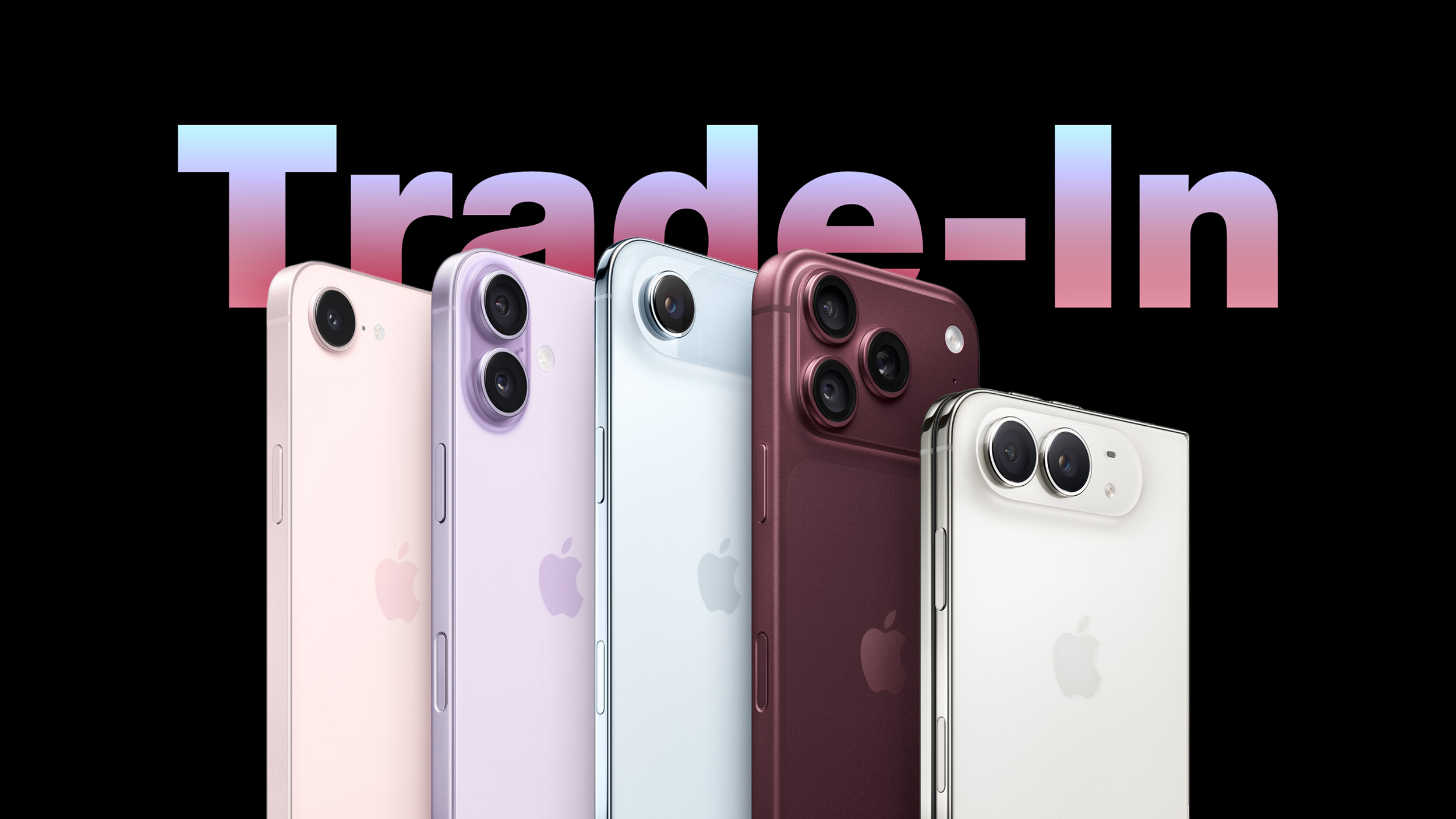
Apple Adds Samsung Foldables to Trade-In Program

Apple today revised its U.S. trade-in estimates, with increases for many older iPhones, reductions for several Pro models, and newly listed offers for six Samsung foldables.


The iPhone 17 Pro has the largest dollar reduction among the affected iPhones, dropping $45 to a maximum of $740. The iPhone 17 Pro Max falls $30 to $855, while the iPhone Air and standard iPhone 17 each gain $30, bringing both to $615.

Many older models recover some of the value lost in September's reductions. Most remain below their pre-September maximums, although the second-generation iPhone SE returns to $45, fully reversing its $5 cut.

The following iPhone estimates have changed. Each price is the maximum available trade-in credit:


  • iPhone 17 Pro Max: $855 (previously $885)

  • iPhone 17 Pro: $740 (previously $785)

  • iPhone Air: $615 (previously $585)

  • iPhone 17: $615 (previously $585)

  • iPhone 16 Pro Max: $590 (previously $610)

  • iPhone 16 Plus: $450 (previously $430)

  • iPhone 16: $440 (previously $430)

  • iPhone 16e: $285 (previously $270)

  • iPhone 15 Pro Max: $445 (previously $455)

  • iPhone 15 Pro: $365 (previously $370)

  • iPhone 15 Plus: $325 (previously $315)

  • iPhone 14 Plus: $215 (previously $210)

  • iPhone 13 Pro Max: $330 (previously $320)

  • iPhone 13 Pro: $265 (previously $255)

  • iPhone 13: $180 (previously $175)

  • iPhone 12 Pro Max: $220 (previously $210)

  • iPhone 12 Pro: $180 (previously $165)

  • iPhone 12 mini: $85 (previously $80)

  • iPhone SE (2nd generation): $45 (previously $40)

  • iPhone 11 Pro Max: $145 (previously $140)

  • iPhone 11: $105 (previously $100)

  • iPhone XS Max: $90 (previously $85)

  • iPhone XS: $65 (previously $60)

  • iPhone XR: $80 (previously $75)

  • iPhone X: $55 (previously $50)


For customers switching from Android, Apple has added six Samsung foldables to its trade-in list. The Galaxy Z Fold7 receives the highest maximum offer among the additions, while the Galaxy Z Flip5 has the lowest:


  • Samsung Galaxy Z Fold7: $410 (newly listed)

  • Samsung Galaxy Z Fold6: $335 (newly listed)

  • Samsung Galaxy Z Fold5: $270 (newly listed)

  • Samsung Galaxy Z Flip7: $215 (newly listed)

  • Samsung Galaxy Z Flip6: $185 (newly listed)

  • Samsung Galaxy Z Flip5: $125 (newly listed)


Google Pixel owners generally receive lower offers under the update. The Pixel 9 loses $20, the largest dollar reduction among the affected Pixel models, while the Pixel 7 gains $5. The changed maximum estimates are as follows:


  • Google Pixel 9 Pro XL: $280 (previously $290)

  • Google Pixel 9 Pro: $265 (previously $275)

  • Google Pixel 9: $180 (previously $200)

  • Google Pixel 8 Pro: $135 (previously $150)

  • Google Pixel 8: $100 (previously $115)

  • Google Pixel 7 Pro: $80 (previously $90)

  • Google Pixel 7: $70 (previously $65)


The Apple Watch's adjustments are limited to six models. The Apple Watch Ultra 2 gains $10, three other watches gain $5 each, and the original Apple Watch Ultra and Series 7 each lose $5:


  • Apple Watch Ultra 2: $275 (previously $265)

  • Apple Watch Ultra: $185 (previously $190)

  • Apple Watch Series 10: $155 (previously $150)

  • Apple Watch SE (2nd generation): $65 (previously $60)

  • Apple Watch Series 7: $60 (previously $65)

  • Apple Watch Series 6: $45 (previously $40)


Mac and iPad trade-in values stay at the levels introduced in October, including maximum estimates of $2,560 for the Mac Pro and $915 for the iPad Pro.

Apple also introduced more detailed condition grading in September, improving offers for devices with minor cosmetic defects that previously received deductions similar to those applied to more serious damage.

Actual trade-in offers depend on the device's condition, year, and configuration. Through Apple Trade In, eligible devices can be exchanged for credit toward a purchase or an Apple Gift Card, while devices without trade-in value can be recycled for free.
This article, "Apple Adds Samsung Foldables to Trade-In Program" first appeared on MacRumors.com

Discuss this article in our forums

  •  

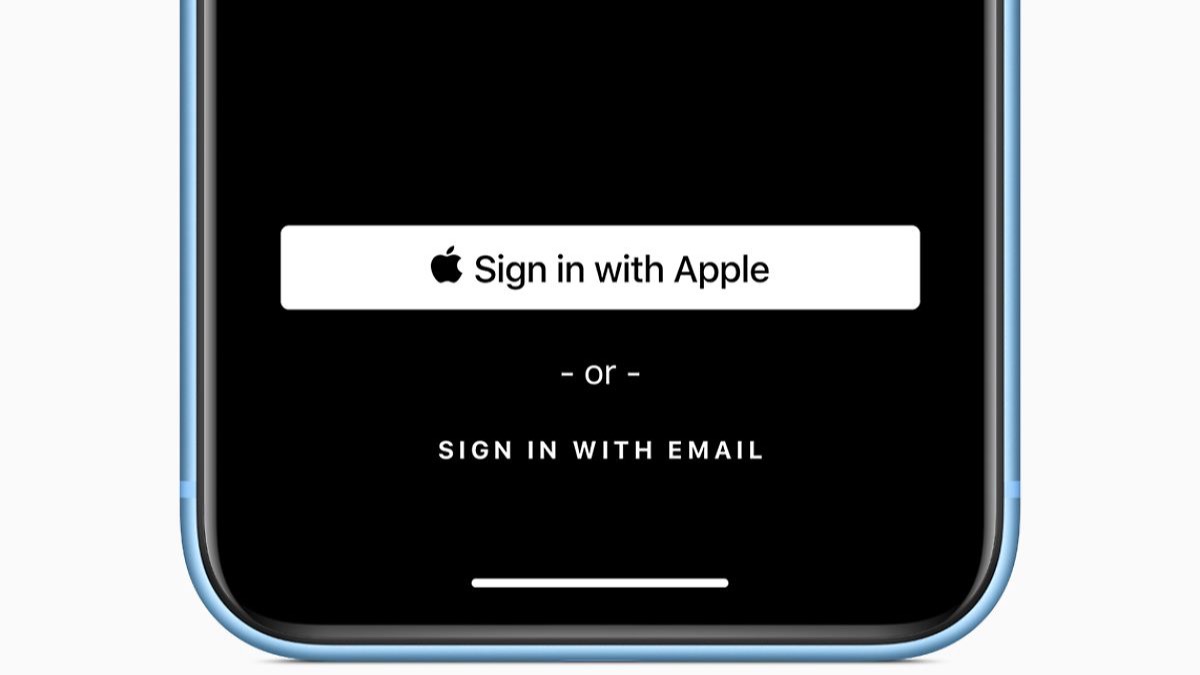
Nintendo to End 'Sign in With Apple' Support in January

Nintendo will stop allowing users to sign in to their Nintendo Account with an Apple or Google account on January 26, 2027, the company has announced.


Users will also no longer be able to create a Nintendo Account through either service. Nintendo has not explained why it is removing the options, but notes that the exact cutoff could be delayed depending on the progress of its system updates.

After the change, users will need to sign in with their Nintendo Account email address or Sign-In ID and password, or use a passkey. Nintendo says users who are already signed in on a device may not need to sign in again immediately.

Anyone who usually signs in through Apple or Google should check that they know their Nintendo Account login details before the deadline. Those who have never set a password, or have forgotten it, can select "Forgot your password?" on the Nintendo Account login page to request a reset email.

Users who chose to hide their email address with Sign in with Apple may have an Apple-generated relay address registered with Nintendo. Messages sent to that address are forwarded to their personal inbox. Nintendo advises anyone who can no longer access their registered email address to contact its support team.

Nintendo also recommends registering a passkey, which allows users to sign in using their device's fingerprint or facial recognition system instead of a password. The My Nintendo Platinum Points mission for linking a Google account will be discontinued as part of the change.
This article, "Nintendo to End 'Sign in With Apple' Support in January" first appeared on MacRumors.com

Discuss this article in our forums

  •  

'Ratchet & Clank: Ranger Rumble' to Leave App Store This Month

Sony is pulling the plug on a mobile spin-off of one of the PlayStation's best-known franchises before its worldwide launch. "Ratchet & Clank: Ranger Rumble" adapted the long-running series into a free-to-play multiplayer shooter for iOS and Android.

The game reached the UK, Canada, France, Denmark, Finland, Norway, Sweden, Indonesia, and the Philippines, but never launched in the U.S. Development has now stopped, with App Store downloads ending on November 21, 2026. Existing players can continue until May 1, 2027, when the servers close and the game becomes unplayable. In-app purchases have already been disabled, and the Super Pass is now free.
This article, "'Ratchet & Clank: Ranger Rumble' to Leave App Store This Month" first appeared on MacRumors.com

Discuss this article in our forums
  •  

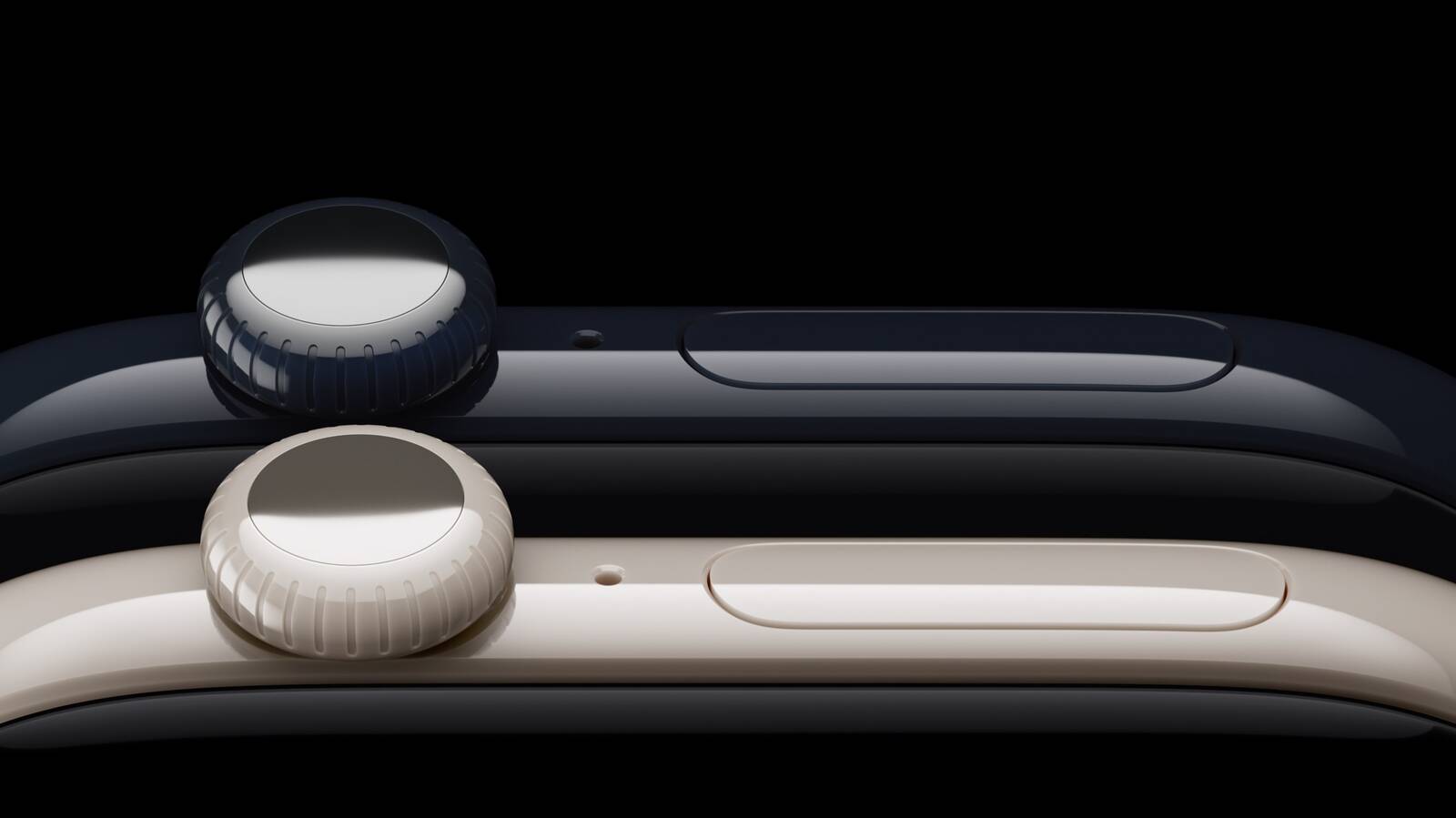
Apple's Johny Srouji Eyed to Replace Nvidia CEO Jensen Huang

Apple's chief hardware officer Johny Srouji is being considered as a potential successor to Nvidia CEO Jensen Huang as the chipmaker's board prepares to remove its co-founder, according to Semafor.


Citing a person familiar with the matter, the publication identified Srouji as one of the people under consideration for Nvidia's top job. It is unclear if Srouji has yet been approached or expressed interest in leaving Apple.

Nvidia has reportedly hired an outside firm to identify potential replacements for Huang, according to Bloomberg. The succession discussions follow reports of multiple extramarital affairs involving Huang, including one with a woman reportedly suspected of spying for China. Some directors apparently favor appointing chief financial officer Colette Kress as interim CEO if Huang is removed.

Srouji's emergence as a possible candidate comes just months after a substantial expansion of his responsibilities at Apple. In April, Apple promoted him from senior vice president of hardware technologies to chief hardware officer alongside the announcement that John Ternus would succeed Tim Cook as CEO. Srouji took over the hardware engineering organization previously led by Ternus while retaining oversight of Apple's custom chips and other hardware technologies.

The promotion followed uncertainty about Srouji's future at Apple. In December 2025, Bloomberg's Mark Gurman reported that Srouji had told Cook he was seriously considering leaving for another company. Cook was reportedly trying to retain him with increased compensation and broader responsibilities. Srouji subsequently told employees that he did not plan to leave "anytime soon."

Srouji helped lead the Mac's transition to Apple silicon, and his hardware technologies organization also oversees areas including cellular modems, cameras, displays, sensors, and batteries. Srouji joined Apple in 2008 to lead development of the A4 chip after holding senior processor development and design roles at Intel and IBM. He was also reportedly considered for Intel's CEO position in 2019, although that role ultimately went to Bob Swan.
This article, "Apple's Johny Srouji Eyed to Replace Nvidia CEO Jensen Huang" first appeared on MacRumors.com

Discuss this article in our forums
  •  
Empfangen — 11. November 2026 ⏭ MacRumors: Mac News and Rumors - All Stories

Is It Worth Buying a Ceramic Apple Watch?

The Apple Watch Series 12's ceramic casing option is its most luxurious, offering a distinctive finish and highly scratch-resistant material at a price above both aluminum and titanium. Is it worth choosing?


The ceramic Apple Watch starts at $899, compared to $399 for aluminum and $699 for titanium. Available in Pearl White and Night Blue, it brings ceramic back to the lineup for the first time since the Series 5. It is aimed at buyers who want a more unusual and special Apple Watch, and are willing to pay for the material and appearance rather than additional features.

Pearl White is particularly distinctive, with a lustrous, nonmetallic finish unlike anything offered in aluminum or titanium. For earlier ceramic Apple Watch models, Apple described a manufacturing process that combined zirconia powder with alumina before molding the case, heating it to form a dense solid, and polishing it with a diamond slurry. That process produced the smooth surface and rich white appearance that helped make the ceramic Apple Watch Edition so distinctive.

The included band is part of that appeal. Apple pairs the ceramic watches with exclusive Sand and Navy Blue Sport Bands featuring ceramic pin-and-tuck closures that match their respective cases. The Sand band gives the Pearl White model a distinctive overall appearance, with the matching ceramic closure providing a detail absent from ordinary Sport Bands.

Ceramic also offers a different look when paired with other bands. Pearl White creates a striking contrast with darker rubber or woven bands, while Night Blue offers a more understated combination. Metal bracelets remain an option, although their connectors will contrast with the ceramic case; buyers who prefer a coordinated metallic appearance may favor titanium with a Link Bracelet or Milanese Loop.

Ceramic also offers a practical benefit beyond its appearance: resistance to cosmetic wear. Earlier ceramic Apple Watch models were known for cases that were exceptionally difficult to scratch, helping preserve their finish throughout years of use. Polished titanium can pick up visible surface scratches, so buyers concerned about their watch retaining its original appearance have a good reason to consider ceramic.

Ceramic can still chip or crack under forceful impact, even though it resists scratches very well. It is a luxury case material with useful durability characteristics, rather than a substitute for the Apple Watch Ultra's rugged design.

Like titanium, the ceramic Series 12 features a sapphire front crystal that is highly resistant to scratches. Aluminum models instead feature Ceramic Shield 2, which refers to the front cover rather than a ceramic case. Titanium provides sapphire for $200 less, but it does not replicate the ceramic casing's distinctive finish or material qualities.

The ceramic models also include cellular connectivity as standard, while aluminum models offer a choice of GPS or GPS and Cellular. The $500 difference between their starting prices therefore covers more than the case material and front crystal, although ceramic remains a substantial premium even when comparing equivalent configurations.

There is a compromise in weight and proportions. Ceramic models are larger and heavier than their aluminum and titanium counterparts, without providing a larger display. The larger ceramic model weighs 51.3 grams in Pearl White and 52.9 grams in Night Blue, compared to 44.9 grams for titanium.

Internally, the ceramic Apple Watch Series 12 offers the exact same chip, sensors, display technology, and battery life as the aluminum and titanium versions. It also starts at $100 more than the Apple Watch Ultra 4, despite the Ultra offering longer battery life and additional capabilities.

Aluminum remains the stronger choice for buyers focused on features and value, while titanium offers a premium metallic finish and sapphire crystal at a lower price. Ceramic is for buyers who place greater importance on the material, finish, and sense of wearing something more unusual. If Pearl White is the Apple Watch you particularly want, neither titanium nor the Apple Watch Ultra offers a comparable substitute, regardless of their practical advantages.

Do you think the ceramic Apple Watch models are worth buying? Let us know in the comments.
Related Roundup: Apple Watch 12
Buyer's Guide: Apple Watch (Buy Now)
Related Forum: Apple Watch

This article, "Is It Worth Buying a Ceramic Apple Watch?" first appeared on MacRumors.com

Discuss this article in our forums
  •  

iPhone 18 Pro Max Wins Battery Test Involving 32 Smartphones

Apple's iPhone 18 Pro Max placed first overall in a battery comparison of 32 smartphones, with other iPhone models leading individual tests and matching significantly more expensive devices.


CNET assessed each phone using two tests totaling three hours and 45 minutes. One measured battery consumption during three hours of video streaming over Wi-Fi at maximum screen brightness. The other combined video playback, video calls, gaming, and social media use over 45 minutes. Both began at 100% charge, and the publication averaged the remaining percentages to produce its overall rankings.

The iPhone 18 Pro Max and Apple's first foldable, the iPhone Duo, each finished the mixed-use test with 99% remaining, sharing first place. Google's Pixel 11 Pro XL retained 97%, improving on the Pixel 10 Pro XL's 93% result in the same test.

The smaller iPhone 18 Pro delivered the strongest result in the video streaming test, retaining 94% of its charge after three hours. The iPhone 17 also performed well across both benchmarks, alongside Motorola's Razr and Razr Ultra models.

CNET credited the iPhone 18 Pro Max's overall lead to a battery capacity increase over the iPhone 17 Pro Max, combined with the A20 Pro chip's efficiency and iOS 27 optimizations.

Despite sharing first place in the mixed-use test, the $1,999 iPhone Duo tied for fourth overall. Its combined result matched the $699 iPhone 17e and $1,400 Motorola Razr Ultra, putting the less expensive iPhone alongside two foldable devices costing substantially more.

Apple also led CNET's comparison of average results by manufacturer for the second consecutive year. Only brands represented by multiple tested models were included, with OnePlus finishing second.

The broader findings were less indicative of an improvement across the industry. According to CNET, phones tested in 2026 had approximately the same average battery performance as those tested in 2025 and 2024. Larger batteries do not necessarily translate into longer use between charges, since displays, processors, and other features also affect power consumption.

The publication identified the iPhone 17 and iPhone 17e among its better-value options for battery endurance. Beyond Apple's devices, the $500 Motorola Moto G Stylus and $600 Motorola Edge both reached the overall top 10.
Related Roundup: iPhone 18 Pro
Tag: CNET
Related Forum: iPhone

This article, "iPhone 18 Pro Max Wins Battery Test Involving 32 Smartphones" first appeared on MacRumors.com

Discuss this article in our forums
  •  

Apple Chip Supplier TSMC Approves $1 Billion AI Investment

Apple chip supplier TSMC has announced board approval to invest up to $1 billion in AI companies OpenAI and Anthropic. The decision allows TSMC to buy up to $500 million of shares in each company. The board also authorized up to $500 million to create a company that will invest in semiconductor businesses and the wider industry.

TSMC manufactures Apple's custom chips, while OpenAI and Anthropic are developing processors of their own. The investments deepen TSMC's ties with companies that compete with Apple for its most advanced manufacturing capacity, as well as in the AI space more broadly. OpenAI is rumored to be working on hardware to rival Apple directly.
This article, "Apple Chip Supplier TSMC Approves $1 Billion AI Investment" first appeared on MacRumors.com

Discuss this article in our forums

  •  
Empfangen — 10. November 2026 ⏭ MacRumors: Mac News and Rumors - All Stories

iPad Mini 2021 vs. 2026 Buyer's Guide: Is It Worth Upgrading?

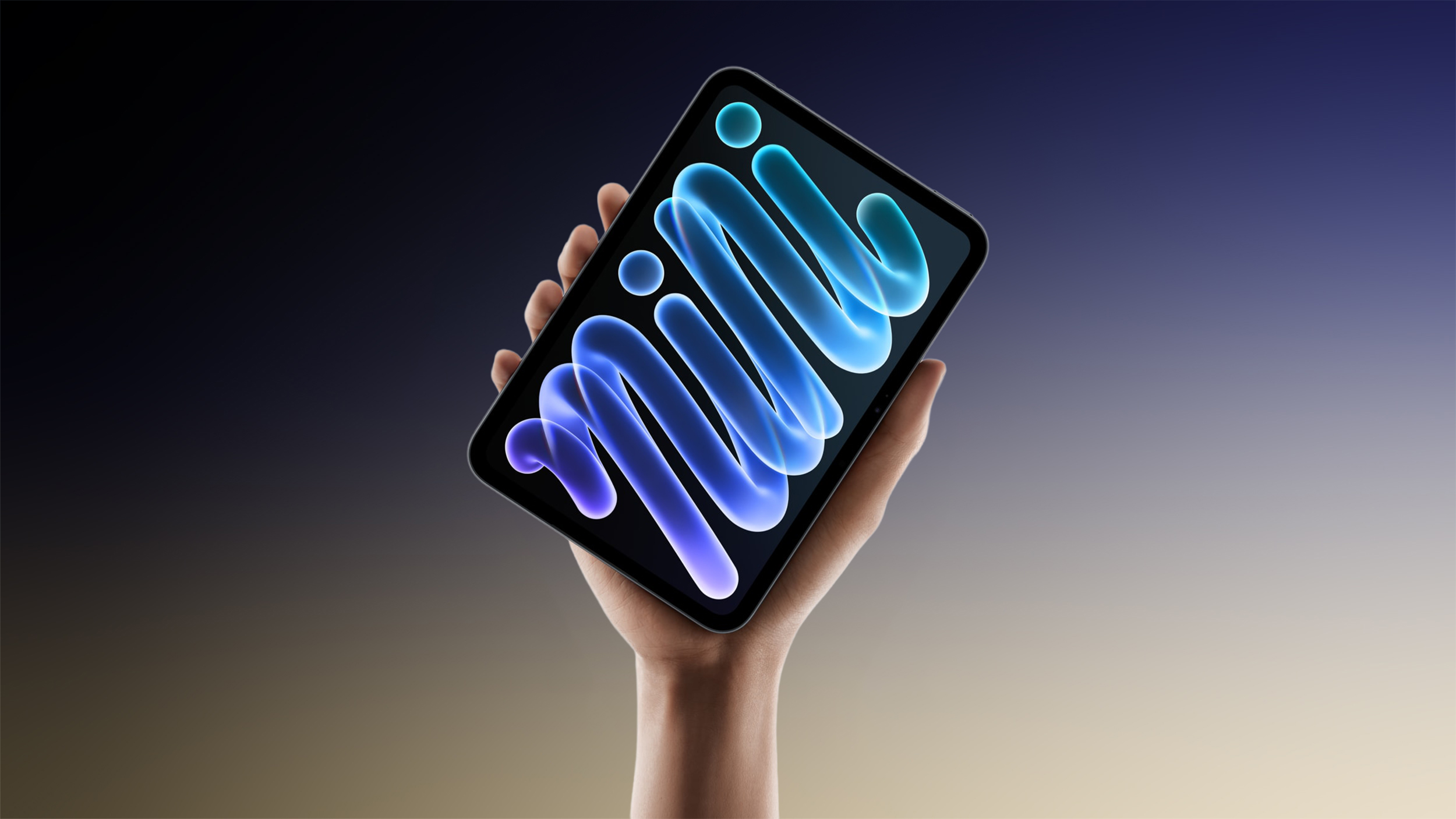
Apple's eighth-generation iPad mini went on sale earlier this month with a larger OLED display, a thinner and lighter design, the A20 Pro chip, and water and dust resistance. If you still use the sixth-generation ‌iPad mini‌ from 2021, the upgrade also brings changes that debuted on the 2024 model, including Apple Intelligence, Apple Pencil Pro support, and twice the USB-C transfer speed.


The new ‌iPad mini‌ starts at $699 for 128GB with Wi-Fi or $849 with cellular in the United States. The discontinued 2021 model started at $499 and $649, respectively, with 64GB of storage. Both support iPadOS 27.2, have Touch ID in the top button, and are rated for up to 10 hours of web browsing over Wi-Fi or watching video. Both displays also run at 60Hz.

Display, Design, and Accessories


‌iPad mini‌ (sixth generation, 2021) ‌iPad mini‌ (eighth generation, 2026)
8.3-inch display 8.5-inch display
Liquid Retina display with LED backlighting and IPS technology Super Retina XDR ‌OLED‌ display with 2,000,000:1 contrast ratio
2266-by-1488 resolution at 326 ppi 2316-by-1512 resolution at 326 ppi
Wider display borders 24% thinner display borders
500 nits maximum brightness 600 nits maximum SDR and full-screen HDR brightness, with up to 1,200 nits peak HDR brightness and 1-nit minimum brightness
Standard antireflective glass Standard antireflective glass or optional nano-texture glass on 256GB and 512GB models for $100, with a polishing cloth included
IP67 water and dust resistance, rated for a maximum depth of 1 meter for up to 30 minutes
Available in Space Gray, Starlight, Pink, and Purple Available in Midnight and Starlight
Supports ‌Apple Pencil‌ (second generation) and ‌Apple Pencil‌ (USB-C) Supports ‌Apple Pencil‌ Pro and ‌Apple Pencil‌ (USB-C)
‌Apple Pencil‌ hover and ‌Apple Pencil‌ Pro features including squeeze, barrel roll, haptic feedback, and Find My
Polyurethane Smart Folio, also compatible with the 2024 ‌iPad mini‌ Two-panel TechWoven Smart Folio with adjustable viewing angles, available separately in Navy Blue and Taupe for $79
94% fiber-based packaging 100% fiber-based packaging and 35% recycled content overall


Dimensions and Weight


‌iPad mini‌ (2021) ‌iPad mini‌ (2026)
Height 7.69 inches (195.4 mm) 7.69 inches (195.3 mm)
Width 5.3 inches (134.8 mm) 5.22 inches (132.6 mm)
Thickness 0.25 inch (6.3 mm) 0.21 inch (5.4 mm)
Weight (Wi-Fi) 0.65 pound (293 grams) 0.56 pound (255 grams)
Weight (Wi-Fi + Cellular) 0.66 pound (297 grams) 0.58 pound (263 grams)


The 2026 model is about 14% thinner and 13% lighter in its Wi-Fi configuration. The cellular model is about 11% lighter.

A15 Bionic vs. A20 Pro


‌iPad mini‌ (2021) ‌iPad mini‌ (2026)
Chip A15 Bionic A20 Pro
Manufacturing process 5-nanometer (TSMC N5P) 2-nanometer (TSMC N2)
CPU 6 cores (2 performance cores and 4 efficiency cores) 128GB and 256GB: 5 cores (2 super cores and 3 efficiency cores)
512GB: 6 cores (2 super cores and 4 efficiency cores)
GPU 5 cores 7 cores
Graphics features Dynamic Caching, hardware-accelerated mesh shading, and hardware-accelerated ray tracing
Neural Accelerators Dedicated Neural Accelerators in each GPU core
Neural Engine 16 cores 128GB and 256GB: 16 cores
512GB: Dual 16-core Neural Engine (32 cores total)
Memory 4GB 12GB
‌Apple Intelligence‌ ‌Apple Intelligence‌ and Siri AI, with support for Apple's larger on-device model for more expressive ‌Siri‌ voices and improved dictation
Storage 64GB or 256GB 128GB, 256GB, or 512GB


Apple claims up to 2.2 times the CPU performance and up to four times the GPU performance of the 2021 ‌iPad mini‌ in its tests. Against the 2024 A17 Pro model, Apple says it delivers more than twice the unified memory bandwidth and up to 4.5 times the speed in large language model token generation.

Cameras and Audio


‌iPad mini‌ (2021) ‌iPad mini‌ (2026)
Front camera on the portrait edge Front camera on the landscape edge
12MP front camera with Center Stage and an ƒ/2.4 aperture 12MP front camera with Center Stage and an ƒ/2.0 aperture
Smart HDR 3 on the front and rear cameras Smart HDR 4 on the front and rear cameras
Retina Flash for the front camera Retina Flash with True Tone for the front camera
Quad-LED True Tone rear flash Adaptive True Tone rear flash
Automatic document detection and scanning in the Camera app, with adaptive flash to reduce shadows
Landscape stereo speakers with external speaker holes Acoustic Display stereo audio with display-coupled woofers and concealed tweeters, without external speaker holes
Dual microphones Updated dual microphones for clearer calls and recordings
HEVC, H.264, and ProRes playback, with Dolby Vision and HDR10 support Apple also lists AV1 playback and HDR10+ and HLG support


Connectivity, Charging, and Price


‌iPad mini‌ (2021) ‌iPad mini‌ (2026)
Third-party wireless networking chip Apple N1 wireless networking chip
Wi-Fi 6 Wi-Fi 7
Bluetooth 5.0 Bluetooth 6
Thread
Third-party 5G modem (cellular models) Apple C2 5G modem (cellular models)
U.S. cellular model A2568 supports LTE band 46 U.S. cellular model A3596 adds 5G bands n14, n26, n70, and n75 and LTE band 106, and drops LTE band 46
UMTS/HSPA/HSPA+/DC-HSDPA support UMTS/HSPA/HSPA+ support
Nano-SIM or eSIM (cellular models) eSIM only (cellular models)
USB-C with USB 3 speeds up to 5Gb/s USB-C with USB 3 speeds up to 10Gb/s
External display output up to 4K at 30Hz External display output up to 4K at 60Hz
Extended external display mode with iPadOS 27.2
19.3Wh battery 18.9Wh battery
Fast charging up to 50% in around 30 minutes with a 35W or higher USB-C power adapter, sold separately
Now discontinued Starts at $699 (Wi-Fi) or $849 (Wi-Fi + Cellular)


Both the 2021 and 2026 models are rated for up to nine hours of web browsing over cellular. Apple claims up to 50% faster cellular data speeds with the C2 modem compared with the 2024 ‌iPad mini‌.

Should You Upgrade?


If your 2021 model still feels responsive and lasts long enough for reading, browsing, and taking notes, keeping it makes sense for now, and if battery life is your only complaint, a battery service may be enough.

However, for many 2021 ‌iPad mini‌ owners, the 2026 model is a worthwhile upgrade. If you've had yours since launch, its battery has had five years to wear down, and 64GB can feel cramped if you keep games or downloaded video on it. The new model gives you a fresh battery and twice the storage if you're coming from the 64GB version. Apple still rates both models for up to 10 hours when new, but the 2026 model can charge to 50% in around 30 minutes with a 35W or higher adapter.

The ‌OLED‌ display and lighter design are the changes you're most likely to notice every day. The screen can get dimmer for reading in bed and brighter for HDR video, and the lower weight makes the ‌iPad mini‌ easier to hold one-handed for long stretches. Both displays run at 60Hz, with no ProMotion. The A20 Pro and extra memory matter more if you play demanding games, edit photos or video, or often find that apps reload when you switch back to them.

Some of the smaller changes matter more depending on where you use your ‌iPad mini‌. IP67 water and dust resistance is useful if you take it outdoors, read by the pool, or use it in the kitchen. The landscape front camera is better positioned for calls when the iPad is propped up horizontally, and extended display support lets you use a monitor as a separate workspace.

Which Model Should You Buy?


The discontinued 2024 iPad mini is a good middle ground if your 2021 model is showing its age and you're happy with its display. It gives you more base storage, ‌Apple Intelligence‌, faster USB-C transfers, and ‌Apple Pencil‌ Pro support, and you can reuse your existing Smart Folio. Apple lists the 128GB Wi-Fi model for $509 through its Certified Refurbished store when available, with a new battery and a one-year warranty. Remaining new stock from third-party retailers is also worth considering at a low enough price.

If prices are close at the same storage capacity, buy the 2026 model. At $699, it makes the most sense if you specifically want the ‌OLED‌ display, lighter body, or water resistance. If you use a Smart Folio, factor in $79 for the redesigned version. The USB-C ‌Apple Pencil‌ works with either newer model, while the second-generation ‌Apple Pencil‌ needs replacing. Both newer cellular models use eSIM, so check with your carrier if you currently use a physical SIM.

A used 2021 ‌iPad mini‌ is still a reasonable buy at around $300 or lower if you want a second device for reading, notes, or streaming and 64GB is enough. Battery condition matters more than cosmetic wear; if the price of a 256GB unit or the cost of a battery service brings it close to a refurbished 2024 model, the newer device is still the better buy.

If you're buying the 2026 model, 128GB at $699 is enough for most buyers. If you're already close to filling 128GB on your current ‌iPad‌, the $799 256GB model gives you room to grow. Nano-texture glass brings that configuration to $899 and is worth considering if you regularly contend with glare. The $999 512GB model makes the most sense if you need the extra space for games, media, or projects. It also gets an additional CPU core and a second Neural Engine, which are worth weighing if you use apps that can take advantage of them.
Related Roundup: iPad mini
Buyer's Guide: iPad Mini (Buy Now)
Related Forum: iPad

This article, "iPad Mini 2021 vs. 2026 Buyer's Guide: Is It Worth Upgrading?" first appeared on MacRumors.com

Discuss this article in our forums
  •  

OLED iPad Air Rumored to Launch in Two Sizes in Early 2027

Apple is expected to replace the LCD screens in both sizes of the iPad Air with OLED displays in the first half of 2027, according to DigiTimes.


An ‌OLED‌ ‌iPad Air‌ has been rumored for over a year. Bloomberg's Mark Gurman reported in October 2025 that Apple was developing one and that it was unlikely to arrive before 2027. He narrowed that window to the first half of 2027 earlier this month. The latest report adds shipment estimates and details on how panel orders could be split.

Samsung Display is expected to supply most ‌iPad Air‌ panels. BOE is seeking orders for one of the two sizes and still needs to qualify as a supplier. With orders for the ‌iPad Air‌ and iPad mini, Samsung could become Apple's largest supplier of ‌OLED‌ iPad panels overall, while LG Display is expected to retain the lead for the iPad Pro.

Industry estimates cited by DigiTimes put 2027 shipments at 4 million to 5 million units each for the ‌iPad Air‌ and ‌iPad mini‌, and 3 million to 4 million for the ‌iPad Pro‌. The ‌iPad Air‌ and ‌iPad Pro‌ estimates each cover both screen sizes. The ‌iPad Pro‌ forecast is well below its reported pre-launch target of around 10 million units per year, with industry sources pointing to the price as a factor in weaker demand.

Both sizes of the current M4 iPad Air use LCD screens. The move to ‌OLED‌ would make the ‌iPad Air‌ Apple's third ‌iPad‌ line to adopt the technology, following the ‌iPad Pro‌ in 2024 and the 8.5-inch iPad mini that went on sale November 6.

According to ‌DigiTimes‌, the ‌iPad Air‌ is expected to use the same single-stack ‌OLED‌ design and low-temperature polycrystalline silicon (LTPS) backplane as the ‌iPad mini‌. The ‌iPad Pro‌ uses two light-emitting stacks to boost brightness and reportedly uses a low-temperature polycrystalline oxide (LTPO) backplane.

LTPO's oxide transistors help pixels hold their charge longer between refreshes, so the display can save power by refreshing less often when the image is still. The ‌iPad Pro‌'s ProMotion display can vary its refresh rate from 10Hz to 120Hz. ‌DigiTimes‌ previously reported that the ‌OLED‌ ‌iPad Air‌ would stick with 60Hz, leaving ProMotion exclusive to the ‌iPad Pro‌ in Apple's tablet lineup.
Related Roundup: iPad Air
Buyer's Guide: iPad Air (Neutral)
Related Forum: iPad

This article, "OLED iPad Air Rumored to Launch in Two Sizes in Early 2027" first appeared on MacRumors.com

Discuss this article in our forums

  •  

The Original iPod Went on Sale 25 Years Ago Today

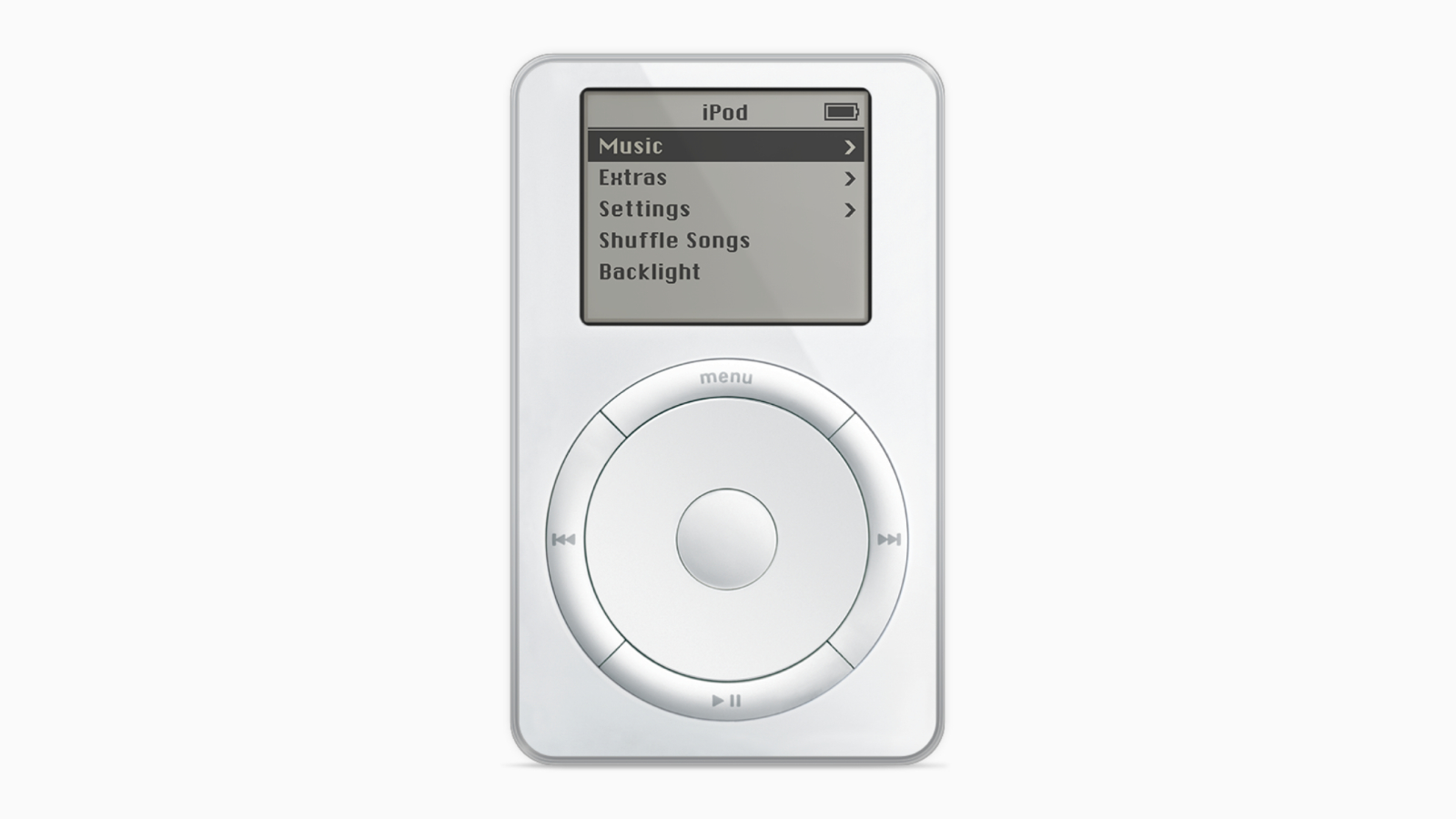
Apple's original iPod went on sale 25 years ago today, on November 10, 2001. The $399 music player initially worked only with a Mac, but it went on to become one of Apple's most significant products and helped the company expand beyond the computer business.


Steve Jobs had unveiled the first iPod just over two weeks earlier, on October 23, at a small press event in the Town Hall auditorium at Apple's Infinite Loop headquarters. Advertised as offering "1,000 songs in your pocket," the device combined a 5GB hard drive with a monochrome LCD display, a mechanical scroll wheel, and up to 10 hours of battery life.

The original model required iTunes. Its FireWire connection transferred music and charged the battery, while automatic synchronization copied songs and playlists from the user's iTunes library. Apple said that an entire CD could be transferred in under 10 seconds and a collection of 1,000 songs in less than 10 minutes. The hard drive could also store documents and other files.

Ahead of the announcement, Apple invited the press to the unveiling of a "breakthrough digital device," specifying that it was not a Mac. Reports variously suggested a music player, a home stereo accessory, or a handheld device with handwriting recognition. A MacRumors rumor roundup published two days before the event included the name "iPod."


The announcement received a mixed response. Our original coverage is still available, along with reader comments questioning the device's price, Mac-only compatibility, and significance. One reader described it as "far from revolutionary," while another wrote, "all this hype for something so ridiculous!" Early forum discussions also covered fingerprints on the polished rear enclosure, heat while charging, and the sound quality of the included earbuds.

Hardware revisions followed in quick succession. The second-generation iPod adopted a touch-sensitive scroll wheel, while the third-generation model introduced the 30-pin Dock Connector in 2003. The full-size iPod gained a color display in 2004 and video playback in 2005.

The iPod mini was announced in January 2004, representing the first extension of the product line. It featured a smaller anodized aluminum enclosure in silver, gold, pink, blue, or green, and introduced the Click Wheel, which integrated playback buttons into the touch-sensitive scrolling surface. Apple adopted the same control for the fourth-generation full-size iPod later that year.


In 2005, Apple introduced both the iPod shuffle and iPod nano. The shuffle omitted a display and offered a smaller, simpler music player, while the nano replaced the mini with a thin design based on flash storage. Later iPod nano models added video playback, a video camera, and a touchscreen. The square sixth-generation model, introduced in 2010, could be worn on the wrist using third-party watch straps.

By April 2007, Apple had sold 100 million iPods, less than six years after the first model reached customers. By October 2011, sales had exceeded 304 million units.

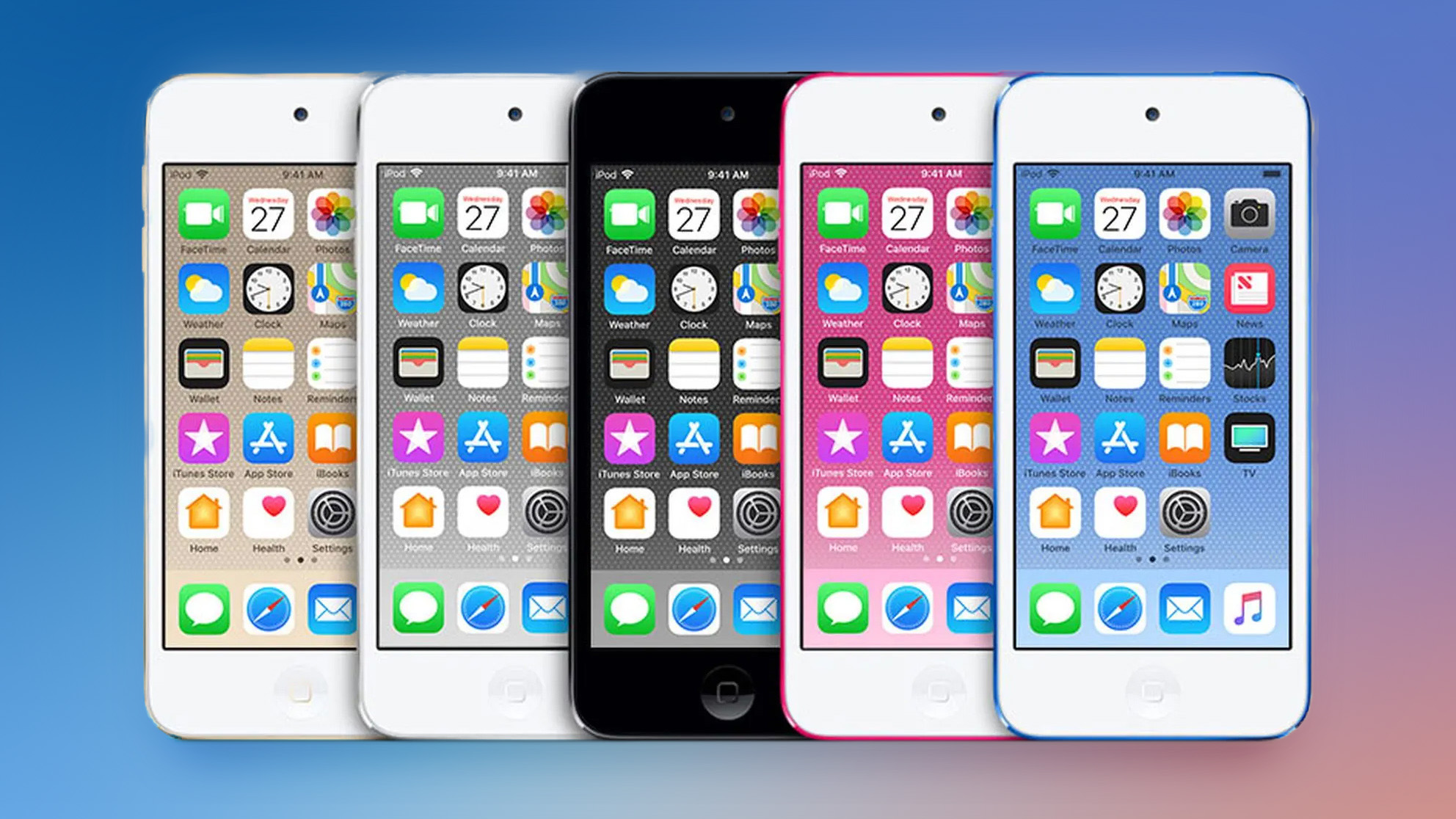
The iPod touch arrived in September 2007, several months after the first iPhone went on sale. It featured a 3.5-inch Multi-Touch display, Wi-Fi, and Safari, without requiring a cellular plan.


Apple discontinued the iPod classic in September 2014, five years after its final hardware revision. The iPod nano and iPod shuffle followed in July 2017, leaving the iPod touch as the sole model.

The seventh-generation iPod touch received an A10 Fusion chip and up to 256GB of storage in May 2019. It remained on sale without further hardware updates until May 10, 2022, when Apple announced its discontinuation and said it would be available while supplies lasted.

In its announcement, Apple attributed the end of the lineup to the integration of music playback across its other products. Greg Joswiak, Apple's senior vice president of worldwide marketing, said that "the spirit of iPod lives on" through devices including the iPhone, Apple Watch, HomePod mini, Mac, iPad, and Apple TV.
Related Forum: iPod touch and iPod

This article, "The Original iPod Went on Sale 25 Years Ago Today" first appeared on MacRumors.com

Discuss this article in our forums
  •  
Empfangen — 09. November 2026 ⏭ MacRumors: Mac News and Rumors - All Stories

Singapore Saved Apple $2.7 Billion in Taxes This Year

Apple paid more income tax in Ireland than in Singapore in fiscal 2026, but it saved more in Singapore.


Apple's annual report shows that the company paid $4.96 billion in cash income taxes in Ireland and $3.25 billion in Singapore. Against the 21% U.S. federal corporate tax rate, Singapore lowered Apple's tax expense by $2.67 billion, about $100 million more than Ireland did.

Singapore's lower tax rate and incentives would have saved Apple $5.49 billion before other taxes and adjustments. A $2.51 billion top-up tax erased nearly half of that initial saving. Singapore introduced the tax to bring the effective tax rate for qualifying large multinationals up to 15%.

Fiscal 2026 was the first year Apple disclosed these figures by country in its annual report under new U.S. accounting rules. Apple reported a combined figure for its foreign subsidiaries in fiscal 2025 and 2024, so those years offer no direct comparison between Singapore and Ireland.

The Financial Times estimated that Apple booked up to $50 billion in pretax profit in Singapore in 2026. Apple's Singapore subsidiaries reported nearly $40 billion a year earlier.

Apple can earn a profit in one country even when the customer is in another. Its Singapore business sells products and services to other Apple companies overseas, so it can earn part of the profit before a product reaches the customer. In Ireland, an Apple subsidiary handles sales in several markets. Profits those businesses earn can qualify for lower taxes under local rules.
This article, "Singapore Saved Apple $2.7 Billion in Taxes This Year" first appeared on MacRumors.com

Discuss this article in our forums

  •  

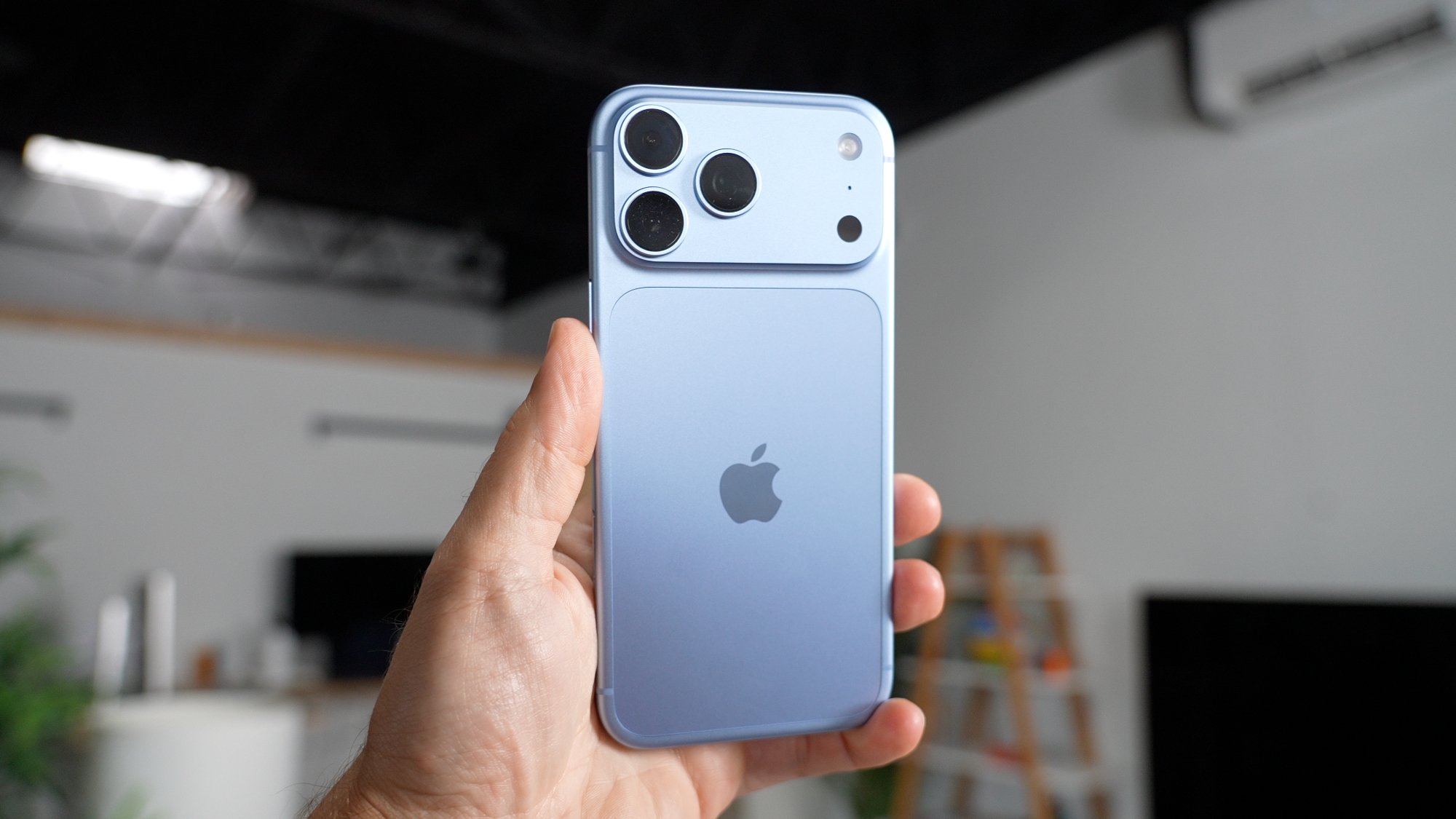
Leaker Envisions a Shorter iPhone With a New iOS Layout

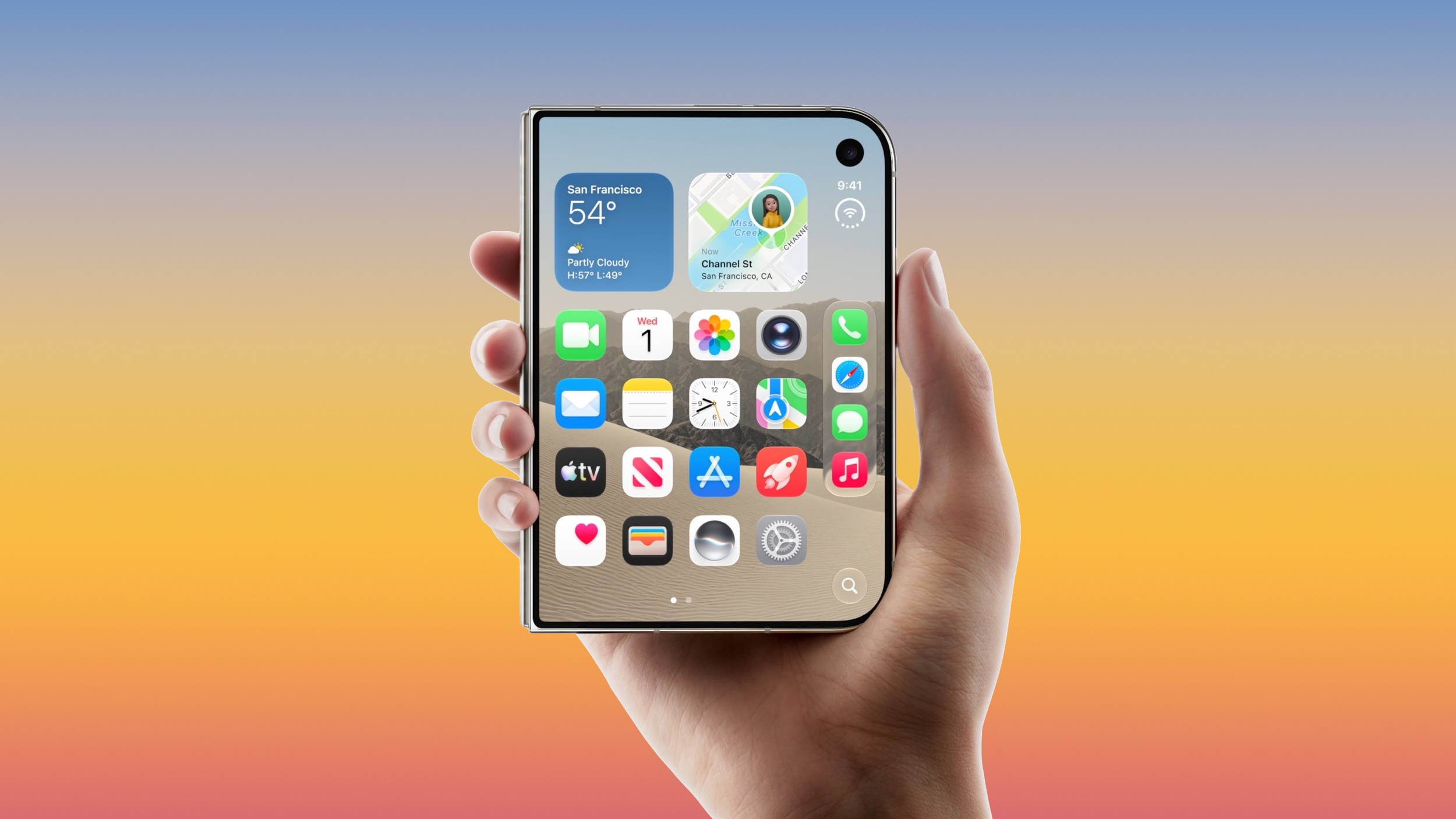
A future iPhone could keep its current width while becoming shorter, with iOS preserving room for content by moving some controls into the status bar, in a theory shared by the Weibo leaker known as "Instant Digital."


Instant Digital imagines Apple shortening a non-folding iPhone once its display has only a single camera cutout or the front-facing camera moves entirely beneath the screen. Taking roughly a status bar's worth of height off the display would bring its aspect ratio from around 19.5:9 to closer to 18:9, apparently making the phone easier to hold and use with one hand.

Controls that currently sit below the status bar could share a row with the time and system indicators. Instant Digital's idea is that combining the two rows would let the shorter display show the same amount of information. The leaker described the layout and proportions as personal speculation.

Apple has already changed how iOS uses the space at the top of the screen with the iPhone 18 Pro and iPhone Duo. The ‌iPhone 18 Pro‌'s smaller Dynamic Island supports up to three simultaneous Live Activities, up from two on earlier models. On the ‌iPhone Duo‌, iOS fits a compact status bar into the corner and positions the Dynamic Island vertically along the side of the outer display.

The timing of a cutout-free display on the iPhone remains uncertain. The leaker "Digital Chat Station" has said Apple is testing under-display camera technology and has described an intermediate design with a visible hole for the front-facing camera, similar to the ‌iPhone Duo‌.

In a follow-up post on Weibo, another user said they expect iPhones to retain a camera cutout and a 19.5:9 aspect ratio in both 2027 and 2028. Instant Digital replied that some sources say the cutout could disappear in 2028. Display analyst Ross Young has separately said he expects the 2028 iPhone Pro models to retain a centered camera cutout.

In a separate post, Instant Digital said they had a growing hunch that iOS would change substantially after the 20th-anniversary iPhone launches in 2027. They expect changes to how users interact with the software as well as how it looks.

Bloomberg's Mark Gurman reported that the anniversary iPhone will have curved glass and thinner bezels in the biggest overhaul to the Pro line since the iPhone X. Digital Chat Station has also said Apple was testing a roughly 7-inch display for the largest anniversary model with the same aspect ratio as the iPhone 17 Pro Max.

The iPhone X offers a precedent for a hardware redesign changing how people use iOS. When Apple removed the Home button in 2017, iOS 11 introduced swipe-up navigation on the iPhone X.
This article, "Leaker Envisions a Shorter iPhone With a New iOS Layout" first appeared on MacRumors.com

Discuss this article in our forums
  •  

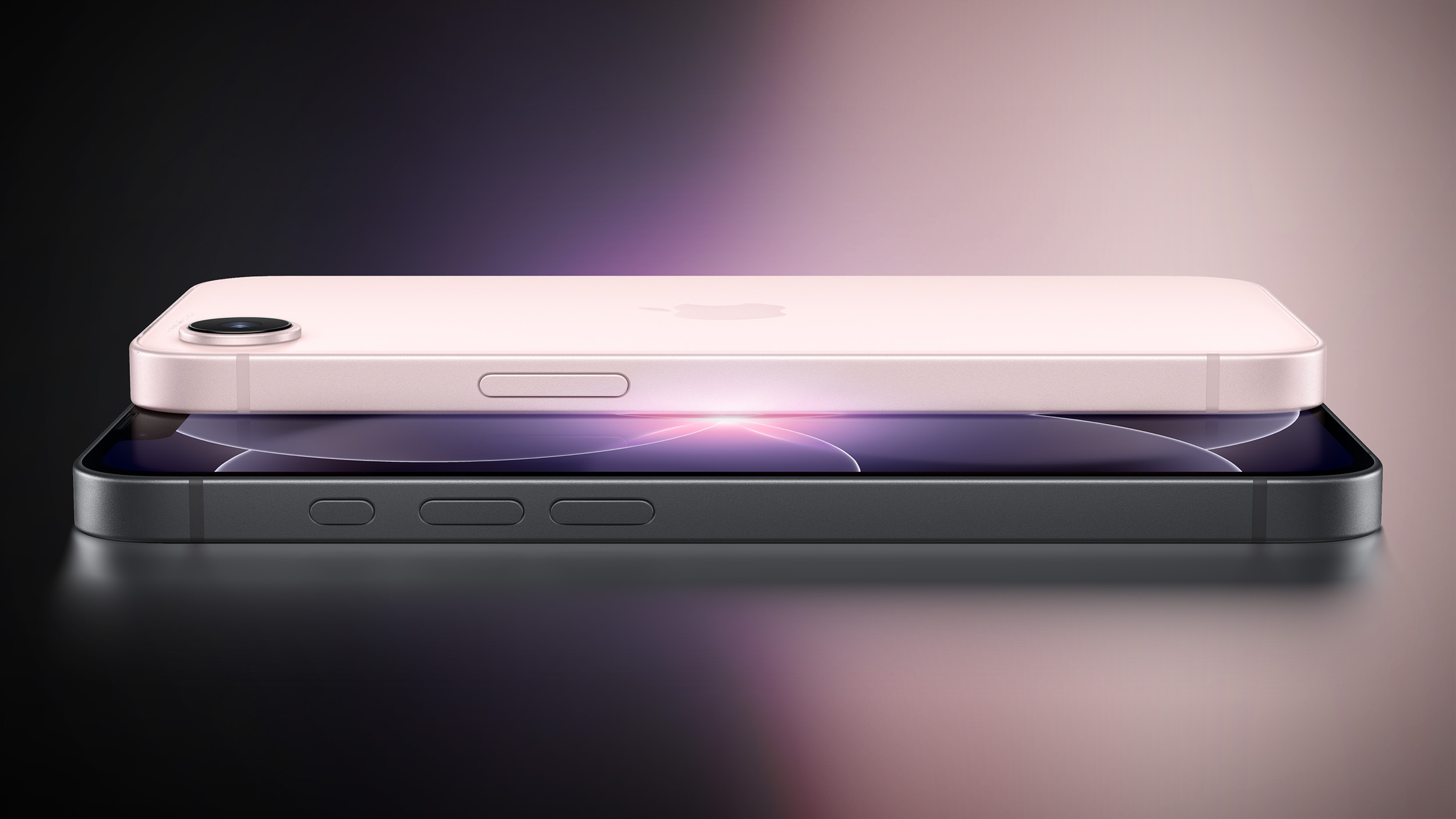
iPhone 18e Could Feature Bigger Display and Battery

Apple's standard iPhone 18 and the lower-cost iPhone 18e will both feature 6.3-inch displays and use the same battery, according to the leaker known as "Fixed Focus Digital."


In a new post on Weibo, the leaker shared an annotated, side-by-side diagram of the phones' purported internals, labeled "Taycan" for the ‌iPhone 18‌ and "Nevera" for the iPhone 18e. Fixed Focus Digital said the diagram was already circulating online and broadly matched what their sources had told them. They pointed to the battery as an example of the interchangeable parts they had previously described.

The diagram's annotations list a 4,430 mAh battery for both models. That would be an increase of about 21% from 3,671 mAh for the standard ‌iPhone 18‌ and about 11% from 4,005 mAh for the iPhone 18e. The notes attribute the extra room in the standard model to changes to the bottom speaker and haptic engine. The diagram also shows two rear cameras on the standard ‌iPhone 18‌, including an Ultra Wide camera, and a single rear camera on the iPhone 18e, just like previous models.

A 6.3-inch display would be a noticeable step up from the 6.1-inch screen on the iPhone 17e. Fellow Weibo leaker "Digital Chat Station" previously claimed the iPhone 18e would retain a 6.12-inch OLED display at 60Hz, along with a single 48-megapixel rear camera and a potential upgrade to the front-facing camera. The same source expects the standard iPhone 18 to retain its 6.3-inch display with a refresh rate of up to 120Hz, along with a larger battery.

In an earlier post, Fixed Focus Digital said a new chip was the only iPhone 18e upgrade they could confirm at the time and suggested the two models would share some manufacturing processes.

Digital Chat Station expects the iPhone 18e to contain Apple's 2nm A20 chip, up from the 3nm A19 in the ‌iPhone 17e‌. Analyst Ming-Chi Kuo has said Apple's lower-end spring 2027 iPhones will pair the A20 chip with 9GB of RAM, up from 8GB. Both models are also rumored to get Apple's C2 modem, which would replace the Snapdragon X80 in the iPhone 17 and the C1X in the ‌iPhone 17e‌.

The iPhone 18e is expected to launch in spring 2027 alongside the standard ‌iPhone 18‌ and second-generation iPhone Air. The ‌iPhone 17e‌ launched at $599 with 256GB of storage, and it is unclear if it will get a price increase like other iPhone models.
Related Roundups: iPhone 17e, iPhone 18
Buyer's Guide: iPhone 17e (Caution)
Related Forum: iPhone

This article, "iPhone 18e Could Feature Bigger Display and Battery" first appeared on MacRumors.com

Discuss this article in our forums
  •  
Empfangen — 06. November 2026 ⏭ MacRumors: Mac News and Rumors - All Stories

The MacRumors Show: iOS 27.3 Looks Like a Huge Update

Apple's first 27.3 betas bring expanded Siri AI actions, a redesigned Health app, and new Fitness+ features, alongside conversation summaries on the Apple Watch. This week's episode of The MacRumors Show takes a closer look at the updates.

Subscribe to The MacRumors Show YouTube channel for more videos

‌Siri‌ AI gains additional actions across Apple's apps, including unsubscribing from mailing lists, organizing files, and managing Safari tabs. In Weather, ‌Siri‌ can add saved locations and toggle severe weather or next-hour precipitation notifications. The additions extend the assistant's usefulness for everyday tasks, although the full range of supported requests can still be difficult to discover.

A new developer preview also enables more flexible third-party integrations. Developers can supply custom actions and skills that help ‌Siri‌ coordinate multiple steps, improving its handling of more complicated requests. App Store submissions for these integrations are scheduled to open in the spring.

Safari adds vertical tabs and Adaptive Dark Mode, allowing websites without their own dark appearance to adopt one automatically. The iPhone Duo also gains horizontal Reachability and a revised keyboard, making its wider outer display easier to operate with one hand.

Apple Fitness+ gains Gym Strength, which creates personalized four-week plans based on available equipment and workout preferences. Short videos from Fitness+ trainers demonstrate proper form, extending the service beyond workouts that require following an entire video session. The initial beta's equipment selection and scheduling options nevertheless leave room for improvement, particularly for users whose routines vary from week to week.

The redesigned Health app returns with Insights and Longevity sections, turning collected measurements into more accessible guidance and longer-term health assessments. iPhone Duo-style StandBy mode displays bring more customizable clocks, Calendar views, and Weather information to additional iPhones. Apple Music also gains enhanced transitions, concert recommendations, and Selfie Sing karaoke videos.

On the Apple Watch, Live Rewind and Siri Recap introduce new ways to recover and summarize spoken information. Live Rewind provides a transcription of the preceding 15 seconds, while ‌Siri‌ Recap creates detailed conversation summaries that can be useful for meeting notes. Time- and location-based scheduling provides more control over when ‌Siri‌ Recap operates.

The MacRumors Show has its own YouTube channel, so make sure you're subscribed to keep up with new episodes and clips.

You can also listen to ‌The MacRumors Show‌ on Apple Podcasts, Spotify, Overcast, or other podcast apps. You can also copy our RSS feed directly into your player.


If you haven't already listened to the previous episode of The MacRumors Show, catch up to hear our discussion about Apple's newly announced OLED MacBook Pro, the iPad mini with A20 Pro, and M6 versions of the iMac and entry-level 14-inch ‌MacBook Pro‌.

Subscribe to ‌The MacRumors Show‌ for new episodes every week, where we discuss some of the topical news breaking here on MacRumors, often joined by familiar guests such as Tyler Stalman, Michael Fisher, Kayci Lacob, Kevin Nether, John Gruber, Mark Gurman, Jon Prosser, Luke Miani, Matthew Cassinelli, Brian Tong, Quinn Nelson, Jared Nelson, Eli Hodapp, Mike Bell, Sara Dietschy, iJustine, Jon Rettinger, Andru Edwards, Arnold Kim, Ben Sullins, Marcus Kane, Christopher Lawley, Frank McShan, David Lewis, Sam Kohl, Federico Viticci, Thomas Frank, Jonathan Morrison, Ross Young, Ian Zelbo, and Rene Ritchie.

‌The MacRumors Show‌ is on X @MacRumorsShow, so be sure to give us a follow to keep up with the podcast. You can also email us at podcast@macrumors.com or head over to The MacRumors Show forum thread. Remember to rate and review the podcast, and let us know what subjects and guests you would like to see in the future.
Related Roundups: iOS 27, iPadOS 27
Related Forum: iOS 27

This article, "The MacRumors Show: iOS 27.3 Looks Like a Huge Update" first appeared on MacRumors.com

Discuss this article in our forums

  •  
❌