❌

Lese-Ansicht

„How to Use an External Monitor with the iPad mini (A20 Pro)“

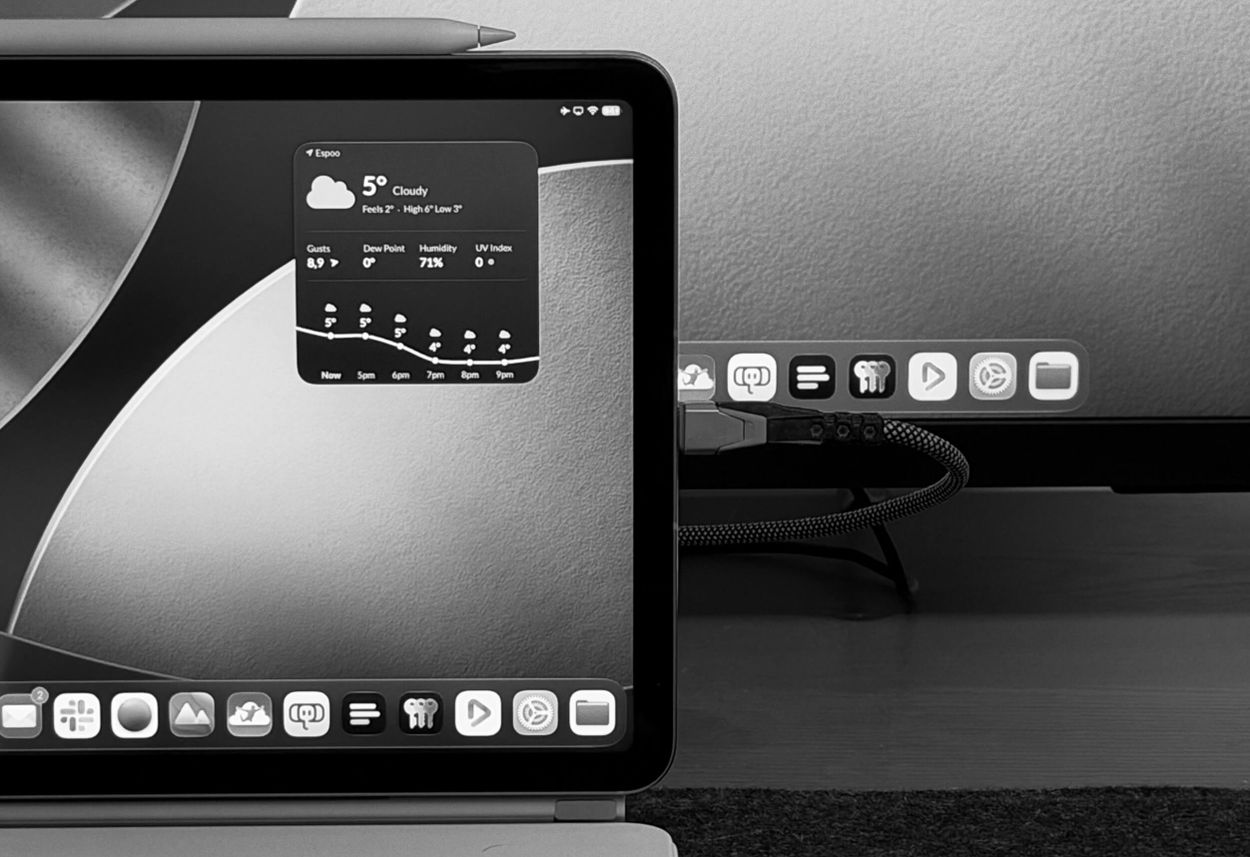
A close-up of an iPad screen showing a weather widget displaying 5 degrees and cloudy in Espoo, with detailed weather information below. An iPad pencil rests on top.

The new iPad mini (A20 Pro) is a big upgrade over its predecessor. While the OLED display is the headline feature, the more important improvement to me is the addition of extended display support. This is the first time the feature has come to an iPad without an M-series chip, and it increases the versatility of Apple’s pocket-sized tablet.

Using an iPad with a display isn’t something most people know about, so here’s a guide to using the new iPad mini with an external display.

Riley Hill

Was dem iPhone Duo fehlt, liefert das iPad mini: eine Unter­stüt­zung für ein externes Dis­play mit einer Auf­lösung von bis zu 4K bei 60 Hz. Es handelt sich um den erweiterten Desktop mit eigenständigen App-Fenstern auf dem externen Monitor, nicht nur ein schäbiges Mirroring. Das ist nicht nur ein sprichwörtliches Ass im (Jacken-)Ärmel, sondern eine signifikante Erweiterung des Einsatzzwecks von Apples kleinstem Tablet.

Zugegeben: Dann fehlen immer noch Tastatur und Trackpad. Es existieren zwar „All-in-one“-Cases, die limitierte Gehäusegröße ist aber eine zu große Einschränkung für eine sinnvolle Laptop-ähnliche Nutzung.

„Kleinzigartig“ ist gleichzeitig aber auch ein ausschlaggebender Vorteil: iPadOS avanciert mit Keyboard, Maus und Bildschirm zu einer vollwertigen Arbeitsumgebung – inklusive komfortablem Fernzugriff auf macOS.

Apples Telefone darf man abseits der schlichten Bildschirmspiegelung nicht von Monitor zu Monitor schleppen; iPad-Software liegt genau dafür seit Jahren angepasst vor.

Bemerkenswert ist allerdings nicht, dass das kleine Tablet zum großen Desktop wird, sondern dass sich mit minimalem Gepäck (255 Gramm!) an verschiedensten Orten eine vollständige Desktop-Arbeitsumgebung aufziehen lässt – vorausgesetzt ihr haltet Monitor, Tastatur und Maus vor.

  •  

OLED iPad Mini, M6 iMac, and New MacBook Pros Available From Today

From today, Apple's new iPad mini with an OLED display, M6 iMac, and its latest MacBook Pro models are available to buy from Apple's online store and in the Apple Store app, with the first pre-orders also arriving to customers today and both devices reaching Apple Store locations and Apple Authorized Resellers.


OLED iPad Mini


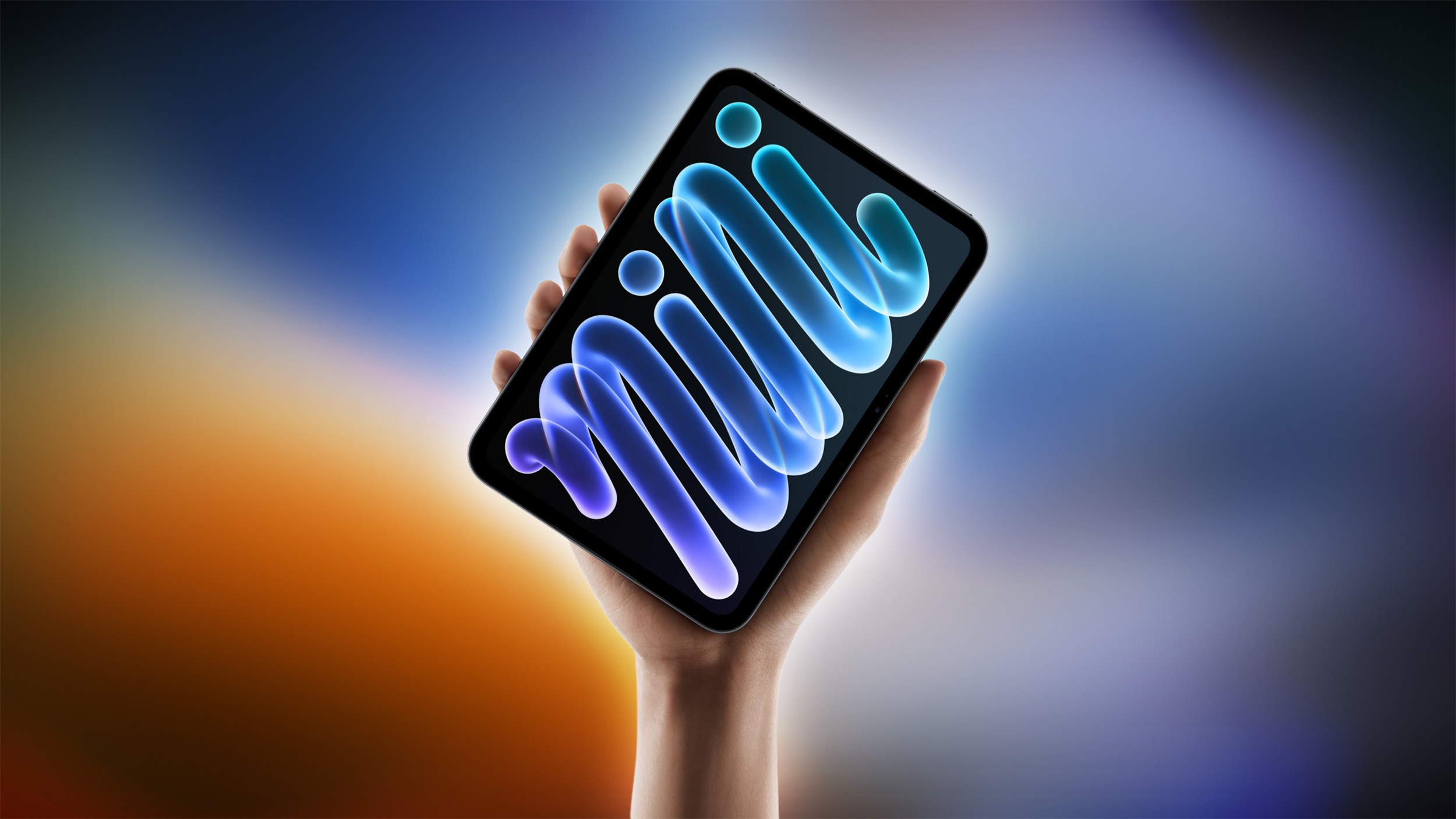
The eighth-generation iPad mini is Apple's smallest tablet with an OLED display. The 8.5-inch Super Retina XDR display offers up to 1,200 nits of peak brightness, a 2,000,000:1 contrast ratio, and a 1-nit minimum brightness, with a nano-texture glass option on 256GB and 512GB models for the first time.

The device is powered by Apple's A20 Pro chip and the N1 wireless chip, enabling Wi-Fi 7 and Bluetooth 6. At 5.4mm thin and 255 grams, it's the lightest iPad Apple has made. It's also the first iPad with an IP67 water and dust resistance rating, aided by a new Acoustic Display that produces sound through the screen itself, so there are no speaker holes in the enclosure.

A 12MP Center Stage front camera is now located on the landscape side for video calls, and the device supports Apple Pencil Pro and Apple Pencil (USB-C). The display is limited to a 60Hz refresh rate with no ProMotion, which has been the main point of criticism in early reviews.

In the United States, the new iPad mini starts at $699 for the 128GB Wi-Fi model. The 256GB and 512GB configurations are priced at $799 and $999, with nano-texture glass adding $100 on those models, while Wi-Fi + Cellular models start at $849. Education pricing starts at $649.

M6 iMac


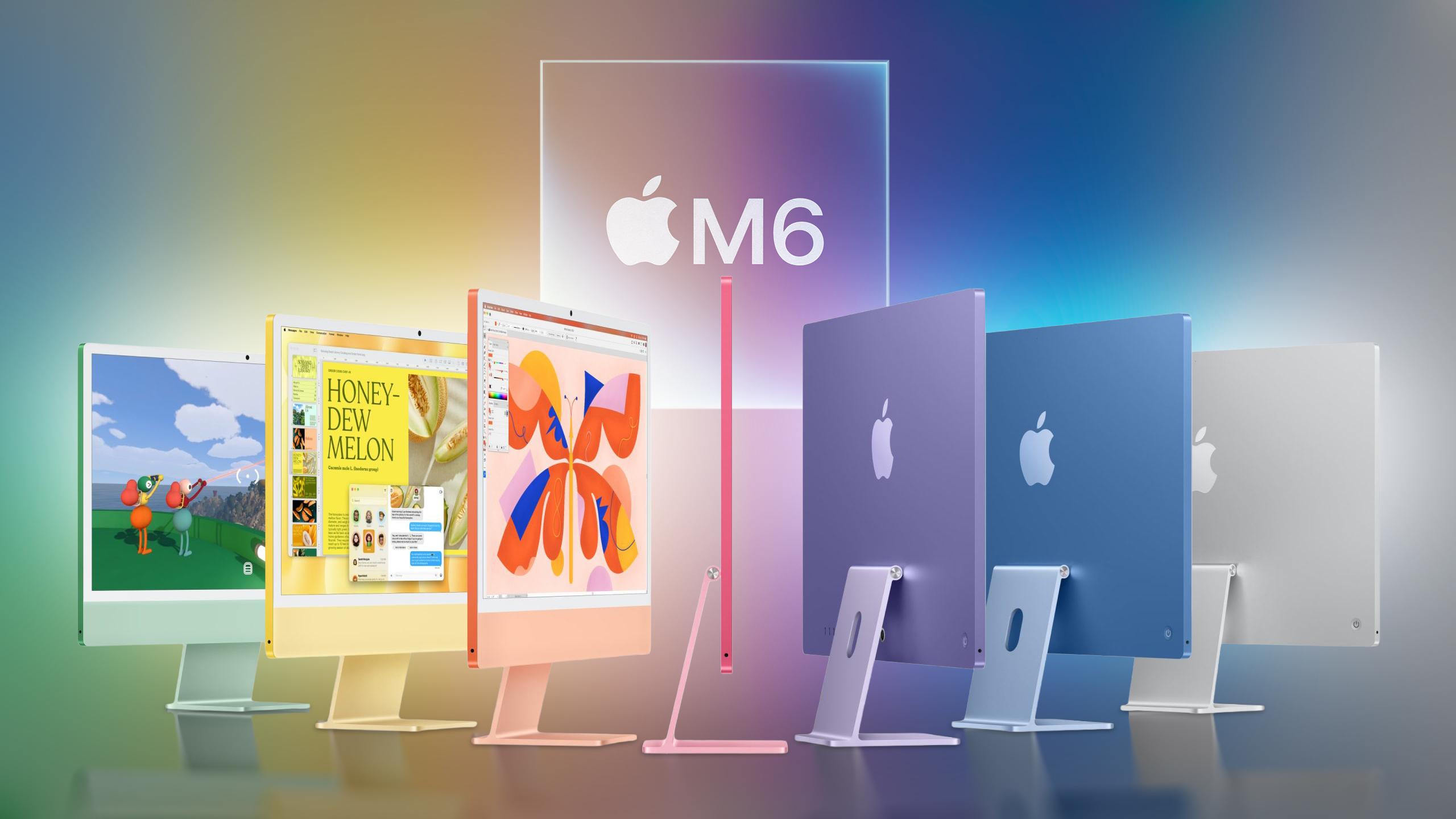
Meanwhile, the new iMac is the first update to Apple's all-in-one since the M4 model. The M6 chip brings up to a 12-core CPU and 12-core GPU, with Apple claiming up to 2x faster graphics than the previous generation, alongside Wi-Fi 7, Bluetooth 6, and an optional 2.5 Gigabit Ethernet port on the power adapter.

The iMac with M6 starts at $1,499 for the model with a 10-core CPU and 10-core GPU, while the version with a 12-core CPU and 12-core GPU starts at $1,699. Education pricing starts at $1,449.

Latest MacBook Pro Models


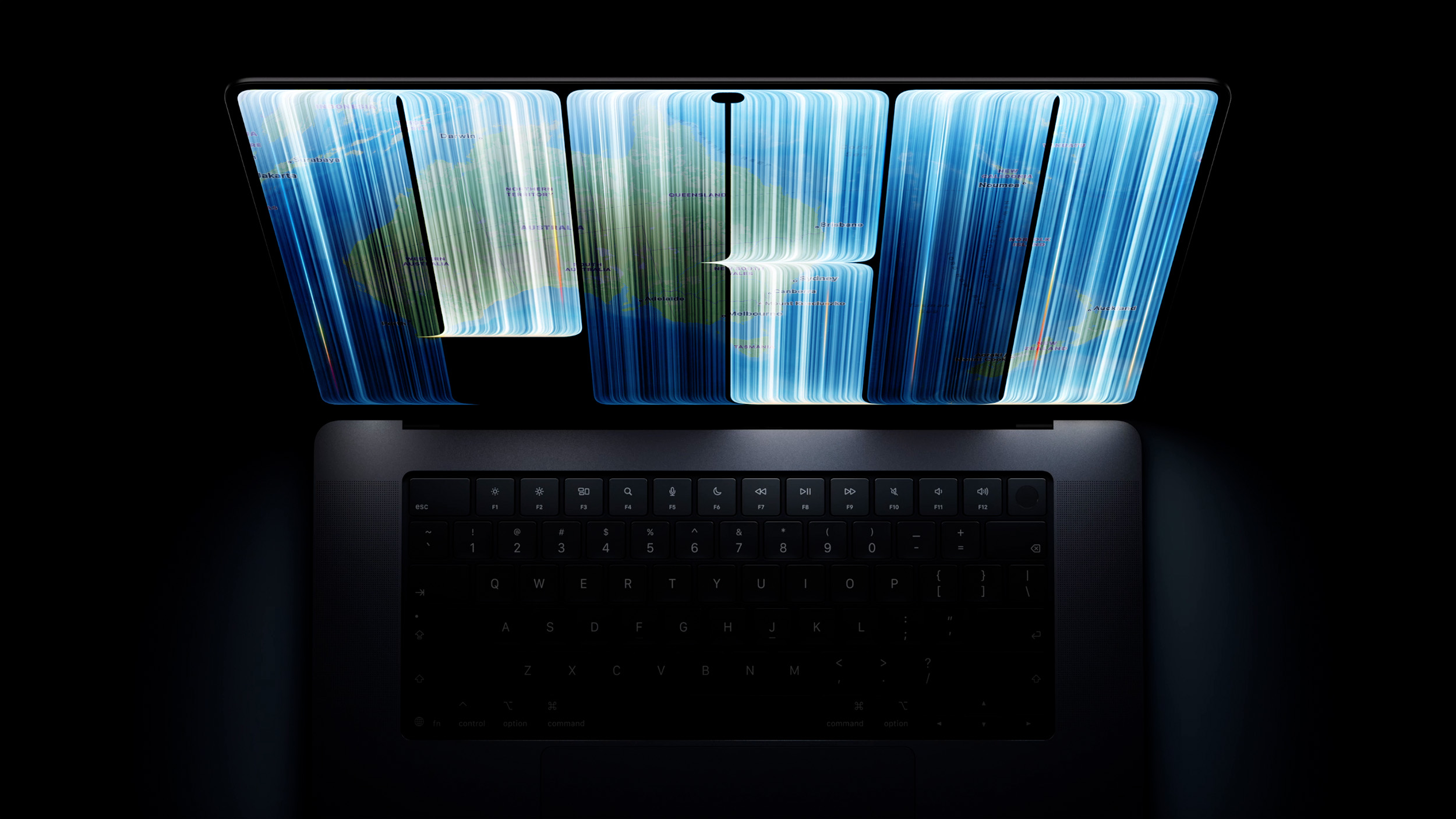
Also launching today are the new MacBook Pro models. The 14-inch MacBook Pro with M6 starts at $1,999 and features a 12-core CPU and 12-core GPU, alongside Wi-Fi 7 and Bluetooth 6 via Apple's N1 wireless chip.

The new 14-inch and 16-inch MacBook Pro models with touchscreen PROLED XDR displays are also available, starting at $2,899 and $3,399, respectively. Powered by M5 Pro or M5 Max chips, the touchscreen models replace the notch with a Dynamic Island and offer up to 2,000 nits of peak brightness for both SDR and HDR content.

Apple's online checkout system indicates many configurations of the 14-inch and 16-inch touchscreen MacBook Pro models in Space Black and Silver currently ship in 2-3 weeks, so anyone who wants one as soon as possible is likely to have more luck visiting their local Apple Store, where at least some base configurations are typically in stock.

For a full rundown of everything new, see our iPad mini, iMac, and MacBook Pro roundups.
Related Roundups: iMac, iPad mini, MacBook Pro
Tag: OLED
Related Forums: iMac, iPad, MacBook Pro

This article, "OLED iPad Mini, M6 iMac, and New MacBook Pros Available From Today" first appeared on MacRumors.com

Discuss this article in our forums

  •  

Apple's First Touchscreen Mac is Now Arriving to Customers

It's Friday, November 6 in Australia and New Zealand, which means customers who preordered a PROLED touchscreen MacBook Pro, OLED iPad mini, M6 ‌MacBook Pro‌, or M6 iMac are now starting to receive their devices.


People will soon be sharing photos and first impressions of the new products on the MacRumors forums, Reddit, Instagram, and other platforms, giving us a first look at what real-world users think of the ‌OLED‌ upgrade for the ‌iPad mini‌ and the PROLED and touchscreen update for the ‌MacBook Pro‌.

Apple's new high-end ‌MacBook Pro‌ models come with M5 Pro or M5 Max, and the major change is the display. It's touch-enabled and is the first Mac with an ‌OLED‌ display. The design has been updated, so the new machines are thinner and lighter than the mini-LED models, which Apple is still selling. Apple also brought back the glowing Apple logo, and replaced the notch with a Dynamic Island. Pricing on the PROLED ‌MacBook Pro‌ starts at $2,899 for the 14-inch model and $3,399 for the 16-inch model.

The ‌OLED‌ ‌iPad mini‌ is Apple's first smaller-screened iPad to get ‌OLED‌, and it's also the most affordable ‌OLED‌ ‌iPad‌. It's almost a millimeter thinner than the prior version and has an Acoustic Display that does away with speaker holes. Without them, the enclosure is sealed, making it the first ‌iPad‌ with a water and dust resistance rating (IP67). It uses Apple's A20 Pro chip. The ‌OLED‌ ‌iPad mini‌ starts at $699.

The 14-inch entry-level ‌MacBook Pro‌ and 24-inch ‌iMac‌ got little in the way of updates beyond an M6 chip. The ‌MacBook Pro‌ is priced starting at $1,999, and the ‌iMac‌ starts at $1,499.

Australia is the first country where customers can buy one of the new products in an Apple retail location. Online orders of the PROLED ‌MacBook Pro‌ don't ship until late November or early December, so it's possible in-store stock will be limited. The ‌OLED‌ ‌iPad mini‌, 14-inch ‌MacBook Pro‌, and ‌iMac‌ should be readily available.

After Australia and New Zealand, sales and deliveries of the new Macs and ‌iPad mini‌ will begin in Asia, the Middle East, Europe, and finally, North America.
Related Roundups: iMac, iPad mini, MacBook Pro
Related Forums: iMac, iPad, MacBook Pro

This article, "Apple's First Touchscreen Mac is Now Arriving to Customers" first appeared on MacRumors.com

Discuss this article in our forums

  •  

iPad Mini vs. iPad Air Buyer's Guide: Now Just $50 Apart

Apple refreshed both the iPad mini and iPad Air this year, but the choice is now less straightforward and there is just a $50 price difference between them, so which should you choose?
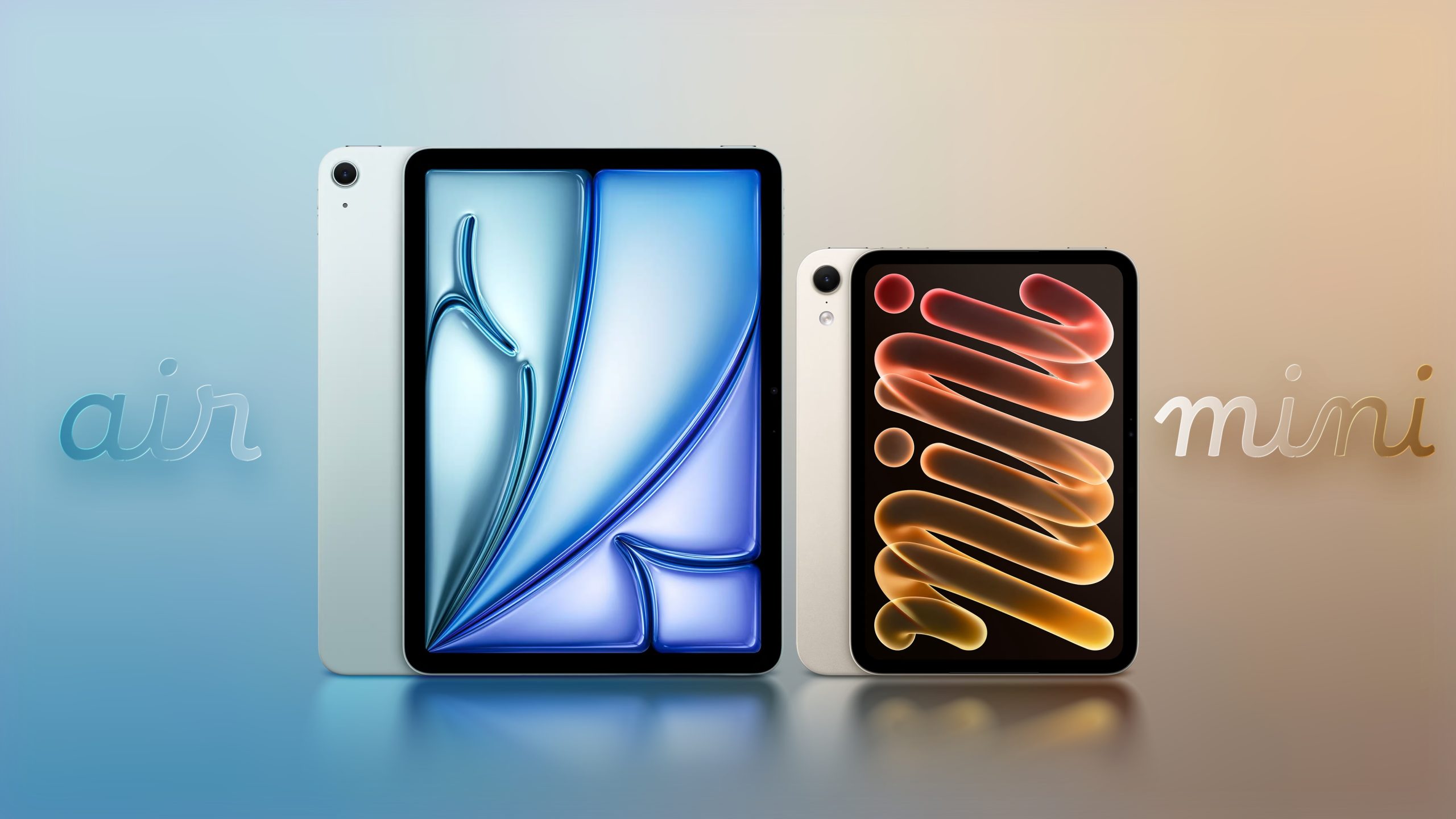

The eighth-generation ‌iPad Air‌ arrived in March with the M4 chip, 12GB of unified memory, Apple's N1 wireless chip, and the C1X modem on cellular models. It remains available in 11-inch and 13-inch sizes. Following Apple's June price increases, the two size options now start at $749 and $949, respectively.

In October, Apple announced the eighth-generation ‌iPad mini‌, introducing a larger 8.5-inch display with OLED technology, a thinner and lighter design, the A20 chip, an optional nano-texture finish, a landscape front camera, and more. The changes give Apple's smallest tablet several advantages over the ‌iPad Air‌, even as the Air retains a larger screen and support for Apple's Magic Keyboard.

Both devices offer Touch ID in the top button, Apple Pencil Pro and ‌Apple Pencil‌ (USB-C) support, ‌Apple Pencil‌ hover, landscape 12MP Center Stage front cameras with ƒ/2.0 apertures, Apple's N1 wireless chip, Wi-Fi 7, Bluetooth 6, Thread networking technology, and USB-C ports with transfer speeds of up to 10Gb/s. The new ‌iPad mini‌ also features 12GB of unified memory, matching the Air. Advertised battery life is the same, with up to 10 hours of web browsing over Wi-Fi or watching video, or up to nine hours of web browsing over cellular. Despite the ‌iPad mini‌'s move to ‌OLED‌, neither model offers ProMotion.

Our guide helps to answer the question of how to decide which of these two iPads is best for you.


‌iPad mini‌ (eighth generation, 2026) ‌iPad Air‌ (eighth generation, 2026)
8.5-inch display 11-inch or 13-inch display
2316-by-1512 resolution 11-inch: 2360-by-1640 resolution
13-inch: 2732-by-2048 resolution
326 ppi 264 ppi
Super Retina XDR ‌OLED‌ display with 2,000,000:1 contrast ratio Liquid Retina display with LED backlighting and IPS technology
600 nits maximum SDR and full-screen HDR brightness; 1,200 nits peak HDR brightness and 1 nit minimum brightness 11-inch: 500 nits maximum SDR brightness
13-inch: 600 nits maximum SDR brightness
Optional nano-texture display glass on 256GB and 512GB models for an additional $100, supplied with a polishing cloth
A20 Pro chip M4 chip
128GB and 256GB: 5-core CPU with 2 super cores and 3 efficiency cores
512GB: 6-core CPU with 2 super cores and 4 efficiency cores
8-core CPU with 3 performance cores and 5 efficiency cores
7-core GPU with dedicated Neural Accelerators 9-core GPU
128GB and 256GB: 16-core Neural Engine
512GB: Dual 16-core Neural Engine, totaling 32 cores
16-core Neural Engine
115.2 GB/s memory bandwidth 120 GB/s memory bandwidth
Volume buttons on top Volume buttons on right side
Acoustic Display audio system with display-coupled woofers and concealed tweeters Landscape stereo speakers
IP67 water and dust resistance, rated for a maximum depth of 1 meter for up to 30 minutes
Adaptive True Tone rear flash
Apple C2 modem (cellular models) Apple C1X modem (cellular models)
U.S. cellular model (A3596) supports LTE band 106 U.S. cellular models (A3460) and (A3462) do not support LTE band 106
UMTS/HSPA/HSPA+ cellular support UMTS/HSPA/HSPA+/DC-HSDPA cellular support
Supports one external display at up to 4K resolution at 60Hz, with extended external display mode Supports one external display at up to 6K resolution at 60Hz, with extended external display mode
Compatible with Bluetooth keyboards Smart Connector for compatible keyboard accessories, including Apple's Magic Keyboard
18.9Wh battery 11-inch: 28.93Wh battery
13-inch: 36.59Wh battery
Fast charging up to 50% in around 30 minutes with a 35W or higher USB-C power adapter
128GB, 256GB, or 512GB of storage 128GB, 256GB, 512GB, or 1TB of storage
Available in Midnight and Starlight Available in Space Gray, Starlight, Purple, and Blue
Starts at $699 (Wi-Fi) or $849 (Wi-Fi + Cellular) 11-inch: Starts at $749 (Wi-Fi) or $899 (Wi-Fi + Cellular)
13-inch: Starts at $949 (Wi-Fi) or $1,099 (Wi-Fi + Cellular)


Beyond their features, the physical differences between the two devices are substantial. The ‌iPad mini‌ is thinner and weighs almost half as much as the 11-inch ‌iPad Air‌, making it easier to hold for extended periods and carry in a small bag. The ‌iPad Air‌'s larger dimensions accommodate a more spacious display, but even the smaller model represents a noticeable step up in size and weight:


‌iPad mini‌ 11-inch ‌iPad Air‌ 13-inch ‌iPad Air‌
Height 7.69 inches (195.3 mm) 9.74 inches (247.6 mm) 11.04 inches (280.6 mm)
Width 5.22 inches (132.6 mm) 7.02 inches (178.5 mm) 8.46 inches (214.9 mm)
Thickness 0.21 inch (5.4 mm) 0.24 inch (6.1 mm) 0.24 inch (6.1 mm)
Weight (Wi-Fi) 0.56 pound (255 grams) 1.02 pounds (464 grams) 1.36 pounds (616 grams)
Weight (Wi-Fi + Cellular) 0.58 pound (263 grams) 1.03 pounds (465 grams) 1.36 pounds (617 grams)


The latest ‌iPad mini‌ changes the balance between these two devices. The ‌iPad Air‌ retains the core design introduced in 2020, while the ‌iPad mini‌ has just received a substantial redesign with an ‌OLED‌ display, a thinner and lighter enclosure, and several features unavailable on the Air. With the mini also costing $50 less, the current ‌iPad Air‌ is harder to recommend unless you specifically need its larger workspace and keyboard support and cannot wait for its successor.

For most buyers looking for a handheld tablet to complement a laptop or desktop computer, the ‌iPad mini‌ is now the more compelling choice. Its portability advantage is substantial: the Wi-Fi model weighs 255 grams, compared with 464 grams for the 11-inch Air, and its smaller footprint makes it much easier to hold and carry. Combined with its ‌OLED‌ display, water and dust resistance, and fast charging, this makes it particularly well suited to reading, watching videos, playing handheld games, and taking notes on the go.

The ‌iPad Air‌ remains the better choice for productivity. Even the 11-inch model provides considerably more screen space for documents, drawing, and working across multiple apps. Support for Apple's Magic Keyboard makes the ‌iPad Air‌ a much more practical potential laptop replacement. The ‌iPad mini‌ has ample processing power for many of the same tasks and supports Bluetooth keyboards, but its smaller display and lack of an equivalent integrated keyboard accessory make it less suitable as a productivity device.

These are meaningful reasons to choose the ‌iPad Air‌ if you need a tablet immediately. The 11-inch model's $50 premium buys a larger workspace and keyboard support, although the Magic Keyboard costs extra and whether the combination can replace your laptop depends on your apps and workflows being supported by iPadOS. Its older design does not diminish that clear utility, but buying one now means accepting an LCD display and missing several of the ‌iPad mini‌'s newer features.

The 13-inch ‌iPad Air‌ provides the clearest distinction from the ‌iPad mini‌, with substantially more room for side-by-side documents, drawing, and multitasking. Its $250 premium over the base ‌iPad mini‌ is worth considering if you regularly need that added display area, although its larger dimensions and weight make it much less convenient for handheld use. The 11-inch Air offers a more portable balance for switching between tablet and keyboard use, but neither approaches the ‌iPad mini‌'s ease of carrying and holding.

For prospective ‌iPad Air‌ buyers who do not need a new device immediately, we recommend waiting. A new ‌iPad Air‌ with an ‌OLED‌ display is expected in the first half of 2027. This would address one of the current ‌iPad Air‌'s most significant disadvantages compared with the ‌iPad mini‌, likely along with other new features to bring it up to par. With the ‌iPad mini‌ newly refreshed and a consequential ‌iPad Air‌ update expected in the not-too-distant future, postponing a nonessential ‌iPad Air‌ purchase is the more sensible choice.
Related Roundups: iPad Air , iPad mini
Related Forum: iPad

This article, "iPad Mini vs. iPad Air Buyer's Guide: Now Just $50 Apart" first appeared on MacRumors.com

Discuss this article in our forums

  •  

„Apple gives iPad mini its biggest update ever“

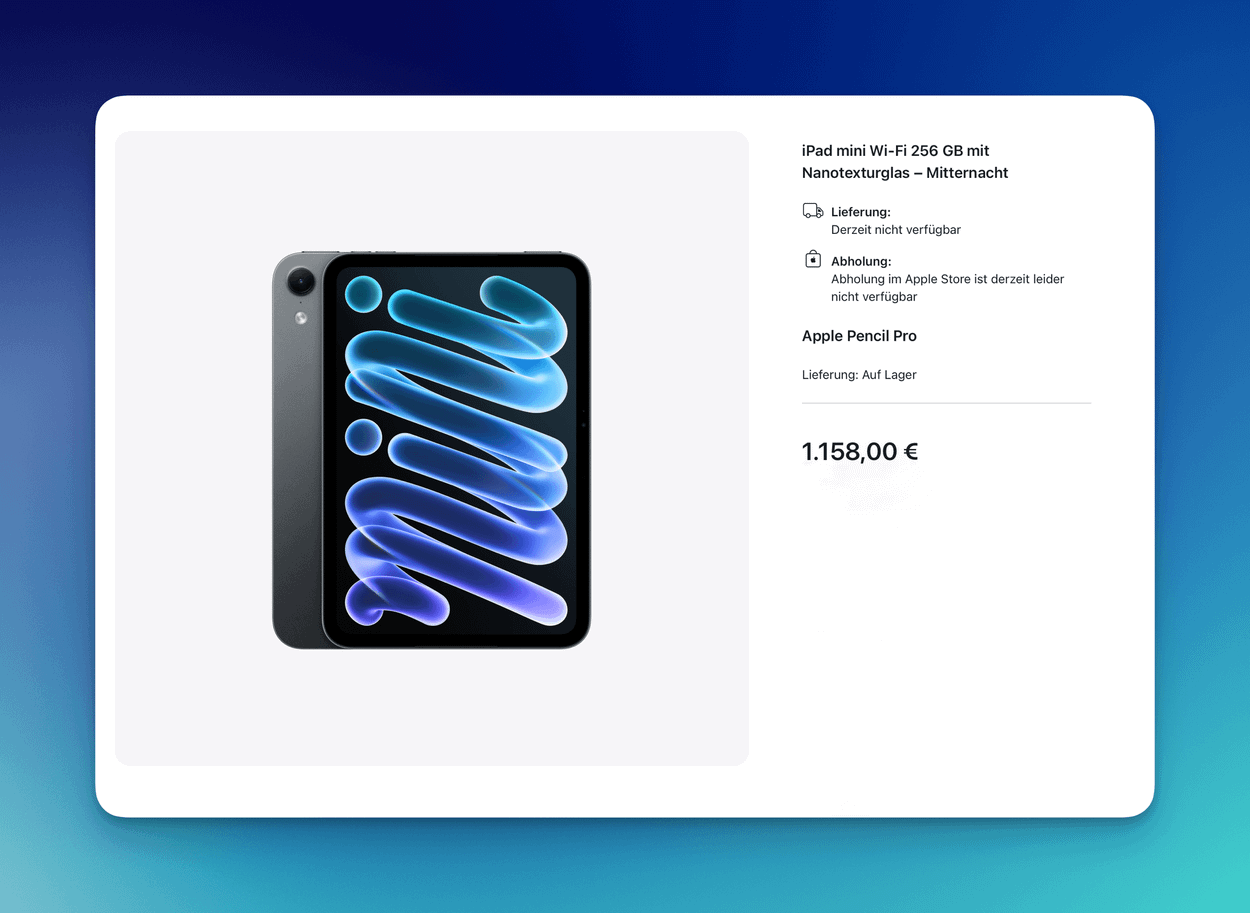
Product page showing an iPad mini Wi-Fi 256 GB with Nanotexture Glass in a dark color, displayed on the left. On the right, the product details and price of 1,158.00 euros are visible, along with availability notes regarding delivery and in-store pickup.

Featuring a stunning OLED display in an even thinner and lighter design, a huge leap in performance, faster wireless connectivity, and water and dust resistance.

Apple.com/Newsroom

Wenn nicht iPhone draufsteht, kostet es lediglich die Hälfte.

  •  
❌